The first few nights made me sleep heavily and I felt slow in the morning. By the third week my appetite and mood were steadier, but I had to stop driving before work until the drowsiness eased.
Sedation, increased appetite, and weight gain are important treatment considerations. Remeron supports mood treatment by increasing noradrenergic and serotonergic activity in adults with major depressive disorder.
Product information
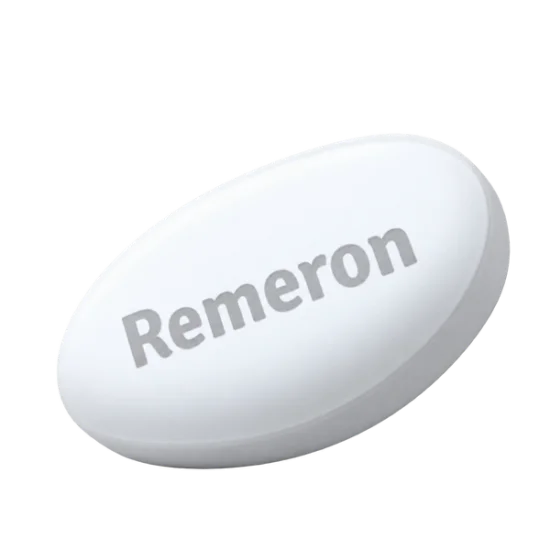
Remeron (mirtazapine) increases noradrenergic and serotonergic signalling in the brain, supporting treatment of major depressive disorder in adults. It is an atypical antidepressant that may also improve sleep and appetite when these symptoms accompany depression.
Dosage and administration
Remeron is taken by mouth as pills, usually once daily in the evening because drowsiness can occur. Dosing differs between strengths and between users, so there is no single amount that suits everyone.
Treatment decisions commonly consider:
- The diagnosed condition and symptom severity.
- Previous antidepressant response.
- Age, liver function, kidney function, and other medicines.
- Sedation, appetite, weight, and daytime concentration.
- Whether the patient is changing from another antidepressant.
A missed dose should not be replaced with two doses together. If the next scheduled dose is approaching, the missed dose is generally skipped rather than doubled. Taking tablets at the same time each evening can make missed doses less likely.
Remeron should not be stopped suddenly after regular use unless an urgent medical reaction requires immediate discontinuation. Abrupt cessation may cause dizziness, nausea, headache, anxiety, sleep disturbance, sweating, or unusual sensory symptoms. Prescribers commonly reduce the dose gradually when treatment ends.
The medicine may take several weeks to produce its full antidepressant benefit, while sleepiness can appear after the first doses. Early sedation does not prove that mood symptoms will improve, and early lack of improvement does not prove that treatment will fail.
Ingredients
Remeron contains mirtazapine, an atypical antidepressant that increases noradrenergic and serotonergic signalling in the brain. It is used in adults with major depressive disorder and may also improve sleep and appetite when these symptoms accompany depression.
How it affects the body
Its main action is antagonism of presynaptic alpha-2 adrenergic receptors. This removes an inhibitory signal and increases the release of norepinephrine and serotonin in central nervous system pathways involved in mood, anxiety, sleep, and appetite. Mirtazapine also blocks certain serotonin receptors, including 5-HT2 and 5-HT3, which helps explain why its adverse-effect pattern differs from many SSRIs.
The result is increased noradrenergic and serotonergic activity without directly blocking serotonin reuptake in the same manner as fluoxetine, sertraline, or escitalopram. The FDA prescribing information describes mirtazapine as a centrally active presynaptic alpha-2 antagonist with antidepressant activity [1].
Neurotransmitter Modulation Pathways
Serotonin helps regulate mood, anxiety, sleep, and several gastrointestinal functions. Norepinephrine contributes to alertness, motivation, concentration, and emotional responsiveness.
Mirtazapine increases the release of both neurotransmitters, while its 5-HT2 and 5-HT3 receptor blockade changes how serotonin signals are distributed. This may reduce some SSRI-associated problems, such as nausea or sexual dysfunction, but it also contributes to sedation and appetite stimulation.
Therapeutic indications
The principal approved indication for Remeron is major depressive disorder in adults. Depression may involve persistent low mood, loss of interest, reduced energy, impaired concentration, sleep disturbance, appetite changes, or thoughts of death.
Mirtazapine is also used in clinical practice for selected off-label situations. These uses require individual assessment because evidence and suitability vary between patients.
- Major depressive disorder: the primary approved indication.
- Depression with insomnia: its sedating properties may help patients whose depressive illness includes difficulty sleeping.
- Depression with poor appetite: increased appetite can be helpful for some patients, though unwanted weight gain is a common limitation.
- Anxiety symptoms: some psychiatrists use mirtazapine off-label when anxiety occurs with depression or when other antidepressants are poorly tolerated.
- Insomnia: mirtazapine may be prescribed off-label in selected cases, but it is not a general-purpose sleep medicine.
Off-label prescribing means a clinician uses an established medicine for a purpose outside the main regulatory indication. It does not mean the treatment is automatically suitable for every person with that symptom. The EMA and WHO describe antidepressant treatment as requiring attention to diagnosis, coexisting conditions, and the balance between benefit and adverse effects [2].
Common mistakes
Several practical mistakes can make Remeron seem ineffective or poorly tolerated:
- Stopping after a few sedating nights before the prescriber can assess the antidepressant response.
- Taking an extra tablet after a poor night of sleep.
- Combining the medicine with alcohol, diazepam, sleep aids, or sedating antihistamines.
- Driving early in treatment before testing daytime alertness safely.
- Ignoring rapid weight gain or a sudden increase in appetite.
- Using tramadol or St. John’s wort without disclosing it.
- Stopping abruptly after feeling better.
- Assuming that strong sleepiness means the dose should be increased.
One detail patients often miss is that appetite changes may appear before visible weight gain. Evening snacks can become routine within days, especially when sedation reduces normal activity.
Another is that feeling better can lead to premature discontinuation. Antidepressant response and relapse prevention are separate decisions, so the duration of treatment should be planned rather than decided during a single good week.
When not to use it
Mirtazapine is contraindicated with monoamine oxidase inhibitors (MAOIs). Treatment must not overlap with an MAOI, and switching requires a medically supervised interval. The exact interval depends on which antidepressant is being stopped or started.
Remeron is not suitable for a person with a previous serious allergic reaction to mirtazapine. Extra caution is needed with epilepsy, bipolar disorder, glaucoma, liver disease, kidney disease, low blood pressure, diabetes, and a history of suicidal thinking.
When this is not for you
Remeron is NOT for you if sedation or possible weight gain would create an unacceptable risk without clinician review. It may be a poor fit for someone who is already gaining weight or needs high daytime alertness.
Possible side effects
Remeron commonly causes drowsiness or sedation, increased appetite, weight gain, dry mouth, constipation, dizziness, and headache. Somnolence is linked partly to histamine H1 receptor blockade, while appetite stimulation reflects effects on central appetite pathways.
Sedation may be more noticeable at lower starting doses, which surprises some patients. A lower dose does not always feel more activating; mirtazapine can produce stronger sleepiness at the beginning of treatment in some individuals. The effect often changes as the body adapts, but persistent daytime impairment requires review.
| Common effect | Why it may occur | Practical concern |
|---|---|---|
| Drowsiness or sedation | Histamine H1 receptor blockade | Reduced alertness, especially after starting treatment |
| Increased appetite | Central receptor effects affecting appetite regulation | More frequent snacking or stronger evening hunger |
| Weight gain | Increased appetite, sedation, and altered eating patterns | Monitor changes in weight and waist measurement |
Other possible effects include vivid dreams, swelling, low blood pressure when standing, and changes in cholesterol or triglyceride levels. The FDA label reports increased appetite and weight gain among recognised adverse reactions .
Dry mouth may improve with regular water intake and sugar-free chewing gum. Constipation responds better to fluid, fibre, and movement than to repeatedly ignoring the urge to pass stool. Alcohol can intensify sedation.
Serious reactions are uncommon, but they require prompt medical assessment. Mirtazapine has been associated with serotonin syndrome, severe skin reactions, low sodium, mania, and agranulocytosis.
Serotonin syndrome is a toxic state caused by excessive serotonergic activity. It can include agitation, confusion, sweating, fever, shivering, diarrhoea, muscle rigidity, tremor, and a fast heartbeat. The risk increases when mirtazapine is combined with other serotonergic medicines, including certain antidepressants, tramadol, lithium, triptans, or St. John’s wort.
Agranulocytosis is a marked reduction in neutrophils, a type of white blood cell needed to fight infection. Warning symptoms include fever, sore throat, mouth ulcers, chills, or other signs of infection. The original Remeron prescribing information describes this rare blood disorder and advises urgent clinical evaluation when infection symptoms develop .
Seek urgent medical help for:
- High fever with confusion, sweating, tremor, or muscle stiffness.
- Severe sore throat, mouth ulcers, or repeated infections.
- Facial swelling, blistering rash, peeling skin, or painful skin lesions.
- New suicidal thoughts, severe agitation, or sudden behavioural changes.
- Symptoms of mania, such as very little sleep, unusually rapid speech, impulsive behaviour, and inflated confidence.
Comparison
Remeron belongs to a different pharmacological group from SSRIs and SNRIs. SSRIs such as fluoxetine, sertraline, and escitalopram mainly inhibit serotonin reuptake. SNRIs increase serotonin and norepinephrine by inhibiting reuptake of both neurotransmitters.
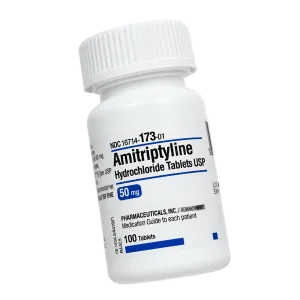
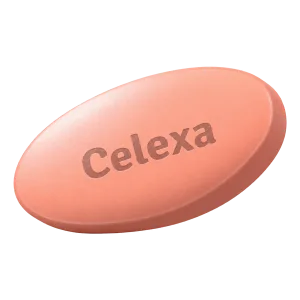
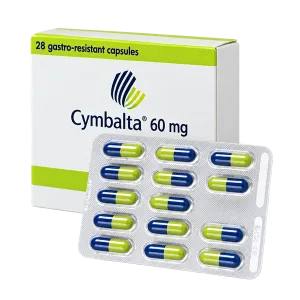
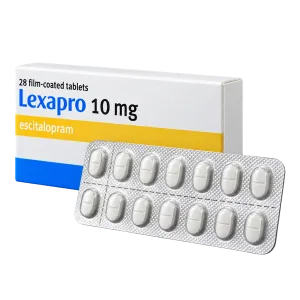
Prozac is the brand name for fluoxetine, Zoloft is the brand name for sertraline, and Lexapro is the brand name for escitalopram. Effexor is the brand name for venlafaxine. These medicines may all be used for depression, yet they differ in receptor activity, withdrawal patterns, appetite effects, sexual side effects, blood-pressure effects, and sedation.
| Treatment approach | Main pharmacology | Common clinical trade-off |
|---|---|---|
| Mirtazapine | Alpha-2 antagonism with 5-HT2, 5-HT3, and H1 receptor effects | Less sexual dysfunction for some patients, but more sedation and weight gain |
| SSRI | Serotonin reuptake inhibition | Often suitable for anxiety, but nausea, sexual dysfunction, and sleep changes may occur |
| SNRI | Serotonin and norepinephrine reuptake inhibition | May support energy and pain management, but can cause sweating, nausea, or increased blood pressure |
No antidepressant is universally preferable. Remeron may suit a patient with depression, poor sleep, and reduced appetite. SSRIs may be more suitable when anxiety is central and weight gain is a concern, while an SNRI may be selected when low energy or certain pain conditions are also present.
What doctors say
In clinical practice, doctors often judge Remeron by more than mood scores. Sleep continuity, morning alertness, appetite, weight, anxiety, suicidal thinking, and daily functioning all influence whether treatment is continued.
A psychiatrist may consider mirtazapine when depression occurs with insomnia or loss of appetite. The same properties can become disadvantages when the patient has obesity, metabolic disease, or a job requiring early-morning alertness. This is a treatment trade-off, not a simple ranking against SSRIs.
Doctors also watch the first weeks closely after an antidepressant is started or changed. Mood, agitation, impulsivity, and suicidal thinking can change before the full antidepressant response develops. Family members may notice behavioural changes earlier than the patient. Follow-up should assess mood, sleep, alertness, appetite, and weight. Any rapid worsening should be reported to the prescriber.
Patients should report a history of bipolar disorder before starting treatment. Antidepressants can precipitate mania or hypomania in susceptible people, especially when mood stabilisation has not been addressed.
Comparison
Common questions
Can Remeron affect driving, concentration, or work with machinery?
Yes. Remeron can cause drowsiness, dizziness, slowed reactions, and reduced concentration, especially after treatment begins or the dose changes. The FDA prescribing information from 2020 warns about impairment that may affect driving and other activities requiring alertness. The same practical rule remains appropriate: avoid driving and machinery until your individual response is clear.
Can Remeron be taken with food or on an empty stomach?
Remeron can generally be taken with or without food, and food does not meaningfully change its absorption. Taking it at the same time each evening may reduce missed doses and make sedation easier to predict. The NHS medicine guidance reviewed in 2025 also describes mirtazapine as a once-daily medicine that can be taken with or without food [3].
How long does one Remeron dose keep working?
A single dose is designed for once-daily use, while the antidepressant effect develops through regular treatment rather than one immediate dose. Sedation may occur during the first night, but improvement in depressive symptoms commonly takes several weeks. Pharmacokinetic information in the FDA label from 2020 indicates an elimination half-life of approximately 20 to 40 hours, which supports once-daily administration.
Can alcohol be used while taking Remeron?
Alcohol can intensify Remeron-related drowsiness, dizziness, impaired coordination, and poor judgement. The combination can be more hazardous when other sedatives, including diazepam or sleep medicines, are also present. NHS guidance reviewed in 2025 advises avoiding alcohol because it can worsen sleepiness and other adverse effects .
What should be discussed with a doctor before starting Remeron?
Discuss bipolar disorder, seizures, glaucoma, liver or kidney disease, diabetes, low blood pressure, pregnancy, breastfeeding, suicidal thoughts, and previous allergic reactions. Provide a complete list of antidepressants, MAO inhibitors, tramadol, diazepam, sleeping medicines, migraine treatments, and St. John’s wort. MOHAP guidance published in 2024 for medicine safety in the UAE supports sharing medical history and concurrent treatment before a prescription medicine is started [4].
Do you offer anonymous delivery?
Your order will be securely packed and shipped within 24 hours. This is exactly what your package will look like (images of an actual item sent). It has the size and look of a regular private letter (24x11x0.7 cm) and its contents cannot be seen.
Reviews: Remeron
Sleep improved during the first week, and the constant low mood became less intense after about a month. I gained weight because I was hungry at night, so my doctor and I changed the plan.
It helped me stay asleep, and I felt less overwhelmed during the day. Dry mouth was annoying at first, although it became manageable with water and sugar-free gum.
The sedation was too strong for my early shifts. I did not continue without discussing it, because I was struggling to concentrate at work and felt unsteady when standing.
Sources
- U.S. Food and Drug Administration (2020). Remeron (mirtazapine) Tablets Prescribing Information.
- European Medicines Agency (2023). Guideline on clinical investigation of medicinal products in the treatment of depression.
- National Health Service (2025). Mirtazapine: About mirtazapine.
- Ministry of Health and Prevention (MOHAP) (2024). Medication safety and responsible use of medicines.