Skip to content
Prozac
Active ingredient: Fluoxetine

Prozac

Quality products
24/7 Support
Fast delivery
Delivery from 4 days
Select pack Package Per unit Price

Free delivery on orders from AED 860.00, free express delivery from AED 1,290.00

Secure Payments
Track your order
Best price guarantee

Fluoxetine, the active ingredient of Prozac, is an SSRI antidepressant for adults with depression, obsessive-compulsive disorder, bulimia nervosa, and panic disorder. It increases serotonin signalling by inhibiting its reuptake, with clinical improvement commonly developing over 2–6 weeks.

Product information

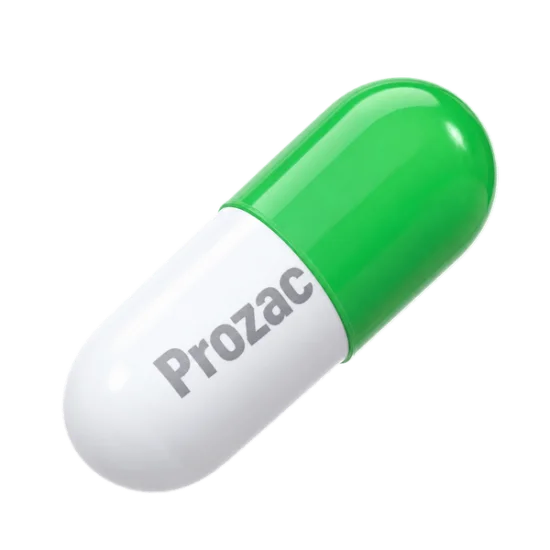
Prozac contains fluoxetine, a selective serotonin reuptake inhibitor (SSRI). Fluoxetine is the active pharmaceutical ingredient responsible for the medicine’s psychiatric effects.

Dosage and administration

The dose of Prozac is decided individually, taking age, other medicines, and health conditions into account. Capsules are taken orally, and the prescribed schedule should be followed without changing the amount or frequency independently.

Common clinical principles include:

  • Take the capsule at the prescribed time, with water.
  • Swallow the capsule whole unless a prescriber gives a different instruction.
  • Do not take extra capsules to compensate for a missed dose.
  • Treatment duration depends on the diagnosis, symptom response, relapse history, and adverse effects.
  • Antidepressant treatment often continues after initial improvement to reduce relapse risk.
  • Children, adolescents, older adults, and people with liver disease may require different clinical decisions.

When a dose is missed, the usual approach is to take it when remembered unless the next scheduled dose is near. Taking two doses close together can increase adverse effects. Because fluoxetine and norfluoxetine persist in the body, a single missed dose is less likely to cause an immediate withdrawal reaction than a missed dose of a short-acting antidepressant.

Do not stop Prozac suddenly without a planned treatment decision. Fluoxetine has a long half-life, so discontinuation symptoms may be less prominent than with some other SSRIs, but relapse, mood deterioration, irritability, sleep changes, or anxiety can still occur.

Keep a simple record of the dose time and early symptoms during the first weeks. This helps distinguish a missed dose from activation, insomnia, nausea, or a developing interaction.

Can Prozac be taken with food or on an empty stomach?

Fluoxetine capsules may generally be taken with food or without food, but taking them consistently can make gastrointestinal effects easier to interpret. Food does not remove the need to follow the prescribed timing or interaction restrictions. NICE's 2022 depression guidance supports reviewing tolerability and adherence when an antidepressant causes nausea, sleep disturbance, or other early problems [4].

What should I do after a missed Prozac dose?

Take the missed capsule when remembered unless the next scheduled dose is near; in that situation, skip the missed dose and resume the usual schedule. Do not double the dose, because extra fluoxetine can increase nausea, tremor, agitation, insomnia, or serotonin-related adverse effects. The FDA's 2023 product information recognises fluoxetine’s long persistence in the body, so one missed dose usually does not require replacement with two capsules [3].

Ingredients

Prozac contains fluoxetine, the active pharmaceutical ingredient. Fluoxetine is a selective serotonin reuptake inhibitor (SSRI) that increases serotonin signalling by inhibiting its reuptake. It is a prescription psychiatric medicine used under medical supervision for defined conditions.

How it affects the body

Fluoxetine binds to the serotonin transporter and reduces serotonin reuptake. This increases serotonin availability in the synaptic space. The change is biochemical from the first doses, while the improvement in depressive symptoms, compulsions, panic symptoms, or bulimia-related behaviours usually takes longer.

Neuroplasticity describes the brain’s ability to adjust connections and signalling patterns in response to experience. Changes in serotonin signalling may support longer-term adaptations in neural circuits involved in mood and anxiety.

The FDA prescribing information describes fluoxetine as an orally administered SSRI with effects that develop gradually rather than immediately [1].

Therapeutic indications

Prozac is used under psychiatric or medical supervision for several defined conditions. The approved indications depend on the applicable regulatory product information, while off-label prescribing requires an individual clinical rationale and monitoring.

The principal conditions associated with fluoxetine include:

  • Major Depressive Disorder, involving persistent low mood, loss of interest, changes in sleep or appetite, reduced energy, impaired concentration, or feelings of worthlessness.
  • Obsessive-Compulsive Disorder, involving intrusive thoughts, repetitive behaviours, or mental rituals that cause distress or interfere with daily life.
  • Bulimia Nervosa, where fluoxetine may reduce binge-eating and compensatory behaviours as part of a broader treatment plan.
  • Panic Disorder, involving recurrent panic attacks and concern or behavioural changes related to further attacks.

Fluoxetine is also discussed in clinical practice for conditions such as dysthymia, now commonly called persistent depressive disorder. Binge Eating Disorder, Body Dysmorphic Disorder, post-traumatic stress disorder, and generalized anxiety disorder may appear in off-label treatment discussions, but the evidence and regulatory status differ from the established indications above. These uses require a clinician to assess the diagnosis, alternatives, comorbidities, and safety profile.

The U.S. Food and Drug Administration approved Prozac for defined psychiatric indications, while the EMA evaluates medicines through European regulatory procedures. MOHAP provides the relevant national regulatory framework for medicines supplied in the United Arab Emirates.

Common mistakes

Several practical mistakes can reduce benefit or increase risk:

  • Stopping after a few days because the mood has not improved yet.
  • Taking the capsule late at night after it causes activation or insomnia.
  • Doubling the next dose after forgetting one.
  • Combining fluoxetine with an MAOI, tramadol, linezolid, lithium, or serotonergic supplements without checking the interaction.
  • Treating increased energy as recovery when it is actually emerging hypomania or mania.
  • Expecting Prozac to provide immediate relief during a panic episode.
  • Hiding sexual adverse effects, appetite changes, or suicidal thoughts during follow-up.
  • Starting and stopping treatment repeatedly without a structured plan.

A frequent misunderstanding involves the long half-life. Missing one dose does not justify taking several capsules together, and stopping fluoxetine does not remove interaction risk immediately.

Another mistake is confusing reduced appetite with a treatment goal. Prozac is not prescribed as a general weight-loss product. In bulimia nervosa, treatment focuses on the diagnosed eating disorder and includes psychological and nutritional care.

When not to use it

Prozac is not suitable for everyone. It is not for you if you are currently taking an MAOI, have recently stopped an MAOI without observing the required treatment interval, or have previously experienced a serious allergic reaction to fluoxetine.

Specific situations requiring medical evaluation include:

  • Bipolar disorder or previous mania, because an antidepressant can trigger mood elevation or rapid mood changes.
  • Epilepsy or a lowered seizure threshold.
  • Severe liver impairment, which may alter fluoxetine clearance.
  • A history of significant bleeding or concurrent anticoagulant treatment.
  • Narrow-angle glaucoma or increased risk of raised intraocular pressure.
  • Pregnancy, planned pregnancy, or breastfeeding, where benefits and neonatal considerations need assessment.
  • Use of tamoxifen, because fluoxetine can inhibit CYP2D6 and may reduce formation of active tamoxifen metabolites.
  • Use of medicines that affect heart rhythm or increase serotonin.

MAOIs must not be combined with fluoxetine. A sufficient washout interval is required between the two treatments, and the interval may need to be longer before starting an MAOI after fluoxetine because norfluoxetine remains in the body.

When this is not for you

Alcohol can worsen impaired judgement, sleep disruption, dizziness, or mood instability. Avoiding alcohol is the safer choice during treatment, especially during dose changes or when sedation, agitation, or impulsive behaviour develops.

Before starting Prozac, prepare a complete list of prescription medicines, pain medicines, migraine treatments, supplements, and recreational substances. Interaction risk often comes from a medicine used only occasionally.

Possible side effects

Common early adverse effects include nausea, loose stools, headache, anxiety, restlessness, tremor, sweating, dry mouth, reduced appetite, sleep disturbance, and sexual dysfunction. Some symptoms improve during the first weeks, while others persist and require a treatment review.

Fluoxetine may cause activation. A person who feels unusually driven, unable to sit still, or unable to sleep may need prompt clinical assessment, especially if symptoms intensify. Antidepressants can also worsen suicidal thinking in some children, adolescents, and young adults during early treatment or dose changes. New suicidal thoughts, severe agitation, or dangerous impulsivity require urgent medical attention.

Serotonin syndrome is a potentially serious reaction caused by excessive serotonergic activity. Symptoms may include:

  • Agitation, confusion, or unusual restlessness
  • Sweating, fever, shivering, or rapid heartbeat
  • Tremor, muscle stiffness, twitching, or exaggerated reflexes
  • Diarrhoea, vomiting, or marked changes in blood pressure
  • Loss of coordination or reduced consciousness

Severe symptoms require emergency care. Serotonin syndrome can occur after combining serotonergic medicines, including MAOIs, some other antidepressants, linezolid, lithium, tramadol, certain migraine medicines, and products containing serotonergic herbal ingredients.

Sexual adverse effects can include reduced libido, delayed orgasm, or difficulty reaching orgasm. They may be overlooked if the patient focuses only on mood improvement. A persistent sexual problem should be discussed as a treatment issue rather than silently tolerated.

Tell every prescriber that fluoxetine was taken recently, even if the last capsule was several days ago. Its long half-life can affect the timing of MAOI treatment and other serotonergic medicines.

Fluoxetine may also increase bleeding risk when combined with anticoagulants, antiplatelet medicines, or frequent non-steroidal anti-inflammatory drug use. Hyponatraemia is more likely in older adults and people taking diuretics. Seizures, severe allergic reactions, abnormal bleeding, fainting, or manic symptoms need urgent assessment.

Comparison

Prozac belongs to the SSRI class. Its pharmacological profile differs from tricyclic antidepressants, monoamine oxidase inhibitor (MAOI) antidepressants, serotonin-norepinephrine reuptake inhibitors (SNRIs), and sedating antidepressants such as trazodone.

Treatment class Main pharmacological feature Practical distinction
Fluoxetine and other SSRIs Reduce serotonin reuptake Often selected for depressive and anxiety-spectrum disorders; gastrointestinal and sleep-related effects can occur
Tricyclic antidepressants, such as imipramine Affect serotonin and norepinephrine with additional receptor actions More anticholinergic, cardiovascular, and overdose-related concerns
SNRIs, MAOIs, and trazodone Affect serotonin with norepinephrine, enzyme inhibition, or receptor-level actions Selection depends on symptoms, interactions, blood pressure, sleep, and previous treatment response

SSRIs generally have more targeted pharmacology than older tricyclic antidepressants. Imipramine can be useful in selected cases, yet dry mouth, constipation, blurred vision, urinary difficulty, orthostatic hypotension, cardiac effects, and sedation can limit treatment.

MAOIs require strict interaction management because combining them with serotonergic medicines can cause serotonin toxicity. Trazodone may cause more sedation and postural dizziness, while SNRIs can affect blood pressure and may cause nausea or activation.

Fluoxetine is not automatically the best SSRI for every patient. Its activating profile may suit someone with low energy but may worsen early restlessness or insomnia. Its long half-life can be useful when adherence is inconsistent, yet it also means that interactions may continue after the last capsule.

What doctors say

In clinical practice, doctors usually assess sleep, appetite, energy, anxiety, compulsions, panic frequency, suicidal thinking, substance use, and previous antidepressant response before selecting fluoxetine. A symptom diary can make the first follow-up more useful than relying on a general impression of feeling better or worse. It can track sleep, appetite, anxiety, and mood changes. It can also record missed doses and possible adverse effects. These observations help the clinician compare early tolerability with symptom response. They may support a safer decision about continuing, adjusting, or changing treatment.

A psychiatrist may explain that the first treatment target is often functional improvement rather than an immediate change in mood. Better sleep regularity, fewer panic episodes, less time spent on rituals, or improved ability to complete daily tasks can appear before full remission.

Fluoxetine should not be judged after only a few days unless severe adverse effects develop. The clinician may adjust the treatment plan after reviewing adherence, tolerability, diagnosis, and interacting medicines. For OCD, the review may require more time than for some depressive symptoms.

Mania requires a different treatment approach. Reduced need for sleep, racing thoughts, unusually rapid speech, grandiosity, reckless spending, or intense irritability should be reported promptly.

Comparison

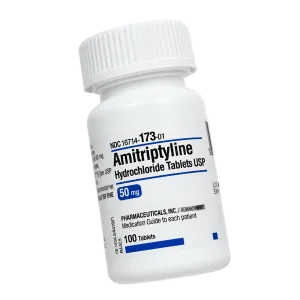
Amitriptyline

Active ingredient: Amitriptyline
50mg
From AED 546.10
pills
3.5 (3)

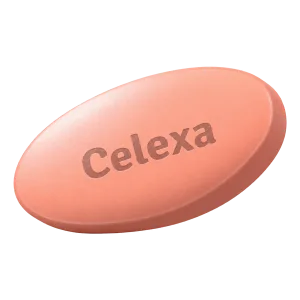
Celexa

Active ingredient: Citalopram
20mg 10mg
From AED 348.30
pills
3.6 (5)

Cymbalta

Active ingredient: Duloxetine
20mg 30mg 40mg 60mg
From AED 374.10
pills
3.9 (4)

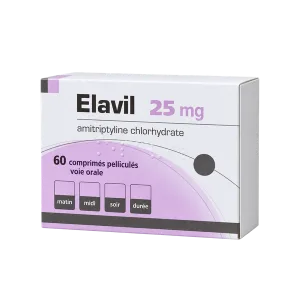
Elavil

Active ingredient: Amitriptyline
25mg 50mg 75mg 10mg
From AED 352.60
pills
4.1 (4)

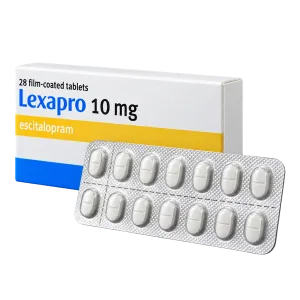
Lexapro

Active ingredient: Escitalopram
10mg 20mg 5mg
From AED 339.70
pills
3.5 (3)

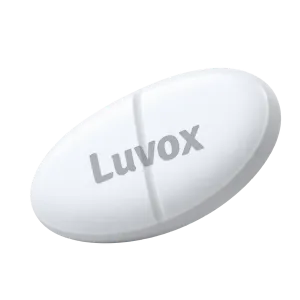
Luvox

Active ingredient: Fluvoxamine
100mg 50mg
From AED 490.20
pills
3.6 (5)

Comparison table: Antidepressants

Common questions

Which symptoms mean stopping Prozac and seeking urgent medical help?

Urgent assessment is needed for suicidal thoughts, severe agitation, confusion, fever, muscle stiffness, marked tremor, fainting, seizure, facial swelling, breathing difficulty, or symptoms of mania. The FDA's 2023 antidepressant safety information and serotonin-toxicity warnings support prompt evaluation for these reactions [2]. Do not take another dose while awaiting urgent medical advice if a severe allergic reaction or serotonin syndrome is suspected.

What should I do after a missed Prozac dose?

Take the missed capsule when remembered unless the next scheduled dose is near; in that situation, skip the missed dose and resume the usual schedule. Do not double the dose, because extra fluoxetine can increase nausea, tremor, agitation, insomnia, or serotonin-related adverse effects. The FDA's 2023 product information recognises fluoxetine’s long persistence in the body, so one missed dose usually does not require replacement with two capsules [3].

Can Prozac be taken with food or on an empty stomach?

Fluoxetine capsules may generally be taken with food or without food, but taking them consistently can make gastrointestinal effects easier to interpret. Food does not remove the need to follow the prescribed timing or interaction restrictions. NICE's 2022 depression guidance supports reviewing tolerability and adherence when an antidepressant causes nausea, sleep disturbance, or other early problems [4].

Which condition rules out Prozac?

Current treatment with an MAOI rules out starting Prozac because the combination can cause severe serotonin toxicity. A recent MAOI course may also require a clinician-directed washout interval before fluoxetine begins, and fluoxetine’s long half-life affects the timing of any later MAOI treatment. The WHO's 2016 mhGAP Intervention Guide identifies antidepressant safety, interaction assessment, and monitoring as part of responsible care for depression and related conditions [5].

Can a Prozac capsule be split, crushed, or chewed?

Capsules should be swallowed whole with water unless a prescriber or dispensing pharmacist gives a specific alternative. Do not split, crush, or chew the capsule, because the contents are not intended to be measured by eye or redistributed into another dose. The FDA's 2023 prescribing information identifies the capsule as an oral dosage form and supports using it only as directed.

Do you offer anonymous delivery?

Your order will be securely packed and shipped within 24 hours. This is exactly what your package will look like (images of an actual item sent). It has the size and look of a regular private letter (24x11x0.7 cm) and its contents cannot be seen.

Reviews: Prozac

3.5
Based on 4 reviews
Ahmed C., 53 Abu Dhabi About five weeks
Verified
Rating: 3.5 out of 5

The first ten days brought nausea and lighter sleep. By the fourth week, I was handling work conversations more calmly, although I still needed help with early-morning waking.

10 Oct 2026
Cristina, 39 Al Majaz Several months
Verified
Rating: 4 out of 5

My panic attacks became less frequent after the first month. I disliked the restlessness during week two, and taking it earlier helped. The improvement was gradual rather than dramatic.

19 Oct 2026
Adnan, 61 Kalba A short period
Verified
Rating: 2.5 out of 5

I felt more agitated and had very little appetite. I did not continue after discussing it with my doctor, because the early reaction outweighed the benefit I had noticed.

24 Oct 2026
Hessa, 45 Al Qusais Several weeks
Verified
Rating: 4 out of 5

The compulsive checking took less time after several weeks. I still had intrusive thoughts, so I learned that the medicine reduced the intensity rather than removing every symptom.

6 Nov 2026

Sources

  1. U.S. Food and Drug Administration (2023). PROZAC (fluoxetine hydrochloride) capsules prescribing information.
  2. U.S. Food and Drug Administration (2023). Antidepressant Use in Children, Adolescents, and Young Adults: Medication Guide and Safety Information.
  3. U.S. Food and Drug Administration (2023). Fluoxetine hydrochloride: prescribing information and medication guide.
  4. National Institute for Health and Care Excellence (2022). Depression in adults: treatment and management.
  5. World Health Organization (2016). mhGAP Intervention Guide for mental, neurological and substance use disorders in non-specialized health settings.
Get our free app Shop faster and track your orders 3.9 · 576 reviews Install