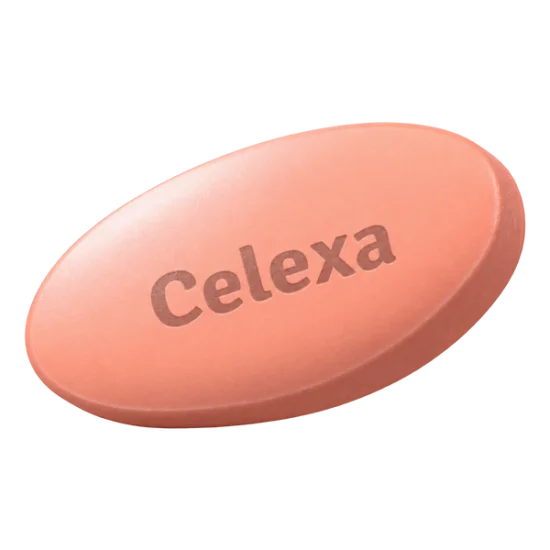
I used Celexa for several months after a prolonged depressive period. The first week brought nausea and lighter sleep, but eating breakfast before the tablet helped. My mood improved gradually rather than suddenly.
Adults diagnosed with major depressive disorder may be prescribed Celexa to help relieve persistent low mood, loss of interest, and related symptoms. Celexa contains citalopram, an SSRI that increases serotonin signalling in the brain.
Product information
Celexa is the brand name used for citalopram, an antidepressant in the selective serotonin reuptake inhibitor class. Citalopram is used mainly for major depressive disorder, where symptoms may include depressed mood, reduced motivation, sleep changes, appetite changes, poor concentration, and loss of pleasure.
Dosage and administration
Celexa tablets are taken by mouth, usually once daily, with or without food. The prescribed dose is decided individually, taking age, other medicines, and health conditions into account. The dose may be adjusted gradually when the response or tolerability requires a change.
Key administration principles include:
- Take the tablet at the prescribed time each day.
- Swallow it with water.
- Keep the daily schedule consistent.
- Do not take extra tablets after a missed dose unless specifically instructed.
- If a dose is missed and the next scheduled dose is near, follow the missed-dose plan provided by the prescriber rather than doubling.
- Do not stop suddenly after regular use; discontinuation symptoms can include dizziness, irritability, sensory disturbances, sleep problems, and flu-like feelings.
Citalopram treatment may continue for months after mood improves because stopping too early increases the chance of relapse. Duration depends on the diagnosis, the number of previous depressive episodes, response, and recurrence risk.
One practical detail is easy to miss: nausea often improves when the tablet is taken with a light meal, although citalopram can be taken with or without food. Alcohol can worsen sleep disruption, dizziness, impaired judgement, and depressive symptoms.
Ingredients
Celexa contains citalopram, an antidepressant in the selective serotonin reuptake inhibitor (SSRI) class. Citalopram is used mainly for major depressive disorder and may also be prescribed for anxiety or panic symptoms when a clinician considers it suitable. It increases serotonin signalling in the brain.
How it affects the body
Citalopram blocks the serotonin transporter on nerve cells. This reduces the reuptake of serotonin from the synaptic space, leaving more serotonin available to communicate with nearby neurons. Serotonin contributes to mood regulation, emotional processing, sleep, appetite, and stress responses.
The pharmacological effect begins after administration, but symptom improvement takes longer. The brain gradually adapts to altered serotonin signalling, which explains why consistent treatment is needed for several weeks before the full benefit can be judged.
Citalopram is more selective for serotonin reuptake than antidepressants that also act strongly on noradrenaline, histamine, or muscarinic receptors. This selectivity can reduce some older antidepressant effects, such as marked sedation or anticholinergic symptoms, though nausea, sexual dysfunction, sleep changes, and emotional blunting can still occur.
The European Medicines Agency has highlighted dose-related cardiac safety considerations with citalopram, including QT-interval prolongation in susceptible patients [2].
Therapeutic indications
Celexa may be prescribed for:
- Major depressive disorder.
- Persistent depressive symptoms requiring an SSRI.
- Anxiety or panic symptoms when a clinician judges citalopram suitable.
- Certain anxiety disorders through clinical practice, where use may be off-label.
Citalopram may reduce persistent anxiety and decrease the frequency or severity of panic attacks when used under clinical supervision. These uses may be off-label depending on the diagnosis and jurisdiction. A clinician may select an SSRI when anxiety coexists with depression, since treating both symptom groups can simplify the treatment plan.
Food and Drug Administration recognises citalopram for major depressive disorder, while psychiatric guidelines also discuss SSRIs as first-line options for several anxiety-related conditions [1].
Common mistakes
Several avoidable errors can reduce benefit or increase risk:
- Stopping as soon as mood improves.
- Doubling the next dose after a missed tablet.
- Increasing the dose because improvement feels slow.
- Combining Celexa with another antidepressant without a planned transition.
- Using tramadol, St John’s wort, or recreational substances without checking interaction risk.
- Assuming alcohol is harmless because it is not a prescription medicine.
- Failing to report fainting, palpitations, or a history of long-QT syndrome.
- Describing sexual side effects as unrelated or too embarrassing to mention.
- Taking irregular doses on weekdays and skipping them on weekends.
One practical observation from prescribing practice is that people often report “the medicine stopped working” when the real problem is irregular dosing. A medication diary can reveal missed tablets, late doses, and changes in alcohol or sleep that affect symptoms.
When not to use it
Celexa is not suitable for everyone. It is not for you if you are taking an MAOI, have recently stopped one, or have a known serious reaction to citalopram or one of its ingredients. The required interval between an MAOI and citalopram depends on the medicines involved and must be set by a prescriber.
Medical history requiring disclosure includes:
- Bipolar disorder, mania, hypomania, or a family history of bipolar illness.
- Previous suicide attempts or severe suicidal thoughts.
- A history of irregular heartbeat, fainting, congenital long-QT syndrome, or other heart disease.
- Low potassium or magnesium.
- Liver disease.
- Kidney disease.
- Seizures.
- Glaucoma, especially angle-closure glaucoma.
- Bleeding disorders or previous gastrointestinal bleeding.
- Pregnancy, planned pregnancy, or breastfeeding.
- Use of aspirin, ibuprofen, anticoagulants, antiplatelet medicines, or herbal products that may increase bleeding.
Possible side effects
Common early effects of citalopram may include nausea, dry mouth, sweating, headache, loose stools, constipation, fatigue, sleepiness, insomnia, and changes in appetite. Sexual side effects can include reduced desire, delayed orgasm, or difficulty reaching orgasm. Some effects lessen during the first weeks, while others persist during continued treatment.
The FDA prescribing information lists dose-related concerns involving QT prolongation, a change in the heart’s electrical recovery cycle. The risk is greater in people with certain heart conditions, low potassium or magnesium, bradycardia, or concurrent use of other QT-prolonging medicines [3].
Seek urgent medical care for:
- Fainting or near-fainting.
- A fast or irregular heartbeat.
- Severe chest discomfort.
- High fever, marked sweating, muscle rigidity, confusion, or severe agitation.
- Facial swelling, wheezing, widespread rash, or difficulty breathing.
- New suicidal thoughts or dangerous impulsivity.
Serotonin syndrome can occur when serotonergic medicines are combined. Warning signs include agitation, tremor, sweating, diarrhoea, fever, muscle stiffness, confusion, and loss of coordination. The combination of an SSRI with an MAOI, certain migraine medicines, tramadol, linezolid, lithium, or other serotonergic agents needs careful medical review.
One detail patients often overlook is that sexual side effects may appear after mood improves. They should be reported directly because several management options exist, including dose review or a planned change of treatment.
Comparison
Citalopram belongs to the SSRI group. Other antidepressants may work through serotonin, noradrenaline, dopamine, or several receptor systems. The preferred option depends on symptoms, previous treatment response, medical history, interaction risk, and side-effect priorities.
| Treatment approach | Main pharmacological feature | Practical distinction |
|---|---|---|
| Citalopram | Selective serotonin reuptake inhibition | Often considered when an SSRI approach suits the clinical picture |
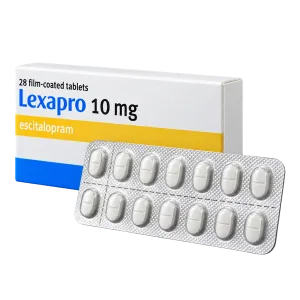
| Escitalopram | The active S-enantiomer related to citalopram | May be selected when a clinician wants a closely related SSRI option |
| Serotonin–noradrenaline reuptake inhibition | Increases serotonin and noradrenaline signalling | May be considered when low energy, pain symptoms, or incomplete SSRI response influence the plan |
Citalopram and escitalopram are closely related chemically, yet their prescribing decisions are not interchangeable. A switch requires a planned schedule because abrupt changes can produce withdrawal symptoms or excessive serotonergic effects.
Patients who develop sexual dysfunction, persistent insomnia, emotional flattening, or troublesome gastrointestinal symptoms may need a medication review. A different antidepressant class can offer a different trade-off, but every alternative has its own contraindications and interaction profile.
What doctors say
In clinical practice, doctors usually judge Celexa by symptom change, functioning, sleep, adverse effects, and safety rather than by mood on one particular day. A useful review asks whether concentration, appetite, motivation, anxiety, and daily activity have changed over time.
Psychiatrists also screen for bipolar symptoms before prescribing an antidepressant. An antidepressant used alone in someone with unrecognised bipolar disorder may aggravate mood elevation or rapid mood changes. The treatment plan may need a mood-stabilising approach instead.
A physician may continue treatment after remission when the person has recurrent depression or a high relapse risk. The aim is to maintain recovery, not simply to remove the most visible symptoms for a few days.
Celexa is not a rescue treatment for an acute suicidal crisis. Crisis care is urgent. New suicidal thinking, severe agitation, or sudden behavioural change needs immediate assessment, especially during the early treatment phase or after a dose adjustment.
Comparison
Common questions
Can Celexa be used during pregnancy or breastfeeding?
Pregnancy and breastfeeding require an individual risk–benefit assessment before citalopram is started, continued, or stopped. The FDA and specialist perinatal guidance recognise that untreated depression also affects maternal and infant health, so abrupt discontinuation is not automatically the safest choice. Newborn adaptation symptoms and rare persistent pulmonary hypertension have been considered in SSRI safety reviews, while breastfed infants should be observed for feeding or unusual sleep changes. Discuss pregnancy plans with the prescriber before changing Celexa; the World Health Organization continues to support balanced, evidence-based mental-health care in the 2025 guidance framework. The decision is individual.
What is the best time of day to take Celexa?
Celexa is usually taken once daily at a consistent time, with or without food. Morning administration may suit people who experience insomnia or increased alertness, while evening administration may suit those who feel sleepy after the tablet. The FDA citalopram label, revised in 2014, supports once-daily oral administration, while the final timing should reflect the person’s response and daily routine. Changing the time repeatedly can make side effects harder to interpret.
Can alcohol be used while taking Celexa?
Alcohol can increase dizziness, sleepiness, impaired coordination, and poor judgement during citalopram treatment. It may also worsen sleep quality and depressive symptoms, even when it does not produce an immediate dramatic reaction. The National Institute on Alcohol Abuse and Alcoholism has described alcohol as a factor that can complicate depression treatment and adherence in its 2024 clinical resources. Avoiding alcohol is the safer approach when starting Celexa or after a dose change.
Which concrete condition rules out Celexa?
Concurrent use of an MAOI rules out starting Celexa until the required washout period has passed. A history of congenital long-QT syndrome or serious rhythm disturbance can also make citalopram unsuitable because of QT-prolongation risk. The EMA product information from 2011 identifies these cardiac and interaction concerns, with added caution for medicines that alter heart rhythm. A prescriber should also assess bipolar disorder before using an antidepressant.
How soon does the effect of Celexa become noticeable?
Some early changes in sleep, appetite, or anxiety may appear during the first one to two weeks, while mood improvement often becomes clearer after two to four weeks. Full response can take longer, especially when depression has been present for a long period or symptoms are severe. NICE antidepressant guidance from 2022 recommends assessing response and tolerability rather than judging treatment after only a few days. Worsening suicidal thoughts or severe agitation requires urgent help at any point.
Is Celexa suitable for older adults?
Older adults may use citalopram, but age-related changes in metabolism, heart rhythm, sodium balance, kidney function, and liver function affect treatment selection. Lower exposure targets and closer monitoring may be needed, especially when other medicines are present. The American Geriatrics Society Beers Criteria published in 2023 highlights risks such as hyponatraemia, falls, bleeding, and QT-related concerns with selected medicines in older people. New confusion, unsteadiness, fainting, or unusual weakness should be reported promptly.
Do you offer anonymous delivery?
Your order will be securely packed and shipped within 24 hours. This is exactly what your package will look like (images of an actual item sent). It has the size and look of a regular private letter (24x11x0.7 cm) and its contents cannot be seen.
Reviews: Celexa
I noticed less panic after a few weeks, although the early restlessness made me question the treatment. My doctor adjusted the timing, and I found morning dosing easier than taking it late at night.
Celexa helped me return to ordinary routines, including shopping and meeting relatives. Dry mouth and reduced sexual interest continued, so the treatment was useful but not free from drawbacks.
I missed doses during a busy week and felt dizzy and irritable afterward. Keeping the tablets beside my morning water made the schedule more reliable.
My sleep and concentration improved after several weeks. I still had occasional nausea and avoided alcohol because it made tiredness and low mood worse.
Sources
- U.S. Food and Drug Administration (2014). Celexa (citalopram hydrobromide) Prescribing Information
- European Medicines Agency (2011). Citalopram and escitalopram: QT interval prolongation
- U.S. Food and Drug Administration (2012). FDA Drug Safety Communication: Revised recommendations for Celexa related to abnormal heart rhythms