Skip to content
Luvox
Active ingredient: Fluvoxamine

Luvox

Quality products
24/7 Support
Fast delivery
Delivery from 4 days
Select pack Package Per unit Price

Free delivery on orders from AED 860.00, free express delivery from AED 1,290.00

Secure Payments
Track your order
Best price guarantee

Fluvoxamine, the active ingredient associated with Luvox, is a selective serotonin reuptake inhibitor used in psychiatric care. Luvox tablets are prescribed mainly for obsessive-compulsive disorder and, in some treatment settings, social anxiety disorder.

Product information

Luvox is a psychiatric medicine containing fluvoxamine, supplied as fluvoxamine maleate in tablet formulations. It belongs to the selective serotonin reuptake inhibitor (SSRI) class.

Dosage and administration

Luvox is supplied as tablets. The amount taken at each intake is selected individually rather than being one fixed number for every person. Prescribers usually consider the condition being treated, age, liver function, other medicines, previous SSRI exposure, and sensitivity to adverse effects.

General administration principles include:

  • Take the tablet at the prescribed time each day.
  • Swallow it with water unless the prescriber gives different instructions.
  • Keep the timing consistent to reduce missed doses.
  • Do not take two doses together after a missed dose unless specifically instructed.
  • Do not stop suddenly after regular use.
  • Avoid changing the tablet by crushing or chewing unless the prescriber or dispensing instructions expressly allow it.
Formulation feature Practical meaning Main caution
Tablet Oral administration with water Use the individual regimen selected by the prescriber
Immediate-release formulation The active substance is released without a prolonged-release design Timing may need to be consistent
Modified-release formulation Release occurs over a longer period when that formulation is prescribed Do not crush or chew unless authorised

The product-specific regimen should remain stable until the prescriber changes it. Increasing the amount because symptoms have not improved quickly can raise the risk of nausea, agitation, sleep disturbance, and other adverse effects without producing faster benefit.

A missed dose should be handled according to the timing of discovery and the prescriber’s instructions. Taking an extra tablet to compensate can increase adverse effects. If several doses have been missed, restarting at the previous amount may not always be appropriate, especially after a longer interruption.

Do not judge fluvoxamine by the first few days alone. Early nausea or sleep disruption can occur before the therapeutic response develops, while abrupt changes in the regimen can create avoidable withdrawal symptoms.

Ingredients

Luvox belongs to the antidepressant class known as selective serotonin reuptake inhibitors, or SSRIs. Its active pharmaceutical substance is fluvoxamine, supplied as fluvoxamine maleate in tablet formulations. Fluvoxamine maleate tablets act on serotonergic signalling in the central nervous system rather than producing sedation through general central nervous system depression.

Fluvoxamine is the generic name associated with Luvox. The medicine is used within structured psychiatric treatment plans, where the prescriber evaluates symptoms, previous treatment response, coexisting conditions, and interaction risks.

Active ingredient profile

Fluvoxamine blocks the serotonin transporter, which normally removes serotonin from the space between neurons. This action increases serotonin availability for signalling. The clinical effect develops gradually, so a single tablet does not provide an immediate calming response.

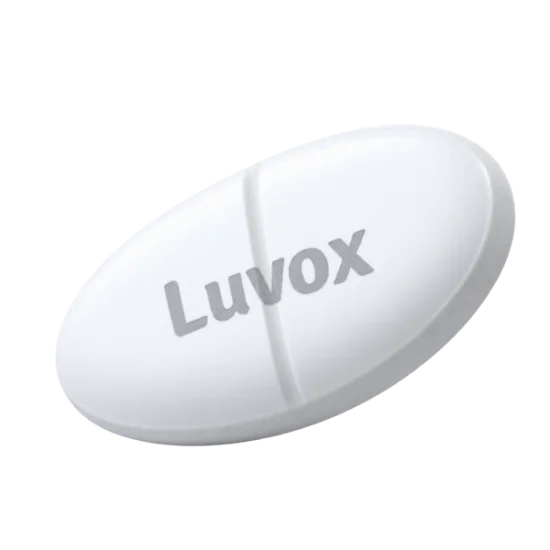
The tablet should be swallowed as directed for the prescribed formulation. Crushing, chewing, or changing the tablet’s physical form can alter how the dose is released.

A practical detail patients often miss: fluvoxamine can cause nausea at the beginning of treatment, and taking the tablet with a light meal may make the first weeks easier for some people.

How it affects the body

Serotonin is a chemical messenger involved in mood regulation, anxiety processing, sleep, appetite, and behavioural flexibility. After serotonin crosses the synaptic gap between neurons, a transporter normally carries part of it back into the releasing nerve cell.

  • A nerve cell releases serotonin into the synaptic space.
  • The serotonin transporter begins returning serotonin to the releasing cell.
  • Fluvoxamine reduces transporter activity.
  • Serotonin remains available for longer.
  • Downstream serotonergic signalling gradually changes.

The U.S. Food and Drug Administration describes fluvoxamine as an SSRI with activity on the serotonin transporter rather than a broad sedative mechanism [2].

Keep a short symptom record during dose changes. Recording intrusive-thought time, compulsive rituals, avoidance, sleep, and adverse effects gives the prescriber more useful information than a general impression that the medicine is “better” or “worse.”

Therapeutic indications

Fluvoxamine maleate tablets are primarily used for obsessive-compulsive disorder, commonly abbreviated as OCD. OCD involves recurrent intrusive thoughts, repetitive urges, or compulsive behaviours that consume time and cause distress. Treatment plans often combine an SSRI with exposure and response prevention, a specialised form of cognitive behavioural therapy.

Luvox may also be prescribed for social anxiety disorder in clinical settings where fluvoxamine is considered appropriate. Social anxiety disorder involves marked fear of scrutiny, embarrassment, or negative evaluation. The medicine does not remove social concerns instantly; improvement usually involves gradual changes in avoidance, anticipatory anxiety, and physical symptoms.

Mental health treatment is individualised. A psychiatrist may continue the medicine when symptoms are improving, adjust the regimen when response is limited, or combine pharmacotherapy with structured psychotherapy. NICE guidance for OCD supports SSRIs as an established pharmacological option, with treatment duration and follow-up matched to symptom severity [1].

Common mistakes

Several practical errors can reduce benefit or increase risk:

  • Stopping after a few days because nausea or restlessness appeared.
  • Increasing the amount without waiting for the planned review.
  • Taking an extra tablet after a missed dose.
  • Combining fluvoxamine with tramadol, linezolid, or serotonergic supplements without checking the interaction.
  • Crushing or chewing a tablet when the formulation requires swallowing whole.
  • Failing to mention occasional medicines, including migraine treatments or sleep aids.
  • Assuming that sexual adverse effects must simply be tolerated.
  • Stopping abruptly after symptoms improve.

A frequent mistake is judging success only by mood. For OCD, useful measures include time spent on rituals, distress when resisting a compulsion, avoidance, reassurance-seeking, and the ability to complete ordinary tasks.

When not to use it

This medication is not suitable for everyone. Specific situations require avoidance, specialist supervision, or a clearly documented risk-benefit assessment.

  • You are taking an MAOI or have recently stopped one without an appropriate washout period.
  • You have previously experienced a serious allergic reaction to fluvoxamine or one of its formulation components.
  • You are taking thioridazine because of the potential for dangerous cardiac effects.
  • You use ramelteon without a prescriber specifically managing the interaction.
  • You are combining several serotonergic medicines without medical supervision.
  • You have a history of bipolar disorder and are experiencing possible mania, such as unusually high energy, very little sleep, racing thoughts, or risky behaviour, without psychiatric review.

Extra caution is needed with epilepsy, liver disease, bleeding disorders, glaucoma, low sodium, bipolar disorder, and a history of severe reactions to antidepressants. Older adults may be more vulnerable to low sodium, falls, confusion, and interaction-related adverse effects.

Pregnancy and breastfeeding require an individual assessment. Fluvoxamine passes into breast milk, so the infant may need monitoring for poor feeding, unusual sleepiness, irritability, or other changes. The decision depends on psychiatric relapse risk, previous treatment response, alternative options, and infant health.

When this is not for you

This medication is not for you if:

  • You are taking an MAOI or have recently stopped one without an appropriate washout period.
  • You have previously experienced a serious allergic reaction to fluvoxamine or one of its formulation components.
  • You are taking thioridazine because of the potential for dangerous cardiac effects.
  • You use ramelteon without a prescriber specifically managing the interaction.
  • You are combining several serotonergic medicines without medical supervision.
  • You have a history of bipolar disorder and are experiencing possible mania, such as unusually high energy, very little sleep, racing thoughts, or risky behaviour, without psychiatric review.

Do not combine fluvoxamine with alcohol until its effect on alertness and coordination is understood. Alcohol can worsen sedation and impair judgement.

Before treatment begins, write down every medicine and supplement taken in the previous week, including occasional pain relievers and sleep products. This often identifies interaction risks that are missed when only daily prescriptions are discussed.

Possible side effects

Common SSRI-related adverse effects include nausea, diarrhoea, dry mouth, headache, sweating, tremor, sleep disturbance, fatigue, and changes in sexual function. Some people experience reduced appetite or increased nervousness during the early treatment period. These effects may lessen as the body adapts, though persistent or troublesome symptoms require a treatment review.

Fluvoxamine can also affect alertness. Drowsiness may make driving or operating machinery unsafe, while restlessness or insomnia can disrupt daily functioning. Alcohol may worsen sedation, impaired judgement, or sleep problems.

Seek urgent medical attention for symptoms suggesting serotonin syndrome, such as:

  • Agitation, confusion, or rapidly changing mental status.
  • Heavy sweating, fever, shivering, or marked temperature elevation.
  • Muscle rigidity, twitching, clonus, or exaggerated reflexes.
  • Fast heartbeat, unstable blood pressure, or faintness.
  • Vomiting or diarrhoea combined with neuromuscular symptoms.

Serotonin syndrome is more likely when fluvoxamine is combined with other serotonergic substances. It can progress quickly and requires prompt assessment. The FDA prescribing information also warns about suicidal thoughts and behavioural changes in younger people starting antidepressant treatment or undergoing dose changes [3].

Sexual adverse effects can include reduced desire, delayed orgasm, or difficulty reaching orgasm. Patients sometimes stop treatment silently because of this problem. That can lead to symptom relapse; the prescriber can consider timing, dose adjustment, or another treatment strategy.

If insomnia appears after starting treatment, record the exact time of the tablet and the time sleep became difficult. A timing change may help in some cases, but it should be agreed with the prescriber rather than improvised.

Comparison

Luvox is an SSRI. Other treatment approaches for OCD or social anxiety may use a different SSRI, a serotonin-noradrenaline reuptake inhibitor, or psychotherapy without a medicine. Selection depends on diagnosis, previous response, interaction risks, and tolerability.

Treatment approach Main therapeutic feature Common limitation
Fluvoxamine Increases serotonergic signalling through serotonin reuptake inhibition Interaction burden can be clinically significant
Another SSRI Uses the same broad class mechanism with a different interaction and tolerability profile Response varies between individuals
Exposure and response prevention Reduces compulsive rituals and avoidance through structured behavioural work Requires regular participation and can feel difficult initially

Fluvoxamine may be considered when an SSRI is appropriate and the prescriber accepts its interaction profile. A different SSRI may be preferred when the person uses medicines affected by fluvoxamine’s enzyme inhibition. Exposure and response prevention remains a central treatment option for OCD, either alone in selected cases or alongside pharmacotherapy.

One limitation deserves emphasis: fluvoxamine can inhibit several hepatic enzymes, including CYP1A2 and CYP2C19. This gives it a wider interaction profile than some other SSRIs. The benefit of symptom control must be balanced against the person’s complete medicine list.

What doctors say

In clinical practice, psychiatrists generally set modest early expectations. The first target may be fewer compulsive rituals or less time spent ruminating, rather than complete symptom disappearance. Progress is often clearer when behaviour, avoidance, sleep, and functioning are tracked separately.

A physician also evaluates whether activation is appearing. New agitation, marked irritability, unusually reduced sleep, impulsive behaviour, or suicidal thinking after starting or increasing an antidepressant requires prompt clinical review.

Consistency matters because irregular dosing can create fluctuating adverse effects and make response difficult to judge. Prescribers may increase the amount gradually when tolerability is acceptable, then allow enough time for the therapeutic response to emerge.

Fluvoxamine is not a standalone substitute for behavioural treatment in every OCD presentation. Exposure and response prevention can address the learned cycle of anxiety and ritual behaviour, while the SSRI may reduce symptom intensity enough for the person to engage more effectively in therapy.

Comparison

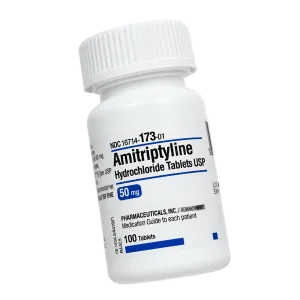
Amitriptyline

Active ingredient: Amitriptyline
50mg
From AED 546.10
pills
3.5 (3)

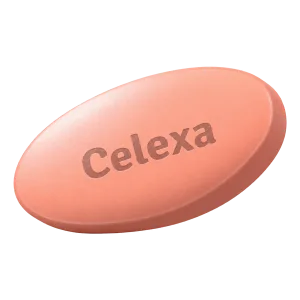
Celexa

Active ingredient: Citalopram
20mg 10mg
From AED 348.30
pills
3.6 (5)

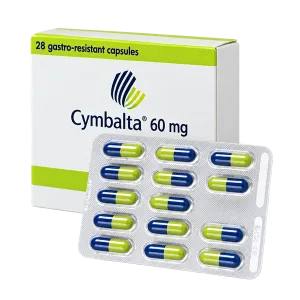
Cymbalta

Active ingredient: Duloxetine
20mg 30mg 40mg 60mg
From AED 374.10
pills
3.9 (4)

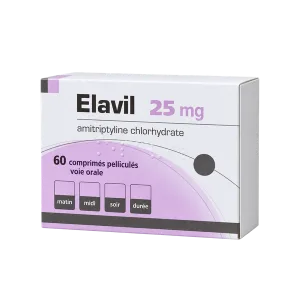
Elavil

Active ingredient: Amitriptyline
25mg 50mg 75mg 10mg
From AED 352.60
pills
4.1 (4)

Lexapro

Active ingredient: Escitalopram
10mg 20mg 5mg
From AED 339.70
pills
3.5 (3)

Luvox Current

Active ingredient: Fluvoxamine
100mg 50mg
From AED 490.20
pills
3.6 (5)

Comparison table: Antidepressants

Common questions

Is Luvox suitable for older adults?

Older adults can receive fluvoxamine when the prescriber considers the benefits greater than the risks. Age-related changes in liver function, multiple medicines, falls, low sodium, and sensitivity to sedation may influence the starting regimen and monitoring plan. The American Geriatrics Society’s 2023 Beers Criteria supports careful review of medicines that may contribute to falls, confusion, or electrolyte problems in older people [4]. New confusion, unsteadiness, weakness, or unusual sleepiness requires prompt medical assessment.

Which symptoms mean stopping and seeking urgent medical help?

Urgent assessment is needed for fever, severe agitation, confusion, muscle rigidity, twitching, heavy sweating, faintness, or a fast and irregular heartbeat. These symptoms can indicate serotonin syndrome or another serious reaction, especially when other serotonergic medicines are involved. The FDA fluvoxamine label, revised in 2008, advises urgent evaluation. Suicidal thoughts, severe behavioural change, or signs of mania also require immediate clinical attention. Do not take another dose while waiting for urgent advice if a severe reaction is suspected.

Which diet, exercise, or habits can help or hinder treatment?

Regular sleep, moderate physical activity, stable meal times, and a consistent tablet routine can support recovery from anxiety and obsessive-compulsive symptoms. Alcohol may worsen sedation, poor sleep, and impaired judgement, so limiting or avoiding it is prudent. Excessive caffeine can intensify tremor, nervousness, palpitations, or insomnia in sensitive people. NICE guidance published for OCD treatment in 2022 places behavioural therapy and regular functional monitoring alongside medicine management rather than relying on lifestyle measures alone.

Does Luvox cause sexual side effects?

Fluvoxamine can cause reduced libido, delayed orgasm, or difficulty reaching orgasm, although the experience differs between individuals. The symptom may appear after treatment starts and can persist while the medicine is continued. The FDA fluvoxamine prescribing information, issued in 2008, identifies sexual dysfunction among adverse effects reported with serotonergic antidepressants. A clinician may review dose, timing, other medicines, the underlying disorder, and alternative treatment options instead of advising abrupt discontinuation.

Can Luvox be used during pregnancy or breastfeeding?

Pregnancy and breastfeeding require a personalised assessment of maternal psychiatric stability and infant exposure. Fluvoxamine passes into breast milk, so an infant may need observation for feeding difficulty, unusual sleepiness, irritability, or poor weight gain. The World Health Organization’s 2023 guidance on perinatal mental health supports weighing treatment benefits against medication-related risks rather than stopping psychiatric treatment automatically. Sudden discontinuation can also cause withdrawal symptoms and a return of obsessive-compulsive or anxiety symptoms.

What happens when Luvox is stopped, and does it need tapering?

Stopping fluvoxamine suddenly can cause dizziness, nausea, headache, irritability, anxiety, sleep disturbance, electric-shock sensations, or flu-like feelings. Symptoms may begin within days, especially after regular use or a higher regimen. A gradual taper is commonly used, with the pace adjusted to duration of treatment, clinical response, and previous withdrawal symptoms. The FDA fluvoxamine label, revised in 2008, describes discontinuation reactions and supports planned dose reduction rather than abrupt cessation.

Do you offer anonymous delivery?

Your order will be securely packed and shipped within 24 hours. This is exactly what your package will look like (images of an actual item sent). It has the size and look of a regular private letter (24x11x0.7 cm) and its contents cannot be seen.

Reviews: Luvox

3.6
Based on 5 reviews
Hina, 28 Khor Fakkan Several weeks
Verified
Rating: 4 out of 5

Khor Fakkan, described taking Luvox at the prescribed dose for several weeks after intrusive thoughts began interfering with work. She noticed nausea during the first days and felt less overwhelmed later, although the improvement was gradual rather than immediate.

22 Oct 2026
Hannah, 62 Ajman
Verified
Rating: 3.5 out of 5

Ajman, reported that sleep became lighter after taking Luvox at the prescribed dose. Her symptoms improved after the regimen was adjusted, but she needed extra follow-up because she also used medicines for blood pressure and occasional pain.

3 Nov 2026
Latifa, 59 Abu Dhabi Continued treatment
Verified
Rating: 4.5 out of 5

Abu Dhabi, said that compulsive checking took less time after continued treatment at the prescribed dose and behavioural therapy. She disliked dry mouth and initially forgot evening doses, so she linked the tablet to a regular household routine.

5 Nov 2026
Maria K., 68 Kalba The first fortnight
Verified
Rating: 2.5 out of 5

Kalba, found the prescribed treatment difficult during the first fortnight because of tiredness and reduced appetite. Her clinician reviewed other medicines before deciding whether the regimen should continue.

13 Nov 2026
Huda, 54 Al Qusais
Verified
Rating: 3.5 out of 5

Al Qusais, reported improvement in social avoidance after taking the prescribed dose, but experienced delayed orgasm. She had considered stopping the tablets abruptly, then discussed the problem and received a planned adjustment instead.

17 Nov 2026

Sources

  1. NICE (2022). Obsessive-compulsive disorder and body dysmorphic disorder: treatment, NICE Guideline CG31.
  2. U.S. Food and Drug Administration (2008). Luvox (fluvoxamine maleate) tablets prescribing information.
  3. U.S. Food and Drug Administration (2009). Antidepressant Use in Children, Adolescents, and Adults: Class Suicidality Labeling Language.
  4. American Geriatrics Society (2023). American Geriatrics Society 2023 updated Beers Criteria for potentially inappropriate medication use in older adults.
Get our free app Shop faster and track your orders 3.9 · 576 reviews Install