I took it in the evening for about seven weeks. Sleep improved in the first week, while my mood took longer. The dry mouth was annoying at work, but drinking water regularly helped.
Amitriptyline
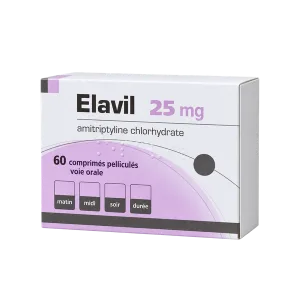
Taken orally as tablets, Amitriptyline is usually used once daily, with the regimen for the chosen strength confirmed with a healthcare professional before starting. It is intended for people being treated for depression or selected nerve-related pain, migraine prevention, or sleep disruption.
Product information
It is a tricyclic antidepressant used for major depressive disorder and, in selected cases, for nerve-related pain, migraine prevention, and sleep disruption. Its main action is to increase serotonin and norepinephrine signalling in the central nervous system.
Dosage and administration
Amitriptyline tablets are taken orally, usually once daily. The regimen for the chosen strength is confirmed with a healthcare professional before starting. Amitriptyline is used for depression and, in selected cases, nerve-related pain, migraine prevention, or sleep disruption; it increases serotonin and norepinephrine signalling in the central nervous system.
Ingredients
Amitriptyline tablets contain amitriptyline hydrochloride, a tricyclic antidepressant. The regimen for the chosen strength should be confirmed with a healthcare professional before starting.
How it affects the body
Amitriptyline blocks neuronal reuptake of serotonin and norepinephrine. Reuptake is the process by which nerve cells remove released neurotransmitters from the synapse, the small gap between nerve cells. By slowing this removal, amitriptyline increases signalling through pathways involved in mood regulation and pain modulation.
It also blocks muscarinic cholinergic receptors, histamine H1 receptors, and alpha-1 adrenergic receptors. These additional receptor effects explain why it can cause dry mouth, constipation, sedation, blurred vision, and dizziness on standing. They also explain why amitriptyline differs from many newer antidepressants that act more selectively.
The medicine has a broad receptor profile. That can be helpful for sleep and neuropathic pain, yet it also creates more tolerability issues than some alternatives.
Therapeutic indications
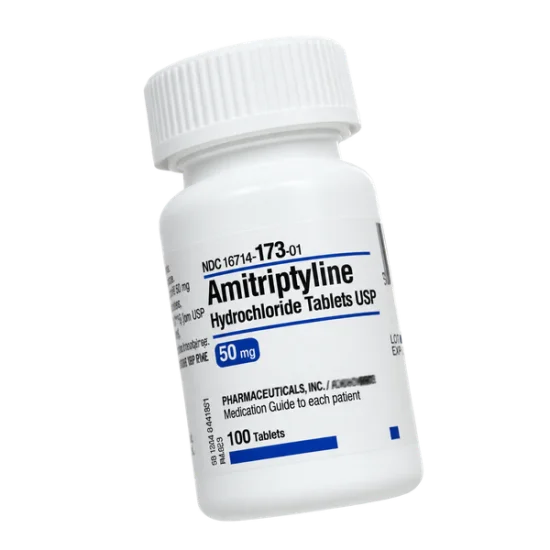
Amitriptyline 50 mg tablets contain amitriptyline hydrochloride, a tricyclic antidepressant. The FDA-approved indication is depression, including major depressive disorder, where low mood, loss of interest, sleep changes, impaired concentration, and changes in appetite persist and impair daily functioning. Clinical response for depression usually develops gradually. Benefit rarely appears after the first doses [1].
At lower prescribed doses, clinicians also use amitriptyline for symptoms where nerve signalling and sleep quality contribute to discomfort. These uses require an individual assessment because the intended effect, treatment duration, and tolerability can differ from depression treatment.
| Clinical use | Main symptom target | Usual clinical context |
|---|---|---|
| Major depressive disorder | Persistent low mood and reduced functioning | Psychiatric treatment |
| Chronic pain syndromes | Burning, tingling, shooting pain | Neuropathic pain management |
| Migraine prophylaxis | Reduced migraine frequency | Prevention rather than acute relief |
FDA-Approved Psychiatric Indications
For major depressive disorder, amitriptyline may help improve mood, sleep continuity, appetite, and energy over several weeks. Its sedating effect can appear early, while antidepressant benefit needs longer, consistent treatment. The WHO includes tricyclic antidepressants among established options for depressive disorders, though modern prescribing often considers side-effect burden before choosing them.
It may help with insomnia. Dry mouth and drowsiness are common trade-offs.
Off-Label Applications in Pain and Neurology
Chronic pain syndromes may involve overactive pain pathways rather than ongoing tissue injury alone. Amitriptyline can reduce this amplified signalling by changing serotonin and norepinephrine activity in the spinal cord and brain. NICE includes amitriptyline among initial pharmacological options for neuropathic pain in adults, alongside other medicine classes [2].
Diabetic neuropathy may cause burning feet, pins-and-needles sensations, or pain that becomes worse at night. Fibromyalgia can involve widespread pain, unrefreshing sleep, and fatigue; some people receive amitriptyline to support sleep and pain control. Migraine prophylaxis aims to reduce attack frequency over time, not to stop an established migraine attack.
Insomnia is sometimes treated when poor sleep occurs alongside pain or depression. Amitriptyline is not a simple sleeping tablet, and its anticholinergic effects can limit its suitability for long-term sleep-only use.

Common mistakes
Several avoidable patterns can make amitriptyline harder to tolerate or less useful:
- Taking it at an unpredictable time, then struggling with daytime sedation.
- Stopping abruptly after several weeks of regular use, which can cause headache, nausea, sleep disruption, irritability, and flu-like symptoms.
- Combining it with alcohol, sedating allergy treatments, or sleep medicines without reviewing the combined sedative effect.
- Treating constipation as insignificant until it becomes painful or severe.
- Increasing the dose independently because pain relief or mood improvement feels too slow.
- Using it alongside an MAOI or starting linezolid without a prescriber reviewing the interaction.
- Ignoring new palpitations, fainting, severe confusion, or worsening suicidal thoughts.
When not to use it
Amitriptyline is not for you if you have had a serious allergic reaction to amitriptyline or another component of the tablets. It is also unsuitable with a monoamine oxidase inhibitor, known as an MAOI, or within 14 days of stopping one. Examples include tranylcypromine and phenelzine.
Avoid starting amitriptyline during the recovery period after a recent heart attack. Extra caution is needed with known heart rhythm disorders, uncontrolled glaucoma, urinary retention, severe constipation, seizure disorders, severe liver impairment, bipolar disorder, and a history of mania. Medicines that prolong QTc, cause sedation, increase serotonin, or inhibit CYP2D6 can alter the risk profile.
Examples include some antipsychotics, opioid pain medicines such as tramadol, sedating antihistamines, benzodiazepines, selective serotonin reuptake inhibitors, and certain antiarrhythmics. The FDA prescribing information lists clinically significant interaction and cardiac-risk precautions for amitriptyline [4].
When this is not for you
This may not be suitable for you if you have heart rhythm problems, glaucoma, trouble passing urine, severe constipation, seizures, serious liver problems, bipolar disorder, or a history of mania. Tell a healthcare professional about all medicines you take, especially antidepressants, opioid pain medicines, sedating antihistamines, benzodiazepines, and medicines that affect heart rhythm.
Possible side effects
Amitriptyline’s adverse effects are mostly linked to sedation, anticholinergic activity, and blood-pressure effects. Common early symptoms include sleepiness, dry mouth, constipation, blurred vision, sweating, increased appetite, weight gain, and difficulty passing urine. Some people also report vivid dreams or a heavy feeling on waking.
Orthostatic hypotension means a blood-pressure drop after standing up. It can cause light-headedness, blurred vision, or fainting, and it increases fall risk. QTc prolongation describes delayed electrical recovery of the heart after each beat; in susceptible people, it can contribute to serious rhythm disturbances.
The American Geriatrics Society Beers Criteria advises avoiding amitriptyline in many older adults because of strong anticholinergic effects, sedation, and orthostatic hypotension [3]. Hyponatraemia caused by syndrome of inappropriate antidiuretic hormone secretion is less common, though it can lead to headache, confusion, weakness, or seizures.
Seek urgent medical assessment for fainting, a fast or irregular heartbeat, chest pain, severe confusion, a seizure, eye pain with coloured halos around lights, or inability to pass urine. New agitation, worsening depression, suicidal thoughts, or unusual behavioural changes also need prompt attention. FDA antidepressant warnings highlight the need for close observation of young adults during early treatment and dose changes.
Comparison
Amitriptyline is an oral, single-ingredient tricyclic antidepressant that increases serotonin and norepinephrine signalling. Unlike topical approaches, it acts through the central nervous system and may be used for depression or selected nerve-related symptoms.
What doctors say
In clinical practice, doctors often separate the early sedating effect from the slower therapeutic effect. Sleeping longer after the first doses does not prove that depression, migraine frequency, or neuropathic pain has already improved. A useful review focuses on the original target symptom, daytime alertness, constipation, heart symptoms, and mood changes.
For nerve pain, clinicians usually judge benefit by changes in night waking, burning sensations, and daily function rather than by expecting pain to disappear completely. For depression, treatment response is assessed over weeks, with attention to mood, motivation, concentration, and safety. A lower burden of symptoms is the goal; persistent disabling adverse effects may mean the regimen needs adjustment.
MOHAP-regulated clinical care places special weight on medication history when prescribing medicines with sedative, anticholinergic, and cardiac effects. Bring a complete list of prescribed treatments, over-the-counter cold remedies, sleep aids, and herbal products to the prescriber who confirms the regimen.
Comparison
Common questions
Which symptoms require urgent medical care?
Urgent assessment is needed for fainting, seizures, chest pain, a rapid or irregular heartbeat, severe confusion, or sudden eye pain with blurred vision and coloured halos. Seek immediate help for severe agitation, fever, muscle stiffness, tremor, and diarrhoea because this combination may signal serotonin syndrome. The FDA prescribing information revised in 2017 also highlights worsening depression, suicidal thoughts, or unusual behavioural changes in younger people during treatment changes. These symptoms require urgent action rather than waiting for the next routine appointment. Prompt assessment is safer than observing these signs at home.
What is the best time of day to take Amitriptyline?
Amitriptyline is commonly scheduled in the evening because it can cause sedation. The exact timing depends on the prescribed regimen and how strongly drowsiness carries into the following morning. NICE guidance updated in 2020 recognises that tolerability influences medicine selection and continuation in neuropathic pain treatment. Keep the timing consistent once it has been agreed, and avoid moving it to daytime without clinical advice.
How should Amitriptyline be stored at home and while travelling?
Keep tablets in a dry place at room temperature, away from heat, humidity, and direct sunlight. Store them securely where children and other household members cannot access them, since even a small accidental ingestion can be dangerous. The WHO’s 2023 medication-safety principles support keeping medicines in their dispensing container during travel to reduce mix-ups. Do not leave tablets in a hot vehicle or a humid bathroom.
Can Amitriptyline be used under 18?
Amitriptyline is not routinely used for depression in children and adolescents. A specialist may prescribe it for selected paediatric conditions, such as certain pain disorders, only after weighing benefit against risks. The FDA warning framework from 2017 requires careful monitoring for suicidal thinking and behavioural changes in young people taking antidepressants. A child or teenager who develops agitation, hostility, insomnia, or suicidal thoughts needs prompt clinical review.
How long does one Amitriptyline dose keep working?
A single dose can cause sedation for many hours, sometimes extending into the next morning. Its effects on mood, migraine prevention, or neuropathic pain build with repeated dosing and cannot be judged from one tablet. The FDA’s 2017 prescribing information describes amitriptyline as a treatment that requires regular administration rather than occasional symptom-only use. Lingering drowsiness may indicate that dose timing or the regimen needs review.
How long does a course last, and is long-term use acceptable?
Treatment duration depends on the condition being treated and the person’s response. Depression treatment often continues after symptoms improve to reduce relapse risk, while pain or migraine prevention is reviewed against meaningful improvements in function and symptom frequency. The American Geriatrics Society updated its Beers Criteria in 2023, reinforcing the need for careful long-term review in older adults because anticholinergic burden and falls become more relevant. Long-term use can be appropriate when benefit remains clear and adverse effects are actively monitored.
Can alcohol be used while taking Amitriptyline?
Alcohol can intensify drowsiness, dizziness, impaired coordination, and slowed reactions from amitriptyline. It may also worsen depression, disrupt sleep quality, and increase the chance of a fall or accident. The WHO’s 2023 public-health guidance recognises alcohol as a contributor to injuries and mental-health harm, making the combination a poor fit for a sedating antidepressant. Avoid alcohol while establishing how Amitriptyline affects you, and do not combine the two before driving or working at height.
Do you offer anonymous delivery?
Your order will be securely packed and shipped within 24 hours. This is exactly what your package will look like (images of an actual item sent). It has the size and look of a regular private letter (24x11x0.7 cm) and its contents cannot be seen.
Reviews: Amitriptyline
After a month, the night-time tingling was less intense and I woke up fewer times. I felt groggy during the first several mornings, so my prescriber changed the timing rather than increasing the dose.
I used it for two months and had fewer headaches by the second month. Constipation and next-day drowsiness were the downside, and I needed to take it earlier in the evening to feel normal at work.
Sources
- FDA (2017). Amitriptyline Hydrochloride Tablets, USP: Prescribing Information.
- NICE (2020). Neuropathic pain in adults: pharmacological management in non-specialist settings.
- American Geriatrics Society (2023). American Geriatrics Society 2023 updated AGS Beers Criteria for potentially inappropriate medication use in older adults.
- FDA (2017). Amitriptyline Hydrochloride Tablets, USP: Warnings, Precautions and Drug Interactions.