Skip to content
Lexapro
Active ingredient: Escitalopram

Lexapro

Quality products
24/7 Support
Fast delivery
Delivery from 4 days
Select pack Package Per unit Price

Free delivery on orders from AED 860.00, free express delivery from AED 1,290.00

Secure Payments
Track your order
Best price guarantee

Depression and persistent anxiety can affect sleep, concentration, motivation, and daily relationships. Lexapro contains escitalopram, an SSRI antidepressant prescribed for major depressive disorder and generalized anxiety disorder. It helps increase serotonin signalling in the brain, supporting steadier mood and reduced anxiety over time.

Product information

Lexapro is an oral antidepressant containing escitalopram. It belongs to the selective serotonin reuptake inhibitor class, commonly abbreviated as SSRI.

Pharmacological class and active ingredient

The active ingredient is escitalopram. It is the selective serotonin reuptake inhibitor component of Lexapro.

Escitalopram is the S-enantiomer of citalopram, meaning it is one specific molecular form of that compound. It acts mainly on the serotonin transporter, rather than directly stimulating serotonin receptors throughout the brain. That selectivity helps explain its clinical use in depression and anxiety, while also explaining characteristic SSRI effects such as nausea, sleep changes, and sexual dysfunction.

Take Lexapro at the same general time each day. A morning schedule may suit people who feel activated, while an evening schedule may suit people who feel sleepy.

Dosage and administration

Lexapro tablets are taken orally. How much to use and how often depends on the purpose of use and is agreed with a doctor or pharmacist.

Typical prescribing principles for escitalopram include:

  • Treatment often begins with a lower daily amount when sensitivity to side effects, older age, liver disease, or panic symptoms is present.
  • Many adults with depression or generalized anxiety receive a daily maintenance dose within the usual escitalopram range.
  • The maximum licensed daily amount is commonly used for adults, although lower limits may apply in older adults or people with hepatic impairment.
  • Dose increases are made gradually rather than after only a few days.
  • Treatment is usually continued after improvement to reduce relapse risk.
  • Stopping suddenly can cause dizziness, electric-shock sensations, irritability, sleep disturbance, sweating, or flu-like feelings.

People aged over 65, or those with liver impairment, may require a lower daily limit. Kidney disease, seizure history, bipolar disorder, bleeding risk, and other medicines also influence prescribing.

A missed dose is usually handled by taking it when remembered unless the next scheduled dose is near. Two doses should not be taken together to compensate. A person who frequently forgets may benefit from linking the tablet with a stable routine, such as brushing teeth, rather than relying on memory alone.

Do not stop Lexapro after a difficult initial period without discussing the symptoms with the prescriber. Early nausea, restlessness, or sleep changes may settle, while abrupt discontinuation can produce a separate withdrawal-like reaction.

Expected timing of benefit

Some people notice improved sleep, appetite, or physical tension during the initial treatment period. Mood, motivation, worry, and concentration often require regular treatment. A full review takes place after an appropriate period at a therapeutic dose, with earlier contact if symptoms worsen.

The response is not always linear. One better day does not prove the treatment has finished working, and one anxious day does not prove failure. Persistent worsening, new suicidal thoughts, severe agitation, or unusually high energy require prompt clinical assessment.

Tablets and practical administration

Lexapro tablets are swallowed with water and may be taken with or without food. Food can be useful when nausea occurs. The tablet should not be chewed if its taste causes discomfort, and it should not be crushed unless a pharmacist has confirmed that the specific tablet can be altered.

If nausea occurs, taking the tablet after breakfast can be easier than taking it on an empty stomach. If it causes sleepiness, an evening schedule may be considered with the prescriber.

Ingredients

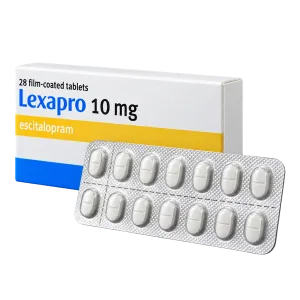
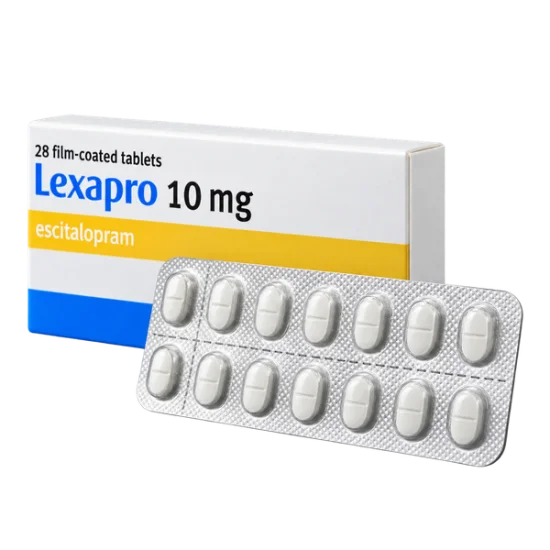
Lexapro contains escitalopram as its active ingredient. Escitalopram is a selective serotonin reuptake inhibitor and the S-enantiomer of citalopram. The product is supplied as oral film-coated tablets.

How it affects the body

Nerve cells communicate across a microscopic gap called the synaptic cleft. Serotonin released from one nerve cell normally returns partly into that cell through a transporter. Escitalopram inhibits this reuptake transporter, leaving more serotonin available around the receiving nerve cell.

The immediate biochemical effect occurs soon after a dose, but symptom improvement usually takes longer. Brain networks involved in mood, threat perception, sleep, and emotional regulation need time to adapt to altered serotonin signalling. This is why a person may notice nausea or changes in sleep during the first days without yet feeling emotionally better.

Escitalopram does not create an artificial feeling of happiness. Its intended role is to reduce depressive symptoms or excessive anxiety so that ordinary emotional responses and daily functioning become easier to regain.

Clinical guidelines from the National Institute for Health and Care Excellence and the American Psychiatric Association describe antidepressants as one part of treatment that may be combined with psychological therapy, structured activity, and follow-up monitoring [2]. The best approach depends on severity, previous treatment response, suicide risk, and personal preference.

Mechanism compared with other treatment categories

Approach Main biological target Typical clinical role
Lexapro and other SSRIs Serotonin reuptake transporter Depression and anxiety disorders
Serotonin-noradrenaline reuptake inhibitors Serotonin and noradrenaline transporters Depression, anxiety, and some pain conditions
Psychological therapy Thought patterns, behaviour, and emotional regulation Stand-alone or combined treatment

SSRIs are often selected when anxiety accompanies depression because their approved uses include both conditions. They can cause sexual side effects and initial restlessness, so the benefit-risk balance needs review during follow-up.

Therapeutic indications

Escitalopram is used mainly for:

  • Major depressive disorder
  • Generalized anxiety disorder
  • Related anxiety symptoms when prescribed as part of an individual treatment plan

The United States Food and Drug Administration recognises escitalopram for major depressive disorder in adults and adolescents aged 12–17, and for generalized anxiety disorder in adults [1]. Regulatory approval does not mean that every person with low mood or worry should take it. The diagnosis, symptom pattern, age, other medicines, and medical history all affect the choice.

A useful distinction is that an SSRI does not act like a sedative taken for immediate calm. Its effects develop gradually as serotonin signalling adapts. Some physical symptoms may improve before mood, motivation, or anxiety fully settles.

Common mistakes

Several everyday mistakes can make Lexapro seem ineffective or poorly tolerated:

  • Stopping after a few days because nausea or restlessness appeared.
  • Taking a double dose after forgetting one.
  • Changing between morning and evening dosing repeatedly.
  • Drinking heavily while trying to judge whether the medicine improves anxiety.
  • Adding 5-HTP, St John’s wort, tramadol, or another serotonin-active product without checking interactions.
  • Failing to mention ibuprofen, naproxen, aspirin, or anticoagulants.
  • Treating sexual side effects as something that must simply be endured.
  • Ignoring a reduced need for sleep and unusually elevated energy.
  • Crushing the tablet because swallowing it feels inconvenient.
  • Expecting a tablet to remove every source of situational stress without therapy or behavioural changes.

One less obvious problem is excessive caffeine during the adjustment period. Large amounts can intensify tremor, palpitations, insomnia, and anxious thoughts, making early SSRI activation feel worse.

When not to use it

Lexapro is not suitable for everyone. It should not be used with a current monoamine oxidase inhibitor, including certain medicines used for depression, Parkinson’s disease, or serious infections. A sufficient washout period is required when switching between an MAOI and escitalopram.

  • Current use of an MAOI or recent discontinuation without completing the required interval.
  • Serious allergic reaction to escitalopram or citalopram.
  • Congenital long-QT syndrome or a clinically significant heart-rhythm disorder that makes QT prolongation unsafe.
  • Medicines known to cause important QT prolongation without specialist review.
  • Untreated bipolar mania or a history suggesting antidepressants trigger manic episodes.
  • Unexplained severe agitation, rapidly changing behaviour, or new suicidal thoughts that require immediate assessment rather than self-directed treatment.

Escitalopram can prolong the QT interval in susceptible people. Risk is higher with heart disease, low potassium, low magnesium, slow heart rate, liver impairment, and combinations with other QT-prolonging medicines.

When this is not for you

This medication is not for you if:

  • You currently take an MAOI or recently stopped one without completing the required interval.
  • You have had a serious allergic reaction to escitalopram or citalopram.
  • You have congenital long-QT syndrome or a clinically significant heart-rhythm disorder that makes QT prolongation unsafe.
  • You take medicines known to cause important QT prolongation without specialist review.
  • You have untreated bipolar mania or a history suggesting antidepressants trigger manic episodes.
  • You have unexplained severe agitation, rapidly changing behaviour, or new suicidal thoughts that require immediate assessment rather than self-directed treatment.

Possible side effects

Common early effects include nausea, loose stools, headache, dry mouth, sweating, fatigue, sleepiness, insomnia, and increased restlessness. These symptoms are often most noticeable during the first days or weeks. They may become less troublesome as the body adapts, although some adverse effects can persist.

Sexual side effects deserve direct discussion. Reduced libido, delayed orgasm, difficulty reaching orgasm, or erectile difficulty may occur during SSRI treatment. People sometimes remain silent because they assume the symptom is unrelated or temporary. A prescriber can consider dose adjustment, timing changes, or another treatment strategy when the benefit is not worth the sexual effect.

Other clinically relevant problems include:

  • Increased bruising or nosebleeds, especially with aspirin, ibuprofen, naproxen, or anticoagulants
  • Low sodium, with confusion, severe weakness, headache, or seizures
  • Activation of mania in a person with bipolar disorder
  • New or worsening suicidal thoughts, especially after starting or changing treatment
  • Serotonin syndrome, with agitation, fever, sweating, tremor, diarrhoea, muscle stiffness, or rapidly changing vital signs
  • Severe allergic reactions involving facial swelling, breathing difficulty, or widespread blistering rash

Serotonin syndrome is uncommon but can become dangerous. The risk rises when escitalopram is combined with other serotonergic medicines, including certain migraine treatments, tramadol, lithium, linezolid, methylene blue, or monoamine oxidase inhibitors.

One practical detail is easy to miss: insomnia may improve when the dose is taken earlier, while daytime drowsiness may improve with an evening schedule. The timing should remain consistent and should be changed with clinical guidance if symptoms are significant.

Seek urgent medical help for fever, marked agitation, muscle rigidity, confusion, or uncontrolled shaking after combining serotonergic medicines. These symptoms need assessment rather than a routine dose adjustment.

Comparison

Lexapro is one option within treatment for depression and anxiety. Choice depends on symptoms, previous response, medical conditions, interaction risk, and the person’s priorities.

Treatment category Main strength Main limitation
SSRI such as escitalopram Useful for depression with anxiety Nausea, sexual dysfunction, and sleep changes can occur
Serotonin-noradrenaline reuptake inhibitor May help when low mood coexists with pain or low energy Can raise blood pressure and cause withdrawal symptoms
Psychological therapy Builds coping and behavioural skills without medicine-related adverse effects Access, time, and symptom severity may limit suitability alone

Escitalopram may be considered when anxiety is prominent or when a person has previously responded to an SSRI. A different class may be preferred when pain, marked fatigue, blood pressure concerns, or previous adverse effects point elsewhere. Combining medicine with cognitive behavioural therapy can be useful for some patients, especially when avoidance, panic, or persistent negative thinking maintains symptoms.

What doctors say

In clinical practice, doctors usually assess Lexapro by looking at function rather than mood alone. Sleep regularity, ability to work, social contact, appetite, panic symptoms, and avoidance behaviour can show progress before a person describes feeling happy.

A prescriber will usually want to know whether anxiety increased after starting, whether suicidal thoughts appeared, and whether sleep became unusually reduced. Reduced need for sleep combined with racing thoughts, impulsive spending, unusually high confidence, or rapid speech can indicate activation or mania rather than ordinary improvement.

Consistency matters because irregular dosing can produce fluctuating symptoms and make the treatment response difficult to judge. Doctors also review caffeine, alcohol, recreational substances, over-the-counter painkillers, and supplements because these can alter tolerability or interaction risk.

The World Health Organization recommends monitoring people receiving antidepressants for symptom response, safety concerns, and functional change rather than treating medicine as an isolated intervention [3].

Comparison

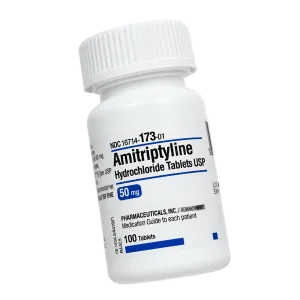
Amitriptyline

Active ingredient: Amitriptyline
50mg
From AED 546.10
pills
3.5 (3)

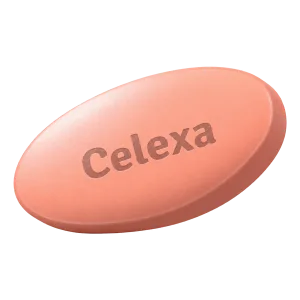
Celexa

Active ingredient: Citalopram
20mg 10mg
From AED 348.30
pills
3.6 (5)

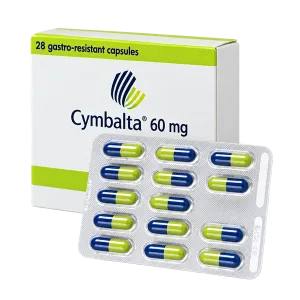
Cymbalta

Active ingredient: Duloxetine
20mg 30mg 40mg 60mg
From AED 374.10
pills
3.9 (4)

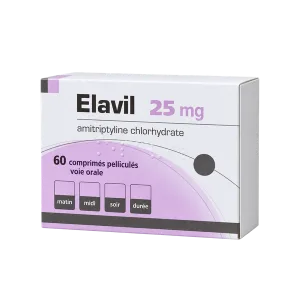
Elavil

Active ingredient: Amitriptyline
25mg 50mg 75mg 10mg
From AED 352.60
pills
4.1 (4)

Lexapro Current

Active ingredient: Escitalopram
10mg 20mg 5mg
From AED 339.70
pills
3.5 (3)

Luvox

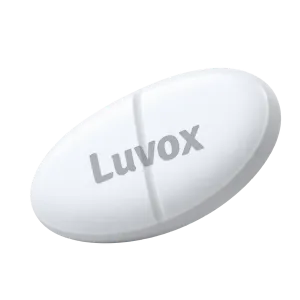
Active ingredient: Fluvoxamine
100mg 50mg
From AED 490.20
pills
3.6 (5)

Comparison table: Antidepressants

Common questions

What should I do after missing a Lexapro dose?

Take the missed tablet when remembered unless the next scheduled dose is close; in that situation, skip the missed dose and return to the usual schedule. Do not take two tablets together. The FDA Lexapro prescribing information reviewed in 2023 supports avoiding dose doubling after a missed dose. Repeated missed doses can cause discontinuation symptoms and make response assessment harder. A pharmacist can help create a reminder plan if missed doses are frequent.

What should I discuss with a doctor before starting Lexapro?

Discuss previous depression treatment, bipolar symptoms, seizures, heart-rhythm problems, glaucoma, liver disease, bleeding problems, pregnancy plans, and all prescribed or non-prescription products. Mention MAOIs, tramadol, migraine medicines, lithium, anticoagulants, NSAIDs, St John’s wort, and 5-HTP specifically. EMA safety information updated in 2024 highlights the need to consider serotonin toxicity, QT prolongation, bleeding, and withdrawal symptoms. A history of suicidal thoughts also needs an explicit monitoring plan.

Which diet, exercise, or habits can help or hinder the result?

Regular sleep, moderate physical activity, consistent meals, and reduced alcohol can support recovery while Lexapro is being assessed. Excess caffeine may worsen insomnia, tremor, or early anxiety, while heavy alcohol use can worsen mood and judgement. NICE guidance from 2022 supports behavioural and psychological interventions alongside antidepressant treatment. Exercise does not replace prescribed treatment for everyone, but it can improve daily structure and provide an additional route to functional recovery.

Can I drink alcohol while using Lexapro?

Alcohol may increase sleepiness, dizziness, impaired judgement, and poor coordination, even when the interaction is not a direct toxic reaction. It can also disrupt sleep and worsen depression or anxiety, making it harder to judge Lexapro’s benefit. The WHO alcohol and mental-health guidance available in 2023 links harmful alcohol use with poorer mood outcomes and treatment difficulties. Avoid driving or other safety-sensitive activity if alcohol and escitalopram together make you drowsy or slowed.

Can Lexapro tablets be split, crushed, or chewed?

Swallow the film-coated tablet with water unless a pharmacist has confirmed that splitting is appropriate for the specific tablet. Crushing or chewing can produce an unpleasant taste and may make accurate dosing more difficult. The FDA product information reviewed in 2023 describes oral tablet administration and does not support treating a crushed tablet as a separate formulation. Dose adjustments should use an agreed prescribed strength rather than informal changes.

Can people under 18 use Lexapro?

Escitalopram has an FDA-approved indication for major depressive disorder in adolescents aged 12–17, but treatment requires careful clinical assessment and monitoring. Use in younger children or for other conditions may fall outside that indication and needs specialist justification. FDA safety communication from 2007, still relevant to antidepressant monitoring, describes the need to watch for suicidal thinking and behavioural changes in young people. Parents or carers should report marked agitation, withdrawal, hostility, impulsivity, or worsening mood promptly.

Is Lexapro suitable during pregnancy and breastfeeding?

Pregnancy and breastfeeding require an individual assessment of untreated depression, relapse risk, maternal health, and possible infant effects. Do not stop escitalopram suddenly after discovering a pregnancy, because withdrawal and relapse can both create problems. EMA pregnancy and lactation information reviewed in 2024 describes possible neonatal adaptation symptoms and the need to consider persistent pulmonary hypertension risk with late-pregnancy SSRI exposure. Breastfeeding decisions depend on the dose, infant age, feeding pattern, and clinical monitoring.

Do you offer anonymous delivery?

Your order will be securely packed and shipped within 24 hours. This is exactly what your package will look like (images of an actual item sent). It has the size and look of a regular private letter (24x11x0.7 cm) and its contents cannot be seen.

Reviews: Lexapro

3.5
Based on 3 reviews
Huda, 27 Bur Dubai Six weeks
Verified
Rating: 3.5 out of 5

The first week brought nausea and restless sleep. Eating before the tablet helped. By the fourth week, I was less tense at work and stopped avoiding phone calls, although my appetite was still lower than usual.

26 Oct 2026
Emma, 27 Ajman Three months
Verified
Rating: 3.5 out of 5

My mood became steadier and I had fewer anxious spirals. I also noticed delayed orgasm, which was uncomfortable and took me a while to mention. My doctor adjusted the plan rather than telling me to ignore it.

1 Nov 2026
Joy, 68 Deira Two months
Verified
Rating: 3.5 out of 5

I felt sleepy during the first several days and moved the dose to the evening after discussing it. Sleep improved, but I still needed extra support for worry. The tablet helped, but it was not the only part of treatment.

6 Oct 2026

Sources

  1. U.S. Food and Drug Administration (2023). Lexapro (escitalopram oxalate) Tablets and Oral Solution Prescribing Information.
  2. National Institute for Health and Care Excellence (2022). Depression in adults: treatment and management (NG222).
  3. World Health Organization (2023). Mental Health Gap Action Programme Intervention Guide.
Get our free app Shop faster and track your orders 3.9 · 576 reviews Install