Skip to content
Cymbalta
Active ingredient: Duloxetine

Cymbalta

Quality products
24/7 Support
Fast delivery
Delivery from 4 days
Select pack Package Per unit Price

Free delivery on orders from AED 860.00, free express delivery from AED 1,290.00

Secure Payments
Track your order
Best price guarantee

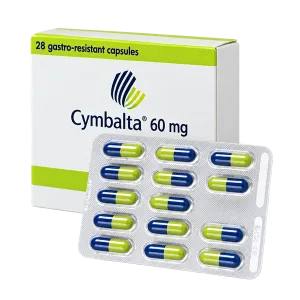
Duloxetine, the active ingredient in Cymbalta, is a serotonin-norepinephrine reuptake inhibitor (SNRI) used for depression, anxiety, and several chronic pain conditions. Cymbalta is supplied as 60 mg gastro-resistant capsules for adults whose treatment plan requires duloxetine. Its dual action influences mood pathways and the body’s descending control of pain.

Product information

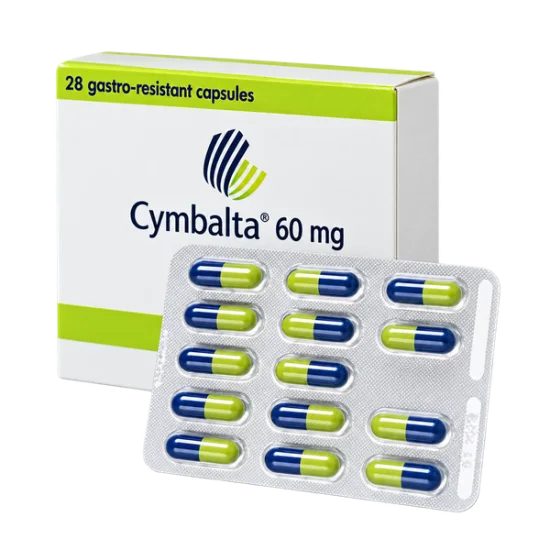
Cymbalta contains duloxetine hydrochloride, an antidepressant in the SNRI class. The product is supplied as gastro-resistant capsules containing 60 mg of duloxetine. Gastro-resistant technology helps protect the active ingredient from stomach acid and releases it after the capsule reaches the intestine [1].

Dosage and administration

Duloxetine dosing differs between strengths, conditions, and patients. There is no single amount that suits everyone. The 60 mg capsule sold on this page should be used only within the regimen selected for the individual diagnosis.

Clinical dosing commonly follows these patterns:

  • Major depressive disorder: 60 mg once daily is a common target dose for adults.
  • Generalized anxiety disorder: treatment may begin below the target dose in some adults, with gradual adjustment according to tolerability.
  • Diabetic peripheral neuropathic pain: 60 mg once daily is commonly used.
  • Fibromyalgia or chronic musculoskeletal pain: 60 mg once daily is a common target, although some patients may begin at a lower dose.
  • Administration route: oral use.
  • Capsule handling: swallow whole with water; do not crush or chew.
  • Timing: take it at the same time each day, with food or without food.
  • Missed dose: take it when remembered unless the next dose is near; do not double the next dose.

Treatment duration depends on the condition. Depression and anxiety often require continued treatment after symptoms improve to reduce relapse risk. Pain treatment is reviewed according to functional improvement, pain reduction, adverse effects, and the person’s broader care plan [3].

If nausea occurs after starting duloxetine, taking the capsule with a meal may make the first weeks easier. Food does not remove the need to swallow the gastro-resistant capsule whole.

One practical mistake is taking a missed dose late at night and then taking the next morning’s dose at the usual time. That pattern can produce closer doses than intended and may increase nausea, dizziness, or sleep disturbance.

Ingredients

Cymbalta contains duloxetine hydrochloride, an antidepressant in the SNRI class. The product is supplied as gastro-resistant capsules containing 60 mg of duloxetine. Gastro-resistant technology helps protect the active ingredient from stomach acid and releases it after the capsule reaches the intestine [1].

Active Ingredient and Formulation

The capsule should remain intact during administration. Crushing, chewing, or opening it can interfere with the gastro-resistant design and may expose the active ingredient too early in the digestive tract.

Swallow the capsule whole with water. A capsule that feels difficult to swallow should not be crushed or chewed; the prescriber can select a suitable alternative if swallowing remains a problem.

Cymbalta is an oral product.

How it affects the body

Duloxetine is a serotonin-noradrenaline reuptake inhibitor. It blocks the reuptake transporters for serotonin and norepinephrine in nerve cells, increasing their availability in synaptic spaces.

Serotonin helps regulate mood, emotional responses, sleep, and pain transmission. Norepinephrine contributes to alertness, attention, mood regulation, and descending pain inhibition. In the spinal cord, stronger descending inhibitory signals can reduce the amplification of pain messages travelling toward the brain.

This dual mechanism explains why Cymbalta can be selected when depression or anxiety coexists with chronic pain. An SSRI mainly targets serotonin, while duloxetine acts on both serotonin and norepinephrine. Tricyclic antidepressants also influence both systems, but their broader receptor activity may produce more sedation, dry mouth, constipation, blurred vision, or heart-rate effects.

The benefit is not immediate stimulation. Duloxetine changes neurotransmission progressively, and early treatment can feel different from later treatment as the nervous system adapts.

Therapeutic indications

Duloxetine is used in several areas of adult care. Its approved uses include major depressive disorder, generalized anxiety disorder, diabetic peripheral neuropathic pain, fibromyalgia, and chronic musculoskeletal pain in relevant regulatory settings [2].

Clinical use Main treatment aim Typical adult context
Major depressive disorder Improve low mood, loss of interest, sleep and energy symptoms Adults with depressive illness
Generalized anxiety disorder Reduce excessive worry and related physical tension Adults with persistent anxiety
Neuropathic or chronic pain Reduce abnormal nerve pain and improve function Diabetic neuropathy, fibromyalgia or chronic musculoskeletal pain

Duloxetine does not act as a conventional painkiller that numbs pain immediately. Its benefit develops through changes in central pain processing, so symptom improvement may be gradual. Patients may notice changes in sleep, anxiety, mood, or pain at different times.

Stress urinary incontinence has also been treated with duloxetine in some regulatory settings, including specific national indications. Its use for this purpose depends on local approval and individual assessment.

A useful clinical distinction is the difference between pain caused by tissue injury and pain caused by altered nerve signalling. Burning, electric-shock sensations, tingling, hypersensitivity, or pain from light touch may respond differently from acute muscular soreness.

Common mistakes

Several practical errors can reduce benefit or increase adverse effects:

  • Chewing or crushing the gastro-resistant capsule.
  • Stopping after a few days because nausea or tiredness appears.
  • Doubling the next dose after a missed capsule.
  • Taking duloxetine alongside another antidepressant without a planned transition.
  • Ignoring new bruising while using an anticoagulant or anti-inflammatory medicine.
  • Failing to mention heavy alcohol intake or liver disease.
  • Assuming pain relief should occur after the first capsule.
  • Stopping suddenly when mood improves.
  • Taking doses at inconsistent times and then interpreting fluctuating symptoms as treatment failure.
  • Treating severe agitation, suicidal thoughts, fever, tremor, or confusion as routine adjustment effects.

One detail patients often miss is that duloxetine can affect sexual function even when mood improves. Reporting this early allows the treatment plan to be reviewed rather than silently abandoning therapy.

When not to use it

Cymbalta is not suitable for everyone. This medication is not for you if you have a known allergy to duloxetine or any capsule component, or if you are taking a monoamine oxidase inhibitor.

Extra caution or an alternative may be needed with:

  • Severe liver disease or substantial liver impairment.
  • Severe kidney impairment or end-stage renal disease.
  • Uncontrolled narrow-angle glaucoma.
  • Uncontrolled high blood pressure.
  • Significant heart rhythm or cardiovascular instability.
  • Bipolar disorder, mania, or a previous manic episode.
  • Seizure disorders.
  • A history of low sodium levels.
  • Pregnancy or breastfeeding.
  • Heavy alcohol use or other factors that increase liver injury risk.

Duloxetine may increase bleeding risk when combined with aspirin, non-steroidal anti-inflammatory drugs, antiplatelet medicines, or anticoagulants. It can also cause low sodium, especially in older adults or people taking diuretics.

When this is not for you

This medication is not for you if you have a known allergy to duloxetine or any capsule component, or if you are taking a monoamine oxidase inhibitor. Talk with a clinician before using it if you have serious liver or kidney problems, uncontrolled blood pressure or glaucoma, bipolar disorder, seizures, low sodium, or if you are pregnant, breastfeeding, or drinking heavily.

Possible side effects

Common adverse effects include nausea, dry mouth, headache, dizziness, constipation, reduced appetite, tiredness, sweating, and changes in sleep. Some people experience reduced sexual desire or difficulty reaching orgasm. These effects may lessen after the first weeks, although persistent symptoms require review.

Duloxetine can raise blood pressure or heart rate in some patients. It can also cause dizziness when standing, especially during dose changes or when combined with other medicines that lower blood pressure.

Serious symptoms require prompt medical attention. These include:

  • New suicidal thoughts, suicidal behaviour, severe agitation, or rapidly worsening mood.
  • Signs of serotonin syndrome, such as confusion, fever, sweating, tremor, muscle stiffness, diarrhoea, or a fast heartbeat.
  • Yellowing of the skin or eyes, dark urine, severe itching, or unusual upper-abdominal pain.
  • Severe allergic swelling, breathing difficulty, or widespread blistering rash.
  • Eye pain, halos around lights, or sudden visual disturbance.
  • Unusual bruising or bleeding.

Antidepressants carry a warning about increased suicidal thoughts and behaviour in children, adolescents, and young adults, especially after starting treatment or changing the dose. Duloxetine may also cause discontinuation symptoms if stopped suddenly [4].

A dry mouth can make dental discomfort worse. Regular water intake, sugar-free gum, and careful oral hygiene can help, while persistent mouth soreness or repeated cavities deserves clinical attention.

A false sense of improvement can also create risk. A person may regain energy before depressive thinking has fully improved, so sudden changes in behaviour, impulsivity, or suicidal thinking should be treated as urgent.

Comparison

Cymbalta belongs to the SNRI group. Choosing it instead of another antidepressant depends on the main symptoms, pain features, previous response, coexisting illnesses, and interaction risk.

Treatment category Main pharmacology Clinical distinction
Cymbalta and other SNRIs Increase serotonin and norepinephrine signalling May address mood, anxiety, and some chronic pain syndromes
SSRIs Mainly increase serotonin signalling Often selected for depression or anxiety without a prominent pain component
Tricyclic antidepressants Affect serotonin, norepinephrine, and several other receptors Can help some pain conditions but may cause more anticholinergic or cardiac effects

A clinician may favour an SNRI when mood symptoms and neuropathic pain occur together. An SSRI may be preferred when drug interactions, blood pressure concerns, or tolerability make norepinephrine effects less desirable.

Tricyclic antidepressants can be useful in selected pain syndromes, though overdose toxicity, sedation, constipation, urinary retention, and cardiac conduction effects restrict their suitability for some people. Non-antidepressant pain treatments may be more appropriate when pain is the only treatment target.

Cymbalta can be limited by nausea, sweating, sexual adverse effects, blood-pressure changes, and withdrawal symptoms. Its dual action is a reason for selection in some cases, not a guarantee that it will suit every patient.

What doctors say

In clinical practice, doctors often assess function rather than pain intensity alone. Better sleep, longer walking distance, improved concentration, or fewer pain interruptions can indicate benefit even when discomfort has not disappeared.

A physician may also ask whether the medicine is helping the target condition rather than simply producing sedation. Duloxetine is not intended to create a short-lived calming effect after each capsule. The treatment response is assessed over time.

Doctors usually review blood pressure, mood changes, suicidal thinking, sleep, nausea, sexual symptoms, bowel function, alcohol use, liver risks, and interacting medicines. For chronic pain, the assessment may include walking, work activity, sleep quality, and daily self-care.

The UAE’s MOHAP and international regulators such as EMA treat duloxetine as a medicine requiring condition-specific risk assessment. A prescription decision should account for the person’s full medical history, not only the diagnosis printed on a referral.

Comparison

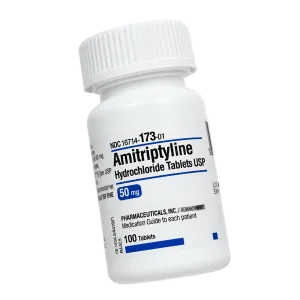
Amitriptyline

Active ingredient: Amitriptyline
50mg
From AED 546.10
pills
3.5 (3)

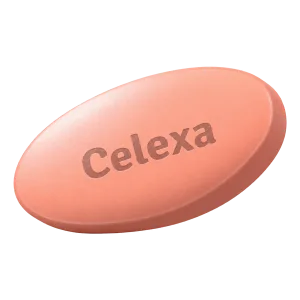
Celexa

Active ingredient: Citalopram
20mg 10mg
From AED 348.30
pills
3.6 (5)

Cymbalta Current

Active ingredient: Duloxetine
20mg 30mg 40mg 60mg
From AED 374.10
pills
3.9 (4)

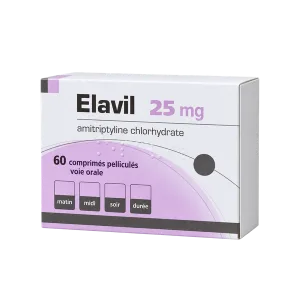
Elavil

Active ingredient: Amitriptyline
25mg 50mg 75mg 10mg
From AED 352.60
pills
4.1 (4)

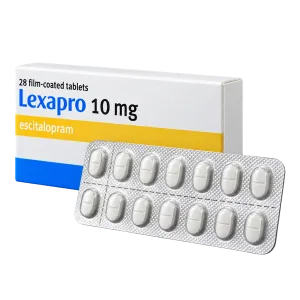
Lexapro

Active ingredient: Escitalopram
10mg 20mg 5mg
From AED 339.70
pills
3.5 (3)

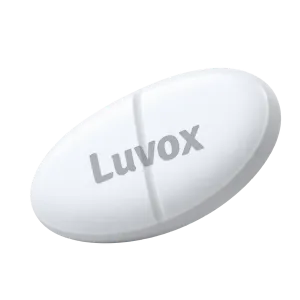
Luvox

Active ingredient: Fluvoxamine
100mg 50mg
From AED 490.20
pills
3.6 (5)

Comparison table: Antidepressants

Common questions

Can Cymbalta be taken with food or on an empty stomach?

Cymbalta can generally be taken with food or without food, and the capsule should be swallowed whole. Taking it with a meal may reduce early nausea for some people. Food does not change the need to preserve the gastro-resistant capsule. EMA product information and clinical practice guidance available through 2025 support consistent daily administration for duloxetine. The FDA label from 2025 also advises following the prescribed dosing schedule.

What should be done after a missed Cymbalta dose?

Take the missed capsule when remembered unless the next scheduled dose is close. If the next dose is near, skip the missed dose and return to the regular schedule. Never take two capsules together to compensate. FDA antidepressant safety information reviewed through 2025 supports avoiding extra doses because sudden exposure changes can worsen dizziness, nausea, or agitation.

Is Cymbalta suitable during pregnancy or breastfeeding?

Pregnancy and breastfeeding require an individual risk-benefit assessment. Late-pregnancy exposure may be associated with newborn adaptation symptoms, while duloxetine can pass into breast milk. Untreated depression, anxiety, or severe pain also carries health consequences. WHO maternal mental-health guidance available through 2025 supports an individualized treatment plan rather than abrupt discontinuation.

What is the best time of day to take Cymbalta?

The best time is the time that supports consistent daily use and fits the person’s response. Morning dosing may suit someone who feels more alert after taking it, while evening dosing may suit someone who becomes tired. Some people experience insomnia or vivid dreams, which can influence timing. EMA information current through 2025 supports once-daily administration according to the prescribed regimen.

Can people under 18 use Cymbalta?

Use in people under 18 depends on the indication, local approval, and specialist assessment. Antidepressants require close monitoring for suicidal thoughts, agitation, behavioural changes, and mood switching in younger patients. Duloxetine is not a general-purpose treatment for childhood sadness or ordinary examination stress. FDA information available through 2025 describes age-specific antidepressant warnings and requires careful monitoring of younger patients.

What should be done if the expected result does not appear?

Do not increase the dose independently or stop abruptly. The prescriber may review the diagnosis, treatment duration, adherence, interactions, alcohol use, sleep, pain causes, and whether the selected outcome is realistic. Mood improvement and pain reduction may occur on different timelines. NICE guidance available through 2025 supports structured review when depression or anxiety does not improve as expected.

Do you offer anonymous delivery?

Your order will be securely packed and shipped within 24 hours. This is exactly what your package will look like (images of an actual item sent). It has the size and look of a regular private letter (24x11x0.7 cm) and its contents cannot be seen.

Discontinuation Management and Withdrawal Considerations

Stopping Cymbalta abruptly can cause discontinuation symptoms. Common symptoms include dizziness, electric-shock sensations, tingling, nausea, irritability, anxiety, sweating, headache, sleep disturbance, and flu-like feelings.

A gradual dose reduction is usually preferred. The tapering schedule depends on the current dose, treatment duration, relapse risk, previous withdrawal symptoms, and the underlying condition.

Withdrawal symptoms can be mistaken for a return of depression or anxiety. A rapid return of hopelessness, panic, or suicidal thinking needs urgent clinical assessment rather than simply restarting or doubling a dose.

Reviews: Cymbalta

3.9
Based on 4 reviews
Mohammed, 38 Jumeirah The fifth week
Verified
Rating: 3.5 out of 5

The first ten days brought nausea and restless sleep. By the fifth week my mood was steadier, and the burning pain in my feet interrupted work less often. I still needed to take it with breakfast because an empty stomach felt worse.

27 Oct 2026
Leah H., 37 Abu Dhabi The first month
Verified
Rating: 4.5 out of 5

My worry eased gradually rather than suddenly. Dry mouth was annoying during the first month, and I noticed more sweating when walking outside. I continued after discussing it with my doctor because concentration and sleep had improved.

2 Nov 2026
Fatima, 68 Khalifa City Several weeks
Verified
Rating: 3.5 out of 5

The pain reduction was modest after several weeks. Constipation and dizziness when standing were more troublesome than expected, so the dose was reviewed. I did not stop it suddenly.

6 Oct 2026
Majid, 49 Al Dhaid About a month
Verified
Rating: 4 out of 5

The electric shocks became less frequent after about a month, but I felt tired in the afternoon. It helped enough to sleep better, although it did not remove the pain completely.

15 Oct 2026

Sources

  1. EMA (2025). Summary of Product Characteristics for Cymbalta (duloxetine)
  2. FDA (2025). Cymbalta (duloxetine hydrochloride) prescribing information
  3. EMA (2025). Cymbalta product information: dosage and method of administration
  4. FDA (2025). Antidepressant medication guide: suicidal thoughts and behaviours
Get our free app Shop faster and track your orders 3.9 · 576 reviews Install