Samir, 37 - Al Majaz, took gabapentin at his prescribed dose for several weeks after shingles-related burning pain. He said sleep improved before the daytime pain did, but the first days included dizziness when standing.
Nerve pain and partial seizures may require treatment that changes abnormal nerve signalling. Neurontin contains gabapentin, which acts on calcium-channel activity in the nervous system. It is prescribed for postherpetic neuralgia and as adjunctive treatment for partial seizures.
Product information
Neurontin contains gabapentin as its active pharmaceutical ingredient. Gabapentin belongs to the gabapentinoid class of antiseizure medicines and is also used for selected neuropathic pain conditions.
Dosage and administration
- Take Neurontin capsules by mouth as prescribed for postherpetic neuralgia or as adjunctive treatment for partial seizures.
- The dose and frequency vary between users and strengths, so Neurontin is taken according to the prescribed treatment plan.
- Continue treatment for the prescribed duration to help reduce persistent nerve pain after shingles or support control of partial seizures.
Ingredients
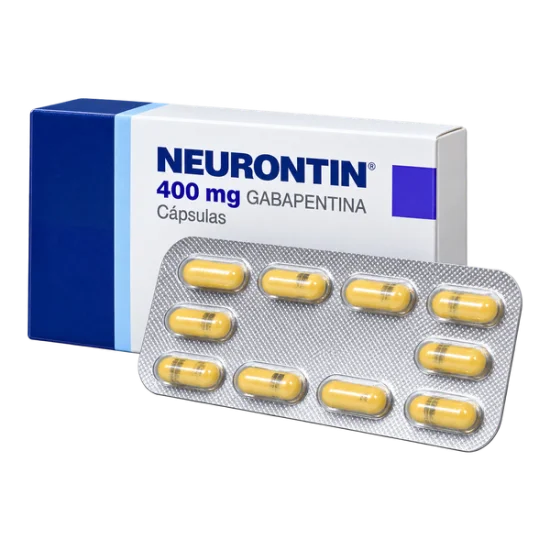
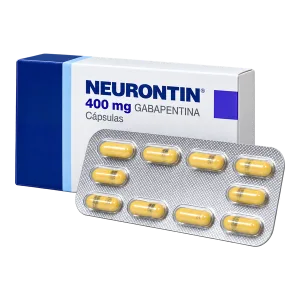
Neurontin contains gabapentin as its active pharmaceutical ingredient. The product is supplied as oral capsules. Dosing differs between strengths and between users, so there is no single amount that suits everyone.
Pharmacological Classification of Gabapentin
Gabapentin is classified as an anticonvulsant and gabapentinoid. Its action lowers excessive neuronal signalling rather than simply numbing an area of the body. This distinction explains why it may help burning, electric, shooting, or hypersensitive nerve pain that responds poorly to ordinary pain relievers.
The response is gradual for many patients. Sedation or dizziness can appear after the first doses, while improvement in nerve pain may require dose adjustment over several days or weeks.
How it affects the body
Gabapentin does not work like an opioid, a benzodiazepine, or a conventional local anaesthetic. It resembles the neurotransmitter GABA in chemical structure, yet it does not produce its main effects by directly activating GABA receptors. Instead, it binds to the alpha-2-delta-1 auxiliary subunit of voltage-gated calcium channels in nerve cells. This reduces the release of excitatory neurotransmitters involved in abnormal pain transmission and seizure activity. This mechanism does not provide immediate anaesthesia. [1]
Therapeutic indications
Neurontin is prescribed mainly for postherpetic neuralgia and partial seizures. Postherpetic neuralgia is persistent nerve pain after shingles, often described as burning, stabbing, itching, or pain from light touch. The U.S. Food and Drug Administration approved gabapentin for postherpetic neuralgia and as adjunctive therapy for partial seizures in suitable patients.
| Clinical use | Symptoms or treatment goal | Typical clinical context |
|---|---|---|
| Postherpetic neuralgia | Burning, stabbing, electric, or touch-sensitive pain after shingles | Adults with persistent nerve pain |
| Partial seizures | Reduction of focal seizure activity | Add-on treatment selected by a neurology specialist |
| Other neuropathic pain | Abnormal nerve pain from selected conditions | Use depends on clinical assessment and local prescribing practice |
The term neuropathic pain describes pain caused by irritation or dysfunction of nerves. It differs from pain caused mainly by inflammation, a sprain, or a simple muscle injury. Gabapentin may be considered when symptoms include pins and needles, electric shocks, burning, painful sensitivity to clothing, or pain after a nerve injury.
The Mayo Clinic describes gabapentin as an option for postherpetic neuralgia, while the Cleveland Clinic discusses gabapentinoids among medicines used for selected nerve-pain syndromes. These sources also stress that the underlying diagnosis determines whether gabapentin is suitable.
Management of Postherpetic Neuralgia
Postherpetic neuralgia can continue after the skin rash from shingles has healed. Pain may be constant or triggered by clothing, bed sheets, temperature changes, or a light touch. Gabapentin reduces abnormal signalling in pain pathways, so the goal is often a meaningful reduction in pain intensity and improved sleep rather than immediate complete pain removal.
Clinical evidence reviewed by the Cochrane Collaboration shows that gabapentin helps some adults with postherpetic neuralgia, while others obtain little benefit or stop treatment because of adverse effects. The response should be judged by function, sleep, pain reduction, and tolerability rather than by the first dose alone. [4]
Common mistakes
Several practical errors can reduce benefit or increase harm:
- Taking extra capsules because pain relief was not immediate.
- Stopping after one or two doses because dizziness appeared before benefit.
- Doubling the next dose after a missed dose.
- Mixing gabapentin with alcohol, opioids, or sleeping tablets without recognising the additive sedation.
- Driving before understanding the personal effect on balance and reaction time.
- Stopping suddenly after prolonged use.
- Failing to mention kidney disease when the dose is prescribed.
- Treating every type of back, joint, or muscle pain as neuropathic pain.
- Assuming a 400 mg capsule is appropriate for every patient and every treatment stage.
When not to use it
The strongest contraindication is a previous serious allergic reaction to gabapentin or any capsule ingredient. Dose selection also requires care in reduced kidney function because gabapentin leaves the body mainly through the kidneys.
Gabapentin can intensify central nervous system depression when combined with opioids, benzodiazepines, sedating antihistamines, sleep medicines, or other medicines that reduce alertness. The FDA warns that gabapentinoids may cause serious breathing problems in people with respiratory risk factors, including opioid use, chronic lung disease, older age, and combinations of sedating medicines. [2]
When this is not for you
- You previously developed a serious allergic reaction to gabapentin.
- You have severe breathing disease and are taking medicines that slow breathing without a specialist-led plan.
- You have marked kidney impairment and have not had the dose adjusted.
- You are experiencing unexplained severe sedation, confusion, or breathing difficulty after taking a gabapentinoid.
- You have new suicidal thoughts, severe agitation, or dangerous changes in behaviour.
Possible side effects
Gabapentin’s most familiar adverse effects involve the central nervous system. Dizziness, drowsiness, fatigue, blurred vision, reduced coordination, and difficulty concentrating may occur, especially after treatment begins or after an increase in dose.
In controlled postherpetic-neuralgia trials described in the FDA prescribing information, dizziness occurred in about 28% of gabapentin-treated participants and somnolence in about 21%; peripheral oedema and ataxia were reported less often. Trial percentages vary by condition, dose, age, and study design.
Common reactions include:
- Dizziness or light-headedness
- Sleepiness and fatigue
- Unsteady walking or reduced coordination
- Blurred or double vision
- Tremor
- Headache
- Dry mouth
- Nausea or constipation
- Swelling of the ankles or feet
- Increased appetite or weight gain
Weight gain is more likely during longer treatment and may be more noticeable in people with reduced activity or increased appetite. Swelling of the lower legs can also occur. Rapid swelling, breathlessness, or sudden weight increase needs prompt medical assessment because these symptoms may have causes unrelated to gabapentin.
Some patients describe a “heavy” feeling in the head rather than true sleepiness. That sensation can still impair driving, balance, and work with machinery.
Rare but serious reactions include severe allergic response, facial or throat swelling, breathing difficulty, extensive blistering rash, and severe mood or behaviour changes. Suicidal thoughts have been reported with antiseizure medicines, including gabapentin. Urgent symptoms require immediate medical attention.

Comparison
Treatment choice depends on the cause of pain, seizure type, kidney function, age, sleep pattern, mood symptoms, and previous medicine response. Neurontin contains gabapentin; other gabapentin formulations may use modified-release technology or different dosing schedules, so they should not be exchanged capsule-for-tablet without professional direction.
| Treatment approach | Main pharmacological feature | Practical limitation |
|---|---|---|
| Gabapentin, including Neurontin | Binds the alpha-2-delta subunit of voltage-gated calcium channels | Dizziness, sedation, and kidney-based dose adjustment |
| Pregabalin | Related alpha-2-delta ligand with more predictable absorption | Similar sedation, dizziness, swelling, and misuse concerns |
| Amitriptyline or duloxetine | Modifies pain processing through different neurotransmitter systems | Anticholinergic, cardiovascular, sleep, or gastrointestinal effects vary by drug |
Pregabalin is used for several neuropathic pain conditions, including diabetic peripheral neuropathy and postherpetic neuralgia in approved settings. Amitriptyline may be selected when night-time pain and sleep disruption are prominent, though dry mouth, constipation, drowsiness, and cardiovascular effects can limit use. Duloxetine may suit some patients with diabetic neuropathy or neuropathic pain alongside depressive symptoms, but nausea, sweating, blood-pressure changes, and withdrawal symptoms can occur.
The best alternative is not determined by the brand name alone. It depends on whether the primary problem is seizures, postherpetic pain, diabetic nerve pain, sleep disturbance, mood symptoms, or medicine intolerance.
What doctors say
In clinical practice, doctors usually set a small initial dose and adjust it according to pain response, sedation, kidney function, and the reason for treatment. The capsule strength does not determine a universal schedule. Dosing differs between strengths and between users, so there is no single amount that suits everyone.
A neurologist will usually ask about seizure control, missed doses, coordination, and changes in alertness. A pain clinician may ask whether clothing, walking, sleep, and daily activities have become easier. A dose that reduces pain but leaves a person unable to function may need reassessment.
The National Institute for Health and Care Excellence recommends reviewing neuropathic-pain treatment by benefit, adverse effects, sleep, physical function, and the patient’s priorities. [3] This approach prevents a numerical pain score from being the only measure of success.
Comparison
Common questions
How long does one Neurontin dose keep working?
Gabapentin has a relatively short elimination half-life, commonly around five to seven hours in adults with normal kidney function, so prescribed schedules often divide doses across the day. The duration of symptom relief can differ from the time the medicine remains measurable in blood. The FDA's 2019 prescribing information explains that kidney function changes gabapentin clearance and can alter exposure.
Can Neurontin be taken with food or on an empty stomach?
Gabapentin capsules may be taken with food or without food, provided the schedule remains consistent. Food can sometimes make swallowing easier or reduce mild stomach discomfort, but it does not remove the risk of dizziness or sedation. The NHS describes gabapentin as suitable for administration with or without food, while the FDA's 2019 information stresses adherence to the prescribed schedule.
Is Neurontin suitable for people under 18?
Use in children depends on the indication, age, seizure type, formulation, and specialist dosing plan. Gabapentin has established paediatric use for some seizure situations, while its use for postherpetic neuralgia concerns adults. The FDA's 2019 label describes age-specific indications and dosing principles, and paediatric treatment should follow a neurologist’s plan rather than an adult capsule schedule.
Which symptoms mean Neurontin should be stopped and medical help sought urgently?
Breathing difficulty, blue or grey lips, severe facial or throat swelling, widespread blistering rash, fainting, or profound inability to wake require emergency care. New suicidal thoughts, severe agitation, hallucinations, or dangerous behaviour also need urgent assessment. The FDA’s 2019 safety communication identifies respiratory depression risk with gabapentinoids in patients with respiratory risk factors, including opioid exposure.
Does Neurontin cause weight gain?
Weight gain can occur with gabapentin, often alongside increased appetite, reduced activity, or ankle swelling. It is not inevitable, and a change in weight may also reflect fluid retention or another medical condition. The Mayo Clinic lists weight-related changes among possible gabapentin adverse effects, and the FDA's 2019 prescribing information supports clinical review when weight gain is rapid or accompanied by swelling.
Can alcohol be used while taking Neurontin?
Alcohol can intensify gabapentin-related sleepiness, dizziness, poor coordination, and slowed reactions. The risk increases when alcohol is combined with opioids, benzodiazepines, sleep medicines, or other sedatives. The World Health Organization’s 2019 medicine-safety principles support avoiding combinations that produce additive central nervous system depression, especially when breathing or alertness may be affected.
Do you offer anonymous delivery?
Your order will be securely packed and shipped within 24 hours. This is exactly what your package will look like (images of an actual item sent). It has the size and look of a regular private letter (24x11x0.7 cm) and its contents cannot be seen.
Reviews: Neurontin
Rajesh, 32 - Al Ain, used the capsules at his prescribed dose for several weeks for nerve pain in his foot. He reported less electric-shock pain after adjustment, although concentration felt poorer during the first week.
Joseph, 60 - Fujairah, described moderate relief from postherpetic pain and easier dressing at night after several weeks at his prescribed dose. He stopped after ankle swelling became uncomfortable and the treatment plan was changed.
Bilal, 62 - Dubai, used gabapentin at his prescribed dose as add-on seizure treatment for several weeks. He reported fewer breakthrough symptoms but needed extra caution on stairs because his balance felt less steady.
Sultan, 31 - Ruwais, found the medicine too sedating during treatment when combined with an evening alcoholic drink. He later avoided alcohol and reported better alertness, while pain improvement remained limited.
Sources
- U.S. Food and Drug Administration (2019). Neurontin (gabapentin) Prescribing Information
- U.S. Food and Drug Administration (2019). FDA warns about serious breathing problems with gabapentin and pregabalin
- National Institute for Health and Care Excellence (2020). Neuropathic pain in adults: pharmacological management in non-specialist settings
- Cochrane (2017). Gabapentin for chronic neuropathic pain in adults