Skip to content
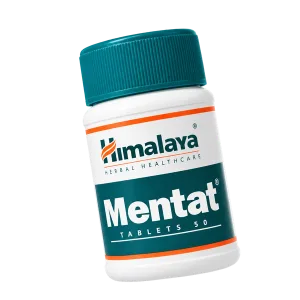
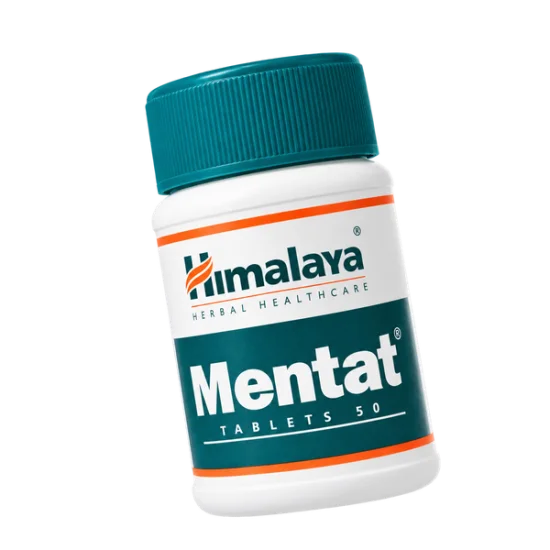
Mentat
Active ingredient: Mentat

Mentat

Quality products
24/7 Support
Fast delivery
Delivery from 4 days
Select pack Package Per unit Price

Free delivery on orders from AED 860.00, free express delivery from AED 1,290.00

Secure Payments
Track your order
Best price guarantee

Taken orally as tablets with water at a consistent time chosen for the individual, Mentat is an Ayurvedic herbal product intended to support memory, attention, and mental alertness. It suits adults seeking gentle cognitive support during periods of study, demanding work, mental fatigue, or everyday stress.

Product information

Its traditional medhya positioning refers to support for mental functioning and nervous-system balance.

Mentat belongs to the broad category of Ayurvedic cognitive-support formulations. Ayurvedic practice uses the term medhya for herbs and preparations traditionally associated with learning, recall, clarity of thought, and emotional steadiness.

The World Health Organization recognises that traditional and complementary medicine is widely used internationally, while also stressing the need for appropriate quality standards, sensible use, and clear communication about expected effects [1].

Dosage and administration

Mentat tablets are swallowed orally with water. The amount per intake is set individually for each person rather than being one fixed number. Timing should remain consistent from day to day, whether the chosen routine is earlier or later in the day.

Use follows a simple pattern:

  • Take the individually selected amount by mouth with water.
  • Choose a stable daily time that fits meals, work, and sleep.
  • Use the same routine for several weeks before judging subtle cognitive changes.
  • If one intake is missed, resume the normal schedule at the next planned time.
  • Do not take an extra amount to compensate for a missed intake.

Herbal cognitive support is usually assessed over a sustained routine rather than after a single use. A person who takes tablets only on highly stressful days may mistake natural changes in workload or sleep for a product effect.

If you notice that late-day use seems to coincide with a more restless bedtime, move the routine earlier rather than adding another tablet or changing several variables at once.

The amount should be reviewed when there is a major change in health status, a new long-term medicine, pregnancy planning, or a history of sensitivity to herbal preparations. Regular use needs to remain comfortable and easy to maintain.

Ingredients

Mentat is an Ayurvedic herbal cognitive-support formulation in tablet form. The available information does not specify its individual herbs or quantities, so no exact ingredient list can be stated.

How it affects the body

Mentat is positioned in the second group: a product used to support attention, learning capacity, and composure over time. The term nervine tonic refers to traditional support for the nervous system.

The European Medicines Agency describes quality expectations for herbal medicinal products, including consistent manufacturing and appropriate information on use [2].

Therapeutic indications

Mentat is most relevant when the aim is support for ordinary cognitive demands rather than treatment of a neurological illness. Adults may use it during intensive study periods, mentally repetitive work, high administrative workloads, or phases when stress makes concentration feel less reliable.

Potential areas of support include:

  • Maintaining attention during prolonged reading or screen-based work
  • Supporting recall while learning new information
  • Helping establish a calmer routine during mentally demanding periods
  • Supporting mental stamina when fatigue is linked to an overloaded schedule
  • Encouraging a consistent self-care structure around sleep, meals, and breaks

Memory improves through repetition, retrieval practice, sleep, and reduced distraction. Mentat cannot replace these foundations, benefits may be subtle, and changes in sleep or workload can make any effect difficult to separate from normal variation.

For students and professionals, the practical goal is often not a dramatic rise in intelligence. It is steadier concentration, fewer avoidable lapses, and a more organised daily rhythm. That is a more realistic measure of benefit.

Avoid changing several habits at once. Starting Mentat on the same day as a new energy drink, sleep supplement, and extreme diet makes it hard to identify the cause of unwanted effects.

Common mistakes

The most common mistake is expecting a one-day result. Cognitive support is difficult to judge during a chaotic week, especially if caffeine intake, sleep, and stress are changing at the same time.

Another mistake is combining multiple products marketed for energy, memory, mood, or sleep. This can create stomach upset, jitteriness, or poor sleep, while making it unclear which product caused the change.

People also sometimes use a missed dose as a reason to double the next one. That is unnecessary and can increase the chance of intolerance.

A fourth mistake is overlooking a new symptom. Repeated confusion, getting lost, personality change, frequent falls, tremor, or trouble managing familiar tasks calls for medical evaluation rather than a longer self-directed course.

Bring a written list of all regular medicines and supplements to a medical appointment. Include powders, herbal teas, and occasional sleep aids, since these are often forgotten in medication histories.

When not to use it

Use caution if you:

  • Take medicines that affect mood, sleep, attention, blood pressure, blood sugar, or blood clotting
  • Have epilepsy or a history of seizures
  • Have significant liver or kidney disease
  • Have a diagnosed neurological condition or unexplained memory decline
  • Are scheduled for surgery or a procedure requiring sedation
  • Have previously developed rash, breathing symptoms, or gastrointestinal intolerance with herbal products

When this is not for you

Mentat is not for you if you have had an allergic reaction to it or to any herbal component in a similar preparation.

Avoid starting a new herbal cognitive product during pregnancy or breastfeeding without an individual medical review. Pregnancy safety cannot be assumed from traditional use alone.

Possible side effects

Mentat is generally approached as a supportive herbal tablet rather than a fast-acting stimulant. Tolerability can vary between people, especially when someone has a sensitive stomach, a history of allergies, or uses several medicines and supplements together.

Possible unwanted effects with herbal tablets can include:

  • Mild stomach discomfort, nausea, or altered bowel habits
  • Headache or a sense of restlessness
  • Skin itching, rash, or swelling in someone sensitive to a constituent
  • Changes in sleep quality when the routine is taken at an unsuitable time
  • Difficulty identifying the cause of symptoms when several new products start together

Stop use and seek urgent medical help for facial swelling, wheezing, widespread hives, fainting, severe vomiting, or signs of a serious allergic reaction. Sudden confusion, weakness on one side of the body, speech difficulty, severe headache, or a seizure also requires urgent assessment; these are not symptoms to manage with a cognitive-support supplement.

Comparison

Mentat has a broad traditional cognitive-support role. It is not designed to replace treatment for diagnosed attention disorders, dementia, severe anxiety, depression, or neurological disease.

Approach Main purpose When it is more appropriate
Mentat tablets Traditional support for memory, attention, and mental stamina Everyday mental fatigue or a structured cognitive-wellbeing routine
Single-ingredient herbal product Focused use of one botanical constituent When a clinician wants to assess tolerance to one ingredient at a time
Medical assessment and prescribed treatment Diagnosis and treatment of an identified condition Persistent memory decline, disabling anxiety, severe low mood, confusion, or functional impairment

A single-ingredient approach can make it easier to identify what causes an unwanted reaction. A multi-component traditional formulation may appeal to people looking for a broader routine, though it also makes individual sensitivity harder to pinpoint.

Prescription treatment has a different role. It is selected when symptoms meet criteria for a medical condition and when a clinician has weighed benefits, risks, interactions, and follow-up needs. NICE guidance on cognitive assessment emphasises evaluation of persistent cognitive changes rather than self-treating progressive symptoms [3].

What doctors say

In clinical practice, doctors usually begin by asking what the person means by poor concentration. A sleep-deprived employee, an anxious student, and an older adult with new memory problems may use the same words while needing very different support.

A doctor may view Mentat as one element of a wider routine when the goal is everyday cognitive wellbeing. The expected result should be gradual and practical, such as feeling more able to complete reading tasks or maintain a consistent work rhythm. It should not be framed as treatment for dementia, ADHD, major depression, or a sudden neurological symptom.

Sleep comes first. A clinician may review sleep duration and quality before attributing concentration problems to low mental stamina. Regular sleep can also make changes in attention easier to judge. Other factors may include workload, caffeine, alcohol, medicines, and mood. This broader review helps identify when a supplement routine is unsuitable.

For adults with persistent concentration problems, clinicians often consider sleep quality, thyroid function, iron status, alcohol intake, medication effects, anxiety, depression, and workload before attributing the difficulty to low mental stamina. The WHO has also highlighted the value of integrating traditional medicine responsibly within person-centred health care [4].

Comparison

Artane

Active ingredient: Trihexyphenidyl
2mg
From AED 709.50
pills
4.2 (3)

Exelon

Active ingredient: Rivastigmine
3mg 6mg
From AED 176.30
pills
4.2 (3)

Mentat Current

Active ingredient: Mentat
60caps
From AED 434.30
bottles
3.8 (3)

Mestinon

Active ingredient: Pyridostigmine
60mg
From AED 438.60
pills
4.2 (5)

Neurontin

Active ingredient: Gabapentin
100mg 300mg 400mg 600mg 800mg
From AED 176.30
pills
3.3 (5)

Comparison table: Neurology

Common questions

Can Mentat be used during pregnancy or breastfeeding?

Pregnancy and breastfeeding require an individual medical review before starting Mentat. Traditional use does not establish safety for fetal development or nursing infants, and botanical preparations may contain several active plant constituents. The European Medicines Agency has long applied cautious standards to herbal use in populations where safety data are limited, including during pregnancy. This caution remains appropriate in 2026.

Can Mentat affect driving, concentration, or work with machinery?

A person should first assess their own response before driving or operating machinery after beginning Mentat. If dizziness, unusual sleepiness, restlessness, blurred focus, or stomach discomfort occurs, postpone safety-sensitive tasks until the effect has passed. MOHAP-aligned clinical practice places safety-sensitive work above experimentation with any new health product. This is relevant in 2026 for drivers, equipment operators, and people working at height.

How does Mentat differ from a single-ingredient cognitive supplement?

Mentat is used as a traditional multi-component cognitive-support formulation, while a single-ingredient product focuses on one botanical constituent. The practical advantage of a single-ingredient option is simpler assessment of tolerance; the limitation is that it offers a narrower approach. Mentat may suit people who prefer a broader traditional routine, provided they tolerate it well. WHO discussions published in 2019 describe traditional medicine as diverse in both ingredients and practice models.

Which symptoms mean I should stop Mentat and seek urgent medical help?

Stop use and obtain urgent care for breathing difficulty, facial or throat swelling, widespread hives, fainting, or severe vomiting. Seek urgent assessment for sudden confusion, one-sided weakness, new speech problems, seizures, severe headache, or abrupt vision changes. These symptoms can signal an allergic reaction or an acute medical problem unrelated to routine cognitive support. WHO emergency-care principles published in 2023 prioritise rapid assessment of sudden neurological symptoms.

What should I discuss with a doctor before starting Mentat?

Discuss all prescription medicines, non-prescription treatments, vitamins, herbal products, and regular caffeine or alcohol use. Mention epilepsy, liver or kidney disease, pregnancy plans, previous allergic reactions, sleep problems, and any history of depression, anxiety, or unexplained cognitive decline. A doctor can also distinguish ordinary stress-related distractibility from symptoms that need testing or specialist assessment. NICE clinical guidance updated in 2023 continues to support structured assessment when cognitive symptoms affect daily function.

How long can a course of Mentat last, and is long-term use acceptable?

The course length and individual intake should be set according to the person’s goal, tolerance, other medicines, and changes in symptoms. A planned review after several weeks is more useful than open-ended use without checking whether there is a meaningful benefit. Long-term use needs reassessment if new medicines are added, health status changes, or unwanted effects develop. EMA herbal-medicine quality guidance published in 2017 supports continued attention to suitability and product use over time.

Do you offer anonymous delivery?

Your order will be securely packed and shipped within 24 hours. This is exactly what your package will look like (images of an actual item sent). It has the size and look of a regular private letter (24x11x0.7 cm) and its contents cannot be seen.

Reviews: Mentat

3.8
Based on 3 reviews
Arjun, 29 Dubai Six weeks
Verified
Rating: 5 out of 5

I started it during a certification course while working full-time. The first week felt no different, but I became more consistent with revision sessions after I paired it with an earlier bedtime. I did not get a sudden boost, which was actually fine because I was looking for a steadier routine.

6 Oct 2026
Waleed, 40 Umm Al Quwain One month
Verified
Rating: 4 out of 5

My attention at work felt less scattered by the third week, though I also cut down on late coffee. I had mild stomach discomfort on two mornings when I took it without breakfast, so I shifted the timing and that settled.

20 Oct 2026
Imran, 57 Al Reem Island Five weeks
Verified
Rating: 2.5 out of 5

I hoped it would help with names and small forgetful moments. I did not notice a major change, and my family doctor advised checking my sleep and regular medicines because the forgetfulness had been going on for months. I stopped the tablets while that was being assessed.

3 Nov 2026

Sources

  1. World Health Organization (2019). WHO global report on traditional and complementary medicine 2019.
  2. European Medicines Agency (2017). Guideline on quality of herbal medicinal products/traditional herbal medicinal products.
  3. National Institute for Health and Care Excellence (2018). Dementia: assessment, management and support for people living with dementia and their carers.
  4. World Health Organization (2023). WHO traditional medicine global summit declaration.
Get our free app Shop faster and track your orders 3.9 · 576 reviews Install