Skip to content
Exelon
Active ingredient: Rivastigmine

Exelon

Quality products
24/7 Support
Fast delivery
Delivery from 4 days
Select pack Package Per unit Price

Free delivery on orders from AED 860.00, free express delivery from AED 1,290.00

Secure Payments
Track your order
Best price guarantee

Exelon is taken as an oral capsule for symptomatic treatment of mild to moderate Alzheimer’s dementia and Parkinson’s disease dementia. It contains rivastigmine, which increases acetylcholine activity in the brain and may support attention, memory, and daily functioning.

Product information

Exelon is taken as an oral capsule, usually with food, for symptomatic treatment of mild to moderate Alzheimer’s dementia and Parkinson’s disease dementia. It contains rivastigmine, which increases acetylcholine activity in the brain and may support attention, memory, and daily functioning. The treatment does not cure dementia or stop the underlying disease process.

Dosage and administration

Exelon patches and transdermal use

Exelon is also associated with transdermal patches that deliver rivastigmine through the skin. A patch may be considered when swallowing capsules is difficult, when regular oral dosing is unreliable, or when steadier drug delivery is clinically preferred.

Patch strength progression

Common rivastigmine patch delivery rates are available in different strengths. A clinician generally begins with the lower delivery rate and considers an increase after assessing tolerance and response. Patch labels should not be converted into oral capsule doses by arithmetic.

One patch is worn at a time and replaced daily. The old patch must be removed before a new one is applied. Suitable application sites include clean, dry, intact skin on the back, upper arm, chest, or upper torso, according to the prescribed product information.

Patch application technique

Do not cut a rivastigmine patch. Avoid placing a heating pad, hot-water bottle, sauna exposure, or prolonged direct heat over it because heat can alter drug delivery.

Keep a written patch-change schedule. Mark the removal and replacement time, then check the skin after removing the old patch. This prevents accidental double application.

The capsule regimen described on this page concerns oral Exelon. Patch treatment requires its own prescription instructions.

Exelon capsules and oral formulations

Exelon capsules contain rivastigmine and are swallowed by mouth. Oral presentations may include different strengths, with higher strengths used only after prescribed titration. The capsule strength is not the same as the total daily dose.

Capsule strengths and titration

Rivastigmine capsules are commonly started at a low dose, then increased step by step when the person tolerates treatment. The prescriber may hold the current dose or reduce it if nausea, vomiting, appetite loss, dehydration, dizziness, or weight loss develops.

Capsules should be swallowed whole with food. Crushing, chewing, or opening a capsule can alter how the medicine is taken and may make accurate administration difficult.

Administration with food

Taking rivastigmine on an empty stomach may worsen nausea in some people. A regular meal also helps caregivers link the dose with an established daily routine.

A missed meal should not lead to an improvised extra capsule. The prescribed schedule remains the reference point, and missed-dose instructions should be confirmed through the dispensing pharmacist or prescriber connected with the treatment.

Exelon dosage and administration

How much Exelon to use and how often it is taken depend on the purpose of treatment and are agreed with a doctor or pharmacist. Rivastigmine capsules are commonly administered twice daily with food when that regimen has been prescribed. The starting dose, dose increases, and maximum tolerated dose are individual clinical decisions.

Capsule dose escalation

Capsule treatment normally follows a low-dose initiation followed by gradual titration. The clinician considers:

  • Cognitive diagnosis and stage of disease.
  • Appetite, body weight, hydration, and falls.
  • Kidney and liver function.
  • Pulse and cardiovascular history.
  • Other medicines that affect heart rate or stomach bleeding.
  • Nausea, vomiting, diarrhoea, dizziness, or sleep disturbance.

Do not increase the capsule strength because memory seems unchanged after a short period. Rivastigmine needs clinical review over time, and a higher dose can increase adverse effects without producing a proportionate benefit.

Patch dose escalation

The FDA prescribing information for Exelon describes separate administration instructions for capsules, oral solution, and transdermal patches [2]. This distinction matters when a patient changes formulation after swallowing problems, poor adherence, or gastrointestinal intolerance.

Missed doses and treatment restart

If one capsule is missed, the patient should follow the prescribed missed-dose instruction and should not take two doses together unless specifically directed. A prolonged interruption can require restarting at the lowest dose rather than returning to the previous strength.

A missed patch requires removal of any old patch before applying another one. Suspected multiple-patch exposure, repeated vomiting, fainting, severe weakness, breathing difficulty, or marked slowing of the heartbeat needs urgent medical help.

Caregivers can keep a simple dose record beside the medication routine. Recording the time taken is safer than relying on memory when several people help with care.


Ingredients

Active ingredient and drug class

The active ingredient is rivastigmine. It belongs to the cholinesterase inhibitor class, meaning it slows the enzymes that break down acetylcholine, a chemical messenger involved in memory and attention.

Exelon capsules require an individual prescription regimen. The chosen dose depends on the diagnosis, previous treatment, body weight, kidney and liver function, other medicines, and tolerance.

Take the capsule with a meal rather than on an empty stomach. This simple timing change may reduce nausea for some people.

How it affects the body

Rivastigmine inhibits acetylcholinesterase and butyrylcholinesterase. These enzymes normally break down acetylcholine in the central nervous system, meaning the brain and spinal cord. By slowing that breakdown, rivastigmine increases the availability of acetylcholine between nerve cells.

The extra acetylcholine may support the remaining communication pathways involved in attention, memory, and everyday tasks. More acetylcholine does not automatically produce better cognition. The response depends on the condition, the stage of dementia, the dose, and the person’s tolerance.

Acetylcholine activity in the central nervous system

A useful way to understand the mechanism is to think of rivastigmine as reducing the speed at which an important messenger is cleared away. It does not create new brain cells or repair established neurological damage. Its role is to help preserve signalling through pathways that remain active.

The same cholinergic activity can affect the digestive tract, heart rate, and balance. Nausea, vomiting, diarrhoea, dizziness, reduced appetite, and a slow pulse can occur because acetylcholine also acts outside the brain.

Therapeutic indications

Approved clinical uses

Exelon is prescribed when a clinician has assessed cognitive decline consistent with Alzheimer’s disease or Parkinson’s disease dementia. The expected benefit is symptom control rather than restoration of normal memory. Some patients show better attention or daily functioning, while others experience limited improvement or mainly a slower decline in abilities.

Treatment response is usually judged through cognition, appetite, weight, falls, daily activities, and adverse effects. A family member or caregiver may notice changes before the patient does, so practical observations can help during clinical reviews.

Expected treatment response

Clinical benefit is usually modest and should be assessed through function rather than memory tests alone. A person may manage dressing, meals, conversations, or familiar routines with less difficulty without describing a dramatic memory improvement.

The European Medicines Agency describes rivastigmine as a symptomatic treatment for Alzheimer’s dementia and dementia associated with Parkinson’s disease [1]. If adverse effects outweigh functional benefit, the prescriber may reduce the dose, pause escalation, change formulation, or stop treatment.

Common mistakes

Several administration errors can reduce benefit or increase harm:

  • Taking capsules without food and then assuming the medicine is intolerable.
  • Increasing the strength because improvement is not immediate.
  • Restarting the previous dose after several days without treatment.
  • Applying a new patch before removing the old one.
  • Applying a patch to irritated skin or placing heat over it.
  • Forgetting to rotate patch sites.
  • Stopping treatment abruptly without a planned review.
  • Ignoring weight loss because nausea seems mild.
  • Taking an extra capsule after forgetting a dose.
  • Sharing Exelon with a relative who has memory problems.
After removing a patch, inspect the skin and record the site used. Rotating locations reduces repeated irritation and makes it easier to notice whether the old patch has been removed.

When several caregivers are involved, one written schedule is safer than separate reminders. It should record capsule doses or patch removal and replacement without relying on verbal handovers.

When not to use it

Medicines that increase ulcer or gastrointestinal bleeding risk require an interaction check.

When this is not for you

Exelon may not be suitable if you have fainting, heart-rate or conduction problems, unexplained falls, severe dizziness, or difficulty maintaining your weight and hydration. Seek urgent care for severe weakness, breathing difficulty, widespread blistering, facial swelling, or swelling of the lips or tongue. Exelon should never be shared with another person, even when the symptoms appear similar.

Possible side effects

Rivastigmine’s most frequent tolerability problems involve the digestive system. Nausea, vomiting, diarrhoea, reduced appetite, abdominal discomfort, dizziness, and weight loss may appear during initiation or after a dose increase.

Older adults with frailty can become dehydrated or lose clinically significant weight quickly. Persistent vomiting or diarrhoea should be reported promptly because the danger comes from fluid loss, electrolyte disturbance, falls, kidney stress, and poor nutrition.

Common gastrointestinal effects

Mild nausea may improve when capsules are taken with food and titration proceeds more slowly. Repeated vomiting is different. It can prevent adequate fluid intake and may indicate that the current dose is not tolerated.

Serious gastrointestinal reactions can become dangerous through dehydration, bleeding, or other complications. The Exelon EPAR scientific discussion describes the clinical evidence and safety assessment behind the medicine [3].

Track appetite and body weight in frail patients. A belt becoming loose, skipped meals, reduced drinking, or increasing daytime weakness can be more useful warning signs than a single symptom score.

Cardiovascular, neurological, and skin precautions

Rivastigmine may slow the heart rate. Extra clinical review is needed when the patient has fainting, conduction problems, unexplained falls, or uses other medicines that reduce heart rate.

Dizziness can increase fall risk, especially during initiation or dose escalation. Severe weakness, fainting, new confusion, or difficulty breathing requires urgent assessment.

With patches, redness or itching at the application site can occur. Widespread blistering, facial swelling, extensive rash, or swelling of the lips or tongue requires urgent care because it may signal a serious hypersensitivity reaction.

Alcohol may worsen dizziness and falls, so intake should be discussed as part of the treatment review.

Comparison

Exelon and related dementia treatments

Rivastigmine, donepezil, and galantamine are cholinesterase inhibitors. Memantine belongs to a different class, the NMDA receptor antagonists, and is used in different clinical contexts and stages of dementia.

Treatment category Main pharmacological role Practical considerations
Rivastigmine Inhibits acetylcholinesterase and butyrylcholinesterase Capsules and patches; nausea, appetite loss, weight loss, dizziness, and slow pulse require monitoring
Donepezil or galantamine Cholinesterase inhibition Oral regimens with their own titration and gastrointestinal or cardiovascular considerations
Memantine NMDA receptor antagonism Used in selected moderate or severe dementia contexts; dizziness and confusion may affect tolerability

A clinician may choose rivastigmine when both cholinesterase pathways are considered relevant, when a patch could help with swallowing or adherence, or when prior treatment response supports its use. Donepezil or galantamine may suit a person who prefers a different oral schedule or has a different tolerability profile.

Memantine is not a universal replacement for a cholinesterase inhibitor. Combination treatment may be considered for selected patients, but it requires review of diagnosis, stage, cognition, falls, kidney function, and adverse effects.

What doctors say

In clinical practice, doctors and pharmacists usually assess whether Exelon helps the person function more independently, communicate more consistently, or manage familiar routines with less assistance. A higher dose is not automatically better when appetite, hydration, pulse, or balance deteriorates.

Monitoring often includes:

  • Weight and appetite, especially in frail adults.
  • Fluid intake and signs of dehydration.
  • Pulse, fainting, falls, and dizziness.
  • Nausea, vomiting, diarrhoea, and abdominal pain.
  • Patch-site irritation when transdermal therapy is used.
  • Whether doses are being taken or patches replaced correctly.
  • Changes in daily activities noticed by caregivers.

A practical clinical question is, “What can the person do now that was becoming difficult before treatment?” That answer can be more meaningful than expecting a striking memory improvement.

The EMA’s assessment records distinguish symptomatic benefit from disease modification, and that distinction remains central to treatment expectations [4].

Comparison

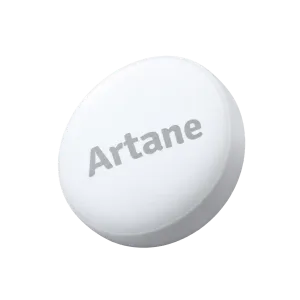
Artane

Active ingredient: Trihexyphenidyl
2mg
From AED 709.50
pills
4.2 (3)

Exelon Current

Active ingredient: Rivastigmine
3mg 6mg
From AED 176.30
pills
4.2 (3)

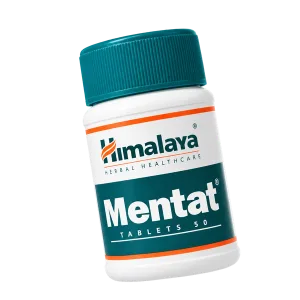
Mentat

Active ingredient: Mentat
60caps
From AED 434.30
bottles
3.8 (3)

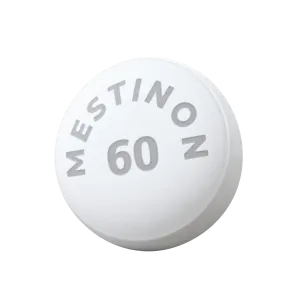
Mestinon

Active ingredient: Pyridostigmine
60mg
From AED 438.60
pills
4.2 (5)

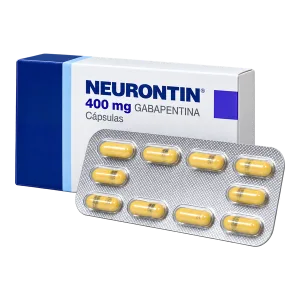
Neurontin

Active ingredient: Gabapentin
100mg 300mg 400mg 600mg 800mg
From AED 176.30
pills
3.3 (5)

Comparison table: Neurology

Common questions

Which symptoms mean Exelon should be stopped and urgent medical help obtained?

Urgent assessment is needed for fainting, severe weakness, breathing difficulty, repeated vomiting, marked dehydration, suspected exposure to multiple patches, or a very slow heartbeat. Widespread blistering, facial swelling, or swelling of the lips and tongue can indicate a serious allergic reaction. The FDA Exelon prescribing information, revised in 2023, supports prompt assessment of severe reactions rather than self-management. Do not take an extra dose while waiting for clinical instructions.

Can a person drive, concentrate, or operate machinery while taking Exelon?

Exelon can cause dizziness, fainting, blurred vision, weakness, or other effects that impair driving and machinery work. The risk is higher during initiation, after a dose increase, or when the patient is dehydrated. The EMA Exelon product information issued in 2006 advises assessing individual response before undertaking activities requiring reliable alertness. A person who has recently fallen, fainted, or feels dizzy should avoid driving or hazardous machinery until the treatment has been reviewed.

Does Exelon cause nausea?

Yes. Nausea is a recognised adverse effect of rivastigmine and may occur when treatment starts or the dose increases. Taking capsules with food and using gradual titration can improve tolerability for some patients, while persistent vomiting can cause dehydration and weight loss. The EMA scientific assessment from 2006 identifies gastrointestinal reactions among the main tolerability concerns associated with rivastigmine.

What should happen after a missed Exelon capsule or patch?

Do not double the next capsule or apply two patches. Remove an old patch before applying another one, and seek urgent help if two patches were worn together or overdose symptoms develop. After an interruption lasting several days, restarting at the former dose may be unsafe because the prescriber may need to return to a lower starting dose. The Exelon FDA label, revised in 2023, provides separate instructions for missed oral doses and treatment interruption.

Can Exelon be used during pregnancy or breastfeeding?

Rivastigmine is generally reserved for situations where the prescriber judges that treatment benefit outweighs potential risk during pregnancy. Human pregnancy data are limited, and dementia treatment decisions require assessment of the individual clinical situation. Breastfeeding also requires a specific review because it is not established how much rivastigmine or its metabolites pass into human milk. The EMA Exelon product information issued in 2006 should be reviewed before treatment is started, continued, or changed during pregnancy or breastfeeding.

What happens after stopping Exelon, and does it need tapering?

Stopping Exelon may lead to the return or worsening of dementia symptoms that had been supported by treatment. It does not usually require a prolonged taper in the same way as some psychiatric medicines, yet the prescriber may still plan a gradual reduction or a lower restart after interruption. The decision depends on treatment duration, current dose, adverse effects, and functional response. NICE dementia guidance from 2018 supports reviewing benefit and tolerability rather than stopping or continuing cholinesterase inhibitors automatically.

Do you offer anonymous delivery?

Your order will be securely packed and shipped within 24 hours. This is exactly what your package will look like (images of an actual item sent). It has the size and look of a regular private letter (24x11x0.7 cm) and its contents cannot be seen.

Reviews: Exelon

4.2
Based on 3 reviews
Hassan, 26 Bur Dubai Several weeks
Verified
Rating: 3.5 out of 5

The routine worked better when the capsule was linked to breakfast. Nausea appeared after the first increase, so the prescriber kept the lower dose for longer. The memory change was small, but mornings became less difficult.

26 Oct 2026
Joel, 26 Madinat Zayed One week
Verified
Rating: 4 out of 5

The first week brought poor appetite and dizziness. Taking it with food helped, and the symptoms settled after the dose was reviewed. We began writing down each dose because two people were helping.

2 Nov 2026
Imran, 48 Mussafah A few months
Verified
Rating: 5 out of 5

After a few months, conversations and familiar tasks seemed steadier. I still had occasional stomach upset, and I did not notice a dramatic memory recovery. The benefit was worth continuing after the clinician reviewed my weight and pulse.

6 Oct 2026

Sources

  1. European Medicines Agency (2006). Exelon — EPAR: Scientific Discussion
  2. U.S. Food and Drug Administration (2023). Exelon (rivastigmine tartrate) Capsules, Oral Solution, and Transdermal System — Prescribing Information
  3. European Medicines Agency (2006). Exelon — Summary of Product Characteristics
  4. European Medicines Agency (2006). Exelon — EPAR: Procedural Steps Taken Before Authorisation
Get our free app Shop faster and track your orders 3.9 · 576 reviews Install