Skip to content
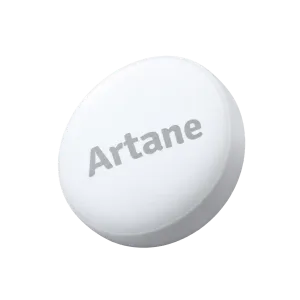
Artane
Active ingredient: Trihexyphenidyl

Artane

Quality products
24/7 Support
Fast delivery
Delivery from 4 days
Select pack Package Per unit Price

Free delivery on orders from AED 860.00, free express delivery from AED 1,290.00

Secure Payments
Track your order
Best price guarantee

By reducing the activity of acetylcholine in the brain, Artane helps ease tremor, muscle stiffness, and certain involuntary movements. It is used in adults with Parkinson’s disease or medicine-related movement disorders.

Product information

Artane contains trihexyphenidyl, an anticholinergic medicine used to manage selected movement symptoms. It is prescribed for Parkinson’s disease and for extrapyramidal movement disorders caused by medicines that affect dopamine signalling, including some antipsychotic treatments.

Dosage and administration

Artane is supplied as oral tablets. The amount per intake is set individually for each person rather than being one fixed number. Prescribers usually begin with a low amount and adjust gradually according to tremor control, stiffness, adverse effects, age, other medicines, and cognitive tolerance.

Tablets are commonly taken in divided doses during the day. Taking a dose after food may reduce stomach discomfort for some people. A regular daily routine helps prevent missed doses and makes it easier to recognise whether a dose adjustment has changed symptoms.

Common administration points include:

  • Swallow the tablet with water.
  • Take it at the same planned times each day.
  • Use the prescribed schedule rather than changing the amount for a difficult symptom day.
  • If a dose is missed, take it when remembered unless the next planned dose is close.
  • Do not take two doses together to make up for one missed dose.
  • Do not stop suddenly after regular use unless the prescriber directs it.

Abrupt withdrawal may allow Parkinsonian symptoms or medication-related movement symptoms to return quickly. Gradual changes allow a clinician to distinguish recurrence of movement symptoms from adverse effects caused by excessive anticholinergic activity.

Keep a brief record for the first several weeks: tremor level, bowel pattern, vision changes, sleep, and any confusion. This is more useful at a dose-review appointment than trying to remember isolated good or bad days.

Ingredients

Artane contains trihexyphenidyl, an anticholinergic medicine used to manage selected movement symptoms. It is supplied as oral tablets, with the amount per intake set individually by the prescriber rather than being one fixed amount for everyone.

How it affects the body

Trihexyphenidyl blocks muscarinic acetylcholine receptors in the central nervous system. Acetylcholine is a neurotransmitter, meaning a chemical messenger that nerve cells use to communicate. In Parkinson’s disease, reduced dopamine leaves acetylcholine activity relatively unopposed in parts of the brain involved in movement.

Lowering this cholinergic activity can reduce tremor and relax stiff muscles. The effect is symptomatic rather than restorative: Artane does not replace dopamine or repair dopamine-producing nerve cells. Regulatory product information describes anticholinergic effects as a recognised pharmacological mechanism that may also affect the eyes, bowel, bladder, memory, and alertness. [2]

Artane can also reduce extrapyramidal symptoms caused by dopamine-blocking medicines. These symptoms may include rigidity, tremor, muscle contractions, and an uncomfortable inability to remain still.

The expected benefit should be weighed against the medicine’s anticholinergic adverse effects.

A sudden increase in confusion, blurred vision, constipation, or difficulty passing urine can signal excessive anticholinergic effect. These symptoms are more clinically significant than ordinary mild dry mouth.

Therapeutic indications

Artane contains trihexyphenidyl, an anticholinergic medicine used to manage selected movement symptoms. It is prescribed for Parkinson’s disease and for extrapyramidal movement disorders caused by medicines that affect dopamine signalling, including some antipsychotic treatments. Trihexyphenidyl does not slow the underlying progression of Parkinson’s disease, yet it may reduce symptoms that interfere with daily movement. [1]

Parkinson’s disease involves a gradual loss of dopamine-producing nerve cells. Dopamine helps coordinate smooth, purposeful movement. When dopamine activity falls, acetylcholine can exert a relatively stronger effect in movement-control pathways, contributing to tremor and stiffness.

Therapeutic Targets in Movement Disorders

Artane is most useful when tremor, rigidity, muscle spasm, or involuntary movements are prominent. It may be used alone in selected situations or alongside other Parkinson’s treatments when a prescriber considers the symptom pattern suitable.

Symptoms that may improve include:

  • Resting tremor in the hands or limbs
  • Muscle rigidity and reduced arm swing
  • Drug-induced dystonia, meaning sustained abnormal muscle contractions
  • Parkinsonian symptoms linked to dopamine-blocking medicines
  • Some forms of medication-related restlessness or abnormal posture

A key limitation is that trihexyphenidyl tends to help tremor and stiffness more than slowed movement, balance problems, or freezing episodes. Older adults often experience more cognitive adverse effects from anticholinergic treatment than younger adults.

Dry mouth can appear early, even before motor benefit is obvious. Frequent small sips of water and sugar-free chewing gum may help, while persistent mouth dryness deserves attention because it increases tooth-decay risk.

Common mistakes

  • Taking an extra tablet for breakthrough tremor: Anticholinergic effects can rise quickly, while tremor may not improve proportionately.
  • Stopping after dry mouth without reporting it: Dry mouth is common and may be manageable, while sudden discontinuation can bring symptoms back.
  • Ignoring constipation for several days: Reduced bowel movement can become severe if it progresses.
  • Driving after a dose increase: Blurred vision, drowsiness, and slower reactions may be most noticeable during early adjustment.
  • Combining multiple sedating or anticholinergic medicines without review: The combined burden may cause confusion or urinary retention.
  • Assuming memory changes are part of ageing: A new cognitive change after starting or increasing Artane needs clinical review.

A practical pattern seen in movement-disorder care is that people focus on their hands because tremor is visible, while relatives first notice confusion, reduced conversation, or sleep disruption. Both observations matter when judging whether treatment is balanced.

When not to use it

Artane is not for you if you have narrow-angle glaucoma, a blockage affecting the stomach or intestines, or a known allergy to trihexyphenidyl or tablet ingredients. Its anticholinergic action can raise pressure inside the eye and can worsen reduced gut movement or urinary retention.

When this is not for you

Extra caution is needed with:

  • Enlarged prostate or a history of difficulty passing urine
  • Heart rhythm disturbances or rapid heartbeat
  • Chronic constipation
  • Myasthenia gravis
  • Dementia, delirium, or a history of hallucinations
  • Severe liver or kidney impairment
  • Older age with falls, frailty, or memory impairment

Medicine combinations matter. Other anticholinergic medicines can add to dry mouth, constipation, blurred vision, confusion, and urinary retention. Sedating medicines, sleeping tablets, strong pain medicines, antihistamines with anticholinergic effects, and some medicines for bladder symptoms may intensify drowsiness or cognitive impairment.

Alcohol may increase dizziness, sedation, slowed reactions, and poor judgement. The National Institute for Health and Care Excellence advises that Parkinson’s treatment should be individualised according to symptoms, treatment burden, coexisting illness, and adverse effects. [4]

Possible side effects

Artane can cause peripheral anticholinergic effects because acetylcholine also regulates saliva production, pupil size, bowel movement, sweating, and bladder emptying. Dry mouth, constipation, blurred vision, nausea, and reduced sweating are among the more common effects.

Central nervous system effects require closer attention. Sleepiness, dizziness, agitation, memory problems, poor concentration, confusion, and hallucinations can occur, with risk rising in older adults or after a dose increase. The 2023 American Geriatrics Society Beers Criteria lists strong anticholinergic medicines as potentially inappropriate for many older adults because of their association with confusion, delirium, falls, and cognitive burden. [3]

Seek urgent medical assessment for severe eye pain with visual halos, an inability to pass urine, intense abdominal pain with marked constipation, fever with reduced sweating, severe confusion, or hallucinations.

Effect area Possible effects Practical response
Mouth, bowel, bladder Dry mouth, constipation, difficulty urinating Maintain fluids, monitor bowel changes, report urinary difficulty promptly
Eyes and vision Blurred vision, sensitivity to light Avoid driving if vision is affected
Brain and behaviour Drowsiness, memory problems, confusion, hallucinations Avoid alcohol and seek review after a new or worsening change

Memory problems deserve specific attention. Forgetting names or misplacing items can have many causes, yet a new pattern that begins after starting Artane or increasing the dose should be assessed as a possible medicine effect. Family members may notice subtle changes first, such as repeated questions, unusual irritability, or losing track of a conversation.

Comparison

Trihexyphenidyl is one approach for tremor, rigidity, and drug-induced extrapyramidal symptoms. It is not the preferred option for every person with Parkinson’s disease. Dopamine-focused medicines may better address bradykinesia, meaning slowness of movement, while anticholinergics are often reserved for selected symptom patterns.

Treatment approach Main mechanism Clinical role
Trihexyphenidyl Reduces central muscarinic acetylcholine activity Tremor, rigidity, and selected medicine-related movement symptoms
Biperiden Anticholinergic activity in movement pathways Similar symptom-focused approach, with similar anticholinergic limitations
Dopamine replacement therapy Increases or replaces dopamine signalling Broader Parkinson’s motor symptom control in many treatment plans

Biperiden is the closest alternative by mechanism. Both medicines can reduce cholinergic overactivity and may cause dry mouth, constipation, blurred vision, confusion, and urinary difficulty. Choice depends on the movement problem being treated, age, cognitive health, response to prior treatment, and the rest of the medicine regimen.

For drug-induced movement disorders, clinicians also assess whether the triggering medicine can be adjusted. A lower dose, slower titration, or a different dopamine-blocking treatment may sometimes reduce symptoms without increasing anticholinergic burden. The WHO model formulary discusses anticholinergic medicines as targeted treatments for extrapyramidal adverse effects rather than routine treatment for every movement complaint. [5]

What doctors say

In clinical practice, prescribers usually look for a clear target symptom before starting Artane. A person troubled mainly by resting tremor or rigid muscle tone may gain more from trihexyphenidyl than someone whose dominant issue is poor balance, falls, or freezing while walking.

Doctors also watch closely after each dose adjustment. Improvement in tremor is useful only if attention, memory, bowel function, vision, and bladder function remain manageable. Cognitive changes are not a minor inconvenience in an older person; they can increase falls, reduce independence, and complicate adherence to the rest of a Parkinson’s regimen.

Comparison

Artane Current

Active ingredient: Trihexyphenidyl
2mg
From AED 709.50
pills
4.2 (3)

Exelon

Active ingredient: Rivastigmine
3mg 6mg
From AED 176.30
pills
4.2 (3)

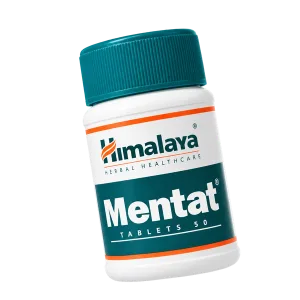
Mentat

Active ingredient: Mentat
60caps
From AED 434.30
bottles
3.8 (3)

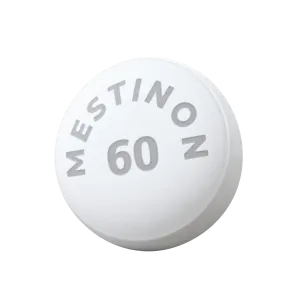
Mestinon

Active ingredient: Pyridostigmine
60mg
From AED 438.60
pills
4.2 (5)

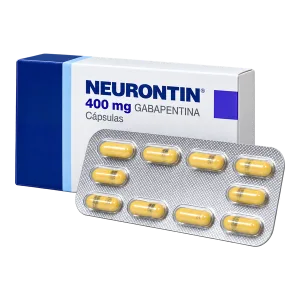
Neurontin

Active ingredient: Gabapentin
100mg 300mg 400mg 600mg 800mg
From AED 176.30
pills
3.3 (5)

Comparison table: Neurology

Common questions

Can Artane affect driving, concentration, or work with machinery?

Artane may cause blurred vision, dizziness, drowsiness, slowed reactions, poor concentration, or confusion, especially when treatment begins or the prescribed amount changes. The EMA describes these as expected effects of centrally acting anticholinergic medicines, and the risk may be higher when alcohol or sedating medicines are also used. A 2023 review in the American Geriatrics Society Beers Criteria also links strong anticholinergic exposure with cognitive and fall-related concerns in older adults. Avoid driving, operating machinery, or safety-sensitive work when alertness or vision is impaired. Reassess these activities after each dose change.

Can Artane be used by people under 18?

Artane use in children and adolescents requires specialist assessment because movement disorders in younger people have different causes and treatment priorities. Trihexyphenidyl may be used in selected paediatric movement-disorder situations, yet this is not a routine self-managed treatment. The WHO’s 2023 Model List framework places medicines within condition-specific clinical decision making rather than age-free use. A paediatric neurologist or the treating specialist should define the treatment objective, monitoring plan, and duration.

What should be discussed with a doctor before starting Artane?

Discuss glaucoma, constipation, urinary difficulty, prostate enlargement, heart rhythm symptoms, memory problems, hallucinations, falls, and all current medicines. The clinician also needs to know whether the movement symptoms started after an antipsychotic or another dopamine-blocking medicine, since the underlying treatment may need adjustment. NICE guidance from 2017 emphasises individualised Parkinson’s management based on symptoms, adverse effects, and coexisting conditions. Alcohol use and work involving driving or machinery should also be discussed because they affect practical safety.

How does Artane differ from biperiden?

Both Artane and biperiden are centrally acting anticholinergic medicines used for selected movement symptoms. Trihexyphenidyl is the active substance in Artane, while biperiden is a different active substance with a similar core mechanism. The NICE Parkinson’s guideline from 2017 treats anticholinergic therapy as symptom-specific rather than a universal replacement for dopamine-focused treatment. Both options can produce dry mouth, constipation, blurred vision, urinary retention, and cognitive effects.

Can Artane tablets be split, crushed, or chewed?

The tablet should be taken in the form directed by the prescriber. Splitting may be appropriate only when a prescriber has planned an individual dose using a tablet designed to be divided; crushing or chewing can make administration less accurate and may be unsuitable for people with swallowing concerns. The 2024 National Library of Medicine trihexyphenidyl label supports individualised oral dosing rather than unsupervised dose manipulation. If swallowing is difficult, the treatment plan should be reviewed before changing how the tablet is taken.

Do you offer anonymous delivery?

Your order will be securely packed and shipped within 24 hours. This is exactly what your package will look like (images of an actual item sent). It has the size and look of a regular private letter (24x11x0.7 cm) and its contents cannot be seen.

Reviews: Artane

4.2
Based on 3 reviews
Yousef, 28 Ajman Six weeks
Verified
Rating: 5 out of 5

My hands were less stiff after the first adjustments, and writing at work became easier. I had dry mouth in the first days, so I kept water with me. The benefit was gradual rather than immediate.

16 Nov 2026
Waleed B., 39 Umm Al Quwain Two months
Verified
Rating: 4 out of 5

The shaking reduced enough for me to use a cup without spilling as often. I felt sleepy after one adjustment and did not drive until that settled. Taking it at planned times made a difference because I missed a dose once and noticed the stiffness later that day.

19 Oct 2026
Zubair, 33 Dubai Marina Five weeks
Verified
Rating: 3.5 out of 5

It helped the muscle tightness, but constipation became annoying during the second week. My treatment was reviewed and the plan was adjusted. I stayed on it because the movement benefit was useful, but I had to pay attention to fluids and meals.

3 Nov 2026

Sources

  1. U.S. Food and Drug Administration (2019). Artane (trihexyphenidyl hydrochloride) prescribing information.
  2. European Medicines Agency (2019). Summary of Product Characteristics (SmPC) — trihexyphenidyl.
  3. American Geriatrics Society (2023). American Geriatrics Society 2023 Updated AGS Beers Criteria for Potentially Inappropriate Medication Use in Older Adults.
  4. National Institute for Health and Care Excellence (2017). Parkinson’s Disease in Adults: NICE Guideline NG71.
  5. World Health Organization (2008). WHO Model Formulary.
Get our free app Shop faster and track your orders 3.9 · 576 reviews Install