Skip to content
Minomycin
Active ingredient: Minocycline

Minomycin

Quality products
24/7 Support
Fast delivery
Delivery from 4 days
Select pack Package Per unit Price

Free delivery on orders from AED 860.00, free express delivery from AED 1,290.00

Secure Payments
Track your order
Best price guarantee

Adults and adolescents prescribed treatment for susceptible bacterial infections or moderate-to-severe inflammatory acne may be given Minomycin capsules. Minomycin contains minocycline, a tetracycline antibiotic that slows bacterial protein production. Its anti-inflammatory activity can also support selected dermatological and rheumatological treatment plans.

Product information

Minomycin is a capsule formulation of minocycline, a broad-spectrum tetracycline antibiotic. The active ingredient is minocycline. It belongs to the tetracycline antibiotic class.

Dosage and administration

Capsules should remain intact.

Take each Minomycin capsule with a full glass of water and remain upright for at least 30 minutes. This small habit reduces the chance of capsule-related irritation in the oesophagus.

Minomycin is supplied as capsules for oral use. How much to use and how often depends on the purpose of use and is agreed with a doctor or pharmacist. The prescribed schedule should be followed consistently, because irregular dosing can reduce treatment reliability and may encourage resistant bacteria.

Use the capsules in this practical way:

  • Swallow the capsule whole with plenty of water.
  • Take it at the same time each day when the regimen requires regular dosing.
  • Keep antacids, calcium supplements, iron, magnesium, zinc, and bismuth-containing products separate from Minomycin.
  • Do not double a dose after a missed capsule.
  • Complete the planned course for an infection unless the prescriber changes it.

Minerals can bind minocycline in the digestive tract. When that happens, less antibiotic is absorbed into the bloodstream. This is an easy mistake to miss because the capsules may be taken faithfully while the effective exposure is reduced.

A breakfast smoothie fortified with calcium, an iron tablet, or a magnesium-containing indigestion remedy can interfere with absorption. Build a clear time gap into the day rather than taking them together.

Ingredients

Active ingredient and drug class

The active ingredient is minocycline. It belongs to the tetracycline antibiotic class, alongside agents used for susceptible respiratory, skin, urinary, and other bacterial infections.

Minomycin does not treat viral illnesses such as colds or influenza. Taking an antibiotic when bacteria are not the cause does not improve recovery and can contribute to bacterial resistance.

Clinical role and treatment expectations

Minocycline works only against bacteria that are susceptible to it. A prescriber selects it after considering the infection site, likely organism, prior antibiotic exposure, allergy history, and relevant laboratory results.

For acne, the aim is not simply to reduce a single spot. The treatment targets inflammatory lesions and helps reduce the bacterial and inflammatory processes that sustain papules, pustules, and deeper tender lesions.

How it affects the body

Tetracyclines enter susceptible bacteria and bind to the 30S ribosomal subunit, which prevents the organism from producing proteins needed for growth and replication. The result is bacteriostatic activity: bacterial growth is restrained so the immune system can clear the infection. [1]

Minocycline reaches many tissues well and has anti-inflammatory effects beyond its antibacterial action. This dual activity explains its use in inflammatory acne and, in selected cases, as an adjunct in rheumatoid arthritis management.

Therapeutic indications

Minomycin may be prescribed for susceptible bacterial infections and for moderate-to-severe inflammatory acne vulgaris. In dermatology, oral tetracyclines are generally reserved for acne with a substantial inflammatory component, rather than a few isolated blackheads or occasional spots. NICE includes oral tetracycline-class antibiotics among systemic options for more severe acne when used within a defined treatment plan, while the UK's Medicines and Healthcare products Regulatory Agency (MHRA) provides medicine-safety information. [2]

Its role in rheumatoid arthritis is more specialised. Minocycline has immunomodulatory properties, meaning that it can influence inflammatory signalling as well as bacterial activity. It has been used as an adjunct in selected rheumatoid arthritis cases, though modern rheumatology more often relies on established disease-modifying antirheumatic drug strategies tailored to disease activity. The choice depends on the diagnosis and treatment history. Specialist review helps limit unnecessary antibiotic exposure.

For acne, improvement is gradual. Redness and new inflammatory lesions may settle before old marks fade, since post-inflammatory colour changes can remain after active acne has improved.

For acne treatment, avoid judging Minomycin by one breakout. Record the number of new inflamed lesions each week; that is more useful than checking the mirror several times a day.

Common mistakes

Several avoidable errors reduce the benefit of Minomycin or increase side-effect risk.

  • Taking capsules with mineral supplements or antacids and assuming the dose was fully absorbed.
  • Stopping treatment as soon as symptoms improve during a bacterial infection.
  • Taking two capsules together after forgetting one.
  • Using leftover antibiotics for a future sore throat, cough, or skin flare.
  • Continuing treatment despite new severe headache, visual symptoms, rash, or skin darkening.
  • Expecting inflammatory acne marks to disappear at the same pace as active lesions.
  • Driving during the first days despite dizziness or reduced concentration.

One detail patients often miss is sun exposure. Minocycline can increase sensitivity in some people, so a sudden day outdoors may lead to more redness than expected even if daily life indoors caused no problem.

When not to use it

Minomycin is not for you if you have had a serious allergic reaction to minocycline, another tetracycline antibiotic, or a capsule ingredient. It is also generally avoided during pregnancy, breastfeeding, and in children younger than eight years because tetracyclines can affect developing teeth and bone.

Treatment needs careful prescriber review in people with liver disease, kidney impairment, systemic lupus erythematosus, myasthenia gravis, or a history of intracranial hypertension. Minocycline can rarely trigger autoimmune reactions, and pre-existing disease may complicate recognition of new symptoms.

Key interaction points include:

  • Oral retinoids used for acne: combining them with minocycline can raise the risk of intracranial hypertension.
  • Antacids and mineral supplements: aluminium, calcium, magnesium, iron, zinc, and bismuth can reduce minocycline absorption.
  • Warfarin and related anticoagulants: anticoagulant effect may require closer monitoring.
  • Penicillin antibiotics: their antibacterial actions may interfere when used together for certain infections.
  • Hormonal contraception: vomiting or severe diarrhoea during antibiotic treatment can affect absorption of oral contraceptive tablets.

When this is not for you

Avoid Minomycin if you have ever had a serious allergic reaction to minocycline, another tetracycline antibiotic, or one of the capsule ingredients. It is generally not suitable during pregnancy or breastfeeding, or for children younger than eight years. Tell your doctor if you have liver or kidney problems, lupus, myasthenia gravis, severe headaches, or vision symptoms, and mention all acne medicines, anticoagulants, antacids, and mineral supplements you take.

Possible side effects

Most people tolerate minocycline without severe problems, yet side effects deserve realistic attention. Nausea, abdominal discomfort, diarrhoea, headache, tiredness, constipation, dizziness, and drowsiness can occur. Dizziness or a spinning sensation is more characteristic of minocycline than of some other tetracyclines, and it can make early doses feel unexpectedly unsettling.

Skin and mucosal pigmentation is a distinctive issue with longer exposure. Blue-grey or brown discolouration may develop on the skin, gums, scars, teeth, nails, or areas of previous inflammation. It may fade slowly after treatment ends and can persist in some cases. FDA safety information also describes rare but serious reactions including severe skin reactions, liver injury, autoimmune-type syndromes, and raised intracranial pressure. [3]

Seek urgent medical assessment for:

  • facial swelling, wheezing, widespread rash, blistering, or fever;
  • severe headache with visual disturbance, vomiting, or double vision;
  • yellowing of the skin or eyes, dark urine, or persistent upper abdominal pain;
  • severe or prolonged diarrhoea, especially with fever or blood;
  • new joint pain, chest discomfort, unexplained fever, or marked fatigue during extended use.

Dizziness can occur.

If dizziness appears after the first capsules, avoid driving and avoid ladders or machinery until you know how Minomycin affects you. Taking an extra capsule to compensate for a missed dose can make this worse.

Comparison

Treatment approach Main clinical role Main limitation
Minomycin capsules Susceptible bacterial infections and inflammatory acne Requires adherence and is unsuitable for viral infections
Topical acne treatment Local treatment for mild acne or as part of combination care May be insufficient for extensive inflammatory acne
Disease-modifying rheumatology treatment Control of rheumatoid arthritis inflammation Requires specialist selection and monitoring

What doctors say

In clinical practice, prescribers usually set expectations before starting minocycline. For an acute bacterial infection, the key measure is resolution of infection signs within the expected treatment window. For acne, doctors look for fewer new inflammatory lesions over time, not instant clearance.

A clinician will also distinguish treatment failure from a different diagnosis. Persistent painful acne may need a changed plan. Recurrent skin infection may require culture testing. Ongoing joint symptoms need rheumatology-led assessment rather than repeated antibiotic courses.

Long-term use requires a reason and review points. WHO antimicrobial stewardship guidance supports using antibiotics only when indicated, with treatment duration and follow-up matched to the clinical problem. [4]

Comparison

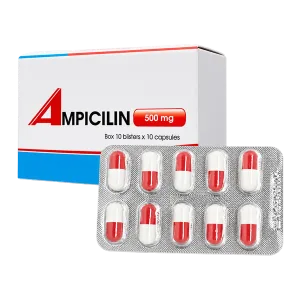
Ampicillin

Active ingredient: Ampicillin
250mg 500mg
From AED 344.00
pills
4 (3)

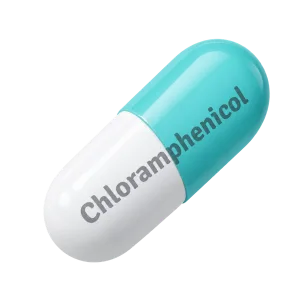
Chloramphenicol

Active ingredient: Chloramphenicol
500mg
From AED 829.90
pills
3.5 (3)

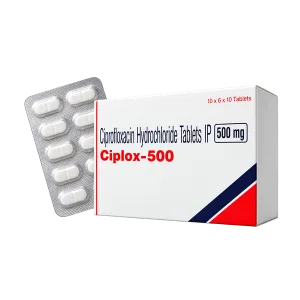
Ciplox

Active ingredient: Ciprofloxacin
500mg 250mg
From AED 344.00
pills
4.3 (5)

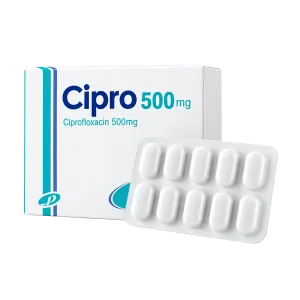
Cipro

Active ingredient: Ciprofloxacin
250mg 500mg 750mg
From AED 434.30
pills
3.9 (4)

Clindamycin

Active ingredient: Clindamycin
150mg 300mg
From AED 477.30
pills
4 (4)

Doxycycline

Active ingredient: Doxycycline
100mg 200mg
From AED 331.10
pills
3.5 (3)

Comparison table: Antibiotics

Common questions

What should I do if I miss a Minomycin dose?

Take the missed capsule when you remember unless the next scheduled dose is due soon. If it is nearly time for the next dose, skip the forgotten capsule and return to the normal schedule. Do not take two capsules together, because doubling does not restore the intended dosing pattern and may increase side effects. WHO antibiotic stewardship guidance, updated in 2023, supports regular adherence rather than unsupervised dose changes.

How long does a Minomycin course last, and is long-term use acceptable?

Course length depends on the condition being treated, the response, and the prescriber’s plan. Acute bacterial infections often require a finite course, while inflammatory acne may involve a longer planned period with review points. Extended use is not automatic; it requires monitoring for pigmentation, dizziness, liver-related symptoms, and autoimmune-type reactions. FDA minocycline safety information published in 2023 describes risks that become more relevant with prolonged exposure.

Can I drive, concentrate at work, or use machinery while taking Minomycin?

Some people develop dizziness, light-headedness, drowsiness, or a spinning sensation after minocycline. Avoid driving, operating machinery, or working at heights until you know your individual response. This is most relevant early in treatment and after a dosing change. The FDA-approved minocycline prescribing information, published in 2023, warns about central nervous system effects that can impair these activities.

What should I do if Minomycin does not produce the expected result?

Do not increase the dose or add another antibiotic independently. A clinician may need to reassess whether the bacteria are susceptible, whether the diagnosis is correct, or whether an acne plan needs topical treatment or a different systemic approach. For acne, evaluation should account for the slow resolution of post-inflammatory marks, which can remain after active inflammation improves. NICE acne guidance from 2021 recommends structured review of systemic antibiotic treatment rather than indefinite continuation.

What is the best time of day to take Minomycin?

The best time is one you can follow consistently while keeping the capsule away from antacids and mineral supplements. Take it with adequate water and avoid lying down immediately afterwards. If stomach upset occurs, a light meal may improve comfort, provided it does not contain high amounts of calcium or mineral supplements. EMA product information published in 2022 highlights the clinical relevance of absorption interactions with polyvalent minerals. [5]

What should I discuss with a doctor before starting Minomycin?

Discuss previous reactions to tetracycline antibiotics, pregnancy or breastfeeding plans, liver or kidney disease, lupus, myasthenia gravis, and a history of severe headache or intracranial hypertension. List all treatments, including acne retinoids, anticoagulants, antacids, iron, calcium, magnesium, zinc, and herbal or nutritional supplements. Mention any prior pigment changes during antibiotic treatment. WHO guidance published in 2023 supports antibiotic selection based on individual risk factors and the suspected infection.

How soon can the effect of Minomycin become noticeable?

For a susceptible bacterial infection, symptoms may begin to improve after treatment starts, though the pace depends on the infection site and severity. Acne responds more slowly because inflammation and lesion formation change over time; visible marks can linger after fewer new lesions are appearing. Lack of early improvement does not always mean the antibiotic has failed, but worsening pain, fever, spreading redness, or new severe symptoms need timely medical review. NICE guidance from 2021 recommends reassessment of acne treatment response at planned intervals.

Do you offer anonymous delivery?

Your order will be securely packed and shipped within 24 hours. This is exactly what your package will look like (images of an actual item sent). It has the size and look of a regular private letter (24x11x0.7 cm) and its contents cannot be seen.

Reviews: Minomycin

4.2
Based on 5 reviews
Ali, 52 Al Khawaneej The planned course
Verified
Rating: 5 out of 5

The swelling improved during the first few days and I finished the course as planned. I felt mildly nauseated when I took a capsule without food, so I moved it to a time after a light meal.

30 Oct 2026
Hamdan N., 57 Sharjah Several weeks
Verified
Rating: 5 out of 5

My dermatologist explained that the marks would take longer than the active bumps. After several weeks, I had fewer painful spots, although I needed to keep calcium supplements away from my capsule time.

4 Nov 2026
Saeed, 45 Al Ain The planned course
Verified
Rating: 3.5 out of 5

I had dizziness after the first two doses and did not drive that evening. It settled, but I was careful about taking the capsules with a large glass of water.

6 Oct 2026
Sultan, 54 Abu Dhabi The planned course
Verified
Rating: 4 out of 5

The treatment helped the tenderness, but constipation was annoying for a few days. Spacing it away from my indigestion tablets made the daily routine less confusing.

16 Oct 2026
Anil N., 48 Dubai Several weeks
Verified
Rating: 3.5 out of 5

I expected fast changes and was disappointed at first. The new inflamed lesions reduced gradually, while the old dark marks stayed visible much longer.

26 Oct 2026

Sources

  1. U.S. Food and Drug Administration (2023). Minocycline hydrochloride capsules: Prescribing information.
  2. National Institute for Health and Care Excellence (2021). Acne vulgaris: management (NG198).
  3. U.S. Food and Drug Administration (2023). Minocycline: Drug safety information and prescribing information.
  4. World Health Organization (2023). The WHO AWaRe antibiotic book.
  5. European Medicines Agency (2022). Summary of Product Characteristics (SmPC) — minocycline.
Get our free app Shop faster and track your orders 3.9 · 576 reviews Install