I took the capsules for five days as prescribed. The cough settled by the third day, but I had mild nausea when I took a dose too close to breakfast. Spacing it before meals made the rest of the course easier.
Ampicillin is an aminopenicillin antibiotic for selected bacterial infections caused by susceptible organisms. It works by blocking construction of the bacteria’s protective cell wall, helping clear the infection.
Product information
Ampicillin destroys susceptible bacteria by blocking construction of their protective cell wall.
Dosage and administration
For oral treatment with Ampicillin, how much to use and how often depends on the purpose of use and is agreed with a doctor or pharmacist.
For oral treatment, ampicillin is generally taken on an empty stomach, usually one hour before food or two hours after food. Food can reduce absorption, leaving less antibiotic available in the bloodstream.
- Swallow each capsule whole with a full glass of water.
- Take doses at the prescribed intervals, including when symptoms improve.
- Complete the prescribed course unless a clinician tells you to stop.
- Do not use leftover capsules from an earlier illness.
- Do not share antibiotics with another person, even if symptoms sound similar.
The National Library of Medicine prescribing information describes oral ampicillin dosing as dependent on the infection type, severity, organism susceptibility, and renal function [2]. People with impaired kidney function may need a longer interval between doses because ampicillin is mainly removed through the kidneys.
Paediatric dosing considerations
Children can receive ampicillin when it is clinically indicated, yet paediatric dosing is calculated by body weight, age, infection severity, and kidney function. Capsules may not be suitable for a child who cannot swallow them safely or needs a dose that cannot be measured accurately from a capsule.
Infants and very young children need closer clinical oversight. Newborns clear ampicillin more slowly than older children, so dosing intervals differ. A caregiver should never estimate a child’s dose by opening an adult capsule or using a fraction of its contents.
Ingredients
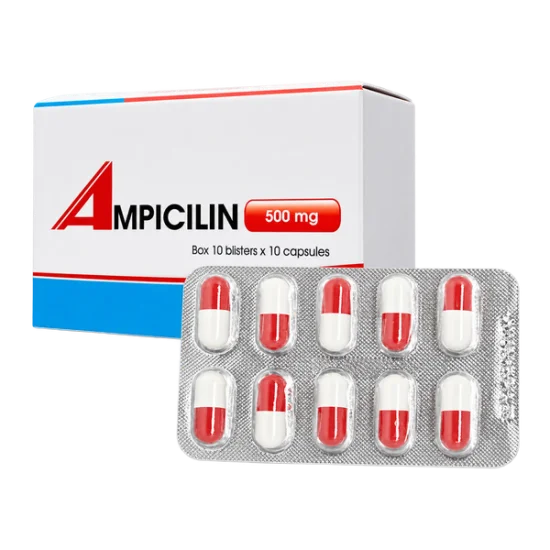
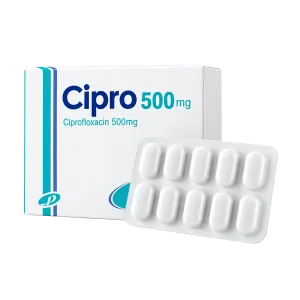
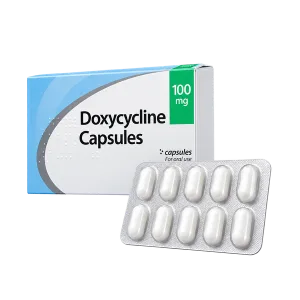
The product is identified as Ampicillin and is supplied in capsule form. The pack is marked AMPICILIN and contains a box of capsules in blister packs.
How it affects the body
Ampicillin belongs to the penicillin family of beta-lactam antibiotics and has bactericidal activity, meaning it kills susceptible bacteria. It acts on bacterial penicillin-binding proteins, enzymes needed to link cell-wall material together. When this process is interrupted, the bacterial wall weakens and the organism breaks down.
This medicine does not treat viral illnesses such as influenza or a typical viral cold. Antibiotics work only when bacteria are responsible for the infection.
Spectrum of antibacterial activity
Ampicillin has activity against several Gram-positive bacteria and selected Gram-negative organisms. Gram-positive and Gram-negative describe two groups of bacteria with different cell-wall structures. This distinction matters because the outer membrane of many Gram-negative bacteria can prevent antibiotics from reaching their target.
Susceptibility varies widely. Some bacteria produce beta-lactamase enzymes that can inactivate ampicillin, while others have altered penicillin-binding proteins. A culture and susceptibility test can identify the infecting organism and show whether ampicillin is an appropriate choice.
Clinical use may include infections caused by susceptible strains of:
- Streptococcus species
- Enterococcus species
- Listeria monocytogenes
- Selected susceptible strains of Escherichia coli, Proteus mirabilis, Salmonella, and Shigella
- Certain infections involving the respiratory, urinary, biliary, or gastrointestinal tract
Resistance is the main limitation. Feeling better after a few doses does not confirm that all bacteria have been eliminated.
Ampicillin is classed by the WHO AWaRe framework as an Access antibiotic, a group intended to remain available for common bacterial infections while being used carefully to limit antimicrobial resistance [1].

Therapeutic indications
It is an aminopenicillin antibiotic for bacterial infections such as selected respiratory, urinary, gastrointestinal, skin, and soft-tissue infections, when the causative organism is susceptible.
Clinical use may include infections caused by susceptible strains of:
- Streptococcus species
- Enterococcus species
- Listeria monocytogenes
- Selected susceptible strains of Escherichia coli, Proteus mirabilis, Salmonella, and Shigella
- Certain infections involving the respiratory, urinary, biliary, or gastrointestinal tract
Common mistakes
- Stopping after symptoms improve: bacteria may remain even when pain or fever has eased.
- Taking the capsule with meals every time: this can reduce oral absorption.
- Doubling the next dose after forgetting one: this can increase nausea and diarrhoea.
- Crushing, chewing, or opening capsules: the dose may be lost, tasted unpleasantly, or become inaccurate.
- Treating a new illness with old antibiotics: the new infection may be caused by a different organism or may not be bacterial.
- Ignoring prolonged diarrhoea: severe antibiotic-associated diarrhoea needs assessment.
- Leaving out allergy history: a prior reaction to penicillin can alter the treatment plan immediately.
When not to use it
Ampicillin is not for you if you have had a serious allergic reaction to ampicillin, another penicillin, or a beta-lactam antibiotic with symptoms such as anaphylaxis, angioedema, or severe blistering skin reactions.
Use also requires individual clinical review when there is severe kidney impairment, a history of antibiotic-associated colitis, infectious mononucleosis, pregnancy, or breastfeeding.
- Allopurinol: may raise the chance of rash when used with ampicillin.
- Warfarin and other anticoagulants: antibiotic treatment can alter anticoagulant response, so closer INR monitoring may be required.
- Methotrexate: penicillins may reduce methotrexate elimination and increase toxicity risk.
- Probenecid: can increase ampicillin concentrations by reducing renal excretion.
- Oral hormonal contraception: vomiting or severe diarrhoea can reduce contraceptive reliability; use additional non-hormonal protection during gastrointestinal upset and for the interval advised for the contraceptive method.
The WHO antimicrobial stewardship guidance supports documenting allergy history and reviewing interacting medicines before antibiotic treatment, since preventable reactions and unsuitable antibiotic exposure contribute to avoidable harm [4].
When this is not for you
A previous episode of mild nausea after an antibiotic is different from an allergy, yet it should still be described accurately when treatment is planned. Ampicillin crosses the placenta and enters breast milk in small amounts. These situations do not always rule out treatment, but they can affect the choice and monitoring plan.
Possible side effects
Most people tolerate a prescribed course of ampicillin without serious problems. Digestive effects are among the most frequent complaints because antibiotics can temporarily alter the normal bacterial balance in the intestine.
Possible common effects include:
- Nausea
- Loose stools or mild diarrhoea
- Abdominal discomfort
- Vomiting
- Mild skin rash
- Sore mouth or tongue
A skin rash during ampicillin treatment needs careful assessment. Some rashes are not caused by immediate penicillin allergy, and ampicillin-associated rashes have been reported more often in people with certain viral illnesses, including infectious mononucleosis. Still, any new rash should be assessed before another dose is taken.
A rapid allergic reaction can be serious. Stop using ampicillin and seek urgent medical help for facial, lip, tongue, or throat swelling; wheezing; breathing difficulty; faintness; or widespread itchy hives. These symptoms can indicate anaphylaxis.
Severe or persistent watery diarrhoea, abdominal cramping, fever, or blood in the stool can occur during or after antibiotic use. Such symptoms may indicate Clostridioides difficile-associated diarrhoea and need medical assessment rather than self-treatment with anti-diarrhoeal products.
One practical detail often missed is that a new rash is not something to photograph and wait on for several days. The timing of the rash, whether it itches, and whether swelling or breathing symptoms occurred can change the next treatment decision.
Comparison
Comparison with related antibacterial approaches
Ampicillin is one member of the aminopenicillin group. The closest alternative by mechanism is amoxicillin, another beta-lactam antibiotic that also interferes with bacterial cell-wall synthesis. The best choice depends on the infection, bacterial susceptibility, previous reactions, and the planned dosing schedule.
| Option | Main mechanism | Practical distinction |
|---|---|---|
| Ampicillin | Binds penicillin-binding proteins and disrupts cell-wall synthesis | Often selected when the organism is known or expected to be susceptible |
| Amoxicillin | Beta-lactam cell-wall inhibition | Has different absorption characteristics and is used for different common infection patterns |
| Antibiotic plus beta-lactamase inhibitor | Cell-wall inhibition plus protection from some beta-lactamase enzymes | May be chosen when beta-lactamase-producing bacteria are suspected |
Amoxicillin is not automatically interchangeable with ampicillin. Their antibacterial spectrum overlaps, yet dosing schedules, approved uses, and laboratory susceptibility results can differ. The EMA guidance for antibacterial medicines stresses that treatment selection should be driven by the infection site and microbiological evidence where available [3].
What doctors say
Doctors usually judge ampicillin by clinical response and microbiological evidence, not by how quickly a person feels better after the first capsule. Fever, pain, urinary symptoms, cough, wound drainage, and laboratory markers can improve at different speeds depending on the infection.
In everyday practice, the recurring problem is premature stopping. Symptoms may settle before the infection is fully cleared, especially in urinary or respiratory infections. A second issue is taking doses too close together after a missed dose, which increases side effects without restoring the intended schedule.
MOHAP places antimicrobial resistance among important public-health priorities in the UAE. Responsible use means taking an antibiotic only for the infection and duration selected by the treating clinician, rather than keeping capsules for a future illness.
Ampicillin can be a focused option when bacteria are susceptible. It is less useful when resistance is present, when the illness is viral, or when an abscess needs drainage rather than antibiotics alone.
Comparison
Common questions
What should I do after a missed dose of Ampicillin?
Take the missed dose when you remember unless it is almost time for the next scheduled dose. If the next dose is near, skip the forgotten one and return to the normal schedule. Do not take two capsules together to compensate. The National Library of Medicine drug information for ampicillin advises against double dosing because it does not safely replace the missed interval; this advice was reviewed in 2025 [5].
Can Ampicillin capsules be split, crushed, or chewed?
Ampicillin capsules should be swallowed whole with water. A capsule cannot be split accurately in the way some scored tablets can, and opening it may lead to an incomplete dose. Chewing can leave a bitter taste and makes reliable dosing harder. This advice reflects oral capsule administration principles used in prescribing information reviewed by the National Library of Medicine in 2025.
What should I do if Ampicillin does not seem to be working?
Contact the prescriber if symptoms worsen, new symptoms develop, or there is no expected improvement within the timeframe given for the infection. Some infections need culture results, drainage, imaging, or a different antibiotic. Do not increase the dose independently or add a second antibiotic from home supplies. The EMA’s antibacterial treatment guidance from 2022 links clinical reassessment with infection source control and susceptibility testing.
Can Ampicillin be used under 18 years of age?
Ampicillin can be prescribed to children when clinically appropriate. The dose and interval are determined by body weight, age, infection severity, kidney function, and the formulation a child can take safely. A 500 mg capsule is not a substitute for an individually calculated paediatric regimen. WHO guidance on antibiotic use published in 2023 supports weight-based paediatric prescribing and avoidance of adult-dose guessing.
How does Ampicillin differ from amoxicillin?
Both are aminopenicillin antibiotics that stop susceptible bacteria from making a stable cell wall. Ampicillin is commonly taken on an empty stomach because food can reduce absorption, while amoxicillin has different absorption characteristics and is often used on different schedules. Neither option is automatically better; the likely bacteria and susceptibility result guide the choice. The WHO AWaRe Antibiotic Book, published in 2023, treats antibiotic selection as infection-specific rather than interchangeable.
Do you offer anonymous delivery?
Your order will be securely packed and shipped within 24 hours. This is exactly what your package will look like (images of an actual item sent). It has the size and look of a regular private letter (24x11x0.7 cm) and its contents cannot be seen.
Reviews: Ampicillin
The burning improved after two days. I nearly stopped then because I felt normal, but I finished the course. The only issue was loose stool on day four, which passed after treatment ended.
I developed an itchy rash after the second day and contacted my clinic. They told me not to take another capsule until I had been assessed, so the antibiotic was changed. It was inconvenient, but the reaction was taken seriously.
Sources
- World Health Organization (2023). The WHO AWaRe (Access, Watch, Reserve) antibiotic book.
- National Library of Medicine (2025). Ampicillin capsule — drug label information.
- European Medicines Agency (2022). Guideline on the evaluation of medicinal products indicated for treatment of bacterial infections.
- World Health Organization (2019). WHO practical toolkit for antimicrobial stewardship programmes in health-care facilities in low- and middle-income countries.
- National Library of Medicine (2025). Ampicillin — patient drug information.