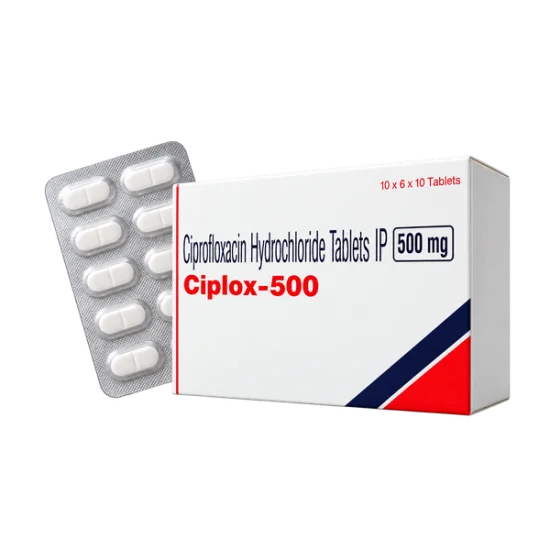
The urinary symptoms eased by the third day. I had mild nausea and stopped my gym walks after noticing soreness near the heel, then contacted the clinic about the next dose.
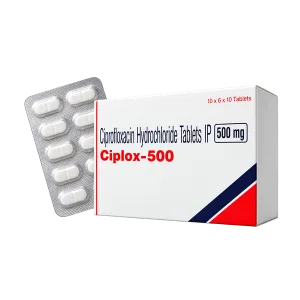
Ciplox is intended for adults and selected children with susceptible bacterial infections when ciprofloxacin is clinically appropriate. Its active ingredient, ciprofloxacin hydrochloride, is a fluoroquinolone antibiotic that blocks bacterial DNA replication and helps stop infection from spreading.
Product information
Ciplox is an oral fluoroquinolone antibiotic. The tablet is absorbed into the bloodstream and reaches several tissues, which makes systemic treatment possible.
Dosage and administration
Ciplox tablets are taken by mouth with water. The treatment schedule is individualized according to the infection, kidney function, age, and interacting medicines.
- Take the prescribed dose at the prescribed intervals.
- Swallow the tablet with a full glass of water.
- Take it at the same times each day when possible.
- Complete the prescribed course unless the prescriber changes it because of an adverse reaction or test result.
- Do not take ciprofloxacin at the same time as aluminium- or magnesium-containing antacids.
- Separate ciprofloxacin from iron, calcium, magnesium, or zinc supplements because these minerals can reduce absorption.
- Avoid taking the tablet with a large amount of milk or yoghurt alone; follow the dosing plan provided for the specific infection.
- Do not share tablets with another person.
- Do not double the next dose after a missed dose.
If a missed dose is remembered well before the next scheduled dose, it is generally taken when remembered. If the next dose is close, the missed dose is skipped and the normal schedule continues. Taking two doses together increases adverse-effect risk without reliably improving treatment.
A sudden tendon ache, swelling, weakness, burning pain, numbness, severe palpitations, confusion, or marked mood change requires stopping the activity that could worsen the symptom and obtaining urgent clinical advice about the next dose.
Ingredients
Ciplox contains ciprofloxacin hydrochloride. Ciprofloxacin belongs to the fluoroquinolone class of antibiotics. It treats certain bacterial infections by interfering with DNA gyrase and topoisomerase IV, enzymes bacteria need to copy and repair their genetic material. The mechanism is described in the FDA prescribing information for ciprofloxacin.[1]
Pharmacological classification
Ciplox is an oral fluoroquinolone antibiotic. The tablet is absorbed into the bloodstream and reaches several tissues, which makes systemic treatment possible. This also means that oral ciprofloxacin can cause body-wide adverse effects, unlike a medicine that acts only on the skin surface.
The dose is decided individually, taking age, other medicines, and health conditions into account.
How it affects the body
Bacterial DNA must be continuously unwound, copied, and repaired during growth. Ciprofloxacin blocks two enzymes involved in this process. The resulting DNA damage prevents susceptible bacteria from multiplying and can lead to bacterial death.
This action differs from antibiotics that interfere with the bacterial cell wall or protein production. The difference matters because a bacterium resistant to one antibiotic class may remain sensitive to another, while some resistance mechanisms can affect several related fluoroquinolones.
The European Medicines Agency has restricted the use of systemic fluoroquinolones for some uncomplicated conditions because of the possibility of prolonged or disabling reactions involving tendons, nerves, muscles, joints, and the central nervous system.[2] Ciprofloxacin remains clinically useful in selected infections, but its benefit must justify these risks.
Therapeutic indications
Ciplox may be considered when a bacterial infection is confirmed or strongly suspected and ciprofloxacin is suitable for the organism and infection site. Examples of infections for which ciprofloxacin may be used include:
- Certain complicated urinary tract infections
- Selected gastrointestinal bacterial infections
- Some infections caused by Gram-negative bacteria
- Specific bone, joint, skin, or abdominal infections
- Situations where culture results show ciprofloxacin susceptibility
- Selected infections requiring an antibiotic with tissue penetration
The medicine is not automatically the preferred option for every infection. Respiratory infections caused by some common bacteria may require another antibiotic because susceptibility and guideline recommendations vary. Local antimicrobial-resistance data also influence prescribing decisions.
A culture sample is useful when an infection is recurrent, severe, complicated, or unresponsive to initial treatment. The result can help identify the bacterium and show which antibiotics are likely to work. It can also reveal resistance that would make ciprofloxacin unsuitable. Testing is especially useful when symptoms persist despite an initial antibiotic. The prescriber can use the result to narrow treatment and reduce unnecessary exposure.
Common mistakes
Several habits reduce treatment reliability or increase risk:
- Taking ciprofloxacin together with an antacid or mineral supplement
- Exercising intensely despite new tendon pain
- Doubling a dose after forgetting one
- Stopping treatment solely because fever or pain has improved
- Saving unused tablets for a later illness
- Using ciprofloxacin for a cold or influenza
- Ignoring severe diarrhoea during or after treatment
- Failing to mention warfarin, corticosteroids, diabetes treatment, or heart-rhythm medicines
- Crushing or chewing a tablet when swallowing is difficult without obtaining a suitable alternative
- Assuming dizziness is harmless before driving or operating machinery
A bitter taste or mild nausea may be manageable, while numbness, tendon pain, fainting, severe confusion, or allergic swelling requires a different response. Symptoms should be judged by severity and pattern, not by whether another person tolerated the medicine.
When not to use it
Ciplox is not suitable when
- There is a previous serious allergic reaction to ciprofloxacin, another quinolone, or a related fluoroquinolone.
- The person is taking tizanidine, because ciprofloxacin can markedly increase tizanidine exposure and cause excessive sedation, low blood pressure, and other toxicity.
- A previous fluoroquinolone caused severe tendon, nerve, muscle, joint, or central-nervous-system symptoms.
- The infection is viral and has no bacterial indication.
- The prescriber has identified a safer effective antibiotic for the confirmed infection.
Extra caution is needed with a history of tendon disease, seizures, peripheral neuropathy, significant kidney impairment, heart-rhythm disorders, aortic aneurysm or dissection risk, myasthenia gravis, diabetes, or major mental-health symptoms.
Ciprofloxacin can interact with warfarin and may alter anticoagulation results. It can also interact with medicines that prolong the QT interval, some antidiabetic treatments, methotrexate, phenytoin, theophylline, and products containing polyvalent minerals. The full medication list matters, including supplements and antacids.
Pregnancy, breastfeeding, childhood use, and treatment of older adults require an individualized risk-benefit decision. The World Health Organization emphasizes antimicrobial stewardship, meaning antibiotics should be selected and used in a way that protects both the individual patient and future treatment options.[4]
When this is not for you
Ciplox is NOT for you if you have a serious fluoroquinolone allergy, are taking tizanidine, or previously developed severe tendon, nerve, muscle, joint, or central-nervous-system symptoms with this antibiotic class.
Possible side effects
Digestive symptoms are among the more familiar reactions to ciprofloxacin. Nausea, loose stools, abdominal discomfort, headache, dizziness, and sleep disturbance can occur. A bitter or unusual taste may appear with some oral medicines, though taste changes are not the central safety concern with ciprofloxacin.
Mild nausea may be easier to tolerate when the tablet is taken with water and the person avoids heavy meals immediately around the dose. Persistent vomiting can prevent absorption and may require a revised treatment plan.
Potentially serious reactions include:
- Tendinitis or tendon rupture, especially involving the Achilles tendon
- Tingling, burning, numbness, weakness, or other peripheral neuropathy symptoms
- Severe anxiety, agitation, confusion, hallucinations, or sleep changes
- Seizures in susceptible people
- Abnormal heart rhythm, including QT-interval prolongation
- Major changes in blood glucose
- Severe allergic reactions
- Severe or persistent antibiotic-associated diarrhoea
- Liver injury with jaundice, dark urine, or marked abdominal discomfort
- Worsening muscle weakness in people with myasthenia gravis
Tendon symptoms can develop during treatment or after the course has ended. The risk rises in older adults, people taking corticosteroids, transplant recipients, and those with previous tendon disorders. The FDA label describes these reactions as potentially serious and sometimes prolonged.[3]
Diarrhoea that is severe, bloody, accompanied by fever, or continues after treatment needs medical evaluation. Do not use leftover antibiotics to manage it.

Comparison
| Treatment category | Main action | Typical clinical consideration |
|---|---|---|
| Ciprofloxacin, a fluoroquinolone | Blocks bacterial DNA gyrase and topoisomerase IV | Selected susceptible infections; systemic tendon, nerve, heart-rhythm, and central-nervous-system risks require attention |
| Beta-lactam antibiotics | Interfere with bacterial cell-wall construction | Often preferred when the organism is susceptible and the infection fits guideline use |
| Macrolide antibiotics | Reduce bacterial protein production | Used for selected respiratory and other infections, depending on resistance and interaction risks |
Ciprofloxacin may be useful when culture testing supports its activity or when tissue penetration and Gram-negative coverage are needed. A beta-lactam may be preferred for a susceptible infection when its safety profile fits the patient better. A macrolide may suit particular respiratory or atypical bacterial infections.
Switching antibiotics because symptoms have not improved is not a safe self-directed decision. Lack of improvement can reflect viral illness, resistance, an abscess requiring drainage, an incorrect diagnosis, poor absorption, or a complication requiring a different treatment.
What doctors say
In clinical practice, prescribers usually reserve ciprofloxacin for situations where its bacterial coverage and tissue penetration offer a clear advantage. The treatment decision is stronger when a culture identifies a susceptible organism or when the infection has features associated with Gram-negative bacteria.
Doctors also assess practical risks before prescribing it. An older adult taking oral corticosteroids, a person with previous tendon pain, and someone using several medicines that affect heart rhythm may need a different antibiotic. Kidney function can influence the schedule because ciprofloxacin is partly eliminated through the kidneys.
A patient who feels better after two doses may still have surviving bacteria. Stopping early can allow the infection to return and may contribute to resistance. The opposite problem also occurs: continuing despite tendon pain, nerve symptoms, or severe diarrhoea can cause avoidable harm.
The National Institute for Health and Care Excellence supports reviewing antibiotic choice when symptoms fail to improve, worsen rapidly, or suggest a more serious infection.[5] The review should focus on diagnosis, culture results, adherence, absorption, resistance, and complications.
Comparison
Common questions
Which diet, exercise, or daily habits help or hinder Ciplox treatment?
Regular hydration, sensible rest, and taking doses at consistent times can support treatment adherence. Calcium, iron, magnesium, zinc, and aluminium products can reduce ciprofloxacin absorption when taken too closely together, while strenuous exercise can increase tendon stress. The EMA safety review remains relevant in 2026 because tendon and nerve reactions can occur during treatment or after it. WHO antimicrobial-stewardship principles also support using ciprofloxacin only for a suitable bacterial infection.
What should I do after missing a Ciplox dose?
Take the missed dose when remembered if the next scheduled dose is not close. Skip it when the next dose is due soon, then continue the established schedule without doubling. Record the time of each dose if the course is difficult to remember. FDA prescribing information (2024) advises against compensating with extra doses because this can increase adverse effects without correcting the treatment interval.
Can Ciplox be taken with food or on an empty stomach?
Ciplox can be taken with water, with or without a meal, but it should not be taken at the same time as mineral supplements or aluminium- and magnesium-containing antacids. A large dairy intake alone around the dose may reduce absorption, so dairy should not be used as the main liquid for taking the tablet. MOHAP medication-safety practice (2024) supports reviewing all supplements and non-prescription products when an antibiotic is prescribed. The precise timing should fit the individual schedule and interacting medicines.
What should I do if the expected result does not come?
Do not extend the course, change the dose, or switch to another antibiotic without clinical review. Lack of improvement may indicate resistance, a viral illness, an abscess, poor absorption, an incorrect diagnosis, or a complication. Contact the treating service promptly if symptoms worsen, fever persists, pain increases, or new symptoms appear. NICE guidance (2025) supports reassessment when an infection fails to respond as expected, with culture testing or a change in treatment when clinically indicated.
How should Ciplox be stored at home and while travelling?
Keep the tablets in a dry place at normal room conditions, away from excessive heat, moisture, and direct sunlight. Store them securely so children cannot access them, and keep them with the prescribed medicine details during travel. Do not leave tablets in a hot vehicle, near a bathroom shower, or in loose compartments where they can become damp. WHO medicine-storage principles (2023) emphasise maintaining suitable temperature, dryness, and protection from accidental access.
Can Ciplox tablets be split, crushed, or chewed?
Swallow the tablet whole with water unless the prescriber or dispensing pharmacist has confirmed that splitting is appropriate for that specific tablet. Crushing or chewing can make swallowing easier for some medicines, but it may create an inaccurate dose if the tablet is not designed to be divided evenly. Do not crush Ciplox automatically when swallowing is difficult; request a suitable formulation or administration plan instead. The EMA product-safety approach (2018) supports avoiding unnecessary manipulation of tablets when the dosage form has not been confirmed.
Do you offer anonymous delivery?
Your order will be securely packed and shipped within 24 hours. This is exactly what your package will look like (images of an actual item sent). It has the size and look of a regular private letter (24x11x0.7 cm) and its contents cannot be seen.
Reviews: Ciplox
The infection improved, but I felt dizzy in the mornings and had loose stools. The tablet was manageable with water, although I needed to keep antacids several hours away from it.
The fever settled quickly and I finished the course. I slept poorly for two nights, so I avoided driving until I knew how the medicine affected me.
The first antibiotic course did not solve the problem, and testing led to ciprofloxacin. It helped after the result came back, but I noticed calf tightness and stopped exercising while it was reviewed.
I missed one dose and nearly doubled the next one. The clinic told me to skip the missed dose when it was close to the next scheduled time, and the infection later settled.
Sources
- U.S. Food and Drug Administration (2024). CIPROFLOXACIN — Prescribing Information
- European Medicines Agency (2018). Quinolone- and fluoroquinolone-containing medicinal products — referral
- U.S. Food and Drug Administration (2018). FDA updates warnings for oral and injectable fluoroquinolone antibiotics due to disabling side effects
- World Health Organization (2018). WHO Report on Surveillance of Antibiotic Consumption: 2016–2018 Early Implementation
- National Institute for Health and Care Excellence (2025). Suspected sepsis in people aged 16 or over: recognition, assessment and early management