Liwa, took the 500 mg tablets for several days for a culture-confirmed urinary infection. Burning improved after several days, but nausea was worse when he took a tablet without food. Separating it from his mineral supplement made the routine easier.
Cipro tablets are taken by mouth with water, with or without food, while avoiding dairy taken alone at the same time. Ciprofloxacin stops susceptible bacteria from reproducing by blocking DNA gyrase and topoisomerase IV.
Product information
Ciprofloxacin is a synthetic fluoroquinolone antibiotic with bactericidal activity against susceptible bacteria. It is used only when the suspected or confirmed organism is appropriate for ciprofloxacin treatment and when the clinical situation justifies a fluoroquinolone.
Dosage and administration
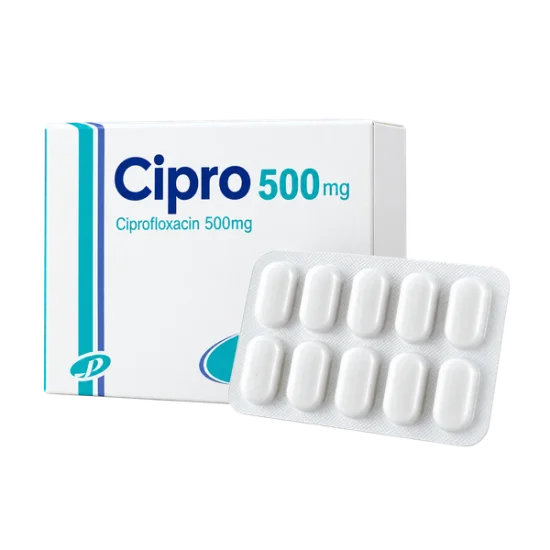
Cipro is supplied as oral tablets containing ciprofloxacin. The tablet formulation delivers the active ingredient through the gastrointestinal tract, after which ciprofloxacin reaches tissues and body fluids relevant to susceptible infections.
The regimen for the chosen strength must be confirmed with a healthcare professional before starting. Ciprofloxacin dosing varies according to the infection, kidney function, age, treatment response, and bacterial susceptibility.
A prescription may specify one or more doses per day and a defined treatment duration. Do not shorten the course because symptoms improve, and do not extend treatment without a new clinical assessment.
One practical detail is easy to overlook: calcium-fortified drinks can interfere with absorption when consumed at the same time as ciprofloxacin. Dairy can be part of a meal, but taking the tablet with milk or yoghurt alone is not a reliable dosing method.
Cipro tablets are taken orally. The exact regimen for the chosen strength is confirmed with a healthcare professional before treatment begins.
Practical administration points include:
- Swallow the tablet with water.
- Take doses at evenly spaced times when more than one daily dose is prescribed.
- Take it with food if stomach upset occurs, but do not use dairy alone to swallow the tablet.
- Separate ciprofloxacin from antacids containing aluminium or magnesium.
- Separate it from iron, calcium, and zinc supplements according to the prescriber’s instructions.
- Complete the prescribed duration unless a clinician tells you to stop because of a serious reaction.
- Drink enough fluid unless a fluid restriction has been prescribed for another condition.
Reduced kidney function can require a lower dose or a longer interval between doses. Older adults may also need closer assessment because kidney impairment, corticosteroid use, and tendon problems can increase the likelihood of complications.
Ciprofloxacin can cause dizziness or reduced concentration in some people. Avoid driving or hazardous work until you know how the tablets affect you.

Ingredients
Cipro contains ciprofloxacin. Ciprofloxacin is a synthetic fluoroquinolone antibiotic with bactericidal activity against susceptible bacteria. It is used only when the suspected or confirmed organism is appropriate for ciprofloxacin treatment and when the clinical situation justifies a fluoroquinolone.
Inhibition of Bacterial DNA Synthesis
Ciprofloxacin inhibits DNA gyrase and topoisomerase IV. These enzymes cut, unwind, and reseal bacterial DNA during replication. Blocking them causes unstable DNA breaks, prevents bacterial multiplication, and can lead to bacterial cell death [1].
The balance between benefit and risk depends on the infection, bacterial susceptibility, kidney function, age, and other medicines. Ciprofloxacin is not a general treatment for every cough, urinary symptom, or fever.
How it affects the body
Ciprofloxacin inhibits DNA gyrase and topoisomerase IV. These enzymes cut, unwind, and reseal bacterial DNA during replication. Blocking them causes unstable DNA breaks, prevents bacterial multiplication, and can lead to bacterial cell death [1].
Human cells do not use DNA gyrase, which gives ciprofloxacin a degree of selective activity against bacterial replication. The medicine still affects human tissues, so fluoroquinolone precautions remain relevant.
Therapeutic indications
Cipro is prescribed for selected infections caused by susceptible bacteria. The clinical indication depends on culture results, local resistance patterns, infection severity, and the patient’s medical history.
Ciprofloxacin may be considered for:
- Complicated urinary tract infections
- Acute pyelonephritis, which is a bacterial kidney infection
- Selected cases of bacterial cystitis
- Chronic bacterial prostatitis
- Certain gastrointestinal or intra-abdominal bacterial infections
- Selected respiratory infections when the organism and clinical circumstances support its use
- Specific exposure-related infections, including inhalation anthrax under specialist-directed treatment
The medicine does not treat viral infections such as influenza or most uncomplicated viral respiratory illnesses. A urine culture, blood test, sputum culture, or other microbiological test may help identify the organism and guide antibiotic choice.
| Clinical category | Typical target site | Treatment principle |
|---|---|---|
| Complicated urinary infection | Bladder and urinary tract | Use when the organism is susceptible and simpler choices are unsuitable |
| Acute pyelonephritis | Kidney and upper urinary tract | Requires prompt assessment and attention to systemic symptoms |
| Chronic bacterial prostatitis | Prostate gland | Treatment may require a longer course directed by culture findings |
Cystitis symptoms can include burning during urination, urinary frequency, urgency, and lower abdominal discomfort. Fever, flank pain, vomiting, confusion, or marked weakness can indicate a more serious infection involving the kidneys or bloodstream.
Common mistakes
Several practical errors reduce treatment reliability or raise adverse-event risk:
- Taking the tablet with milk or yoghurt alone
- Swallowing it close to an antacid or mineral supplement
- Doubling the next dose after a missed tablet
- Stopping when urinary burning improves without completing the prescribed course
- Continuing exercise after tendon pain appears
- Ignoring new tingling, numbness, weakness, or severe mood changes
- Failing to mention clozapine, tizanidine, warfarin, corticosteroids, or diabetes treatment
- Using leftover tablets for a later infection
- Assuming diarrhoea is harmless when it is severe, persistent, or bloody
One less familiar issue is urine drug testing. Ciprofloxacin is not an amphetamine, yet some medicines can produce unexpected screening results; any unusual result should be interpreted by the testing service with the full medication history.
Another mistake is taking iron or zinc at breakfast and ciprofloxacin shortly afterward. The minerals can bind the antibiotic in the intestine and reduce the amount absorbed.
When not to use it
- You have had a serious allergic reaction to ciprofloxacin or another quinolone.
- You are taking tizanidine.
- You previously developed a serious tendon, nerve, or central nervous system reaction from a fluoroquinolone.
- You have myasthenia gravis, because muscle weakness may worsen.
- You have a known significant heart-rhythm disorder or major QT prolongation without specialist assessment.
- You have severe kidney impairment and the regimen has not been adjusted.
- You are pregnant or breastfeeding unless the expected clinical benefit has been specifically assessed.
- You are a child or adolescent unless a specialist has prescribed ciprofloxacin for a specific indication.
Ciprofloxacin should not be combined with tizanidine. Clozapine requires specialist review because ciprofloxacin can increase clozapine levels. Probenecid may also alter ciprofloxacin elimination.
When this is not for you
Cipro is not suitable for everyone. People with epilepsy, a history of seizures, aortic aneurysm, heart-valve disease, diabetes, kidney disease, or previous psychiatric reactions need specific risk assessment. Aortic complications and severe neurological reactions are rare, but urgent symptoms require immediate medical attention.
Possible side effects
Common adverse effects include nausea, diarrhoea, abdominal discomfort, headache, dizziness, and sleep disturbance. Many are mild, but fluoroquinolones also carry rare reactions that can affect tendons, nerves, muscles, joints, the heart, and the central nervous system.
Stop ciprofloxacin and seek urgent medical assessment if you develop:
- Pain, swelling, or sudden weakness in an Achilles tendon or another tendon
- Numbness, burning, tingling, weakness, or altered sensation
- Severe anxiety, confusion, hallucinations, or marked mood changes
- Fainting, rapid heartbeat, or a new irregular heartbeat
- Severe watery or bloody diarrhoea during treatment or afterward
- Facial swelling, breathing difficulty, widespread rash, or blistering skin
- Sudden severe chest, stomach, or back pain
Tendon injury can occur during treatment or several months afterward. The risk is higher in older adults, people with kidney disease, transplant recipients, and those using systemic corticosteroids. The EMA has issued class-wide safety restrictions because some fluoroquinolone reactions can be long-lasting or disabling [2].
Ciprofloxacin can also affect blood glucose, especially in people using diabetes medicines. Monitor for unusual sweating, tremor, confusion, excessive thirst, or other symptoms of abnormal glucose.
Sun sensitivity is possible. Limit intense sun exposure and use protective clothing during treatment if your skin reacts more easily than usual.
Comparison
Cipro is an oral, single-ingredient fluoroquinolone antibiotic that works systemically by blocking bacterial DNA gyrase and topoisomerase IV. Its use differs from topical antibacterial treatment because it is intended for selected infections where oral therapy and ciprofloxacin activity are clinically appropriate.
What doctors say
In clinical practice, physicians usually reserve ciprofloxacin for infections where its bacterial spectrum, tissue penetration, or culture result provides a clear reason for use. For uncomplicated infections, another antibiotic may offer a better balance of benefit and risk when the organism is susceptible.
A doctor will usually review kidney function, allergy history, tendon problems, neurological disease, heart rhythm, pregnancy status, and current medicines before selecting the regimen. Urine culture is valuable in recurrent infection, pyelonephritis, prostatitis, treatment failure, or complicated urinary disease.
Ciprofloxacin does not need to produce immediate symptom relief to be working, yet worsening fever, flank pain, vomiting, confusion, or weakness requires prompt reassessment. Lack of improvement can reflect resistance, an abscess, obstruction, an incorrect diagnosis, or a non-bacterial illness.
The treatment goal is microbiological control with the shortest suitable course. WHO and antimicrobial-stewardship programmes support selecting antibiotics according to culture data and local resistance patterns rather than using broad-spectrum treatment automatically.
Comparison
Common questions
Can alcohol be used while taking Cipro?
Alcohol does not create the same disulfiram-like reaction associated with some other antibiotics, but it can worsen dizziness, nausea, poor concentration, and sleep disturbance during ciprofloxacin treatment. The FDA patient information reviewed in 2024 advises attention to central nervous system reactions and activities requiring alertness . Avoid alcohol if you feel dizzy, confused, unusually sleepy, or unwell. Heavy drinking can also make it harder to recognise worsening infection or dehydration. Contact a clinician if symptoms persist or worsen.
How long does one Cipro dose keep working?
The antibacterial effect of a dose depends on the prescribed interval, kidney function, infection site, and the susceptibility of the organism. Ciprofloxacin is cleared through the kidneys, so impaired renal function can change how long exposure remains clinically relevant. The EMA product information current before 2026 describes dose adjustment principles for renal impairment and interaction management . Do not repeat a dose early because symptoms have not yet improved.
Which symptoms mean stopping Cipro and seeking urgent care?
Stop the medicine and seek urgent medical assessment for tendon pain or swelling, new numbness or weakness, severe confusion, hallucinations, fainting, serious allergic symptoms, or severe watery or bloody diarrhoea. The FDA’s 2016 fluoroquinolone safety communication identifies tendon, nerve, mental-health, and glucose-related reactions as clinically significant risks . Chest, abdominal, or back pain that is sudden and severe also requires urgent assessment. A clinician may choose a different antibiotic after evaluating the reaction.
Which condition rules out Cipro?
A previous serious allergic reaction to ciprofloxacin or another quinolone rules it out. Tizanidine use is another clear contraindication because ciprofloxacin can markedly increase tizanidine exposure and cause severe low blood pressure or sedation. The FDA prescribing information reviewed in 2024 lists these contraindication and interaction warnings . Myasthenia gravis, major QT prolongation, seizure disorders, and previous serious fluoroquinolone reactions require specific clinical review before use.
Which diet, exercise, or habits help or hinder the result?
Take the tablet with water and separate it from antacids, iron, calcium, and zinc. Dairy taken alone with the tablet can reduce absorption, while ordinary meals may be acceptable when the dosing instructions permit. WHO antimicrobial guidance published in 2023 supports using antibiotics only for appropriate bacterial indications and avoiding unnecessary self-treatment . Reduce strenuous exercise if any tendon discomfort appears, and avoid driving until dizziness has settled.
Do you offer anonymous delivery?
Your order will be securely packed and shipped within 24 hours. This is exactly what your package will look like (images of an actual item sent). It has the size and look of a regular private letter (24x11x0.7 cm) and its contents cannot be seen.
Reviews: Cipro
Bur Dubai, used the 500 mg tablets for the prescribed duration for a recurrent urinary infection after a urine test. He felt improvement during the first part of treatment, then developed heel discomfort while walking. He stopped exercising and obtained medical advice rather than ignoring the symptom.
Umm Al Quwain, received the 500 mg tablets for the prescribed duration for a prostate infection. The urinary symptoms improved slowly, and the treatment required patience. He found that taking the tablet with water and keeping his antacid several hours apart reduced stomach discomfort.
Mussafah, used the 500 mg tablets for the prescribed duration and experienced dizziness and loose stools during treatment. The infection symptoms settled, but the side effects made driving difficult for a few days. He contacted the prescriber when the diarrhoea became persistent and was assessed for a possible antibiotic-associated complication.
Sources
- U.S. Food and Drug Administration (2024). CIPRO (ciprofloxacin hydrochloride) tablets prescribing information.
- U.S. Food and Drug Administration (2018). FDA updates warnings for oral and injectable fluoroquinolone antibiotics due to disabling side effects.