Skip to content
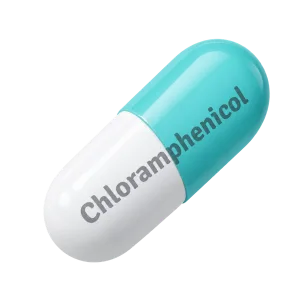
Chloramphenicol
Active ingredient: Chloramphenicol

Chloramphenicol

Quality products
24/7 Support
Fast delivery
Delivery from 4 days
Select pack Package Per unit Price

Free delivery on orders from AED 860.00, free express delivery from AED 1,290.00

Secure Payments
Track your order
Best price guarantee

Chloramphenicol, the active antibacterial substance in Chloramphenicol capsules, is a broad-spectrum antibiotic reserved for selected serious bacterial infections. It acts on bacterial ribosomes to stop protein production, but its potential for serious blood-related toxicity means treatment requires a clearly defined clinical indication and monitoring.

Product information

Chloramphenicol capsules contain chloramphenicol as their active antibacterial substance. This medicine belongs to the phenicol class and is a broad-spectrum antibiotic reserved for selected serious bacterial infections.

Dosage and administration

The amount and frequency of chloramphenicol capsules depend on the purpose of treatment and are agreed with a doctor or pharmacist. The exact regimen can vary with the infection, age, body weight, liver function, kidney function, bacterial susceptibility, and other medicines.

  • Swallow the prescribed capsule with water.
  • Take each dose at the agreed interval.
  • Do not double the next dose after a missed dose.
  • If a dose is missed, take it when remembered unless the next scheduled dose is close.
  • Complete the prescribed course unless a clinician tells you to stop because of a suspected adverse reaction.
  • Do not share capsules with another person.
  • Do not use leftover capsules for a new illness.

The capsule should be taken at a consistent time when possible. If it causes stomach upset, a clinician or pharmacist can clarify whether it may be taken with food for the specific regimen.

Set a reminder based on the prescribed interval rather than attaching every dose to a large meal. This helps maintain steadier antibacterial exposure when meal times vary.

Monitoring During Treatment

Blood testing may be required before or during treatment, especially when the course is extended, the patient is seriously ill, or there is a history of blood-cell abnormalities. Liver and kidney assessment can also influence the regimen. The timing depends on treatment duration and clinical risk. Results can prompt dose changes or treatment cessation. Follow-up is more important when symptoms suggest marrow toxicity.

One mistake patients make is stopping as soon as fever improves. Symptom relief can occur before the infection has been fully controlled. Another mistake is continuing despite warning symptoms that require urgent review.

Missed Doses and Treatment Changes

A missed dose should not be replaced with two capsules unless a prescriber has specifically instructed this. Excess exposure can increase toxicity without reliably improving bacterial clearance.

If vomiting occurs soon after a dose, the appropriate response depends on the interval and whether the capsule was expelled. Repeating the dose automatically can lead to accidental overdose.

Ingredients

Chloramphenicol is supplied here as capsules for oral administration. The active substance is chloramphenicol, a phenicol antibiotic that inhibits bacterial protein synthesis.

The capsule form produces systemic exposure rather than a local effect. That distinction affects the potential benefits, adverse effects, interactions, and monitoring requirements.

Pharmacological Class

Chloramphenicol is classified as a broad-spectrum antibacterial agent. It is pharmacologically different from tetracyclines, macrolides, penicillins, and cephalosporins because it targets the bacterial 50S ribosomal subunit.

What the Capsule Form Means

The capsule is swallowed and absorbed through the digestive tract. It should not be opened, chewed, or mixed into food unless a prescriber or pharmacist has given specific instructions for that product.

Some people experience nausea or abdominal discomfort after oral antibiotics. Taking the prescribed dose with water and remaining upright for a short period can make swallowing more comfortable.

How it affects the body

Chloramphenicol enters susceptible bacterial cells and binds reversibly to the 50S subunit of the bacterial ribosome. This blocks peptidyl transferase activity, the step that allows amino acids to join and form new proteins.

Without adequate protein production, bacteria lose the ability to grow and reproduce. This is called a bacteriostatic action. At sufficiently high concentrations, or against highly susceptible organisms, chloramphenicol can produce a bactericidal effect.

Inhibition of Bacterial Protein Synthesis

Human cells use different ribosomes, which gives chloramphenicol selective antibacterial activity. The selectivity is not absolute, though. Mitochondria in human cells share some structural features with bacterial ribosomes, and this helps explain the possibility of mitochondrial and bone-marrow toxicity.

The drug can reach several body compartments, including the central nervous system. That penetration contributed to its historical use in meningitis. The same systemic distribution means that oral treatment can affect organs and blood-cell production beyond the site of infection.

Bacteriostatic and Bactericidal Effects

The clinical effect depends on the organism, infection site, bacterial susceptibility, drug concentration, and immune response. A bacteriostatic antibiotic does not mean that treatment is weak; it means that bacterial multiplication is suppressed while the immune system helps clear the infection.

The World Health Organization includes chloramphenicol among antibiotics requiring careful selection because its benefits must be balanced against serious toxicity risks [1]. NICE and the British National Formulary are additional references for antibiotic selection in specialist practice.

Therapeutic indications

Chloramphenicol is an antibiotic medicine with activity against several Gram-positive and Gram-negative bacteria. Oral capsules deliver the active substance systemically, so they are used only when the expected benefit justifies the risks and when more routine antibiotic options are unsuitable.

The medicine has historical importance in infections such as bacterial meningitis, rickettsial disease, typhoid fever, and selected severe infections caused by susceptible organisms. Modern prescribing is more selective because safer antibiotics are available for many common conditions.

Systemic Bacterial Infections

Chloramphenicol may be considered for a serious infection when laboratory testing shows susceptibility and alternative antibiotics are unsuitable because of resistance, allergy, intolerance, or limited tissue penetration. The choice depends on the infection site, bacterial culture, kidney and liver function, blood-cell counts, and the person’s previous treatment history.

It is not a routine treatment for viral respiratory illness, uncomplicated sore throat, influenza, or most mild community infections. Antibiotics do not treat viruses.

Tetracycline-resistant cholera has been discussed historically in relation to chloramphenicol, yet modern cholera management depends on rehydration, public-health guidance, local resistance patterns, and the selected antimicrobial. Treatment of cholera is not a reason to self-start this medicine.

The Role of Laboratory Testing

Culture and susceptibility testing can help establish whether a bacterial strain is likely to respond. This is useful because a broad spectrum does not mean universal activity. Resistant bacteria can remain unaffected, while unnecessary exposure increases the chance of adverse reactions.

A useful clinical detail is to tell the prescriber about previous antibiotic courses, allergic reactions, blood disorders, and medicines taken during the past month. These details can change the risk assessment for chloramphenicol.

Common mistakes

Several practical errors can reduce treatment quality or increase harm:

  • Using chloramphenicol for a cold, influenza, or another viral illness.
  • Saving unused capsules for future symptoms.
  • Taking doses closer together to compensate for a missed dose.
  • Stopping treatment without reporting improvement or deterioration.
  • Ignoring bruising, fever, mouth ulcers, or unusual fatigue.
  • Failing to mention anticoagulants, chemotherapy, or antiepileptic medicines.
  • Assuming a broad-spectrum antibiotic will cover every resistant bacterium.
  • Driving after dizziness or taking part in hazardous work while concentration is impaired.
  • Taking another antibiotic at the same time without a defined clinical reason.

A patient may feel better within a few days while the infection still requires the planned course. Conversely, worsening symptoms can indicate resistance, an incorrect diagnosis, a complication, or an adverse reaction rather than a need for extra capsules.

When not to use it

Chloramphenicol capsules are not appropriate for everyone. The medicine is not for you if you have had a serious previous reaction to chloramphenicol, significant bone-marrow suppression, or a history of chloramphenicol-associated aplastic anaemia.

This Medication Is Not for You If

Avoid treatment unless a specialist has established a compelling indication when you have:

  • A known allergy to chloramphenicol.
  • Severe or unexplained low blood-cell counts.
  • Bone-marrow failure or serious blood dyscrasia.
  • Previous aplastic anaemia linked to chloramphenicol.
  • Severe liver impairment without a specific dosing and monitoring plan.
  • Pregnancy or breastfeeding without a clear specialist decision.
  • A newborn or very young infant requiring a different monitored regimen.

Chloramphenicol can cause neonatal “grey baby” toxicity when accumulation develops in newborns. This risk is linked to immature drug metabolism and can involve abdominal distension, vomiting, pallor, low body temperature, breathing difficulty, and cardiovascular collapse.

Drug Interactions

The medicine can interact with drugs that suppress bone marrow, alter liver metabolism, or require stable blood concentrations. Particular care is needed with anticoagulants, some antiepileptic medicines, sulfonylureas, and other medicines metabolised through hepatic enzyme pathways.

The European Medicines Agency describes chloramphenicol as a substance requiring careful risk management because serious haematological reactions can occur [2].

When this is not for you

This medicine may not be suitable if you have had a serious reaction to chloramphenicol or problems with your bone marrow. Tell a specialist before treatment if you are pregnant or breastfeeding, have severe liver problems, or are a newborn or very young infant.

Tell the prescriber if you take chemotherapy, immunosuppressants, anticoagulants, antiepileptic treatment, or medicines for diabetes. Alcohol does not create a useful treatment effect and may worsen dizziness, nausea, or impaired concentration.

Possible side effects

Oral chloramphenicol can cause digestive symptoms, headache, weakness, rash, and changes in blood-cell production. Mild nausea may settle, but persistent vomiting, severe diarrhoea, or marked weakness needs prompt medical attention.

The most clinically significant risks involve the bone marrow. Dose-related reversible suppression of blood-cell production can occur during treatment. A rare idiosyncratic aplastic anaemia can appear after exposure and may not be clearly related to the dose or treatment duration.

Commonly Reported Reactions

Possible reactions include:

  • Nausea, vomiting, abdominal discomfort, or diarrhoea.
  • Headache, fatigue, dizziness, or a metallic taste.
  • Skin rash, itching, or other allergic symptoms.
  • Oral or vaginal fungal overgrowth after antibacterial treatment.
  • Temporary changes in blood-cell counts.

The frequency of each reaction depends on the population studied, treatment duration, dose, and underlying illness. A patient may need a blood count during treatment when therapy is prolonged or the infection is serious.

Urgent Symptoms

Stop taking further doses and obtain urgent medical assessment for:

  • Unexplained bruising or bleeding.
  • Fever, sore throat, mouth ulcers, or recurrent infections.
  • Severe pallor, shortness of breath, fainting, or unusual exhaustion.
  • Widespread rash, facial swelling, wheezing, or difficulty breathing.
  • Severe watery or bloody diarrhoea.

A striking practical detail is that a sore throat during antibiotic treatment may represent more than a routine side effect. With chloramphenicol, it can signal reduced white-cell production and deserves prompt assessment.

Do not wait for a scheduled follow-up if bruising, fever, mouth ulcers, or unusual weakness develops. These symptoms can require a blood count rather than simple observation.

Comparison

Chloramphenicol is usually reserved for specific clinical situations rather than chosen automatically for a first uncomplicated infection. The closest alternative depends on the bacterial species, resistance result, infection site, allergies, pregnancy status, and organ function.

Antibiotic approach Main action Typical clinical consideration
Chloramphenicol Blocks the bacterial 50S ribosome Broad activity, but significant blood-related toxicity limits routine use
Tetracycline-class antibiotic Blocks bacterial protein synthesis at the 30S ribosome Useful for selected organisms, with pregnancy and age restrictions for some agents
Beta-lactam antibiotic Disrupts bacterial cell-wall construction Often preferred when the organism is susceptible and the patient can tolerate it

No antibiotic is automatically preferable for every infection. Culture results and the site of infection matter more than the broadness of the spectrum.

A practical limitation is that chloramphenicol can produce rare, severe bone-marrow complications that may occur during treatment or after exposure. This risk makes casual use inappropriate even when the medicine has activity against the suspected bacterium.

What doctors say

In clinical practice, doctors generally reserve systemic chloramphenicol for situations where the diagnosis is serious, the organism is susceptible, and better-tolerated options are unsuitable. The decision is based on risk-benefit assessment rather than the medicine’s broad antibacterial spectrum alone.

A physician would also look for a clear treatment endpoint. A culture result, clinical response, blood count, and organ-function assessment may all influence whether treatment continues.

The U.S. Food and Drug Administration has long highlighted the risk of serious blood dyscrasias associated with systemic chloramphenicol. That warning remains relevant in 2026 because the underlying toxicity is pharmacological, not dependent on a particular brand or retail presentation [3].

Comparison

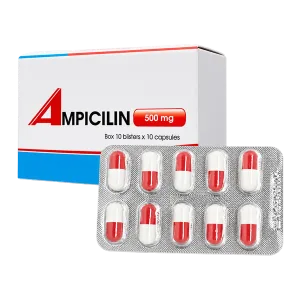
Ampicillin

Active ingredient: Ampicillin
250mg 500mg
From AED 344.00
pills
4 (3)

Chloramphenicol Current

Active ingredient: Chloramphenicol
500mg
From AED 829.90
pills
3.5 (3)

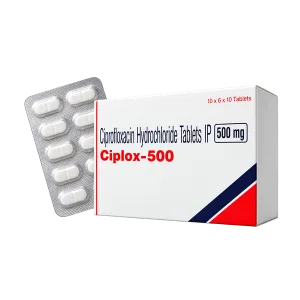
Ciplox

Active ingredient: Ciprofloxacin
500mg 250mg
From AED 344.00
pills
4.3 (5)

Cipro

Active ingredient: Ciprofloxacin
250mg 500mg 750mg
From AED 434.30
pills
3.9 (4)

Clindamycin

Active ingredient: Clindamycin
150mg 300mg
From AED 477.30
pills
4 (4)

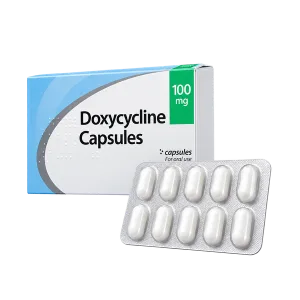
Doxycycline

Active ingredient: Doxycycline
100mg 200mg
From AED 331.10
pills
3.5 (3)

Comparison table: Antibiotics

Common questions

Can Chloramphenicol be taken with food or on an empty stomach?

The correct timing depends on the prescribed regimen and the formulation instructions provided by the treating clinician. Food may improve stomach comfort for some patients, while a consistent interval may be more relevant for maintaining treatment exposure. The FDA’s 2019 chloramphenicol prescribing information describes systemic dosing as a clinical regimen rather than a self-selected schedule. Take each dose with water and do not alter meal timing if the prescriber has given specific instructions.

Is alcohol allowed while using Chloramphenicol?

Alcohol is best avoided during treatment because it can add to nausea, dizziness, weakness, and impaired concentration. Alcohol does not improve antibiotic activity and can make it harder to recognise early symptoms of illness or toxicity. WHO’s 2023 antimicrobial guidance emphasises appropriate antibiotic use and careful monitoring of treatment response. Avoid driving or hazardous work if dizziness or reduced alertness occurs.

Which condition rules out Chloramphenicol?

A previous episode of chloramphenicol-associated aplastic anaemia or serious bone-marrow suppression rules out routine reuse. A known allergy to the substance is another clear contraindication. EMA’s 2010 safety information identifies severe haematological reactions as a central limitation of systemic chloramphenicol. Unexplained bruising, fever, mouth ulcers, or marked fatigue during treatment require urgent medical evaluation.

What is the best time of day to take Chloramphenicol?

There is no universally best morning or evening time. The important factor is following the prescribed interval consistently, because the treatment schedule is selected according to the infection and patient-specific factors. The FDA’s 2019 prescribing information supports regimen-based dosing rather than a universal time of day. A reminder can help when doses fall outside normal meal or sleep routines.

Can Chloramphenicol affect driving, concentration, or machinery work?

Dizziness, headache, weakness, nausea, or visual disturbance can reduce fitness to drive or operate machinery. Avoid these activities until you know how the capsules affect you. The World Health Organization’s 2023 antibiotic safety principles support monitoring for adverse effects during treatment. Seek urgent assessment if weakness, faintness, breathing difficulty, or neurological symptoms develop.

Do you offer anonymous delivery?

Your order will be securely packed and shipped within 24 hours. This is exactly what your package will look like (images of an actual item sent). It has the size and look of a regular private letter (24x11x0.7 cm) and its contents cannot be seen.

Reviews: Chloramphenicol

3.5
Based on 3 reviews
Ali, 59 Mirdif
Verified
Rating: 4 out of 5

I took the prescribed capsules for a serious bacterial infection. The fever settled after several days, but I was asked to complete blood tests, which made the treatment feel more involved than a routine antibiotic. I had mild nausea at first and found that water with each capsule helped.

6 Oct 2026
Mohammed, 34 Bur Dubai The first week
Verified
Rating: 4 out of 5

The medicine was selected after other antibiotic options were unsuitable. I noticed tiredness and a metallic taste during the first week. My doctor changed the plan after reviewing the results, so I did not continue the capsules on my own.

19 Oct 2026
Zubair, 59 Dubai
Verified
Rating: 2.5 out of 5

The infection improved, but I developed unusual bruising during treatment. I stopped taking further doses and sought urgent assessment as instructed. The experience reminded me that chloramphenicol needs closer attention than antibiotics I had used previously.

3 Nov 2026

Sources

  1. World Health Organization (2023). The WHO AWaRe Antibiotic Book: Informal guidance on the management of common infections.
  2. European Medicines Agency (2010). Summary of Product Characteristics (SmPC) — chloramphenicol.
  3. U.S. Food and Drug Administration (2019). Chloramphenicol sodium succinate injection: Prescribing Information.
Get our free app Shop faster and track your orders 3.9 · 576 reviews Install