took trazodone for several weeks after persistent low mood and broken sleep: “The first nights left me heavy in the morning. That eased after about two weeks, and my sleep became less interrupted, but the mood improvement took longer.”
Trazodone changes serotonin signalling in the brain and may ease depressive symptoms while promoting sleepiness. Trazodone is prescribed for adults with major depressive disorder, while clinicians may use its sedating properties for sleep disturbance in selected cases.
Product information
Trazodone belongs to the antidepressant group known as serotonin antagonist and reuptake inhibitors, or SARIs. Its principal licensed role is the treatment of major depressive disorder. The medicine may also be used in clinical practice for sleep disturbance, usually when a prescriber considers its sedating effect relevant to the patient’s symptoms.
Dosage and administration
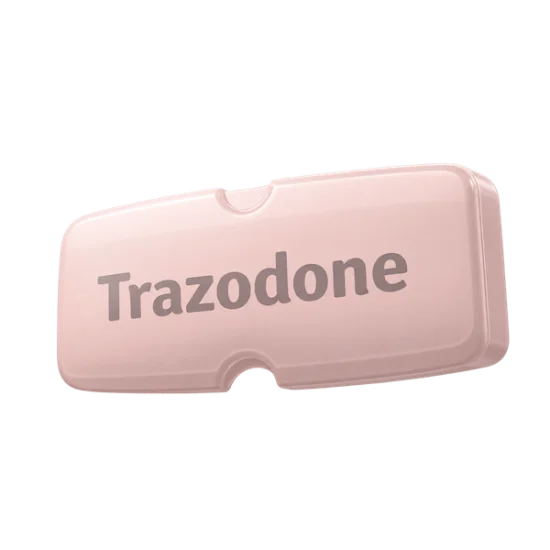
The product is supplied as oral pills. The amount taken at each intake is selected individually rather than being one fixed number for every person. The choice depends on the treatment goal, age, other medicines, response, and tolerability.
Trazodone is taken orally as pills containing the active substance trazodone. The product data identify the medicine as Trazodone, while the prescribed amount per intake is individualised. Strength selection belongs to the treatment plan and may change during titration or maintenance therapy.
Pills should be swallowed according to the prescribed administration instructions. Modified-release and immediate-release formulations can behave differently, so the intended formulation should be established before treatment begins. A tablet designed for altered release should not be crushed or chewed unless the prescribing information specifically permits that method.
Individual Dose Selection
The prescriber may consider:
- the treatment indication;
- previous response to antidepressants;
- age and fall risk;
- liver or kidney function;
- other sedating medicines;
- blood pressure and fainting history;
- suicidal thoughts or worsening mood;
- the degree of daytime impairment.
Food can affect the tolerability and absorption pattern of some trazodone formulations. Use the same relationship with meals each day unless the prescriber gives a different instruction. If a dose is missed, take it only when there is enough time before the next planned dose; do not double the next intake.
Clinical prescribing information from the FDA describes trazodone as an antidepressant with central nervous system effects, including sedation, dizziness, and impairment of alertness in some patients [1].
Ingredients
Trazodone oral pills contain the active substance trazodone. The product belongs to the serotonin antagonist and reuptake inhibitor (SARI) antidepressant group; the exact strength is selected individually as part of the treatment plan.
How it affects the body
Trazodone influences serotonin, a neurotransmitter involved in mood, sleep, anxiety, and emotional regulation. It inhibits serotonin reuptake, leaving more serotonin available between nerve cells. It also blocks selected serotonin receptors, including receptors associated with anxiety, agitation, and sleep regulation.
This receptor activity gives trazodone a different clinical profile from medicines that mainly increase serotonin by blocking reuptake alone. The sedating effect is linked partly to antagonism at histamine H1 and alpha-1 adrenergic receptors. Alpha-1 blockade can also contribute to dizziness or a fall in blood pressure when standing.
Serotonin Antagonism and Reuptake Inhibition
The pharmacological term SARI describes two actions:
- Serotonin antagonist: trazodone blocks selected serotonin receptor subtypes.
- Reuptake inhibitor: trazodone reduces the transporter-mediated removal of serotonin from the synaptic space.
- Central sedation: receptor effects can reduce arousal and make sleep more likely.
- Alpha-1 adrenergic blockade: this may cause postural dizziness or light-headedness.
The balance between these actions varies with the prescribed amount.
Therapeutic indications
Trazodone has two common clinical contexts: treatment of major depressive disorder and selected off-label use for insomnia or sleep disruption. These uses are not interchangeable. A sleep-focused regimen is not automatically an antidepressant regimen, and increasing the amount without medical direction can raise adverse-effect risk without improving sleep.
For depression, treatment aims to reduce persistent low mood, loss of interest, guilt, hopelessness, reduced energy, and associated sleep or appetite changes. For sleep disturbance, the intended benefit may be easier sleep onset or fewer awakenings. The prescriber also considers whether insomnia is a symptom of depression, anxiety, pain, substance use, or another medical condition. These factors can change the reason for treatment. They also affect the follow-up plan.
The treatment plan may include gradual adjustment. A person who is sensitive to sedation may need a slower approach, while someone with severe depressive symptoms may require a clinically supervised antidepressant regimen.
Treatment Goals
- Major depressive disorder: mood, motivation, concentration, appetite, and sleep may improve over time.
- Sleep disturbance: the immediate target may be reduced nighttime arousal or improved sleep continuity.
- Mixed symptoms: depression with insomnia may lead a clinician to consider trazodone’s dual pharmacological profile.
- Persistent insomnia alone: the prescriber should assess causes and duration before selecting an off-label treatment.
The WHO classifies depressive disorders as conditions requiring appropriate assessment and follow-up, rather than treatment based on sleep symptoms alone. Trazodone can be useful in selected patients, but its suitability depends on the full clinical picture.
Common mistakes
Several everyday mistakes can make trazodone seem ineffective or poorly tolerated:
- taking extra pills after one difficult night;
- stopping abruptly after sedation or nausea without a treatment plan;
- combining the medicine with alcohol;
- driving before learning how strongly it affects alertness;
- standing quickly after taking it;
- changing the relationship with food from one day to the next;
- using leftover pills for a different person’s insomnia;
- failing to mention herbal products or non-prescription medicines with sedating effects;
- ignoring a painful prolonged erection because it feels embarrassing;
- treating early drowsiness as proof that depression has improved.
One practical issue is morning impairment. Someone may sleep longer but still have slowed reaction time after waking. This matters for construction work, driving, operating machinery, climbing, and caring for children.
When not to use it
- you have had a serious allergic reaction to trazodone;
- you are taking a monoamine oxidase inhibitor or have stopped one recently without medical direction;
- you have an untreated or unstable heart-rhythm problem;
- you have active mania or symptoms suggesting bipolar disorder without appropriate mood-stabilising assessment;
- you have unexplained fainting or severe postural hypotension;
- you have current suicidal intent requiring urgent mental-health care rather than unsupervised medication adjustment;
- you are pregnant or breastfeeding and the prescriber has not assessed the potential benefits and risks.
Other serotonergic medicines, including some antidepressants, migraine treatments, and certain pain medicines, can increase the risk of serotonin syndrome.
Tell the prescriber about anticoagulants, antiplatelet medicines, medicines affecting heart rhythm, blood-pressure treatment, and drugs that inhibit or induce hepatic enzymes.
When this is not for you
Trazodone is not suitable for everyone. A prescriber needs a complete medicines history because serotonin toxicity, excessive sedation, low blood pressure, and cardiac effects may result from combinations that appear routine.
Alcohol, opioids, sleeping medicines, sedating antihistamines, and other central nervous system depressants can intensify drowsiness and impair coordination. The FDA warns that antidepressant treatment requires monitoring for worsening depression, unusual agitation, or suicidal thoughts, especially after initiation or a change in treatment [1].
Possible side effects
Sleepiness, dizziness, dry mouth, headache, nausea, constipation, and blurred vision can occur with trazodone. These effects may be more noticeable at the beginning of treatment or after a dose change. Some patients experience morning grogginess, reduced concentration, or unsteadiness when standing.
The main advantages are its serotonergic antidepressant action and potential usefulness when depressive symptoms coexist with poor sleep. The trade-off is sedation, which can interfere with work, driving, exercise, and caregiving responsibilities.
Common Tolerability Problems
- Somnolence: daytime sleepiness or unusually prolonged sleep.
- Dizziness: often more apparent when rising quickly.
- Dry mouth: regular fluids and sugar-free gum may help.
- Nausea: taking the medicine consistently with regard to meals may improve tolerance.
- Headache: monitor whether it persists or appears with visual symptoms.
- Postural light-headedness: sit or lie down if faintness starts.
A patient may feel sleepy before mood improves. That timing does not prove that the antidepressant treatment is working, and it should not lead to self-directed dose changes.
Rare but serious reactions include serotonin syndrome, severe allergic reactions, abnormal heart rhythms, fainting, mania, suicidal thinking, and priapism. Priapism means a painful or prolonged erection and requires urgent medical assessment because tissue damage can occur if treatment is delayed.

Comparison
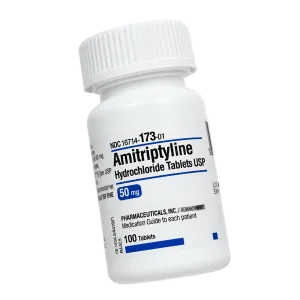
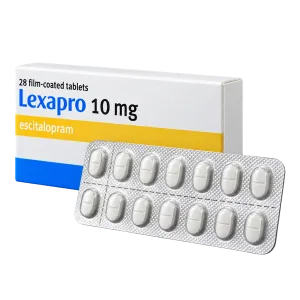
Trazodone differs from other antidepressant classes through its combination of serotonin reuptake inhibition, receptor antagonism, and sedating activity. SSRIs are often more neutral or activating during the day, while SNRIs also influence noradrenaline and may affect energy, blood pressure, or anxiety. Tricyclic antidepressants affect several receptors and can cause marked anticholinergic and cardiovascular effects.
| Treatment category | Typical clinical profile | Main limitation |
|---|---|---|
| Trazodone | Serotonergic activity with a tendency toward sedation | Drowsiness, dizziness, postural blood-pressure changes |
| SSRIs | Serotonin reuptake inhibition; often used for depression and anxiety | Nausea, sexual dysfunction, agitation or sleep disruption in some patients |
| SNRIs and tricyclics | Broader neurotransmitter effects, with options for selected depressive or pain-related conditions | Blood-pressure, anticholinergic, cardiac, or activating effects vary by medicine |
Trazodone may suit a patient whose depression is accompanied by troublesome insomnia, while an SSRI or SNRI may be preferred when daytime alertness is a priority. A tricyclic may be chosen for a specific clinical reason, but its adverse-effect burden requires careful selection.
The European Medicines Agency evaluates antidepressant safety through product information and pharmacovigilance systems. Choice of treatment depends on diagnosis, comorbidities, interaction risk, and the patient’s previous response rather than on sedation alone [2].
What doctors say
In clinical practice, prescribers usually explain that trazodone has two different time profiles. Sedation can occur after an early dose, while antidepressant improvement generally requires regular treatment and reassessment. A patient should not judge the entire treatment from the first night.
Doctors also look beyond sleep duration. Better sleep with worsening mood, increased agitation, or reduced impulse control is not a successful treatment outcome. Mood, energy, anxiety, suicidal thinking, and daytime function all need attention.
The National Institute for Health and Care Excellence recommends structured assessment and follow-up for depression, including review of response, adverse effects, adherence, and suicide risk. Trazodone may be considered within that wider plan, not as a stand-alone answer to every sleep complaint [3].
Comparison
Common questions
Does trazodone cause weight gain?
Weight change can occur during antidepressant treatment, although it is not the defining effect of trazodone. The FDA's 2025 prescribing information identifies appetite and weight changes as possible treatment-related concerns, while individual responses vary. A sudden or marked change should be discussed during follow-up, especially if it occurs with swelling, breathlessness, or major appetite changes. Monitoring weight alongside mood and sleep can help distinguish a medication effect from changes caused by depression or lifestyle.
Which symptoms mean that trazodone should be stopped and reviewed urgently?
A painful prolonged erection, severe allergic reaction, fainting, seizure, serious heart-rhythm symptoms, or signs of serotonin syndrome requires urgent medical attention. The FDA's 2025 prescribing information describes serotonin syndrome symptoms such as agitation, confusion, sweating, fever, tremor, muscle rigidity, and diarrhoea in the context of serotonergic medicines. New suicidal thoughts, extreme agitation, or manic behaviour also require immediate clinical contact rather than a self-directed dose change. Do not take another dose until urgent medical advice has addressed the specific reaction.
How soon does trazodone begin to work?
Sleepiness may be noticed after an early dose, while improvement in depressive symptoms generally takes longer. NHS clinical information updated in 2025 describes antidepressant response as developing over the first weeks, with fuller assessment after consistent treatment. The EMA evaluates response and adverse effects through the approved product information and ongoing safety monitoring. If there is no improvement, or if mood worsens, the treatment plan should be reviewed rather than changed independently.
Can someone drive, concentrate, or operate machinery while taking trazodone?
Trazodone can impair alertness, coordination, reaction speed, or visual focus, especially after starting treatment or changing the amount. The 2025 information from the UAE Ministry of Health and Prevention, like guidance from other medicines regulators, supports attention to medicine-related impairment when work involves driving or machinery. Avoid these activities until the individual effect is clear and daytime alertness is reliable. Alcohol and other sedatives can make impairment stronger and less predictable.
Which condition rules trazodone out?
An untreated monoamine oxidase inhibitor interaction rules out routine use because of the risk of serious serotonergic reactions. A history of severe trazodone allergy is another clear exclusion. Clinicians also avoid unsupervised use in people with unstable cardiac disease, severe fainting, active mania, or urgent suicidal risk. WHO guidance published in 2023 supports assessment of the whole mental and physical health picture before antidepressant treatment is selected.
Do you offer anonymous delivery?
Your order will be securely packed and shipped within 24 hours. This is exactly what your package will look like (images of an actual item sent). It has the size and look of a regular private letter (24x11x0.7 cm) and its contents cannot be seen.
Reviews: Trazodone
used an individually adjusted amount: “I noticed sleepiness quickly, but I still felt flat during the first week. I made the mistake of taking an extra pill once, then felt dizzy the next morning. I stopped changing the amount myself.”
received trazodone during treatment for depression with insomnia: “Sleep became easier after a few days. My concentration at work was worse at first, so I avoided driving early in the morning until I knew how I reacted.”
reported mixed results: “The medicine helped me stay asleep, but dry mouth and morning fog were frustrating. My clinician changed the timing and reviewed my other medicines rather than simply increasing the amount.”
Sources
- U.S. Food and Drug Administration (2025). Trazodone hydrochloride prescribing information
- European Medicines Agency (2024). Summary of Product Characteristics (SmPC) — trazodone
- National Institute for Health and Care Excellence (2022). Depression in adults: treatment and management