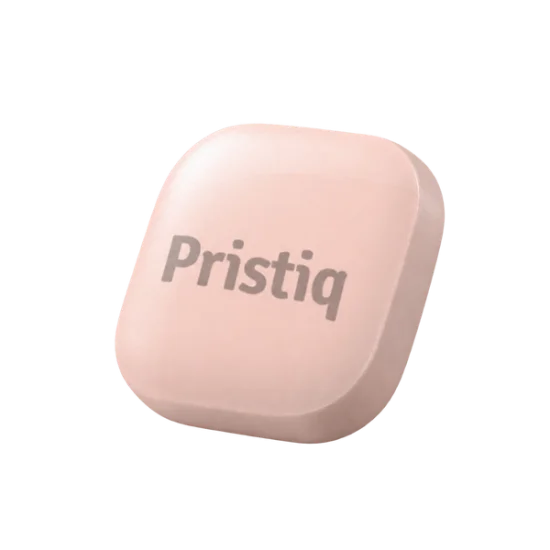
Ali, 44 - Dubai Marina, took Pristiq tablets daily for about six weeks: “The first week brought nausea and lighter sleep. Those effects settled, and my concentration improved before my mood did. I still needed a routine because missing a tablet made me dizzy.”
Desvenlafaxine, the active ingredient associated with Pristiq, belongs to the serotonin–norepinephrine reuptake inhibitor (SNRI) class. Pristiq tablets are prescribed for adults with major depressive disorder. By increasing serotonin and norepinephrine signalling, treatment can help improve persistent low mood, loss of interest, sleep changes, and reduced concentration.
Product information
Pristiq is an antidepressant used in psychiatric care for major depressive disorder. Its active substance, desvenlafaxine, is an SNRI that affects two neurotransmitter systems involved in mood regulation.
Dosage and administration
The dose is decided individually, taking age, other medicines, and health conditions into account. Pristiq is supplied as tablets intended for oral administration, with the exact regimen selected by the prescribing clinician.
- Take the tablet once daily at the prescribed time.
- Swallow it with water.
- Take it consistently, either with food or without food, according to the prescribed routine.
- Swallow extended-release tablets whole.
- Do not crush, chew, split, or dissolve the tablet unless a specific product instruction allows it.
- If a dose is missed, take it when remembered unless the next scheduled dose is near.
- Do not take two doses together to compensate for a missed dose.
A missed dose can cause symptoms in some people because desvenlafaxine leaves the body relatively quickly. Taking an extra tablet increases the risk of adverse effects and does not reliably restore symptom control.
The extended-release design controls how desvenlafaxine is released during the day. Breaking or chewing the tablet can alter that release pattern. One practical detail patients often miss is that a tablet may pass through the digestive tract with an empty-looking shell; this can occur with some extended-release formulations and does not automatically mean the medicine failed.
Ingredients
The active pharmaceutical ingredient in Pristiq is desvenlafaxine. It belongs to the serotonin–norepinephrine reuptake inhibitor (SNRI) class and affects serotonin and norepinephrine signalling involved in mood regulation.
How it affects the body
Desvenlafaxine inhibits the reuptake of serotonin and norepinephrine. This dual action differentiates an SNRI from a selective serotonin reuptake inhibitor, or SSRI, which primarily targets serotonin reuptake. The therapeutic effect develops through changes in neuronal signalling over time rather than an immediate rise in mood.
At the synaptic cleft, nerve cells release neurotransmitters that bind to receptors on neighbouring cells. Transporter proteins normally move serotonin and norepinephrine back into the releasing neuron. Desvenlafaxine blocks these transporters, leaving more neurotransmitter available for signalling.
Pristiq does not act as a sedative or stimulant in the usual sense. Some people feel more alert, while others experience sleepiness or fatigue. The response depends on individual biology, the depression itself, sleep patterns, and other medicines.
The relationship with venlafaxine is pharmacological rather than interchangeable. Venlafaxine is metabolised partly into desvenlafaxine, while Pristiq supplies desvenlafaxine directly as its active component.
Therapeutic indications
The FDA-approved indication is treatment of major depressive disorder in adults [1].
Depression can involve low mood, loss of pleasure, fatigue, changes in sleep or appetite, slowed thinking, guilt, and thoughts of death. Pristiq is used when a clinician considers an SNRI appropriate after assessing symptoms, medical history, current medicines, and suicide risk.
Serotonin–norepinephrine reuptake inhibitors reduce the reuptake of serotonin and norepinephrine between nerve cells. More of these neurotransmitters remains available in the synaptic space, allowing continued signalling between neurons.
Pristiq is not intended for occasional sadness or a single difficult day. Antidepressant treatment is generally considered when symptoms are persistent, clinically significant, or interfere with daily functioning.
Common mistakes
Several practical errors can reduce benefit or increase harm:
- Taking tablets at irregular times and then compensating with an extra dose
- Crushing or chewing an extended-release tablet
- Stopping abruptly after feeling better
- Failing to mention antidepressants, tramadol, migraine medicines, or herbal products
- Ignoring rising blood pressure or persistent palpitations
- Treating severe agitation or confusion as an ordinary early side effect
- Drinking alcohol to manage insomnia or anxiety caused by treatment
- Assuming nausea, sexual dysfunction, or emotional blunting must be tolerated silently
- Starting an MAOI without observing the required washout period
- Missing follow-up during the first weeks, when mood changes and activation require closer observation
A frequent misconception is that a medicine must produce a noticeable feeling immediately to be working. Antidepressant benefit is usually measured by changes in symptoms and functioning over time, not by a sudden sensation after one tablet.
When not to use it
Pristiq should not be used by a person with hypersensitivity to desvenlafaxine, venlafaxine, or any component of the formulation. It should not be combined with a monoamine oxidase inhibitor because of the risk of severe serotonergic toxicity.
An MAOI should not be started until at least seven days after discontinuing desvenlafaxine. A longer interval is required after some MAOIs before beginning Pristiq, based on the specific medicine and its persistence in the body. Phenelzine, tranylcypromine, and medicines used for similar purposes require explicit medication-transition planning.
Extra caution applies with:
- Previous mania, hypomania, bipolar disorder, or psychosis
- Seizure history
- Uncontrolled hypertension
- Glaucoma or increased eye pressure
- Kidney impairment
- Liver disease
- Low sodium
- A history of abnormal bleeding
- Pregnancy or breastfeeding
- Regular use of anticoagulants, antiplatelet medicines, or non-steroidal anti-inflammatory drugs
When this is not for you
This medicine is not for you if you have had a serious allergic reaction to desvenlafaxine or venlafaxine, are currently taking an MAOI, or have been told that an SNRI is unsuitable because of a medical condition or interaction.
Possible side effects
Clinical trials and regulatory information associate desvenlafaxine with nausea, dizziness, insomnia, sweating, dry mouth, constipation, reduced appetite, fatigue, and sexual side effects [1]. Many unwanted effects are most noticeable during the first days or weeks, then lessen as the body adapts. Some persist and require a change in dose, timing, or treatment.
Common problems include:
- Nausea or stomach discomfort
- Dry mouth
- Constipation
- Reduced appetite
- Headache or dizziness
- Sweating
- Sleepiness or insomnia
- Anxiety, restlessness, or feeling activated
- Reduced libido or difficulty reaching orgasm
- Delayed ejaculation or erectile difficulty
Nausea may improve when the tablet is taken with a meal, provided the daily routine remains consistent. Dry mouth can make dental hygiene more important because reduced saliva increases the risk of tooth decay. Constipation may respond to adequate fluid intake, fibre, and movement when these measures are medically suitable.
Blood pressure can rise with SNRIs. People with hypertension should have blood pressure monitored during treatment, especially after dose changes. Pristiq can also cause hyponatraemia, with greater vulnerability in older adults and people taking diuretics.
Serious reactions require urgent medical attention. These include suicidal thinking or a rapid worsening of mood, mania or hypomania, severe allergic swelling, seizures, serotonin syndrome, severe bleeding, eye pain with visual halos, and marked confusion.
One less obvious issue is increased bruising or nosebleeds when Pristiq is combined with medicines that affect clotting, including some anti-inflammatory pain medicines and anticoagulants. Another is the possibility of dizziness when standing, which may be more troublesome during the first part of treatment.

Comparison
Pristiq belongs to the SNRI group. Other antidepressants may work mainly through serotonin, through both serotonin and norepinephrine, or through different neurotransmitter systems. The choice depends on depressive symptoms, previous treatment response, blood pressure, sleep, anxiety, pain symptoms, interactions, and tolerability.
| Treatment category | Main pharmacological focus | Practical distinction |
|---|---|---|
| Desvenlafaxine, an SNRI | Serotonin and norepinephrine reuptake inhibition | Dual neurotransmitter action; blood pressure monitoring may be relevant |
| SSRIs | Mainly serotonin reuptake inhibition | Often selected when a serotonin-focused approach is preferred |
| Other SNRIs | Serotonin and norepinephrine reuptake inhibition | Individual agents differ in metabolism, interactions, and use in pain conditions |
SNRIs Versus SSRIs in Clinical Practice
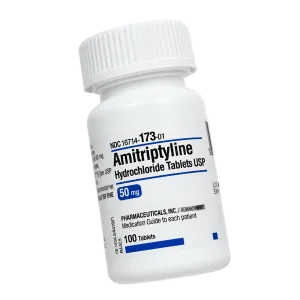
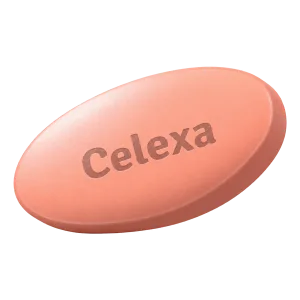
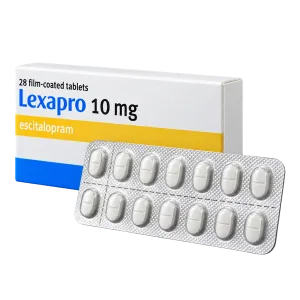
SSRIs such as escitalopram and sertraline primarily increase serotonergic signalling. SNRIs such as desvenlafaxine affect serotonergic and noradrenergic signalling. Neither class is universally superior.
A physician may favour an SSRI when anxiety symptoms and prior SSRI response guide treatment. An SNRI may be considered when low energy, impaired concentration, or previous response to dual-action treatment influences the plan. Both classes can cause nausea, sleep changes, sexual dysfunction, and discontinuation symptoms.
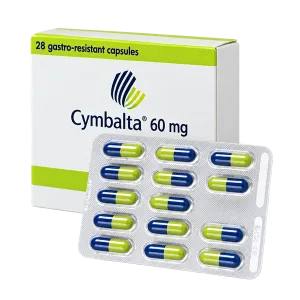
Pristiq also differs from venlafaxine, duloxetine, and other SNRIs in metabolism and interaction patterns. Switching between antidepressants requires a defined plan. Direct self-switching can produce withdrawal symptoms, excessive serotonergic activity, or worsening depression.
What doctors say
In clinical practice, physicians usually assess Pristiq across several domains: depressive symptoms, sleep, energy, concentration, anxiety, blood pressure, suicidal thinking, and adverse effects. A partial response may lead to a careful adjustment, psychotherapy referral, or evaluation for bipolar-spectrum symptoms rather than an automatic dose increase.
Doctors also look for activation. New racing thoughts, unusually reduced need for sleep, impulsive spending, rapid speech, or elevated mood may indicate mania or hypomania and require prompt assessment. An antidepressant alone can worsen this pattern in people with unrecognised bipolar disorder.
The treatment plan should include a review of every medicine, including over-the-counter pain relievers and herbal products. A patient taking several serotonergic agents may have a higher risk of toxicity even when each medicine is prescribed at a conventional dose.
Clinical guidelines from NICE support regular review of antidepressant response, adverse effects, suicide risk, and the patient’s preference during treatment for depression [2]. The aim is not only symptom reduction. Function, sleep, relationships, work, and the ability to manage ordinary tasks also matter.
Comparison
Common questions
Can alcohol be used while taking Pristiq?
Alcohol can intensify dizziness, drowsiness, impaired judgement, and sleep disruption during Pristiq treatment. It may also worsen depression and make it harder to judge whether the medicine is helping. The FDA prescribing information (2023) advises caution because alcohol can add to central nervous system effects [1]. Avoiding alcohol is the clearest approach, especially during treatment initiation or after a dose change.
Does Pristiq cause sexual side effects?
Reduced libido, delayed orgasm, erectile difficulty, and delayed ejaculation can occur with serotonergic antidepressants. These effects may improve, persist, or change as depression improves. NICE guidance from 2022 recommends discussing sexual functioning during antidepressant reviews rather than assuming the symptom is unrelated. Do not stop treatment abruptly because of this problem; a prescriber can assess options.
What should I do after a missed dose?
Take the missed tablet when remembered unless the next scheduled dose is near. Skip it when taking it late would make two doses too close together. Never double the dose. FDA medication guidance from 2023 describes dose doubling as an avoidable cause of adverse effects, while repeated missed doses can contribute to discontinuation symptoms.
Can people under 18 use Pristiq?
Pristiq is not routinely used for depression in children or adolescents unless a specialist has made a specific decision. Antidepressants can increase suicidal thoughts or behavioural changes in some young people during early treatment or dose changes. The WHO's 2023 guidance recommends close monitoring of children and adolescents receiving treatment for depression, with psychological therapies considered as part of care. Any sudden behavioural change needs prompt medical attention.
Is Pristiq suitable for older adults?
Older adults may use desvenlafaxine, but kidney function, blood pressure, sodium levels, falls, and medicine interactions require careful review. The risk of hyponatraemia and dizziness can be greater with age, especially when diuretics are used. The American Geriatrics Society's 2023 guidance advises attention to medicines that increase falls or electrolyte disturbances in older patients. Dose decisions are individual.
Which symptoms mean I should stop and seek urgent medical help?
Urgent assessment is needed for suicidal intent, severe agitation, confusion, high fever, muscle rigidity, seizures, facial or throat swelling, severe rash, chest pain, fainting, or sudden eye pain with blurred vision. These symptoms can signal serotonin syndrome, a serious allergic reaction, a cardiovascular problem, or acute eye pressure. The FDA label from 2023 identifies these reactions as requiring urgent medical assessment. Do not take another dose until urgent medical advice has been obtained when a severe reaction is suspected. Emergency services are appropriate for immediate danger.
Can the tablet be split, crushed, or chewed?
Extended-release Pristiq tablets should be swallowed whole. Crushing, chewing, or splitting may interfere with the release mechanism and expose the body to the active substance too quickly. The FDA product information from 2023 describes the tablet as an extended-release formulation. Swallowing difficulty should be discussed before changing the tablet form or requesting a replacement treatment.
Do you offer anonymous delivery?
Your order will be securely packed and shipped within 24 hours. This is exactly what your package will look like (images of an actual item sent). It has the size and look of a regular private letter (24x11x0.7 cm) and its contents cannot be seen.
Reviews: Pristiq
Rashid, 40 - Dibba Al-Fujairah, used the prescribed regimen for three months: “My energy was better by the second month, but sweating was annoying during outdoor work. I also noticed reduced sexual interest. The medicine helped, although the side effects needed an honest discussion.”
Khalid N., 38 - Madinat Zayed, stopped treatment without a planned taper: “I felt well and discontinued the tablets quickly. Dizziness, irritability, and strange sensations followed within days. A slower reduction arranged with my prescriber was easier to manage.”
Sources
- U.S. Food and Drug Administration (2023). Pristiq (desvenlafaxine) Extended-Release Tablets: Prescribing Information.
- National Institute for Health and Care Excellence (2022). Depression in adults: treatment and management, NICE Guideline NG222.