Skip to content
Noroxin
Active ingredient: Ciprofloxacin

Noroxin

Quality products
24/7 Support
Fast delivery
Delivery from 4 days
Select pack Package Per unit Price

Free delivery on orders from AED 860.00, free express delivery from AED 1,290.00

Secure Payments
Track your order
Best price guarantee

Urinary tract infections caused by susceptible bacteria may require a prescription antibiotic such as Noroxin. Its active ingredient, norfloxacin, belongs to the fluoroquinolone group and blocks bacterial DNA replication, helping stop the infection from spreading. Treatment must be selected for the individual infection and medical history.

Product information

Noroxin contains norfloxacin, a synthetic fluoroquinolone antibiotic. It is supplied as oral tablets and is used against selected bacterial infections when the suspected organism is susceptible to norfloxacin. Antibiotics in this group act on bacterial enzymes that are essential for copying and repairing DNA.

Norfloxacin is the generic name associated with Noroxin. It is not suitable for every infection, and antibiotic selection depends on the infection site, local resistance patterns, kidney function, previous antibiotic exposure, and microbiology results.

Its suitability for infections outside the urinary tract is limited by tissue distribution and current antibiotic guidance [1].

Dosage and administration

Noroxin is supplied as tablets. The dose is decided individually, taking age, other medicines, kidney function, infection type, and health conditions into account.

Use the prescribed regimen exactly:

  • Take each tablet by mouth with water.
  • Keep doses evenly spaced when more than one dose is prescribed each day.
  • Complete the prescribed course unless a clinician changes the treatment.
  • Do not share tablets with another person.
  • Do not use leftover antibiotics for a later urinary infection.
  • Separate norfloxacin from mineral supplements and metal-containing antacids because these products can reduce absorption.
  • Take it at the time specified by the prescriber, usually away from meals when that instruction is given.

Do not crush or chew a tablet unless the product information specifically permits it. If swallowing is difficult, request an appropriate alternative rather than changing the tablet yourself.

A missed dose should be taken when remembered unless the next scheduled dose is near. Taking two doses together can increase adverse-effect risk and is not a reliable way to restore antibiotic activity.

Iron, zinc, calcium, magnesium, aluminium, and multivitamin products can bind norfloxacin in the digestive tract. Keep them separated from the antibiotic according to the prescriber’s or medicine-specific instructions.

Ingredients

Noroxin contains norfloxacin, a synthetic fluoroquinolone antibiotic. It is supplied as oral tablets. Norfloxacin acts on bacterial enzymes needed for DNA copying and repair, but it is suitable only for selected bacterial infections when the organism is susceptible.

How it affects the body

Norfloxacin inhibits bacterial DNA gyrase and topoisomerase IV. These enzymes control the twisting, separation, and repair of bacterial DNA during replication. When the enzymes are blocked, bacterial DNA becomes damaged and the organism loses the ability to multiply.

This mechanism explains why norfloxacin can act quickly against susceptible bacteria.

The FDA has advised that systemic fluoroquinolones should be reserved for certain uncomplicated infections when other options are suitable because the risks may outweigh the benefits in some situations [3].

Therapeutic indications

Noroxin is associated primarily with selected uncomplicated urinary tract infections caused by susceptible bacteria. An uncomplicated infection generally refers to a lower urinary infection without features such as pregnancy, urinary obstruction, major kidney impairment, an indwelling catheter, or significant structural disease of the urinary tract.

Treatment decisions should account for local resistance. The World Health Organization and European Medicines Agency have stressed that fluoroquinolone use requires careful selection because class-related adverse reactions can be serious and bacterial resistance can reduce treatment success [2].

Management of uncomplicated urinary tract infections

Noroxin may be considered when a prescriber has determined that norfloxacin is an appropriate option. Clinical assessment usually includes:

  • Burning or pain during urination.
  • Increased urinary frequency or urgency.
  • Lower abdominal discomfort.
  • Urine testing when symptoms are recurrent, atypical, severe, or difficult to classify.
  • Culture and susceptibility testing when resistance, relapse, or treatment failure is suspected.

Fever, flank pain, vomiting, confusion, or marked weakness may suggest a more complicated infection or kidney involvement. Those symptoms require prompt medical assessment because an oral urinary antibiotic may not provide suitable coverage for the clinical situation.

Norfloxacin has also had historical use in selected gonococcal infections, but resistance has changed treatment practice. It should not be selected for gonorrhoea without current susceptibility information and a clinician’s specific direction.

Common mistakes

Several practical errors can reduce treatment success or increase risk:

  • Taking the tablet together with an iron or mineral supplement.
  • Stopping after the first improvement instead of following the prescribed course.
  • Using a previous antibiotic for a new urinary symptom.
  • Ignoring tendon pain because the symptom appears mild.
  • Continuing strenuous exercise after tendon discomfort begins.
  • Taking an extra tablet after a missed dose.
  • Failing to mention corticosteroid treatment.
  • Assuming that diarrhoea is harmless when it becomes severe or bloody.
  • Treating fever or flank pain as a simple bladder infection without reassessment.

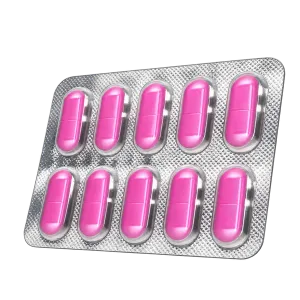
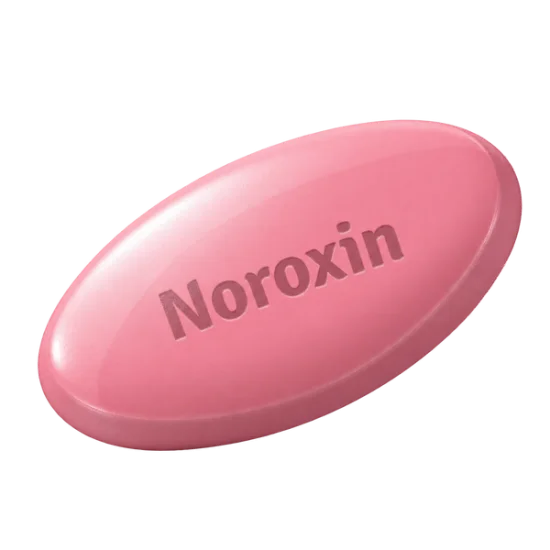
The colour or shape of a tablet does not determine whether it is appropriate for a particular infection. The clinical diagnosis and susceptibility of the bacteria matter more than appearance.

When not to use it

Noroxin is not suitable for you if you have had a serious allergic reaction to norfloxacin, another fluoroquinolone, or a related quinolone antibiotic. It is also unsuitable when the infection is known to be resistant or when the infection requires treatment that norfloxacin cannot reliably provide.

Special medical review is needed with:

  • Previous tendon disorder linked to a quinolone.
  • Epilepsy or a history of seizures.
  • Peripheral neuropathy.
  • Significant kidney impairment.
  • Aortic aneurysm or known aortic disease.
  • Heart-rhythm disorders or a history of prolonged QT interval.
  • Low potassium or low magnesium.
  • Myasthenia gravis.
  • Diabetes treated with insulin or other glucose-lowering medicines.
  • Use of corticosteroids.
  • Pregnancy, planned pregnancy, or breastfeeding.
  • Age below 18 years.

Fluoroquinolones are generally avoided in children and adolescents unless a specialist identifies a specific reason. Cartilage and musculoskeletal concerns are part of the reason for this restriction.

Pregnancy and breastfeeding require an individual decision. Norfloxacin should not be started during pregnancy or lactation without a prescriber assessing the expected benefit and possible risk.

When this is not for you

Do not use Noroxin without medical review if you have previously had a serious reaction to norfloxacin or another fluoroquinolone. It may not be the right choice if your infection is resistant, if you have tendon or nerve problems, heart-rhythm concerns, seizures, kidney disease, diabetes, or myasthenia gravis. Tell the prescriber if you are pregnant, breastfeeding, under 18, or taking corticosteroids.

Possible side effects

Common reactions can include nausea, abdominal discomfort, diarrhoea, headache, dizziness, and sleep disturbance. Mild symptoms may settle during treatment, but worsening symptoms should not be ignored.

Stop taking the tablets and seek urgent medical assessment for:

  • Pain, swelling, stiffness, or a snapping sensation in a tendon.
  • Numbness, burning, tingling, weakness, or altered sensation.
  • Severe anxiety, agitation, confusion, hallucinations, or major sleep changes.
  • Fainting, a fast or irregular heartbeat, or severe palpitations.
  • Facial swelling, breathing difficulty, widespread rash, or blistering skin.
  • Severe watery or bloody diarrhoea during treatment or after the course.
  • Sudden weakness, speech difficulty, or other neurological symptoms.

Tendon problems can develop during treatment or after the last dose. The Achilles tendon is a frequent site, but the shoulder, hand, and other tendons may also be affected. Physical exertion can worsen an injured tendon, so new tendon pain deserves prompt attention.

One detail patients often miss is that tingling or burning in the feet is not simply a normal antibiotic sensation. It may indicate peripheral nerve involvement and should be reported quickly.

Norfloxacin may also affect blood glucose, with greater concern in people using insulin or glucose-lowering medicines. Older adults, people receiving corticosteroids, and those with kidney disease may need extra caution because some adverse reactions occur more often in these groups.

Comparison

The choice between antibiotic categories depends on the organism, infection location, culture result, kidney function, allergy history, pregnancy status, and local resistance data.

Approach Main mechanism or role Main limitation
Norfloxacin Fluoroquinolone that blocks bacterial DNA enzymes Class-related tendon, nerve, heart-rhythm, and central nervous system risks
Nitrofurantoin-type therapy Damages bacterial processes within the urinary tract Not suitable for every kidney function level or infection site
Beta-lactam therapy Disrupts bacterial cell-wall formation Allergy and bacterial resistance may limit use

A clinician may prefer a narrower antibiotic when it is likely to work. A broader or higher-risk class is not automatically a better choice. Culture results can support a more targeted decision, especially after recurrent infections or recent antibiotic use.

Rifaximin is a different antibacterial agent used mainly for selected intestinal conditions and has limited systemic absorption. It is not a routine substitute for norfloxacin in urinary tract infections.

What doctors say

In clinical practice, doctors usually reserve norfloxacin for situations where the expected bacterial susceptibility and patient factors justify its use. The decision is not based on urinary symptoms alone. Recurrent infection, recent antibiotic exposure, male urinary symptoms, pregnancy, fever, and kidney pain can change the treatment pathway.

A physician will often ask about the first day of symptoms, previous cultures, allergies, kidney disease, tendon problems, and current medicines. That history can prevent an unsuitable fluoroquinolone prescription.

Treatment failure does not always mean the antibiotic was taken incorrectly. Resistant bacteria, an incorrect infection diagnosis, kidney involvement, an abscess, or a non-infectious bladder condition can all produce persistent symptoms.

The EMA has issued class-level safety guidance advising healthcare professionals to limit systemic fluoroquinolones for infections that may improve without them or for which other suitable antibiotics are available [4].

Comparison

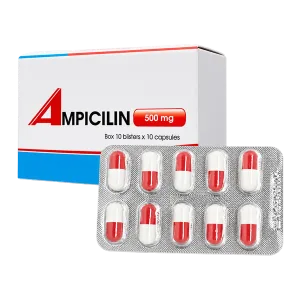
Ampicillin

Active ingredient: Ampicillin
250mg 500mg
From AED 344.00
pills
4 (3)

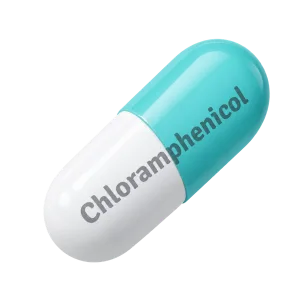
Chloramphenicol

Active ingredient: Chloramphenicol
500mg
From AED 829.90
pills
3.5 (3)

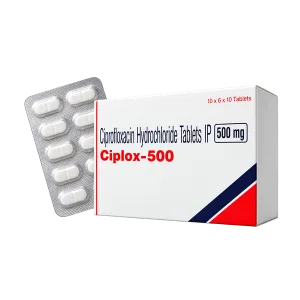
Ciplox

Active ingredient: Ciprofloxacin
500mg 250mg
From AED 344.00
pills
4.3 (5)

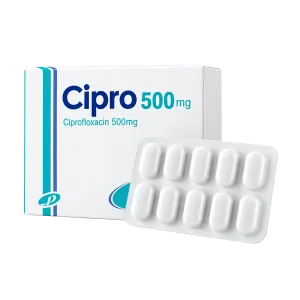
Cipro

Active ingredient: Ciprofloxacin
250mg 500mg 750mg
From AED 434.30
pills
3.9 (4)

Clindamycin

Active ingredient: Clindamycin
150mg 300mg
From AED 477.30
pills
4 (4)

Doxycycline

Active ingredient: Doxycycline
100mg 200mg
From AED 331.10
pills
3.5 (3)

Comparison table: Antibiotics

Common questions

What should I do if the expected result does not come?

Persistent burning, urgency, fever, or pain needs reassessment rather than an automatic dose increase. The FDA safety information reviewed in 2025 advises clinicians to consider resistance, an alternative diagnosis, and serious adverse reactions when symptoms continue. A urine culture may be needed, especially after previous antibiotics or recurrent infection. Do not use a second antibiotic without a new clinical decision.

What should be checked before starting Noroxin?

The prescriber should review allergy history, kidney function, previous tendon or nerve problems, seizure history, heart-rhythm risks, pregnancy or breastfeeding, and all current medicines. MOHAP medication-safety practice in 2024 supports checking for interactions before prescription treatment begins. Mineral supplements, corticosteroids, anticoagulants, diabetes medicines, and QT-prolonging drugs deserve specific attention. A history of serious reaction to a quinolone can rule out Noroxin.

Can Noroxin be used during pregnancy or breastfeeding?

Pregnancy and breastfeeding require an individual risk assessment before norfloxacin is started. The EMA class information available in 2025 describes precautions for fluoroquinolone use and supports selecting treatment according to the infection and patient circumstances. Do not begin, stop, or restart Noroxin for urinary symptoms during pregnancy without an obstetric or medical review. The same applies during breastfeeding because the infant’s exposure and alternative treatments must be considered.

Is alcohol allowed while using Noroxin?

Alcohol does not directly remove norfloxacin’s antibacterial activity, but it can intensify dizziness, nausea, poor sleep, or reduced concentration. WHO antimicrobial-use principles published in 2022 support avoiding factors that make adverse effects harder to recognise during antibiotic treatment. Avoid alcohol if you feel unwell, dizzy, confused, or unusually sleepy. Never use alcohol as a reason to change the prescribed timing or dose.

Can people under 18 use Noroxin?

Routine use in children and adolescents is generally avoided unless a specialist identifies a clear indication. Paediatric fluoroquinolone decisions require attention to musculoskeletal risks, infection severity, and safer alternatives. EMA safety information available in 2025 supports restricting fluoroquinolone use in younger patients to selected clinical situations. A child or teenager with urinary symptoms needs diagnosis rather than access to an adult’s tablets.

What happens after stopping Noroxin, and does it need tapering?

Norfloxacin is an antibiotic, not a medicine that normally requires gradual dose reduction. The course should be completed for the duration prescribed unless a clinician stops it because of an adverse reaction or changes the diagnosis. FDA safety information reviewed in 2025 advises urgent assessment for tendon pain, neuropathy, severe allergy, or major neurological symptoms rather than continued dosing. Stopping early because symptoms improve can leave bacteria behind and contribute to recurrence or resistance.

What should I do after a missed dose?

Take the missed tablet when remembered unless the next scheduled dose is near. In that situation, skip the missed dose and return to the normal schedule. WHO antimicrobial guidance published in 2022 supports avoiding double dosing because extra tablets do not reliably compensate for a missed dose and may increase adverse effects. If several doses were missed, contact the prescriber for an appropriate plan.

Do you offer anonymous delivery?

Your order will be securely packed and shipped within 24 hours. This is exactly what your package will look like (images of an actual item sent). It has the size and look of a regular private letter (24x11x0.7 cm) and its contents cannot be seen.

Reviews: Noroxin

4.2
Based on 3 reviews
Ahmed, 65 Dubai
Verified
Rating: 5 out of 5

The burning improved after several days, and I found the tablets easy to swallow. I was taking a mineral supplement at breakfast, so the timing instructions were useful. I did not have tendon symptoms.

3 Nov 2026
Joel F., 51 Deira
Verified
Rating: 3.5 out of 5

The urgency improved, but I developed loose stools and felt unusually restless at night. The doctor changed the plan after the symptoms continued. I would not restart an old antibiotic without an assessment now.

7 Oct 2026
Samir, 29 Khalifa City
Verified
Rating: 4 out of 5

The symptoms settled, but I noticed ankle discomfort while exercising. I stopped the workout and contacted the clinic. The pain improved after review, although the experience made me more cautious about fluoroquinolone treatment.

21 Oct 2026

Sources

  1. U.S. Food and Drug Administration (2018). NOROXIN (norfloxacin) Tablets: Prescribing Information.
  2. World Health Organization (2022). The WHO AWaRe (Access, Watch, Reserve) antibiotic book.
  3. U.S. Food and Drug Administration (2016). FDA Drug Safety Communication: FDA Updates Warnings for Oral and Injectable Fluoroquinolone Antibiotics.
  4. European Medicines Agency (2018). Quinolone- and Fluoroquinolone-Containing Medicinal Products: Disabling and Potentially Permanent Side Effects Lead to Suspension or Restrictions of Use.
Get our free app Shop faster and track your orders 3.9 · 576 reviews Install