Skip to content
Nitrofurantoin
Active ingredient: Nitrofurantoin

Nitrofurantoin

Quality products
24/7 Support
Fast delivery
Delivery from 4 days
Select pack Package Per unit Price

Free delivery on orders from AED 860.00, free express delivery from AED 1,290.00

Secure Payments
Track your order
Best price guarantee

Nitrofurantoin is an antibiotic used mainly for uncomplicated bladder infections. It reaches high concentrations in urine, supporting focused activity in the lower urinary tract. How much to use and how often depends on the purpose of treatment and is agreed with a doctor or pharmacist.

Product information

Nitrofurantoin belongs to the antibiotic class and is used mainly for uncomplicated urinary tract infections involving the bladder. Urology clinicians value its focused urinary activity because the drug reaches high concentrations in urine while producing limited exposure in many other tissues.

Dosage and administration

How much Nitrofurantoin to use and how often depends on the purpose of treatment and is agreed with a doctor or pharmacist. The tablets are intended for oral administration. Oral administration with food or milk is standard because food improves absorption and can reduce nausea.

  • Swallow the tablet with a drink.
  • Take each dose at the prescribed interval.
  • Take it with food or milk rather than on an empty stomach.
  • Continue for the full prescribed duration.
  • If a dose is missed, take it when remembered unless the next scheduled dose is near; do not double the next dose.
  • Do not use leftover tablets for a later urinary infection.

A missed dose rarely requires restarting the treatment course. Taking two doses close together can increase nausea, abdominal discomfort, and other adverse effects without improving bacterial clearance.

Nitrofurantoin can darken urine to yellow, brown, or orange. This change is usually a drug effect, while red urine, severe pain, or visible blood requires prompt clinical assessment.

Take the tablets at evenly spaced times when several daily doses are prescribed. Regular spacing maintains urinary exposure and reduces the chance of finishing the course with long gaps between doses.

Ingredients

Nitrofurantoin is an antibiotic intended mainly for oral use in uncomplicated bladder infections. It provides focused urinary activity by reaching high concentrations in urine.

How it affects the body

Bacterial enzymes reduce the molecule to reactive intermediates that damage bacterial DNA, ribosomal proteins, and other essential cell structures. This multi-target activity helps explain why nitrofurantoin remains useful against several common urinary pathogens.

The drug acts inside the urinary tract rather than distributing widely through body tissues. That property supports its use for bladder infections but makes it unsuitable as a general treatment for bloodstream infection, pneumonia, or suspected kidney infection.

Therapeutic indications

Nitrofurantoin belongs to the antibiotic class and is used mainly for uncomplicated urinary tract infections involving the bladder. The European Association of Urology places nitrofurantoin among the established options for uncomplicated cystitis when the bacteria are susceptible [1].

Nitrofurantoin is not designed to treat every type of infection. Its clinical role is strongest in lower urinary tract disease, such as acute uncomplicated cystitis. Fever, flank pain, vomiting, or marked illness may indicate kidney involvement and require a different clinical assessment.

Nitrofurantoin does not treat viral cystitis or irritation caused by dehydration, stones, or vaginal conditions. A urine culture can help identify the organism and confirm susceptibility when symptoms recur, treatment fails, or the infection is complicated.

Common mistakes

Several habits reduce the chance of a clean response:

  • Taking tablets on an empty stomach because the person wants to avoid eating.
  • Stopping as soon as burning improves.
  • Using leftover tablets for symptoms that may have a different cause.
  • Doubling a dose after forgetting one.
  • Taking urinary alkalinisers without checking for interactions.
  • Assuming a prior cystitis episode proves the same antibiotic is suitable again.
  • Ignoring fever or flank pain because the original symptoms began with burning urination.
  • Continuing a long-term preventive regimen without review.
  • Crushing or chewing a formulation that was intended to be swallowed whole.

One practical mistake is treating urine colour as a measure of cure. Nitrofurantoin can change urine colour, but only symptom resolution, clinical assessment, and testing when indicated can establish whether infection has cleared.

When not to use it

Nitrofurantoin is not suitable for people with a previous serious allergic reaction to nitrofurantoin or any tablet ingredient. Severe renal impairment is another major exclusion because inadequate kidney function can reduce urinary delivery while increasing systemic exposure. Product information commonly advises avoiding treatment when estimated glomerular filtration is below about 30 mL/min, with exact thresholds depending on the clinical situation and local prescribing guidance [2].

  • A previous severe reaction to nitrofurantoin.
  • Severe renal impairment or substantially reduced kidney function.
  • Anuria or oliguria.
  • A history of nitrofurantoin-associated liver injury.
  • Acute porphyria.
  • Glucose-6-phosphate dehydrogenase deficiency with a clinically significant risk of haemolysis.
  • Suspected pyelonephritis or systemic infection requiring tissue penetration.
  • A newborn or very young infant for whom the medicine is unsuitable.

When this is not for you

This medication is not for you if you have:

  • A previous severe reaction to nitrofurantoin.
  • Severe renal impairment or substantially reduced kidney function.
  • Anuria or oliguria.
  • A history of nitrofurantoin-associated liver injury.
  • Acute porphyria.
  • Glucose-6-phosphate dehydrogenase deficiency with a clinically significant risk of haemolysis.
  • Suspected pyelonephritis or systemic infection requiring tissue penetration.
  • A newborn or very young infant for whom the medicine is unsuitable.

Pregnancy, breastfeeding, and older age require individual assessment. Nitrofurantoin is often used for selected urinary infections during pregnancy, but it is generally avoided close to delivery because of a possible neonatal haemolysis risk. People with reduced kidney function may need another antibiotic even when the infection is confined to the bladder.

Managing Patient Hypersensitivity Risks

Stop-and-seek-urgent-care symptoms include facial swelling, breathing difficulty, widespread blistering rash, or faintness. A mild isolated rash can also represent an early drug reaction and should not be ignored.

Possible side effects

Common reactions include nausea, reduced appetite, abdominal discomfort, headache, and loose stools. Taking the tablet with food or milk often improves stomach tolerance. Urine discolouration can occur and is usually harmless.

Less common but medically significant reactions include:

  • Cough, breathlessness, chest discomfort, or fever from pulmonary inflammation.
  • Yellowing of the skin or eyes, dark urine, or severe itching from liver injury.
  • Tingling, numbness, weakness, or burning pain suggesting peripheral neuropathy.
  • Unusual tiredness, pallor, or shortness of breath from haemolysis or blood abnormalities.
  • Severe watery or bloody diarrhoea after antibiotic exposure.

The risk of chronic lung or liver injury is more relevant with extended use than with a short course for acute cystitis. Persistent cough or new breathing difficulty should not be dismissed as a routine cold during treatment.

Taking nitrofurantoin immediately after a meal can be easier on the stomach than taking it with only a biscuit or a cup of tea. Food improves absorption, so meal timing has a practical pharmacological purpose.

Dark urine alone usually does not indicate kidney damage. New jaundice, pale stools, severe itching, or right-upper-abdominal pain requires rapid medical review.

Comparison

Antibiotic choice depends on the infection site, urine culture, kidney function, allergy history, pregnancy status, and local resistance data. Nitrofurantoin has a narrow urinary focus, while quinolone antibiotics distribute more widely and affect a broader range of organisms.

Antibiotic approach Main clinical profile Stewardship consideration
Nitrofurantoin Concentrates in urine for lower urinary tract infection Useful when the infection is limited to the bladder and susceptibility is expected
Fluoroquinolones such as ciprofloxacin, norfloxacin, ofloxacin, or lomefloxacin Broader tissue distribution and wider antibacterial activity Reserve when clinically justified because serious class-related adverse effects and resistance concerns exist
Culture-directed alternative Selected according to the identified organism and susceptibility result Appropriate when first-choice therapy is unsuitable or ineffective

Nitrofurantoin Versus Fluoroquinolones in Clinical Practice

For uncomplicated cystitis, nitrofurantoin may provide adequate urinary activity without exposing the patient to the broader ecological effects of a fluoroquinolone. Ciprofloxacin and related agents can be valuable for infections that require tissue penetration, yet they are not automatically preferable for a simple bladder infection.

Fluoroquinolones carry recognised risks involving tendons, peripheral nerves, the central nervous system, glucose regulation, and the aorta. The FDA and EMA have advised restricting their use in situations where safer alternatives are appropriate [3]. Nitrofurantoin has its own limitations, including poor suitability for kidney infection and rare pulmonary or hepatic injury.

What doctors say

In clinical practice, doctors usually judge nitrofurantoin by three questions: Is the infection limited to the bladder, can the kidneys deliver the drug into urine, and is the organism likely to be susceptible? A positive answer to the first two does not replace culture testing when symptoms are recurrent or atypical. Culture results can refine the choice when symptoms recur. Kidney function also influences whether another agent is safer. These checks help align treatment with the infection site.

Physicians also watch for treatment failure. Persistent fever, flank pain, vomiting, or worsening illness can signal upper urinary tract involvement, where nitrofurantoin is not an appropriate sole treatment.

The WHO AWaRe antibiotic framework supports choosing narrower agents when they adequately cover the infection, while preserving broader antibiotics for situations that genuinely need them [4]. That principle explains why a focused urinary antibiotic can be preferred over a broad-spectrum option for selected cystitis.

Comparison

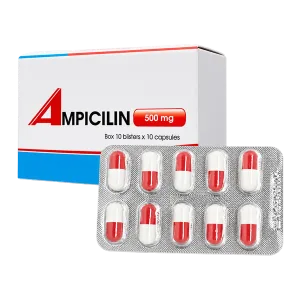
Ampicillin

Active ingredient: Ampicillin
250mg 500mg
From AED 344.00
pills
4 (3)

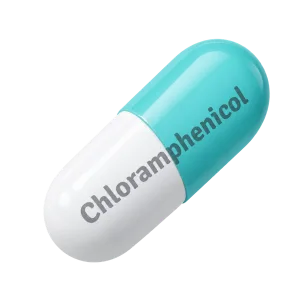
Chloramphenicol

Active ingredient: Chloramphenicol
500mg
From AED 829.90
pills
3.5 (3)

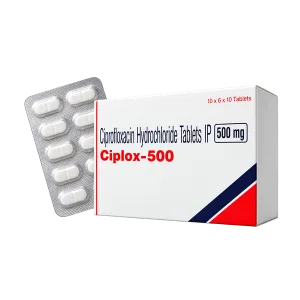
Ciplox

Active ingredient: Ciprofloxacin
500mg 250mg
From AED 344.00
pills
4.3 (5)

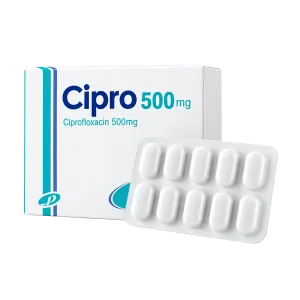
Cipro

Active ingredient: Ciprofloxacin
250mg 500mg 750mg
From AED 434.30
pills
3.9 (4)

Clindamycin

Active ingredient: Clindamycin
150mg 300mg
From AED 477.30
pills
4 (4)

Doxycycline

Active ingredient: Doxycycline
100mg 200mg
From AED 331.10
pills
3.5 (3)

Comparison table: Antibiotics

Common questions

Can Nitrofurantoin be taken with food or on an empty stomach?

Nitrofurantoin is generally taken with food or milk because this improves absorption and can reduce nausea. The FDA product information describes administration with food as part of appropriate oral use. European Medicines Agency product information published in 2023 also supports food-associated dosing for standard oral formulations.

What happens when Nitrofurantoin is stopped, and does it need tapering?

Nitrofurantoin does not normally require tapering because it is an antibacterial course rather than a medicine that causes withdrawal through gradual dose reduction. Stopping early can leave surviving bacteria and increase the chance of persistent or recurrent infection. NICE antimicrobial guidance reviewed in 2025 supports completing the agreed course unless a clinician changes it because of an adverse reaction or revised diagnosis.

What is the best time of day to take Nitrofurantoin?

The best schedule is the one that keeps doses evenly spaced and places them with meals. For a twice-daily plan, morning and evening meals often provide a practical rhythm; other schedules should follow the prescribed interval. MOHAP guidance published in 2024 places emphasis on the prescribed schedule, renal suitability, and the infection site rather than on one universal clock time.

Can people under 18 use Nitrofurantoin?

Children and adolescents may receive nitrofurantoin for selected urinary infections, but the dose depends on age, body weight, formulation, and kidney function. Treatment should be selected for the individual rather than copied from an adult schedule. The WHO paediatric medicines framework published in 2024 and national clinical guidance treat age, weight, and renal function as central factors in antibiotic dosing.

How long does one dose of Nitrofurantoin keep working?

A single dose does not permanently clear bacteria; it provides antibacterial exposure that is repeated according to the prescribed schedule. Nitrofurantoin is rapidly cleared into urine, which is why regular dosing helps maintain urinary activity. Pharmacokinetic information reviewed by the EMA in 2025 describes urinary elimination as the basis for its lower urinary tract role.

Can the tablet be split, crushed, or chewed?

Swallow the tablet as directed rather than crushing or chewing it unless a pharmacist or prescriber confirms that alteration is suitable for that specific formulation. Changing the tablet can affect swallowing, release, or dose delivery. The FDA label from 2022 distinguishes formulation-specific administration instructions, so modified-release products should never be altered casually.

Do you offer anonymous delivery?

Your order will be securely packed and shipped within 24 hours. This is exactly what your package will look like (images of an actual item sent). It has the size and look of a regular private letter (24x11x0.7 cm) and its contents cannot be seen.

Macrocrystalline and Sustained-Release Delivery Systems

Macrocrystalline nitrofurantoin uses a different particle form that may alter gastrointestinal tolerability. Modified-release preparations release the active substance over a longer period and may be prescribed at a different frequency from immediate-release tablets.

A patient who has used one formulation should not automatically substitute another formulation. The active ingredient is the same, but the release pattern, strength, and administration instructions can differ.

Reviews: Nitrofurantoin

4.1
Based on 5 reviews
Ramon, 69 Madinat Zayed Four-day course
Verified
Rating: 4.5 out of 5

The burning eased by the second day, and taking each tablet after dinner prevented the nausea I had on the first morning. My urine became darker, which worried me until I learned that this can happen with nitrofurantoin.

15 Nov 2026
Rose, 38 Umm Al Quwain Five days
Verified
Rating: 3.5 out of 5

The bladder symptoms improved quickly, but I felt queasy after one dose taken without food. The rest of the course was easier when I took it after meals. I still had mild frequency on the final day.

21 Nov 2026
Sultan Z., 32 Khor Fakkan Three days
Verified
Rating: 4 out of 5

The antibiotic helped with burning and urgency, but I stopped early when I felt normal. Symptoms returned soon afterwards, so the clinician reviewed the treatment and explained why finishing the prescribed course mattered.

23 Oct 2026
Mona F., 60 Mirdif Seven days
Verified
Rating: 4 out of 5

I had mild loose stools and a headache during treatment, although the urinary discomfort settled. The side effects were manageable with food, but I would not restart the medicine without checking kidney function.

2 Nov 2026
Vikram S., 32 Al Nahda Five days
Verified
Rating: 4.5 out of 5

The first two doses caused stomach discomfort because I took them before breakfast. Taking them with meals made a noticeable difference. I was glad the clinician checked that I had no fever or back pain before choosing this antibiotic.

6 Nov 2026

Sources

  1. European Association of Urology (2025). Guidelines on Urological Infections
  2. EMA (2023). Summary of Product Characteristics (SmPC) — nitrofurantoin
  3. European Medicines Agency (2019). Quinolone and fluoroquinolone antibiotics: restrictions on use due to disabling and potentially permanent side effects
  4. World Health Organization (2023). The WHO AWaRe antibiotic book: Antibiotic treatment guidance for common infections
Get our free app Shop faster and track your orders 3.9 · 576 reviews Install