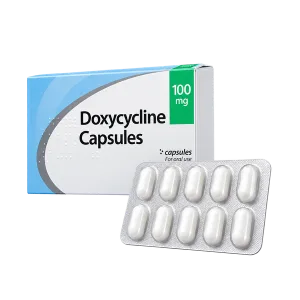
The cough and fever began settling after a few days. Nausea was noticeable after the first tablets, so I took the medicine with the food instructions I had been given and kept water nearby.
Erythromycin
Erythromycin, the active ingredient in Erythromycin, is a macrolide antibiotic for susceptible bacterial infections in adults and children. It blocks bacterial protein production, helping control respiratory, skin, and other infections when a clinician selects it for the identified organism.
Product information
Erythromycin belongs to the macrolide antibiotic class. The product form sold here is tablets.
Dosage and administration
The regimen for the chosen strength should be confirmed with a healthcare professional before starting. Erythromycin tablets are taken by mouth, and the prescribed frequency and treatment duration depend on the infection, formulation, age, liver function, and local clinical guidance.
- Take each dose at the prescribed time.
- Swallow tablets with water.
- Keep dosing intervals as even as practical.
- Follow the food instructions for the specific tablet formulation.
- Complete the prescribed course unless a clinician changes it because of an adverse reaction.
- Do not share tablets with another person.
- Do not use leftover tablets for a later cough, sore throat, or skin flare.
If a dose is missed, take it when remembered unless the next scheduled dose is near. In that situation, skip the missed dose and resume the regular schedule. Do not take two doses together to compensate.
Ingredients
Erythromycin tablets contain erythromycin, a macrolide antibiotic. The active ingredient blocks bacterial protein production and is used for susceptible bacterial infections when selected by a clinician. The appropriate strength and regimen depend on the infection, age, formulation, liver function, and clinical guidance.
How it affects the body
It acts against susceptible bacteria by attaching to the 50S subunit of the bacterial ribosome and reducing protein synthesis. This usually slows bacterial growth and allows the immune system to clear the infection [1].
Erythromycin also has activity at motilin receptors in the gastrointestinal tract. This can increase gastric contractions and support stomach emptying for some people with gastroparesis, a condition involving delayed gastric emptying and reduced stomach muscle function. This prokinetic use is usually specialist-directed and may lose effect with continued exposure.
Therapeutic indications
Erythromycin is used for infections caused by bacteria that are susceptible to macrolides. Treatment selection depends on the infection site, local resistance patterns, allergy history, kidney and liver function, and the results of microbiological testing when testing is available.
Common clinical uses include:
- Strep throat caused by susceptible streptococci
- Whooping cough, also called pertussis
- Selected bacterial pneumonia
- Some bacterial skin infections
- Acne in selected dermatological treatment plans
- Acute bacterial infection of the sinuses when a clinician considers a macrolide appropriate
- Certain infections in people who cannot use a beta-lactam antibiotic
A viral cold, influenza, or most uncomplicated sore throats will not improve because of erythromycin. Antibiotics do not treat viruses, and unnecessary exposure increases the chance of side effects and antibiotic resistance. The World Health Organization places macrolides within antibiotic stewardship discussions because choosing an antibiotic should match the likely organism and the clinical diagnosis [2]. NICE guidance likewise emphasizes matching antibiotic selection to the likely organism and clinical diagnosis.
Common mistakes
Several everyday errors can reduce treatment quality or increase avoidable harm:
- Taking extra tablets after a missed dose
- Crushing an enteric-coated or modified-release tablet
- Stopping as soon as symptoms improve without clinical advice
- Using erythromycin for a viral cold
- Combining it with a new medicine without checking for interactions
- Ignoring palpitations, fainting, or severe diarrhoea
- Taking doses at widely different times when regular spacing was prescribed
- Saving unused tablets for another illness
One small detail matters with digestive symptoms: nausea may result from erythromycin’s motilin activity, while severe diarrhoea may signal antibiotic-associated colitis. Those symptoms should not be treated as equivalent.
Another common error is assuming that a previous antibiotic allergy automatically predicts the same reaction to every antibiotic. The exact medicine, timing, symptoms, and severity should be recorded because they influence future treatment choices.
When not to use it
Erythromycin is not appropriate for everyone. The medicine is not for you if you have had a serious allergic reaction to erythromycin or another macrolide, unless a qualified prescriber has specifically reassessed that history.
Extra caution or an alternative may be required with:
- Previous QT prolongation or ventricular arrhythmia
- Known long-QT syndrome
- Significant bradycardia
- Low potassium or magnesium
- Serious liver disease
- A history of cholestatic jaundice or liver injury caused by erythromycin
- Myasthenia gravis
- Pregnancy or breastfeeding when the prescriber has not reviewed the indication
Erythromycin can interact with medicines that affect heart rhythm. It can also raise concentrations of some medicines metabolised through CYP3A4. Important examples include certain statins, anticoagulants, anticonvulsants, immunosuppressants, benzodiazepines, and calcium-channel blockers.
Tell the prescriber about every prescription medicine, non-prescription medicine, and supplement being used. St John’s wort can alter drug metabolism and may make treatment less predictable. Grapefruit products may also affect the metabolism of some medicines taken with erythromycin.
When this is not for you
Do not use erythromycin without medical advice if you have had a serious reaction to erythromycin or another macrolide. Tell the prescriber if you have heart-rhythm problems, a slow heartbeat, low potassium or magnesium, serious liver disease, myasthenia gravis, or are pregnant or breastfeeding. A complete review is especially important if you take medicines for heart rhythm, cholesterol, blood clotting, seizures, anxiety, immune conditions, or blood pressure.
Possible side effects
The most familiar adverse effects of oral erythromycin involve the digestive system. Erythromycin can stimulate motilin receptors, increasing gastrointestinal movement even when its antibacterial action is the reason for treatment.
| Reaction pattern | Examples | Practical response |
|---|---|---|
| Common digestive effects | Stomach pain, nausea, vomiting, diarrhoea | Take the tablet as prescribed; maintain fluids and report persistent symptoms |
| Allergic or skin effects | Rash, itching, swelling, wheezing | Stop and seek urgent care for breathing difficulty or facial swelling |
| Important but less common effects | Palpitations, fainting, severe weakness, yellowing of the skin | Obtain urgent medical assessment |
Stomach pain, nausea, vomiting, and diarrhoea may appear early in treatment. Taking some erythromycin formulations with food can reduce stomach upset, but food effects vary by formulation. The prescribed product instructions determine whether food should be used consistently or avoided around the dose.
Thrush can develop after antibiotic exposure because normal bacteria may be disrupted. Oral thrush may cause white patches, soreness, or altered taste. Genital thrush may cause itching and abnormal discharge.
Rash can reflect a mild reaction, but a widespread rash with blistering, mouth sores, fever, or skin peeling is an emergency. Hair loss is not a typical common reaction to short erythromycin courses; new or persistent hair loss needs assessment for other causes, including illness, nutritional deficiency, thyroid disease, or another medicine.
Erythromycin can prolong the QT interval, an electrical measurement on an electrocardiogram. This can rarely trigger a dangerous rhythm, especially in people with existing heart disease, low potassium or magnesium, bradycardia, or several interacting medicines. The FDA prescribing information identifies cardiac rhythm risk and clinically significant interactions as reasons for careful selection [3].
Comparison
Erythromycin and penicillin-class antibiotics work through different antibacterial mechanisms. Erythromycin inhibits bacterial protein synthesis, while penicillin interferes with bacterial cell-wall construction.
| Treatment approach | Main mechanism | Typical clinical position |
|---|---|---|
| Erythromycin | Blocks the bacterial 50S ribosome | Useful for selected susceptible infections and some beta-lactam-allergic patients |
| Penicillin-class antibiotic | Disrupts bacterial cell-wall formation | Often preferred when the organism is susceptible and no relevant allergy exists |
Erythromycin may be selected when a patient has a clinically significant hypersensitivity history involving a beta-lactam antibiotic. It is not a universal substitute. Some bacteria show macrolide resistance, and some infections respond more reliably to a penicillin-class treatment.
The choice also depends on the type of allergy. A mild, non-itchy rash from childhood is clinically different from rapid-onset hives, airway swelling, or anaphylaxis. The prescriber may also consider whether erythromycin interacts with the patient’s cardiac or psychiatric medicines.
Penicillin is often preferred when it offers narrower, more targeted coverage for the diagnosed infection. Erythromycin may cause more gastrointestinal stimulation, while penicillin-class medicines carry their own allergy and digestive risks. The European Medicines Agency evaluates antibiotic safety and benefit according to the specific product and indication rather than treating all antibiotics as interchangeable [4].
What doctors say
In clinical practice, doctors usually assess three points before choosing erythromycin: whether the illness is likely bacterial, whether the organism is likely to respond, and whether the patient’s current medicines create interaction or rhythm risks.
The antibiotic can be useful when a macrolide is suitable, including selected patients with beta-lactam hypersensitivity. Its disadvantages are also clear: gastrointestinal intolerance, interaction potential, and resistance among some respiratory bacteria. A prescriber may choose a different antibiotic when a narrower option is more appropriate. The final choice depends on the infection and patient factors. Review is needed if symptoms do not improve.
Physicians also distinguish antibacterial use from prokinetic use. Erythromycin may stimulate gastric emptying, but this effect can diminish with repeated exposure. Using it for stomach muscle paralysis or decreased function requires a separate clinical assessment and should not be inferred from its antibiotic role.
A practical point from prescribing practice is that improvement in fever or pain does not prove that every bacterium has been eliminated. Stopping early can leave the infection incompletely treated, while continuing after a serious reaction can be dangerous.
Comparison
Common questions
Can Erythromycin be combined with heart medicines or supplements?
Erythromycin can interact with medicines that prolong the QT interval or alter hepatic drug metabolism. FDA safety information reviewed in 2024 highlights clinically significant interactions involving selected cardiovascular medicines, lipid-lowering treatments, anticoagulants, and other drugs. A complete medicine and supplement review is needed before the first dose, with special attention to products containing St John’s wort or medicines linked to abnormal heart rhythms.
What should I do after a missed dose?
Take the missed dose when remembered unless the next dose is due soon. NHS antibiotic guidance reviewed in 2023 advises skipping a missed dose when taking it would place two doses too close together, then returning to the regular schedule. A double dose can increase nausea, vomiting, abdominal cramping, and diarrhoea without improving antibacterial treatment.
How soon does the effect become noticeable?
Symptoms such as fever, throat pain, or cough may begin to improve after several doses when the infection is susceptible and the diagnosis is correct. WHO antibiotic guidance published in 2022 supports reassessment when symptoms worsen or fail to begin improving during treatment. Breathing difficulty, confusion, severe weakness, or rapidly worsening pain requires prompt clinical attention rather than waiting for the next dose.
What happens when Erythromycin is stopped, and is tapering required?
Erythromycin is generally stopped at the end of the prescribed course rather than tapered. FDA product information reviewed in 2024 describes it as an antibacterial treatment, not a medicine that normally causes physiological withdrawal requiring dose reduction. Stopping early can allow the infection to persist, while stopping because of a serious reaction requires urgent medical advice.
What should I do if the expected result does not come?
Contact the prescribing clinician if symptoms worsen, fail to improve, or return soon after treatment. EMA antibiotic safety material reviewed in 2023 supports checking the diagnosis, bacterial susceptibility, adherence, absorption, and possible complications when treatment does not work. Do not extend the course, switch to leftover antibiotics, or add another antimicrobial without a clinical decision.
Do you offer anonymous delivery?
Your order will be securely packed and shipped within 24 hours. This is exactly what your package will look like (images of an actual item sent). It has the size and look of a regular private letter (24x11x0.7 cm) and its contents cannot be seen.
Reviews: Erythromycin
The skin improved gradually rather than overnight. I missed one dose during work, remembered later, and skipped it when the next dose was close instead of doubling up. The stomach upset was irritating but temporary.
The infection symptoms improved, but diarrhoea became troublesome near the end of the course. I stopped trying to manage it myself when it continued and arranged medical assessment, which was the right decision.
Sources
- World Health Organization (2022). The WHO AWaRe Antibiotic Book: Antibiotic Choices for Common Bacterial Infections.
- U.S. Food and Drug Administration (2024). Erythromycin prescribing information.
- U.S. Food and Drug Administration (2024). Erythromycin tablets — Prescribing Information (FDA label).
- European Medicines Agency (2023). Summary of Product Characteristics (SmPC) — erythromycin.