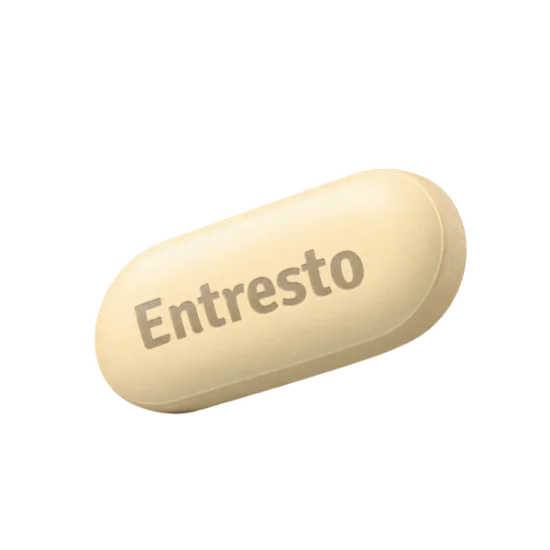
I started Entresto after repeated breathlessness during ordinary walking. The first week brought light-headedness when I stood up, so the cardiology team adjusted the timing of my other medicines. After several weeks, I was walking farther, although I still needed regular checks.
Sacubitril and valsartan work together in Entresto to support the heart’s pumping function and reduce harmful pressure and fluid-retaining signals. Entresto tablets are prescribed for selected adults with chronic heart failure.
Product information
Entresto tablets are prescribed for selected adults with chronic heart failure. The combination can reduce heart-failure hospitalisation and cardiovascular death when used within an appropriate treatment plan.
Entresto contains the fixed combination sacubitril/valsartan. It belongs to the angiotensin receptor–neprilysin inhibitor (ARNI) class, which combines neprilysin inhibition with angiotensin II receptor blockade.
Dosage and administration
The amount and frequency of Entresto depend on the purpose of treatment and are agreed with a doctor or pharmacist. Titration is guided by blood pressure, kidney function, serum potassium, previous ACE-inhibitor or ARB exposure, and the presence of adverse effects.
Typical clinical prescribing follows these principles:
- Entresto is taken orally at regular intervals, commonly as a twice-daily regimen.
- Treatment may begin at a lower strength in people with low blood pressure, impaired kidney function, moderate liver impairment, or limited previous exposure to renin–angiotensin system medicines.
- The dose may be increased gradually when blood pressure, kidney function, and potassium levels allow.
- The target maintenance regimen is selected by the prescriber rather than by symptoms alone.
- A person changing from an ACE inhibitor must observe an appropriate washout interval before starting Entresto.
- If a dose is missed, the next step depends on how close it is to the following scheduled dose. Doubling the next dose is not appropriate.
Entresto can be taken with or without food. Taking it at consistent times helps maintain a stable treatment routine. Blood pressure and laboratory results may be checked after starting or increasing therapy.
One practical issue is the ACE-inhibitor washout period. Starting sacubitril/valsartan too soon after an ACE inhibitor increases the risk of angioedema, a potentially serious swelling reaction. The prescriber should know the exact time of the last ACE-inhibitor dose before treatment changes.
Ingredients
Tablets are taken by mouth, and the prescribed strength depends on kidney function, blood pressure, previous treatment, age, and the type of heart failure.
Active Pharmaceutical Ingredients
Sacubitril is a neprilysin inhibitor. In the body, it is converted to the active compound LBQ657, which slows the breakdown of natriuretic peptides. These peptides help the body remove sodium and water, relax blood vessels, and reduce strain on the heart.
Valsartan is an angiotensin II receptor blocker (ARB). It blocks the AT1 receptor, reducing the effects of angiotensin II, including blood-vessel tightening, sodium retention, and stimulation of aldosterone release. The combined pharmacology distinguishes Entresto from treatment with an ARB alone [1].
Entresto is used in carefully selected heart-failure patients, including adults with reduced ejection fraction and, in some settings, patients with mildly reduced or preserved ejection fraction. The exact indication depends on the clinical diagnosis and the applicable regulatory guidance.
How it affects the body
Entresto acts on two linked hormonal systems involved in heart failure. Sacubitril increases the activity of protective natriuretic peptides, while valsartan suppresses the harmful effects of angiotensin II at the AT1 receptor.
Neprilysin breaks down several circulating peptides, including atrial natriuretic peptide and B-type natriuretic peptide. Sacubitril reduces neprilysin activity, allowing these peptides to remain active for longer. Their effects include vasodilation, increased sodium excretion, reduced fluid burden, and lower pressure inside the cardiovascular system.
Valsartan blocks the angiotensin II receptor rather than reducing angiotensin II production. This matters because angiotensin II can cause vasoconstriction, stimulate aldosterone, encourage sodium retention, and promote structural changes in the heart and blood vessels. Blocking the AT1 receptor limits those effects.
The dual mechanism also affects related pathways involving endothelin-1 and aldosterone. These pathways contribute to vascular tone and fluid balance. Angiotensin I remains part of the renin–angiotensin system, but valsartan acts further downstream by preventing angiotensin II from activating the AT1 receptor.
The PARADIGM-HF trial compared sacubitril/valsartan with enalapril in adults with chronic heart failure and reduced ejection fraction. The trial found a lower risk of cardiovascular death or heart-failure hospitalisation with sacubitril/valsartan, although treatment choice still depends on patient characteristics and tolerability [3].
Therapeutic indications
Entresto is used in carefully selected heart-failure patients, including adults with reduced ejection fraction and, in some settings, patients with mildly reduced or preserved ejection fraction. The exact indication depends on the clinical diagnosis and the applicable regulatory guidance.
Common mistakes
Several practical errors can reduce treatment continuity or increase avoidable risk:
- Taking Entresto together with an ACE inhibitor after a medicine switch.
- Doubling the next dose after forgetting one tablet.
- Stopping treatment because ankle swelling or breathlessness has improved.
- Using potassium supplements without accounting for kidney function and other medicines.
- Taking ibuprofen or naproxen repeatedly while dehydrated.
- Missing blood tests after a dose increase.
- Assuming dizziness always means the medicine must be permanently stopped.
- Changing the dose based only on home blood-pressure readings without discussing the pattern.
- Forgetting to mention herbal products, electrolyte powders, or salt substitutes.
A low-blood-pressure reading accompanied by fainting, confusion, or repeated falls deserves prompt clinical attention. A single mildly lower reading without symptoms may require a different response, so the context matters.
When not to use it
- Previous angioedema linked to an ACE inhibitor or ARB.
- Current treatment with an ACE inhibitor.
- Concurrent treatment with aliskiren in a person with diabetes.
- Pregnancy, because medicines that block the renin–angiotensin system can harm the developing fetus.
- Severe allergy to sacubitril, valsartan, or an excipient in the prescribed formulation.
- Severe liver disease or substantial kidney impairment without an individually assessed regimen.
When this is not for you
Entresto is not suitable for everyone. NOT for you if: you have a listed contraindication, cannot complete required monitoring, or have not received an individual treatment assessment.
Possible side effects
The most clinically relevant adverse effects of Entresto involve blood pressure, kidney function, potassium balance, and angioedema. Trial and regulatory safety data identify hypotension, hyperkalaemia, renal impairment, and cough among the reactions requiring attention [2].
Common or clinically recognised effects include:
- Dizziness or light-headedness, especially after starting treatment or increasing the dose.
- Low blood pressure, sometimes accompanied by weakness or faintness.
- Increased serum potassium, which may cause few symptoms until it becomes severe.
- Changes in kidney function, especially in people with dehydration, chronic kidney disease, or other medicines affecting renal blood flow.
- Cough, although it may be less frequent than with ACE-inhibitor treatment.
- Headache, nausea, fatigue, or gastrointestinal discomfort in some patients.
Low blood pressure can become more likely when Entresto is combined with diuretics or when fluid loss occurs through vomiting, diarrhoea, fever, or heavy sweating. Prescribers may review diuretic treatment, fluid status, and blood-pressure readings rather than simply increasing another medicine.
Kidney-related laboratory changes do not always cause immediate symptoms. A person may feel normal while creatinine or potassium is rising, which is why monitoring is part of safe titration.
Angioedema requires urgent medical assessment. Swelling of the lips, tongue, face, throat, or voice changes can progress rapidly and may interfere with breathing. Stop taking further doses and seek emergency care if these symptoms occur.
Comparison
Heart-failure treatment usually combines medicines from different pharmacological classes. Entresto provides ARNI therapy, while other options act through separate pathways. A person may receive more than one class when the combination is clinically suitable.
| Treatment category | Main pharmacological action | Clinical role |
|---|---|---|
| Sacubitril/valsartan | Neprilysin inhibition plus AT1-receptor blockade | Reduces harmful neurohormonal effects and supports natriuretic-peptide activity |
| ACE inhibitor or ARB | Reduces or blocks angiotensin-system activity | Used when ARNI therapy is unsuitable, unavailable within the treatment plan, or not tolerated |
| Mineralocorticoid receptor antagonist | Blocks aldosterone effects | Helps limit sodium retention and adverse cardiac remodelling; potassium and kidney function require monitoring |
| SGLT2 inhibitor | Promotes glucose-dependent urinary sodium and glucose loss | Supports heart-failure care with benefits that can extend beyond diabetes status |
Generic medicines such as losartan, fosinopril, lisinopril, ramipril, candesartan, and enalapril act through the renin–angiotensin system but do not provide neprilysin inhibition. Eplerenone is a mineralocorticoid receptor antagonist. Dapagliflozin and empagliflozin are SGLT2 inhibitors.
Names such as Altace, Accupril, Atacand, Zestril, Vasotec, Inspra, Farxiga, Jardiance, and Diovan refer to medicines or brands associated with these pharmacological categories. Clinical selection should focus on the active ingredient, treatment class, kidney function, blood pressure, potassium level, and heart-failure phenotype.
A patient may move from an ACE inhibitor or an ARB to Entresto when the prescriber expects additional benefit and the person can tolerate the combination. Entresto must not be taken together with another ARB because valsartan already provides AT1-receptor blockade. It is also not combined with an ACE inhibitor.
What doctors say
In clinical practice, physicians usually assess Entresto through trends rather than a single reading. Blood pressure, body weight, breathlessness, exercise tolerance, kidney function, and potassium all help show whether the regimen is being tolerated.
A cardiologist may accept a slower titration when a patient has borderline blood pressure or reduced kidney reserve. The target is not simply the highest possible dose; it is the regimen that provides cardiac benefit without unacceptable hypotension, kidney deterioration, or electrolyte disturbance.
Patients sometimes expect the medicine to remove symptoms immediately. Entresto does not act like a rescue treatment for sudden breathlessness or acute chest pain. Rapidly worsening breathlessness, fainting, new confusion, chest pressure, or blue lips needs urgent assessment. Emergency assessment takes priority over dose adjustment. Contact the treatment team after the emergency has been addressed.
Comparison
Common questions
Can Entresto affect driving, concentration, or machinery work?
Dizziness and low blood pressure can impair driving, concentration, balance, or machinery operation, especially after initiation or dose escalation. The FDA prescribing information identifies hypotension and dizziness as clinically relevant adverse reactions. During 2025 clinical medication reviews, the practical approach remained to avoid hazardous tasks until the individual response was clear.
Do you offer anonymous delivery?
Your order will be securely packed and shipped within 24 hours. This is exactly what your package will look like (images of an actual item sent). It has the size and look of a regular private letter (24x11x0.7 cm) and its contents cannot be seen.
Reviews: Entresto
The tablets fitted into my morning and evening routine. I missed one dose during travel and did not double the next one. My main frustration was the blood testing after the dose change, but the results helped the doctor keep the treatment steady.
Entresto was added after years of heart-failure treatment. My swelling improved gradually, but I noticed fatigue and lower blood-pressure readings at first. The medicine was continued with monitoring rather than stopped abruptly, and the adjustment took time.
Sources
- European Medicines Agency (2025). Entresto — Summary of Product Characteristics and European public assessment information
- U.S. Food and Drug Administration (2024). ENTRESTO (sacubitril and valsartan) Prescribing Information
- New England Journal of Medicine (2014). Angiotensin–Neprilysin Inhibition versus Enalapril in Heart Failure