My resting pulse became steadier after the first couple of weeks. I felt less breathless walking indoors, but I had to repeat blood tests after my kidney function changed. The extra monitoring was inconvenient, although it prevented guesswork.
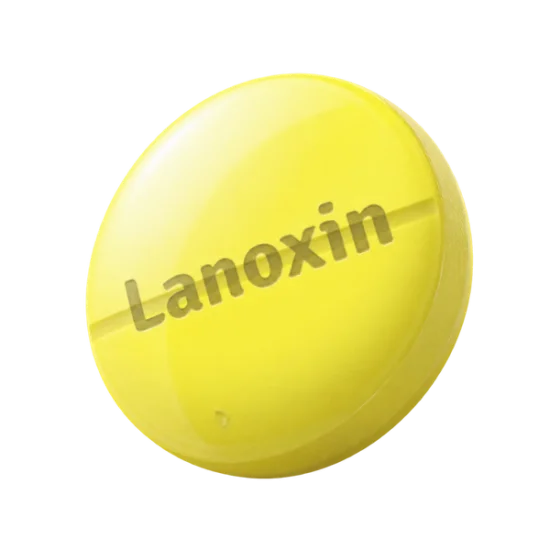
Lanoxin tablets contain digoxin, a cardiac glycoside used in selected adults with heart failure or certain fast supraventricular heart rhythms. It can strengthen cardiac contraction and help slow electrical conduction through the atrioventricular node, supporting ventricular rate control in atrial fibrillation and atrial flutter. Dose selection is individual.
Product information
Lanoxin is a brand name for digoxin, a cardiac glycoside derived pharmacologically from the digitalis group. Digoxin is also classified as an antiarrhythmic agent because it influences electrical conduction in the heart, although its clinical use differs from many modern rhythm-control medicines.
Dosage and administration
The dose is decided individually, taking age, other medicines, kidney function, body size, and health conditions into account. Lanoxin tablets should be taken orally according to the prescribed schedule.
Loading and Maintenance Treatment
A loading dose, sometimes called digitalization, may be considered when a faster therapeutic effect is required. The decision depends on the clinical situation, the patient’s previous exposure to digoxin, renal function, electrolyte levels, and the risk of toxicity.
Maintenance treatment follows the loading phase when a loading phase is used. The maintenance amount is adjusted according to clinical response, kidney function, serum digoxin concentration when indicated, and adverse effects. A dose increase should never be made independently.
Some patients do not require a loading regimen. A lower, steady maintenance approach may be selected when the risk of accumulation is high, such as in older adults or people with impaired renal clearance.
Practical Administration
- Take the tablet by mouth at the prescribed frequency.
- Take it at a consistent time when possible.
- Swallow it with water.
- Do not double the next dose after a missed dose.
- If a missed dose is remembered close to the next scheduled dose, skip the missed dose rather than taking two doses together.
- Keep a written record if several daily medicines make the schedule difficult.
Renal function can change during dehydration, infection, or acute illness. A dose that was tolerated previously may become excessive when kidney clearance falls.
Ingredients
The active ingredient is digoxin. The product form supplied for this page is oral tablets.
How it affects the body
Digoxin inhibits the sodium-potassium adenosine triphosphatase pump in cardiac cells. This increases intracellular calcium availability and can strengthen myocardial contraction. The medicine also increases vagal activity, which slows conduction through the atrioventricular node.
That dual action explains its two main clinical roles:
- Supporting cardiac pumping in selected patients with heart failure.
- Reducing the ventricular response during atrial fibrillation or atrial flutter.
Digoxin has a narrow therapeutic window. The difference between a useful concentration and a toxic concentration can be small, especially in older adults or people with reduced kidney function. The FDA prescribing information describes renal function, age, body size, electrolyte balance, and interacting medicines as important factors in dose selection [1].
Therapeutic indications
Lanoxin tablets are used in selected cardiovascular conditions, including chronic heart failure and supraventricular arrhythmias. The medicine does not repair the underlying cause of heart failure or permanently remove atrial fibrillation. Its role is to improve selected aspects of cardiac performance and rate control.
Heart Failure
Digoxin may be prescribed for some patients with heart failure when symptoms remain troublesome despite other treatments or when rate control is also needed. Its positive inotropic action can increase the force of myocardial contraction, while its effects on the autonomic nervous system may reduce excessive heart-rate responses.
The choice depends on the type of heart failure, kidney function, electrolyte status, rhythm, and current therapy. NICE guidance describes digoxin as an option in selected people with heart failure, with dosing and monitoring tailored to clinical circumstances [2].
Supraventricular Arrhythmias
Atrial fibrillation and atrial flutter can produce a rapid ventricular response. Digoxin slows conduction through the atrioventricular node, which may reduce the number of impulses reaching the ventricles.
Rate control is different from rhythm conversion. Lanoxin may help control the ventricular rate, but it does not reliably restore normal sinus rhythm.
Common mistakes
Several practical errors can produce poor control or toxicity:
- Taking an extra tablet after vomiting or a missed dose.
- Continuing the old schedule after kidney function changes.
- Starting a new medicine without mentioning digoxin.
- Assuming nausea is unrelated to treatment.
- Ignoring yellow vision, blurred vision, or new halos.
- Taking potassium or magnesium products without checking the reason for the supplement.
- Using a different tablet strength from a previous prescription without recalculation.
- Stopping treatment abruptly after several days of feeling better.
- Failing to mention diarrhea, dehydration, or poor food and fluid intake.
- Treating a slow pulse as proof that the medicine is working well.
Digoxin does not replace treatment for the underlying cause of heart failure or atrial fibrillation. Blood pressure, fluid retention, kidney function, and rhythm still require clinical follow-up.
When not to use it
Particular caution or an alternative treatment may be needed with:
- Previous serious hypersensitivity to digoxin.
- Ventricular fibrillation or ventricular tachycardia.
- Certain degrees of heart block without appropriate pacing support.
- Sick sinus syndrome without a pacemaker.
- Previous digoxin toxicity.
- Significant kidney impairment.
- Low potassium or low magnesium.
- High calcium levels.
- Hypertrophic obstructive cardiomyopathy.
- Wolff–Parkinson–White syndrome with atrial fibrillation.
When this is not for you
Lanoxin is not suitable for everyone. This medication is not for you if you have had a serious allergic reaction to digoxin or another component of the tablet, unless a specialist has established a safe alternative plan.
A slow pulse, fainting episode, unexplained visual disturbance, or new palpitations requires clinical assessment before the next treatment decision is made. Digoxin should not be stopped or restarted casually after suspected toxicity.
Possible side effects
Lanoxin adverse effects often involve the gastrointestinal system, nervous system, vision, or heart rhythm. Some symptoms may indicate digoxin toxicity rather than a minor temporary reaction.
Commonly Reported Effects
Possible reactions include:
- Nausea.
- Vomiting.
- Diarrhea.
- Reduced appetite.
- Dizziness.
- Fatigue.
- Headache.
- Confusion, especially in older adults.
- Visual disturbances, including blurred vision or altered colour perception.
- Slow pulse or new rhythm irregularity.
Gastrointestinal symptoms can appear before more serious toxicity. Visual changes are also clinically relevant, especially when they occur with nausea, dizziness, weakness, confusion, or a noticeably slow heartbeat.
A patient may notice that dizziness is worse when standing. That symptom can reflect bradycardia, low blood pressure, dehydration, or another medicine rather than digoxin alone.
Digoxin toxicity can affect the gastrointestinal tract, nervous system, and heart. Severe toxicity may cause dangerous bradycardia, atrioventricular block, ventricular arrhythmias, confusion, or collapse.
Potential warning signs include:
- Persistent nausea or vomiting.
- New diarrhea with weakness.
- Loss of appetite.
- Marked tiredness.
- Confusion or unusual drowsiness.
- Dizziness or fainting.
- New palpitations.
- Very slow or irregular heartbeat.
- Visual colour changes or blurred vision.
Serum digoxin levels can support assessment, but the number must be interpreted alongside symptoms, timing, kidney function, and electrolytes. A blood sample taken too soon after a tablet can reflect distribution rather than the clinically useful concentration.
Potassium and magnesium abnormalities can increase the risk of cardiac toxicity. Low potassium may occur with some diuretics, vomiting, or diarrhea. Kidney impairment can also allow digoxin to accumulate because the medicine is cleared mainly through the kidneys.
A 2023 review in the British Journal of Clinical Pharmacology describes therapeutic drug monitoring as most useful when toxicity is suspected, kidney function changes, interacting medicines are added, or treatment response is uncertain [3].

Comparison
Lanoxin differs from other rate-control medicines through its cardiac glycoside mechanism. The most suitable option depends on blood pressure, ejection fraction, exercise level, kidney function, rhythm pattern, and coexisting disease.
| Approach | Main pharmacological effect | Common limitation |
|---|---|---|
| Digoxin | Strengthens contraction and slows atrioventricular conduction | Narrow therapeutic window; renal clearance affects exposure |
| Beta-blocker therapy | Reduces sympathetic stimulation and slows heart rate | May worsen fatigue, low blood pressure, or bronchospasm in susceptible patients |
| Non-dihydropyridine calcium-channel blocker therapy | Slows atrioventricular conduction and reduces contractility | May be unsuitable in some forms of reduced cardiac pumping function |
Digoxin may be useful when resting rate control is needed or when blood pressure limits other options. Its effect during exertion can be less predictable because sympathetic stimulation may overcome some vagal slowing.
Beta-blockers can be more effective for rate control during physical activity, while calcium-channel blockers may provide useful rate reduction in selected patients. These medicines are not interchangeable, and combining them with digoxin can produce excessive bradycardia or atrioventricular block.
What doctors say
In clinical practice, doctors usually focus on three questions before continuing digoxin: is the rhythm or heart-failure symptom improving, is the pulse within the intended range, and is there evidence of toxicity?
A cardiologist may prefer digoxin when resting rate control is needed and blood pressure limits other medicines. A physician may be more cautious when the patient is active, has declining kidney function, or takes several interacting medicines.
Treatment decisions often change after dehydration, hospitalization, a new diuretic, or a sudden decline in kidney function. The same tablet schedule may not remain appropriate after those events.
Patient age matters. Older adults often have less renal reserve, even when serum creatinine appears only mildly abnormal. This can make accumulation gradual and easy to miss.
A 2024 European Society of Cardiology clinical update continues to place medication choice within the broader rhythm, heart-failure, renal, and comorbidity assessment rather than treating digoxin as a universal first option [4].
Comparison
Common questions
What should be discussed with a doctor before starting Lanoxin?
Before starting Lanoxin, discuss kidney function, previous heart block, ventricular arrhythmias, electrolyte abnormalities, and any past reaction to digoxin. Mention all medicines, including diuretics, antiarrhythmics, calcium-channel blockers, and supplements. The FDA Lanoxin prescribing information published in 2022 identifies renal function, electrolyte balance, and interacting medicines as key considerations .
How long does a Lanoxin course last, and is long-term use acceptable?
Lanoxin may be used for an extended period when the clinical benefit continues and monitoring remains appropriate. The duration depends on the underlying heart condition, rhythm control, kidney function, and tolerance rather than a fixed universal course. NICE guidance updated in 2025 supports periodic review of ongoing heart-failure therapy and patient response .
What happens when Lanoxin is stopped, and does it need tapering?
Stopping Lanoxin can remove its rate-control or contractility effects, so symptoms may return or the ventricular rate may rise. A taper is not automatically required in every case, but the decision depends on the reason for treatment, dose, rhythm, and other medicines. The European Medicines Agency’s 2023 digoxin product information describes treatment changes as clinical decisions requiring assessment of cardiac status and response.
Can Lanoxin cause visual disturbances?
Yes. Digoxin can cause blurred vision, altered colour perception, halos, or other visual changes, especially when serum exposure is excessive. These symptoms deserve prompt assessment when they occur with nausea, vomiting, dizziness, confusion, or an irregular pulse. The WHO Model Formulary’s 2021 digoxin guidance identifies visual and gastrointestinal symptoms among clinically relevant toxicity signals .
Can Lanoxin be used during pregnancy or breastfeeding?
Pregnancy and breastfeeding require an individual risk assessment because maternal cardiac disease also affects fetal and maternal health. Digoxin crosses the placenta, while only small amounts are reported to enter breast milk, but the decision depends on the indication, dose, rhythm, and monitoring plan. The British National Formulary reviewed in 2025 advises specialist assessment when digoxin is required during pregnancy or lactation .
Do you offer anonymous delivery?
Your order will be securely packed and shipped within 24 hours. This is exactly what your package will look like (images of an actual item sent). It has the size and look of a regular private letter (24x11x0.7 cm) and its contents cannot be seen.
Reviews: Lanoxin
The tablets fitted into my morning routine and my palpitations were less noticeable. I developed nausea during a stomach illness and nearly took another tablet after vomiting. The clinic told me not to repeat doses without specific instructions.
I was prescribed digoxin for rate control during an arrhythmia episode. My pulse improved, but I felt tired during exercise and needed another review of the treatment plan. It helped one part of the problem, not every symptom.
Sources
- U.S. Food and Drug Administration (2022). LANOXIN (digoxin) tablets, prescribing information.
- National Institute for Health and Care Excellence (2025). Chronic heart failure in adults: diagnosis and management.
- European Medicines Agency (2023). Digoxin: Summary of Product Characteristics.
- British National Formulary (2025). Digoxin monograph.