Skip to content
Tenormin
Active ingredient: Atenolol

Tenormin

Quality products
24/7 Support
Fast delivery
Delivery from 4 days
Select pack Package Per unit Price

Free delivery on orders from AED 860.00, free express delivery from AED 1,290.00

Secure Payments
Track your order
Best price guarantee

Adults with hypertension, chronic stable angina, or a previous myocardial infarction may be prescribed Tenormin when reducing heart workload is clinically appropriate. It slows the heart’s response to stress hormones, helping lower blood pressure and myocardial oxygen demand.

Product information

Tenormin is supplied as tablets. The prescribed amount is decided individually, taking age, other medicines, and health conditions into account.

Atenolol mainly targets beta1-adrenergic receptors in heart tissue, so it is described as a cardioselective beta1-blocker.

Dosage and administration

Tenormin is taken orally as a tablet. The dose is decided individually, taking age, other medicines, kidney function, blood pressure, pulse, and health conditions into account.

For hypertension, treatment may be started according to the prescriber’s individual plan. Some patients need a different regimen, and the prescriber reviews the response rather than increasing treatment automatically. For angina and rhythm control, the schedule can also differ according to symptoms and resting heart rate [2].

  • Take the prescribed tablet at the same time each day.
  • Swallow it whole with water.
  • Keep the timing consistent on workdays and days off.
  • If a dose is missed, take it when remembered unless the next scheduled dose is near.
  • Do not take two doses together to compensate for one missed tablet.
  • Do not stop Tenormin suddenly unless a clinician has given you a withdrawal plan.

The tablets can be taken with food or without food. A regular routine helps prevent missed doses. In people with reduced kidney function, atenolol can remain in the body longer, so dose selection and follow-up require added care.

A home blood-pressure reading is most useful after sitting quietly for five minutes, with both feet on the floor and the arm supported. Measuring immediately after climbing stairs can create an artificially high result.

Ingredients

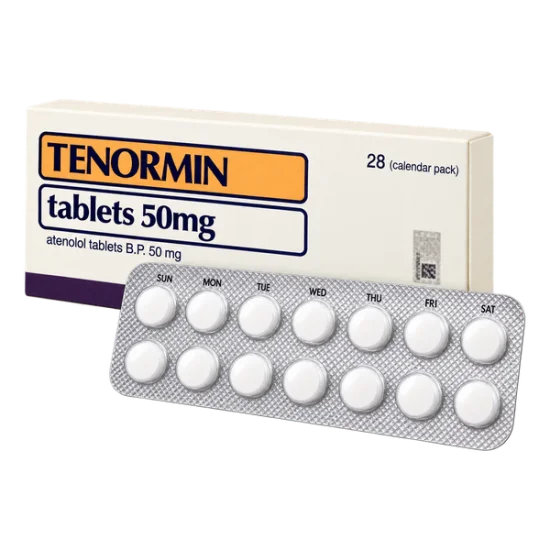
Tenormin is supplied as oral tablets in a calendar pack marked TENORMIN. The tablet composition and prescribed amount should be considered within the individual treatment plan.

How it affects the body

Atenolol reduces sympathetic stimulation of the heart. It limits the effects of adrenaline and noradrenaline at beta1 receptors, which slows the sinus node and reduces the strength of each beat. Cardiac output falls, and blood pressure can decrease as a result.

The benefit in angina is practical: a slower heart generally consumes less oxygen. This may reduce how often exertion triggers chest tightness. The effect is not an instant cure for chest pain. Tenormin is used as regular cardiovascular treatment rather than as rapid relief for an acute angina attack.

Cardioselectivity does not mean atenolol affects only the heart. At higher doses, or in sensitive people, beta2 receptor effects can still occur. That detail matters for people with asthma, chronic obstructive pulmonary disease, or diabetes.

Atenolol may blunt the warning signs of low blood glucose, such as a racing heartbeat or tremor. People using insulin or sulfonylureas should pay closer attention to glucose readings, sweating, hunger, and unusual confusion.

Therapeutic indications

Tenormin is prescribed for cardiovascular conditions in which a slower, less forceful heartbeat can improve control.

The 50 mg tablet strength may be used within an individual treatment plan for:

  • hypertension;
  • chronic stable angina, where exertion causes chest discomfort because the heart needs more oxygen than it receives;
  • selected rhythm disturbances;
  • care after myocardial infarction, when a clinician considers beta-blockade appropriate.

A beta1 receptor is a docking point for adrenaline-like hormones. Blocking it reduces heart rate and the force of contraction. This can lower blood pressure and reduce the heart’s oxygen requirement during activity [1].

Atenolol can make exercise feel different. A lower pulse during walking or training may be expected, so symptoms such as chest pain, marked breathlessness, dizziness, or near-fainting are more useful warning signs than pulse rate alone.

Common mistakes

Skipping tablets on days when blood pressure seems normal is a frequent error. Atenolol controls cardiovascular stress responses; it does not remove the underlying tendency toward hypertension or angina.

Another mistake is stopping treatment after fatigue or cold hands appear without seeking a dose review. Sudden withdrawal can increase heart rate, raise blood pressure, and provoke angina in susceptible people. The risk is greater in people with coronary artery disease.

Some patients also combine Tenormin with diltiazem, verapamil, clonidine, or a sedating cold remedy without recognising the interaction potential. Keep a current medicine list that includes prescribed treatment, non-prescription products, and supplements.

When not to use it

  • asthma or a history of bronchospasm;
  • chronic obstructive pulmonary disease;
  • diabetes treated with glucose-lowering medicines;
  • peripheral arterial disease or Raynaud-type circulation problems;
  • severe kidney impairment;
  • treated heart failure that is stable rather than uncontrolled;
  • thyroid disease, because atenolol can mask a fast pulse linked to thyrotoxicosis;
  • pregnancy or breastfeeding, where maternal and fetal considerations need individual review.

When this is not for you

Tenormin is not for you if you have cardiogenic shock, overt uncontrolled heart failure, severe bradycardia, second- or third-degree heart block without a functioning pacemaker, or known hypersensitivity to atenolol.

Possible side effects

Most people tolerate atenolol without severe problems, yet side effects deserve attention because the medicine directly changes heart rate and blood-pressure response. Tiredness, cold hands or feet, dizziness, slower pulse, sleep disturbance, nausea, and reduced exercise tolerance can occur.

Fatigue is often most noticeable early in treatment or after a dose increase. Some people describe it as a flatter energy level rather than sleepiness. Dizziness may occur when standing quickly, especially if dehydration, hot weather, diuretics, or another blood-pressure medicine are also involved.

Seek urgent medical assessment for fainting, severe wheezing, swelling of the face or throat, a very slow pulse with weakness, new confusion, or worsening chest pain. Beta-blockers can also worsen symptoms of poor circulation in people with severe peripheral arterial disease.

Cold fingers are a common nuisance with beta-blockers. Warm gloves, avoiding nicotine, and discussing persistent finger pain or colour change are more useful than silently tolerating a symptom that could reflect circulation problems.

The FDA prescribing information lists bradycardia, fatigue, dizziness, and cold extremities among recognised adverse effects of atenolol therapy [4]. Sexual difficulties, low mood, vivid dreams, and dry eyes can also occur in some patients, though these are less predictable and should be assessed in the context of other health factors.

Comparison

Atenolol is one of several beta-blockers used in cardiovascular medicine. The best choice depends on the reason for treatment, resting heart rate, kidney function, lung disease, migraine history, heart failure status, and other medicines.

Treatment approach Main action Clinical considerations
Atenolol Beta1-blockade; lowers heart rate and cardiac workload Often used for hypertension, angina, and selected rhythm conditions
Metoprolol Beta1-blockade with different metabolism May be selected when liver metabolism and dosing flexibility are relevant
Calcium-channel blocker therapy Relaxes blood vessels or slows cardiac conduction, depending on type Can be used instead of or alongside beta-blockade in selected patients

Beta-blockers are no longer the default first choice for uncomplicated hypertension in every adult. NICE guidance prioritises treatment selection according to age, ethnicity, kidney disease, diabetes, cardiovascular risk, and coexisting conditions [3]. Tenormin can still be a sensible choice when a patient also has angina, a fast heart rhythm, or another reason to reduce cardiac workload.

Atenolol is eliminated largely through the kidneys. Metoprolol relies more on liver metabolism. This difference can influence prescribing decisions, though it does not make one option universally better.

What doctors say

In clinical practice, doctors often look beyond a single blood-pressure number when reviewing Tenormin. Resting pulse, exertional symptoms, dizziness, kidney function, glucose control, and adherence all shape the decision to continue, reduce, or change treatment.

A common expectation problem is timing. Blood-pressure improvement may be seen during the first days, while symptom control and dose adjustment can take longer. Patients with angina should report whether chest discomfort occurs less often, at the same level of exertion, or with less warning than before.

Doctors also distinguish ordinary tiredness from clinically significant intolerance. Mild early fatigue may settle. Fainting, persistent wheeze, a pulse that is unusually slow for the individual, or deteriorating exercise capacity needs prompt review.

Comparison

Azor

Active ingredient: Amlodipine, Olmesartan medoxomil
20mg5mg 40mg5mg
From AED 516.00
pills
3.7 (5)

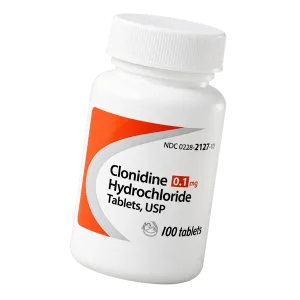
Clonidine

Active ingredient: Clonidine
0.1mg
From AED 335.40
pills
4.3 (4)

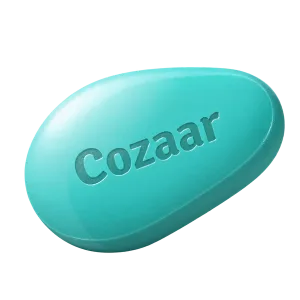
Cozaar

Active ingredient: Losartan
25mg 50mg 100mg
From AED 176.30
pills
4.1 (5)

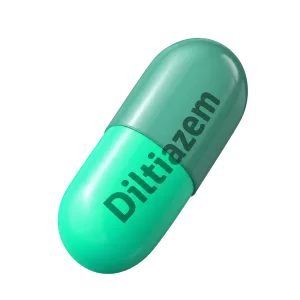
Diltiazem

Active ingredient: Diltiazem
180mg 60mg
From AED 563.30
pills
3.9 (4)

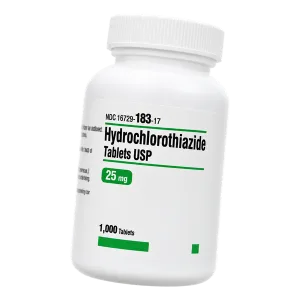
Hydrochlorothiazide

Active ingredient: Hydrochlorothiazide
25mg 12.5mg
From AED 356.90
pills
4 (3)

Lisinopril

Active ingredient: Lisinopril
10mg 2.5mg 5mg
From AED 404.20
pills
4.3 (5)

Comparison table: Hypertension

Common questions

Is Tenormin suitable with severe asthma?

No. Severe asthma or a history of serious bronchospasm can rule out Tenormin because atenolol may still affect beta2 receptors outside the heart. The FDA atenolol prescribing information advises caution in bronchospastic disease, even though atenolol is relatively beta1-selective. This was established in the FDA document published in 2012, and the same clinical principle remains relevant in 2026.

What should happen if blood pressure or angina symptoms do not improve?

Do not increase Tenormin independently. A clinician may review blood-pressure measurements, resting pulse, adherence, kidney function, interacting medicines, and whether the diagnosis or treatment target needs revision. NICE hypertension guidance, updated in 2023, supports treatment adjustment based on repeated measurements and cardiovascular risk rather than a single reading.

Can Tenormin be combined with diltiazem?

This combination can markedly slow the heart rate and impair electrical conduction through the heart. It is used only when the prescriber has a clear reason and monitoring plan. The FDA’s 2012 atenolol prescribing information identifies calcium-channel blockers with rate-slowing effects as a clinically relevant interaction group. Report fainting, severe dizziness, or an unusually slow pulse promptly.

What happens if Tenormin is stopped, and does it need tapering?

Stopping suddenly can cause rebound increases in heart rate and blood pressure. People with coronary artery disease may develop worsening angina, and in rare cases serious cardiac events may follow abrupt withdrawal. The FDA advised gradual dose reduction in its 2012 Tenormin prescribing information. A tapering schedule is individual and should be set by the prescriber.

Can Tenormin be used under 18?

Atenolol use in children is specialist-led rather than routine self-managed treatment. The WHO’s 2021 hypertension guideline addresses adult pharmacological treatment, so it should not be used to set paediatric dosing. A paediatric cardiologist or paediatric clinician determines whether a beta-blocker is appropriate and which dose is suitable.

Can Tenormin be taken with food or on an empty stomach?

Tenormin can be taken with or without food. Taking it in the same way each day can make the routine easier and reduce missed doses. The FDA prescribing information published in 2012 does not require a specific meal timing for atenolol tablets. A morning schedule is common when it fits the prescribed plan.

How long does one Tenormin tablet keep working?

Atenolol is generally dosed once daily because its blood-pressure and heart-rate effects are intended to provide day-long control. The effect can vary with kidney function, dose, age, and other medicines. The FDA’s 2012 prescribing information describes atenolol as suitable for once-daily administration in many adults. A tablet should not be used as an extra dose for breakthrough chest pain or a sudden fast pulse.

Do you offer anonymous delivery?

Your order will be securely packed and shipped within 24 hours. This is exactly what your package will look like (images of an actual item sent). It has the size and look of a regular private letter (24x11x0.7 cm) and its contents cannot be seen.

Reviews: Tenormin

3.9
Based on 5 reviews
Samir, 62 Liwa Four months
Verified
Rating: 5 out of 5

My blood-pressure readings became steadier after the first few weeks. I felt more tired on afternoon walks at first, then that eased. My doctor kept the dose unchanged because my pulse stayed in the range he wanted.

16 Oct 2026
Waleed B., 33 Jebel Ali Three months
Verified
Rating: 3.5 out of 5

I used it for three months after frequent fast-heartbeat episodes. The pounding sensation became much less noticeable. I had cold hands in air-conditioned offices, which was annoying but manageable.

25 Oct 2026
James R., 28 Ajman
Verified
Rating: 4 out of 5

The tablets reduced the racing feeling within the first week. I made the mistake of taking one late at night once and felt sluggish the following morning, so I went back to taking it with breakfast.

30 Oct 2026
Ali, 29 Al Dhaid Two days
Verified
Rating: 3.5 out of 5

I stopped for two days when I ran out of my routine and my pulse felt faster again. I did not like that feeling. After restarting as advised, I became more consistent with the same daily time.

4 Nov 2026
Karim, 48 Ras Al Khaimah Several weeks
Verified
Rating: 3.5 out of 5

It helped me manage uphill walking with less chest pressure after several weeks. The downside was dizziness when I stood up quickly during the first month. Drinking enough water and standing more slowly helped.

12 Nov 2026

Sources

  1. FDA (2012). TENORMIN (atenolol) Tablets: Prescribing Information
  2. NICE (2023). Hypertension in adults: diagnosis and management (NG136)
  3. WHO (2021). Guideline for the pharmacological treatment of hypertension in adults
  4. DailyMed (2024). Atenolol tablet: Drug Label Information
Get our free app Shop faster and track your orders 3.9 · 576 reviews Install