My readings became steadier after the first week. I felt sleepy in the afternoon at first, so I stopped driving until I knew how I reacted. Dry mouth was annoying but manageable with water.
Clonidine lowers blood pressure by reducing excessive nerve signals from the brain to the cardiovascular system. It is intended mainly for adults with hypertension when treatment requires a centrally acting alpha-2 adrenergic agonist. The tablets help reduce vascular resistance, heart rate, and sympathetic nervous activity.
Product information
Clonidine is a centrally acting alpha-2 adrenergic agonist and an imidazoline receptor ligand. The product is supplied as clonidine hydrochloride tablets, and the appropriate amount varies between strengths and users, so there is no single amount that suits everyone. Its primary clinical use is blood-pressure control.
Dosage and administration
The appropriate amount varies between strengths and between users, so there is no single regimen that suits everyone. The prescriber adjusts the regimen according to blood-pressure readings, pulse, response, kidney function, age, and other medicines.
Available Pharmaceutical Formulations
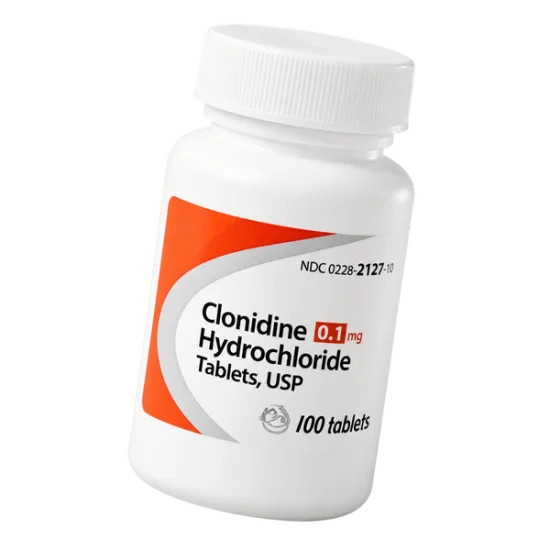
Clonidine exists in more than one pharmaceutical form, including oral tablets, oral liquid preparations, and specialised clinical formulations. The product described here is an oral tablet in a bottle containing 100 tablets.
A tablet should be taken by mouth at the prescribed time. Some patients receive divided doses, while others follow a schedule designed around daytime blood pressure, evening symptoms, or sedation. Do not change the number of daily doses without a prescriber’s instruction.
Titration Protocols and Discontinuation Safety
Clonidine usually requires gradual dose adjustment. Blood pressure and pulse may be checked after starting treatment and after dose changes. A dose that is too high may cause excessive sedation, dizziness, slow heart rate, or low blood pressure.
Abrupt discontinuation can trigger rebound hypertension. This may produce a rapid rise in blood pressure, headache, agitation, tremor, palpitations, or chest discomfort. The FDA prescribing information advises gradual withdrawal rather than suddenly stopping treatment [4].
If a dose is missed, the correct response depends on the dosing schedule and how close the next dose is. A missed dose should not usually be replaced with an extra dose unless the prescriber has given that specific instruction.
Clonidine can affect alertness. Alcohol, sedating medicines, and night-time dosing can increase sleepiness or impaired coordination.

Ingredients
The product is identified as Clonidine Hydrochloride Tablets, USP. It is supplied as oral tablets in a bottle containing 100 tablets, with the tablet strength varying by product.
How it affects the body
Clonidine stimulates alpha-2 receptors in brainstem areas that regulate autonomic activity. This reduces sympathetic outflow, meaning fewer nerve signals reach the heart and blood vessels. The result can include lower peripheral vascular resistance, a slower heart rate, and reduced blood pressure [1].
The effect differs from that of medicines that act mainly on the kidneys or directly relax arterial smooth muscle. Clonidine works through the central nervous system, so its benefits and adverse effects can include both cardiovascular and neurological features.
Clonidine may reduce the release of norepinephrine from sympathetic nerve pathways. Lower norepinephrine activity reduces vasoconstriction and limits the cardiovascular response to stress, exertion, or excessive autonomic stimulation.
Therapeutic indications
Clonidine is used primarily for hypertension. Physicians may consider it when blood pressure remains elevated despite other treatment, when some standard options are unsuitable, or when a centrally acting medicine is clinically appropriate.
Management of Hypertension and Vascular Resistance
Clonidine is generally placed after commonly used first-line antihypertensive options. It may be selected as a second- or third-line treatment, depending on kidney function, heart rate, previous treatment response, age, and coexisting conditions.
| Clinical use | Therapeutic rationale | Regulatory context |
|---|---|---|
| Hypertension | Reduces central sympathetic activity, vascular resistance, and often heart rate | Established primary indication |
| Menopausal vasomotor symptoms | May reduce autonomic activity linked with hot flushes | Commonly considered off-label |
| ADHD or tic symptoms | May reduce hyperarousal and some motor or vocal symptoms | Specialist off-label use |
Clonidine has also been used in specialist practice for selected withdrawal-related symptoms and severe pain under close supervision. These uses require an individual treatment plan because the dose, monitoring needs, and risk profile differ from hypertension treatment.
Off-label prescribing means that a clinician uses a medicine for a medically recognised purpose outside the wording of its primary approved indication. It does not mean that the medicine is suitable for everyone with that symptom.
The World Health Organization and national hypertension guidance generally place centrally acting agents after other treatment classes because sedation, dry mouth, slow pulse, and rebound hypertension can limit their use [3].
Off-Label Applications in Neurological and Endocrine Support
Some clinicians use clonidine for menopausal hot flushes, tic disorders, ADHD-related hyperarousal, or selected withdrawal symptoms. The supporting evidence and treatment protocols vary by condition, and these uses should not be treated as interchangeable with blood-pressure therapy.
For hypertension, the treatment goal is a sustained reduction in blood pressure. For an off-label indication, the clinician may instead monitor sleep, autonomic symptoms, tic frequency, hot flushes, or withdrawal-related discomfort.
Common mistakes
Several practical mistakes can reduce the benefit of clonidine or increase avoidable risk:
- Stopping the tablets as soon as blood pressure improves.
- Taking an extra tablet after a missed dose without specific instructions.
- Drinking alcohol during the first days of treatment and then driving.
- Standing quickly after a dose when dizziness is already present.
- Combining clonidine with sleep medicines or sedating antihistamines without review.
- Measuring blood pressure immediately after exercise, caffeine, or emotional stress and treating that result as the usual level.
- Forgetting to plan enough tablets for a trip or an overnight stay.
- Assuming that persistent drowsiness must simply be tolerated rather than reported.
One common pattern is taking the morning dose, feeling sleepy, and then skipping later doses. That uneven exposure can lead to unstable blood pressure and withdrawal symptoms. A prescriber may be able to adjust timing or the wider treatment plan.
Another mistake is confusing symptom relief with complete blood-pressure control. A person may feel normal while blood pressure remains high, so treatment decisions should use readings and clinical review rather than symptoms alone.
When not to use it
Clonidine is not suitable without specialist review for people with marked bradycardia, significant conduction disease, recurrent fainting, severe hypotension, or a previous serious reaction to clonidine. Caution is also needed in older adults, people with kidney impairment, and those taking several medicines that lower blood pressure.
Benzodiazepines, opioid analgesics, sleep medicines, sedating antihistamines, and alcohol may add to clonidine-related drowsiness and impaired coordination. Combined use can also worsen dizziness and increase the risk of falls.
Beta-blockers can slow the heart and lower blood pressure through a different mechanism. Used with clonidine, they may produce excessive bradycardia, low blood pressure, dizziness, or conduction problems. Stopping either medicine requires a planned approach, because the sequence of withdrawal can affect cardiovascular risk.
Methyldopa and moxonidine also reduce sympathetic activity or blood pressure. Combining centrally acting agents can increase sedation and hypotension.
Pregnancy and breastfeeding require an individual assessment. The prescriber weighs blood-pressure control against maternal, fetal, or infant considerations and chooses monitoring accordingly.
When this is not for you
Clonidine may not be for you if you have marked bradycardia, significant conduction disease, recurrent fainting, severe hypotension, or difficulty following a gradual withdrawal plan.
Clonidine requires a different treatment plan or specialist review when a person has:
- A very slow resting heart rate or significant heart-conduction disease.
- Recurrent fainting or severe postural dizziness.
- Low blood pressure before treatment begins.
- Severe kidney impairment requiring closer dose monitoring.
- A previous allergy or serious reaction to clonidine.
- Multiple sedating medicines, regular alcohol use, or a high risk of falls.
- Difficulty following a gradual withdrawal plan.
Possible side effects
Clonidine’s most familiar adverse effects are drowsiness, sedation, dry mouth, dizziness, constipation, weakness, and headache. These effects reflect its central action and may be more noticeable when treatment begins or after an increase in dose.
| Adverse effect | Practical implication | Typical response |
|---|---|---|
| Drowsiness or sedation | Reduced alertness and slower reaction time | Avoid driving until the personal response is clear |
| Dry mouth or constipation | Discomfort, thirst, or altered bowel habits | Regular fluids and fibre may help when suitable |
| Dizziness or weakness | Possible low blood pressure, especially on standing | Sit or lie down and arrange a blood-pressure review if persistent |
Sedation can be prominent during the first one to two weeks. Some people become less sleepy as the body adjusts, while others continue to experience troublesome fatigue. A persistent problem may require a timing change, dose adjustment, or a different treatment approach.
Dry mouth can make swallowing and speaking uncomfortable. Sugar-free gum or frequent small sips of water may help, but severe mouth dryness can increase dental problems over time.
Dizziness after standing may indicate postural blood-pressure reduction. Rise slowly from bed or a chair, especially in the morning. A fall, fainting episode, confusion, or unusually slow heartbeat needs prompt medical assessment.
Clonidine may also cause nausea, sleep disturbance, irritability, or sexual difficulties. Rare but serious reactions include marked bradycardia, severe hypotension, fainting, allergic reactions, and clinically significant changes in mental alertness. The FDA label describes sedation, dry mouth, dizziness, and cardiovascular effects among recognised reactions [2].
Comparison
Treatment selection depends on the cause and severity of hypertension, pregnancy status, kidney function, pulse, cardiovascular history, and previous treatment response. Clonidine may be useful when central sympathetic suppression is desired, while other agents are often preferred for routine first-line management.
| Treatment category | Main mechanism | Typical clinical placement |
|---|---|---|
| Clonidine | Central alpha-2 receptor stimulation reduces sympathetic outflow | Selected resistant or specialist-managed hypertension |
| Methyldopa | Converted to a compound that reduces central sympathetic activity | Important option in selected hypertension during pregnancy |
| Labetalol or nifedipine | Beta-blockade with alpha effects, or calcium-channel blockade | Common alternatives when clinically appropriate |
Methyldopa may be preferred in pregnancy when its established clinical role fits the patient’s needs. Labetalol or nifedipine may be selected when a clinician wants an alternative cardiovascular mechanism or when clonidine-related sedation is unacceptable.
Moxonidine is another centrally acting option in some settings, although its role differs by local practice and patient characteristics. A change from clonidine to another antihypertensive should be prescribed rather than performed independently, because stopping clonidine suddenly can cause rebound hypertension.
What doctors say
In clinical practice, physicians often focus on three points before prescribing clonidine: the reason for using a central agent, the patient’s resting pulse, and the patient’s ability to follow a taper if treatment changes.
A doctor will usually explain that improved blood-pressure readings do not remove the need for regular dosing. Clonidine suppresses sympathetic activity while it is present in the body; missed doses or abrupt cessation can allow sympathetic activity to rise quickly.
Older adults may be more sensitive to sedation, constipation, dizziness, and postural hypotension. Clinicians commonly review falls, balance, alertness, and concurrent sedatives rather than looking only at the blood-pressure result.
The treatment response should be judged across repeated readings, not one unusually high or low measurement. Home measurements taken under consistent conditions can help the prescriber distinguish persistent hypertension from temporary variation.
Comparison
Common questions
How long does a clonidine course last, and is long-term use acceptable?
The course may last for weeks, months, or longer when blood-pressure control requires it. The FDA prescribing information from 2016 describes clonidine as a treatment that must be reduced gradually when discontinued, rather than stopped suddenly. Long-term use can be acceptable when blood pressure, pulse, alertness, kidney function, and adverse effects are reviewed regularly. The duration is individual and should not be shortened solely because readings improve.
What should I do after a missed clonidine dose?
The action depends on the dosing schedule and how close the next dose is. NHS medicines guidance published in 2023 advises avoiding a double dose unless a clinician has specifically instructed it, because excess clonidine can cause marked sleepiness, dizziness, or low blood pressure. If several doses are missed, contact the prescriber promptly because sudden interruption can produce rebound hypertension. Record the missed dose and any symptoms so the next clinical review is accurate.
How soon does clonidine’s effect become noticeable?
A reduction in blood pressure may begin after the first doses, while the full treatment response may require dose adjustment and repeated measurements. The FDA clinical information from 2016 describes clonidine as an agent that reduces sympathetic activity, which can influence blood pressure relatively soon after administration. Sleepiness or dry mouth may appear before the desired blood-pressure pattern is fully established. A single reading does not show whether the longer-term regimen is suitable.
How should clonidine be stored at home and during travel?
Store the tablets in a dry place at ordinary room temperature, away from excessive heat, moisture, and direct sunlight. The WHO Model List published in 2023 and general medicines-storage principles support keeping oral medicines in their supplied container and out of reach of children. During travel, carry enough tablets for the planned period plus a small reserve, and keep them in hand luggage rather than a hot vehicle. Do not leave clonidine in a bathroom exposed to repeated steam.
Can alcohol be used while taking clonidine?
Alcohol can intensify clonidine-related drowsiness, dizziness, impaired coordination, and low blood pressure. The FDA label from 2016 warns about central nervous system effects that may become more pronounced with other depressants. Avoid alcohol when starting treatment or after a dose increase until the individual response is clear. Combining alcohol with clonidine is especially risky for older adults and anyone with a history of falls.
What should I do if the expected blood-pressure result does not occur?
Continue the prescribed schedule and arrange a clinical review rather than taking extra tablets. NICE hypertension guidance updated in 2019 recommends treatment review using repeated blood-pressure measurements and consideration of the wider antihypertensive plan. The clinician may assess adherence, measurement technique, other medicines, kidney function, pulse, salt intake, and causes of resistant hypertension. Severe headache, chest pain, breathlessness, confusion, weakness, or a very high reading requires urgent medical assessment.
Do you offer anonymous delivery?
Your order will be securely packed and shipped within 24 hours. This is exactly what your package will look like (images of an actual item sent). It has the size and look of a regular private letter (24x11x0.7 cm) and its contents cannot be seen.
Reviews: Clonidine
The tablets helped when my pressure was difficult to control. I missed one dose during a busy workday and felt a headache later. The clinic explained what to do next time, and I stopped keeping the bottle in my car because of the heat.
The medicine lowered my readings, but the tiredness continued beyond the first couple of weeks. My doctor changed the timing and reviewed the other tablets I was taking. It improved, although clonidine was not the easiest medicine for me.
My pressure was better, but I became light-headed when getting out of bed. The dose was reviewed, and I began standing up more slowly. I would not stop it suddenly because the doctor explained the rebound risk clearly.
Sources
- U.S. Food and Drug Administration (2016). Clonidine hydrochloride tablets prescribing information.
- DailyMed, National Library of Medicine (2024). Clonidine hydrochloride tablet: official drug label.
- World Health Organization (2021). Guideline for the pharmacological treatment of hypertension in adults.
- National Institute for Health and Care Excellence (2019). Hypertension in adults: diagnosis and management, NG136.