Skip to content
Diltiazem
Active ingredient: Diltiazem

Diltiazem

Quality products
24/7 Support
Fast delivery
Delivery from 4 days
Select pack Package Per unit Price

Free delivery on orders from AED 860.00, free express delivery from AED 1,290.00

Secure Payments
Track your order
Best price guarantee

It relaxes blood vessels and slows electrical conduction through the heart, reducing cardiac workload. The product is supplied as capsules for oral use.

Product information

Diltiazem, the active ingredient of Diltiazem, is a rate-limiting calcium channel blocker for hypertension, angina and selected heart-rate disorders.

Dosage and administration

Available Formulation and Oral Administration

Diltiazem is supplied here as oral capsules. The capsule should be swallowed with water and should not be opened, crushed or chewed unless the prescriber or dispensing pharmacist has specifically confirmed that the formulation permits this.

The exact regimen for the chosen strength must be confirmed with a healthcare professional before starting. Diltiazem dosing varies according to the condition being treated, the formulation, the patient’s pulse and blood pressure, and the presence of liver or kidney disease.

Practical Administration

  • Take each dose at the same time of day.
  • Swallow the capsule whole with water.
  • Keep a consistent relationship with meals if the prescriber has given meal-timing instructions.
  • Do not change the dose because a single blood-pressure reading is higher or lower than usual.
  • Do not take an extra capsule to compensate for a missed dose.
  • If a capsule is missed, take it when remembered unless the next dose is due soon; skip the missed dose rather than doubling.

Modified-release diltiazem products require special care because the release system controls exposure over time. Breaking or opening such a capsule can alter the intended delivery pattern. The product-specific formulation should therefore be confirmed before any capsule is altered.

A useful routine is to link the capsule with one established daily activity, such as breakfast or brushing your teeth. Do not use grapefruit products as a regular part of treatment without confirming compatibility, because grapefruit constituents may increase exposure to medicines metabolised through CYP3A4.

Missed Doses and Overdose Management

A missed dose should not be replaced with two capsules. Take the missed dose when remembered if there is sufficient time before the next scheduled dose. If the next dose is close, omit the missed dose and resume the usual regimen.

Taking too much diltiazem can cause severe hypotension, marked bradycardia, heart block, dizziness, confusion, weakness or collapse. Serious toxicity may also produce worsening heart failure or shock. Emergency services should be contacted immediately after a suspected overdose, especially when the person has fainted, cannot stay awake, has chest pain or has difficulty breathing.


Ingredients

Diltiazem is the active ingredient and a rate-limiting calcium channel blocker. It is supplied as oral capsules for use in hypertension, angina and selected heart-rate disorders. The exact regimen for the chosen strength must be confirmed with a healthcare professional before starting.

How it affects the body

Mechanism of Action and Antihypertensive Properties

Calcium ions help vascular muscle contract and help cardiac cells generate and conduct electrical signals. Diltiazem blocks the inward movement of calcium through L-type channels, with clinically meaningful activity in arterial smooth muscle and the conduction system of the heart.

The main effects are:

  • Relaxation of peripheral arteries, which lowers vascular resistance.
  • Reduced myocardial contractile force, known as a negative inotropic effect.
  • Slower sinus-node activity in some patients, known as a negative chronotropic effect.
  • Slower atrioventricular-node conduction, known as a negative dromotropic effect.
  • Lower myocardial oxygen demand, which can support angina control.

Diltiazem is a rate-limiting calcium channel blocker. That distinguishes it from dihydropyridine medicines such as amlodipine and nifedipine, which mainly relax arteries and generally have less direct effect on atrioventricular conduction. The FDA prescribing information describes these blood-pressure, conduction and contractility effects in the clinical pharmacology data for diltiazem [1].

The response is not immediate in the same way as a short-acting rescue medicine for chest pain.

Therapeutic indications

Pharmacological Classification and Definition of Diltiazem

Diltiazem belongs to the benzothiazepine group of calcium channel blockers. It acts on L-type calcium channels in vascular smooth muscle and cardiac tissue. This gives it two clinically useful effects: it widens arteries and reduces the speed at which electrical signals pass through the atrioventricular node.

Diltiazem is used in cardiovascular medicine for systemic hypertension, chronic stable angina and selected supraventricular tachyarrhythmias. The choice depends on the patient’s heart rate, blood pressure, electrocardiogram findings, kidney and liver function, and other medicines.

Therapeutic Indications in Clinical Practice

For hypertension, arterial relaxation lowers systemic vascular resistance. For angina, the reduction in afterload and myocardial oxygen demand can lessen exertional chest discomfort. Its heart-rate effect can also help control some rhythm disorders, although it is not suitable for every form of arrhythmia.

The capsule form is taken orally and produces a systemic effect. It is not a topical preparation for local skin or anorectal treatment.

Diltiazem can lower both blood pressure and pulse. A home blood-pressure record that includes pulse readings gives the prescriber more useful information than blood-pressure readings alone.

Common mistakes

Common Patient Mistakes

Several everyday errors can reduce benefit or increase risk:

  • Taking an extra capsule after a high home blood-pressure reading.
  • Stopping treatment because the patient feels well.
  • Opening or chewing a modified-release capsule.
  • Combining diltiazem with a beta-blocker without communicating the complete medicine list.
  • Ignoring a slow pulse, fainting or new chest discomfort.
  • Assuming that a missed dose should be doubled at the next scheduled time.
  • Treating ankle swelling with another medicine without checking its cause.
  • Failing to mention antibiotics, antifungal medicines or epilepsy treatment.

A patient may feel no immediate change after taking diltiazem and conclude that it is inactive. Blood-pressure control and rhythm effects are assessed through trends, symptoms and clinical measurements, not through a noticeable sensation after every capsule.

When not to use it

Diltiazem Is Not Suitable Without Specialist Review If You Have

  • Sick sinus syndrome without a functioning pacemaker.
  • Second- or third-degree atrioventricular block without a functioning pacemaker.
  • Markedly slow pulse.
  • Low blood pressure causing symptoms.
  • Acute myocardial infarction with pulmonary congestion.
  • Significant heart failure or reduced ventricular function.
  • A known allergy to diltiazem or a related excipient.

When this is not for you

Diltiazem is not suitable for everyone. This medication is not for you if you have been told that you have a serious conduction abnormality, significant bradycardia, certain forms of heart failure, or a previous serious allergic reaction to diltiazem.

Pregnancy and breastfeeding require an individual treatment decision. Liver disease can increase exposure because diltiazem undergoes substantial hepatic metabolism. Older adults may be more sensitive to low blood pressure, slow pulse and dizziness.

Diltiazem may also complicate treatment when a patient has a history of heart attack, unstable angina or worsening breathlessness. New chest pain at rest, fainting or severe shortness of breath requires urgent medical assessment rather than an extra dose.

Possible side effects

Adverse Effects and Tolerability

Common adverse effects include headache, dizziness, flushing, tiredness, constipation, nausea, ankle swelling and low blood pressure. Some patients notice a slower pulse or reduced exercise tolerance, especially after treatment begins or after the dose changes.

The most clinically significant problems involve excessive cardiovascular action. Seek urgent care for fainting, severe weakness, a very slow or irregular heartbeat, new or worsening chest pain, severe breathlessness, facial swelling or difficulty breathing.

Rare hypersensitivity reactions may include widespread rash, swelling of the lips or tongue and wheezing. A patient allergic to diltiazem should not restart it after a suspected serious reaction.

Diltiazem can also affect liver enzymes. Yellowing of the skin or eyes, dark urine, severe itching or persistent upper-abdominal discomfort needs prompt assessment.

Dizziness is more likely to be troublesome when standing quickly, after a hot shower or during dehydration. Sit down first, rise slowly and report repeated episodes rather than changing the dose independently.

One practical detail is easy to overlook: ankle swelling can occur with calcium channel blockers and may be mistaken for a new heart problem. Sudden one-sided swelling, marked breathlessness or rapid weight gain is different and needs urgent assessment.

Comparison

Comparison with Related Cardiovascular Medicines

Diltiazem is selected when both vascular relaxation and heart-rate or atrioventricular-node control may be useful. The closest alternatives differ in their predominant site of action.

Medicine or class Main pharmacological emphasis
Diltiazem Arterial relaxation plus slowing of cardiac conduction
Amlodipine or nifedipine Predominantly arterial vasodilation
Beta-blockers Reduced heart rate, contractility and sympathetic stimulation

Amlodipine may be preferred when blood-pressure reduction is required without deliberately slowing atrioventricular conduction. A beta-blocker may be chosen for selected patients with coronary disease, previous myocardial infarction or certain tachyarrhythmias. These decisions depend on the diagnosis rather than on a simple ranking of medicines.

Diltiazem can cause bradycardia and conduction delay, so the same feature that makes it useful for selected rhythm disorders can make it unsuitable for people with existing conduction disease. The Medicines and Healthcare products Regulatory Agency product information for diltiazem describes these differences in cardiovascular action and precautions [2].

What doctors say

Doctor Perspectives

In clinical practice, physicians usually assess three measurements together: symptoms, blood pressure and pulse. A lower blood-pressure number alone does not prove that treatment is optimised if the patient is faint, unusually tired or unable to exercise.

Diltiazem is often useful when a patient needs arterial relaxation and some control of cardiac conduction. It becomes less attractive when the resting pulse is already low, when there is atrioventricular block, or when another rate-limiting medicine is already required.

Doctors also look for patterns rather than reacting to one reading. Repeated dizziness, ankle swelling, constipation or reduced exercise tolerance can justify a review even when blood pressure appears controlled. The National Institute for Health and Care Excellence describes medication review and monitoring as part of long-term hypertension management [3].

A cardiologist may request an electrocardiogram before increasing treatment. Kidney and liver results, age, body weight and the full medication list can change the safest choice.

Comparison

Azor

Active ingredient: Amlodipine, Olmesartan medoxomil
20mg5mg 40mg5mg
From AED 516.00
pills
3.7 (5)

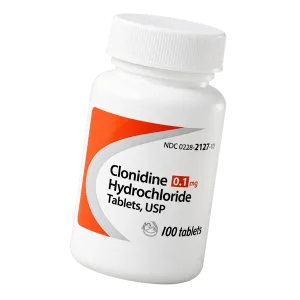
Clonidine

Active ingredient: Clonidine
0.1mg
From AED 335.40
pills
4.3 (4)

Cozaar

Active ingredient: Losartan
25mg 50mg 100mg
From AED 176.30
pills
4.1 (5)

Diltiazem Current

Active ingredient: Diltiazem
180mg 60mg
From AED 563.30
pills
3.9 (4)

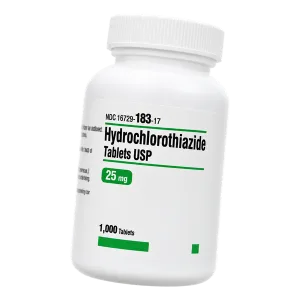
Hydrochlorothiazide

Active ingredient: Hydrochlorothiazide
25mg 12.5mg
From AED 356.90
pills
4 (3)

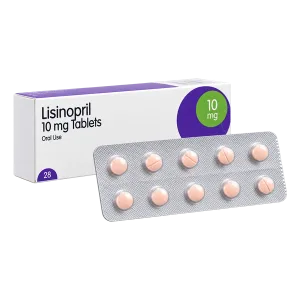
Lisinopril

Active ingredient: Lisinopril
10mg 2.5mg 5mg
From AED 404.20
pills
4.3 (5)

Comparison table: Hypertension

Common questions

What is the best time of day to take Diltiazem?

The best time depends on the prescribed regimen and formulation. Taking it at the same time each day helps maintain a consistent exposure and makes missed doses less likely. The American Heart Association’s 2017 hypertension guideline supports regular adherence rather than changing timing in response to isolated readings. If the regimen is twice daily or modified release, the timing should remain consistent from day to day.

How does Diltiazem differ from amlodipine or nifedipine?

Diltiazem relaxes arteries and can slow atrioventricular conduction, while amlodipine and nifedipine mainly produce arterial vasodilation. The European Society of Cardiology guidance published in 2024 recognises that calcium channel blockers differ in their cardiovascular effects. Diltiazem may be considered when heart-rate control is also relevant, but it may be unsuitable when the pulse is slow or conduction is impaired.

Can Diltiazem affect driving, concentration or work with machinery?

Diltiazem may cause dizziness, headache, tiredness or blurred vision in some patients, especially after starting treatment or changing the dose. The UK Medicines and Healthcare products Regulatory Agency medicine-safety information published in 2023 advises caution when a medicine can impair alertness or coordination. Do not drive or operate machinery until you know how the capsule affects you. Faintness or visual disturbance should be treated as a reason to stop the activity immediately.

Is Diltiazem suitable for people under 18?

Use in children and adolescents requires specialist assessment because the diagnosis, formulation and dose may differ from adult treatment. The European Medicines Agency paediatric information available in 2024 indicates that cardiovascular medicines need age-appropriate evidence and monitoring. Do not give an adult capsule to someone under 18 unless a paediatric clinician has prescribed it. A child with fainting, severe dizziness or a very slow pulse needs urgent assessment.

Can Diltiazem be taken with food or on an empty stomach?

The permitted relationship with food depends on the formulation and prescribing instructions. Once the regimen has been selected, taking each dose in the same way with respect to meals helps avoid unnecessary variation. The FDA prescribing information reviewed in 2023 advises consistent administration for oral diltiazem products. Grapefruit products may increase diltiazem exposure, so regular grapefruit intake should be discussed before treatment begins.

Can Diltiazem cause ankle swelling?

Yes, ankle or peripheral oedema can occur with calcium channel blockers, including diltiazem. NICE cardiovascular guidance updated in 2023 advises clinical review when swelling is persistent, worsening or associated with breathlessness. Do not simply add a diuretic or stop diltiazem without assessment. Sudden breathlessness, rapid swelling, fainting or new chest pain requires urgent medical attention.

Do you offer anonymous delivery?

Your order will be securely packed and shipped within 24 hours. This is exactly what your package will look like (images of an actual item sent). It has the size and look of a regular private letter (24x11x0.7 cm) and its contents cannot be seen.

Reviews: Diltiazem

3.9
Based on 4 reviews
Imran S., 61 Ras Al Khaimah Several months
Verified
Rating: 3.5 out of 5

I used diltiazem for several months for blood-pressure and chest symptoms. My readings became steadier, but I felt light-headed when standing during the first week. Taking my time getting out of bed helped, and the symptoms settled after the treatment was reviewed.

6 Oct 2026
Rajesh, 32 Kalba
Verified
Rating: 3.5 out of 5

I was given diltiazem for episodes of a fast heartbeat. The episodes became less frequent after the regimen was adjusted. I still noticed tiredness after exercise, so my cardiology appointment included a pulse check and an ECG.

17 Oct 2026
Suresh, 54 Al Dhaid About two weeks
Verified
Rating: 3.5 out of 5

The medicine helped my exertional chest tightness, but constipation became annoying after about two weeks. More fluids and fibre helped somewhat, although I still needed to mention it at the next review.

21 Oct 2026
Vikram, 37 Bur Dubai
Verified
Rating: 5 out of 5

I missed a capsule and nearly took two together that evening. I checked the instructions from my treatment team instead and skipped the missed dose because the next one was close. I had no further problem, but I now use a daily reminder.

1 Nov 2026

Sources

  1. U.S. Food and Drug Administration (2023). Diltiazem hydrochloride extended-release capsules: Prescribing Information.
  2. Medicines and Healthcare products Regulatory Agency (2023). Summary of Product Characteristics (SmPC) — diltiazem.
  3. National Institute for Health and Care Excellence (2023). Hypertension in adults: diagnosis and management.
Get our free app Shop faster and track your orders 3.9 · 576 reviews Install