My readings became steadier after the first couple of weeks. I urinated more before lunch, so morning dosing suited my office routine. I felt light-headed once after working outside in the heat and became more careful about reporting symptoms.
Hydrochlorothiazide
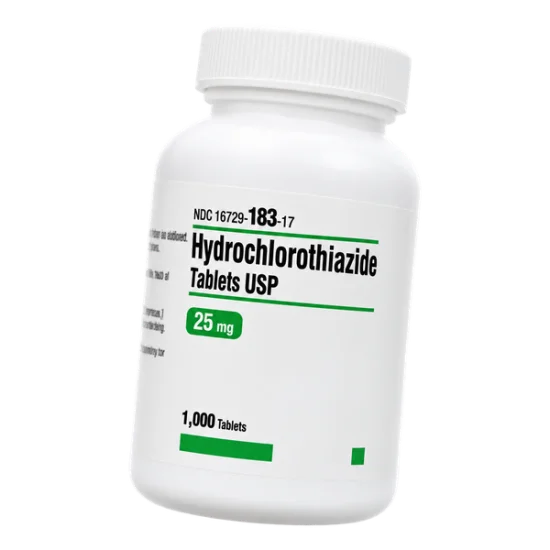
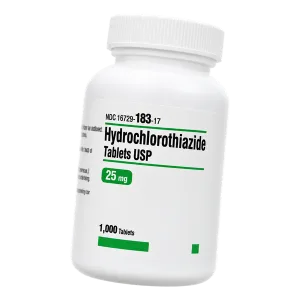
Hydrochlorothiazide is a thiazide diuretic taken by mouth for high blood pressure and fluid retention. It helps the kidneys remove more sodium and water, and the amount taken at each intake is selected individually.
Product information
Hydrochlorothiazide is a long-established diuretic, also called a water pill. Doctors prescribe it for high blood pressure and fluid retention associated with conditions affecting the heart, kidneys, or liver. Its effect is based on increased diuresis, meaning greater urine production after the kidneys excrete more sodium and chloride.
Dosage and administration
The amount taken at each intake is selected individually rather than being one fixed dose for every adult. Prescribers consider the treatment goal, current blood pressure, kidney function, age, sodium intake, other medicines, and laboratory results.
Typical administration principles include:
- Take the tablet by mouth with water.
- Use it at the prescribed frequency, commonly once daily.
- Morning administration is often practical when the medicine is taken once daily.
- Take it consistently at the same general time each day.
- If a dose is missed, take it when remembered unless the next scheduled dose is near.
- Do not double the next dose to compensate for a missed tablet.
- Continue monitoring when treatment is prolonged, because electrolyte changes can occur even after the diuretic effect feels familiar.
The amount for each intake should not be split, increased, or repeated according to home blood-pressure readings without an agreed treatment plan. A reading that is higher than usual may reflect pain, stress, missed doses, excess sodium, or another medical issue rather than a need for an extra tablet.
Ingredients
Hydrochlorothiazide is the active ingredient in this product and belongs to the thiazide diuretic class. The tablets are intended for oral administration.
In clinical records, the same active ingredient may appear as hydrochlorothiazide, HCTZ, or hydrochlorothiazide tablets. Brand names used in different healthcare systems do not change the pharmacological identity of the active ingredient, and brand-specific names are not needed to understand how this product works.
The tablet form allows a prescriber to select an individual amount for each person and adjust treatment according to blood-pressure readings, fluid status, kidney function, and laboratory results. The amount taken at each intake is set individually rather than being one fixed number.
How it affects the body
Hydrochlorothiazide acts mainly in the distal convoluted tubule, a segment of the nephron responsible for fine adjustment of electrolyte handling. It inhibits the sodium-chloride symporter, reducing the reabsorption of sodium and chloride from the tubular fluid [1].
More sodium remains in the urine. Water follows the retained sodium, so urine volume rises. Chloride excretion also increases, and potassium loss may develop because greater sodium delivery reaches later parts of the nephron.
The drug’s blood-pressure effect is not limited to fluid removal. After several weeks, plasma volume may move closer to its previous level while peripheral vascular resistance remains lower. This helps explain why hydrochlorothiazide can continue lowering blood pressure after the initial diuretic effect becomes less obvious.
Therapeutic indications
Therapeutic targets in hypertension and oedema
Hydrochlorothiazide lowers blood pressure through two related effects. Early in treatment, increased sodium and water loss reduces circulating blood volume. With continued use, vascular resistance may also decline, helping maintain the antihypertensive response.
For oedema, the reduction in retained fluid can ease swelling in the ankles, legs, or other tissues when the underlying condition responds to thiazide treatment. The degree of benefit depends on kidney function, the cause of fluid retention, dietary sodium, and other medicines.
A useful practical detail is that increased urination is often more noticeable during the first part of the day. Taking the tablet late in the evening may disturb sleep because of nighttime trips to the bathroom.
Common mistakes
Several avoidable habits can make hydrochlorothiazide appear ineffective or poorly tolerated:
- Taking an extra tablet after one high home reading.
- Taking the dose at bedtime and then assuming the medicine causes a sleep disorder.
- Stopping treatment as soon as blood pressure improves.
- Forgetting to mention over-the-counter NSAIDs.
- Starting potassium or salt substitutes without checking their ingredients.
- Ignoring dizziness, cramps, confusion, or fainting.
- Measuring blood pressure immediately after exercise, caffeine, smoking, or a stressful event.
- Treating ankle swelling without investigating whether the heart, kidney, liver, vein, or medicine-related cause has changed.
A home blood-pressure monitor can give misleading results when the cuff is too small, the arm is unsupported, or readings are taken while talking. Five minutes of seated rest and repeated measurements provide a more reliable pattern.
Hydrochlorothiazide should not be used as a weight-loss product. A short-term fall in body weight can represent water loss, not reduction in body fat, and unnecessary diuresis can disturb sodium and potassium levels.
When not to use it
Hydrochlorothiazide is not suitable for everyone. This medicine is not for you if you have had a serious allergic reaction to hydrochlorothiazide, another thiazide, or a sulfonamide-related medicine, unless a clinician has assessed the specific reaction.
Important situations requiring medical review include:
- Anuria, meaning the kidneys are not producing urine.
- Severe kidney impairment or rapidly worsening renal function.
- Severe liver disease or a history of hepatic encephalopathy.
- Previous severe hyponatraemia or hypokalaemia.
- Recurrent gout or markedly elevated uric acid.
- Diabetes requiring close glucose adjustment.
- Lupus or another condition that may be affected by photosensitivity.
- Pregnancy or breastfeeding.
- Use of lithium, digoxin, corticosteroids, stimulant laxatives, or medicines that alter potassium.
- Use of ACE inhibitors, ARBs, NSAIDs, or other diuretics.
Non-steroidal anti-inflammatory drugs, including ibuprofen and naproxen, may reduce the blood-pressure effect and strain kidney function in susceptible patients. Lithium levels can rise because thiazide diuretics reduce lithium clearance, creating a potentially serious toxicity risk. Digoxin toxicity becomes more likely if hydrochlorothiazide causes significant potassium depletion.
The FDA prescribing information recommends attention to fluid status, renal function, and electrolyte balance during treatment [2]. A doctor may order blood tests after initiation, after a dose change, or when symptoms suggest an electrolyte problem.
When this is not for you
Tell the prescriber before starting hydrochlorothiazide if you have no urine output, serious kidney or liver problems, previous major sodium or potassium abnormalities, recurrent gout, diabetes, lupus, or are pregnant or breastfeeding. You should also discuss any previous serious allergy to hydrochlorothiazide, another thiazide, or a sulfonamide-related medicine. Lithium, digoxin, NSAIDs, corticosteroids, ACE inhibitors, ARBs, and other diuretics may make this medicine unsuitable or require closer monitoring.
Possible side effects
Hydrochlorothiazide can cause increased urination, thirst, dizziness, headache, and mild gastrointestinal discomfort. These effects may be more noticeable after starting treatment or after a dose increase. Dehydration becomes more likely during vomiting, diarrhoea, heavy sweating, hot weather, or inadequate fluid intake.
Electrolyte effects include:
- Low potassium, which may cause cramps, weakness, constipation, or palpitations.
- Low sodium, which may cause headache, nausea, confusion, or marked fatigue.
- Low magnesium in some patients.
- Increased uric acid, which can trigger gout in susceptible people.
- Increased blood glucose in some patients.
- Reduced sodium and water volume, producing postural dizziness.
Thiazide treatment can also increase sensitivity to sunlight in some people. Hydrochlorothiazide has been associated with a small increased risk of certain non-melanoma skin cancers after prolonged cumulative exposure, so unusual or changing skin lesions require medical review rather than cosmetic treatment.
A dry mouth does not always mean that the medicine is causing dangerous dehydration. Persistent dizziness when standing, fainting, confusion, or very low urine output is more concerning and requires timely assessment.
One practical mistake is replacing lost fluid with very large amounts of plain water while ignoring food intake and laboratory monitoring. Excessive water consumption can worsen low sodium in some situations.

Comparison
Different diuretics act at different nephron sites and suit different clinical problems. Hydrochlorothiazide is generally used for hypertension and some forms of mild fluid retention, while stronger diuresis may require another class.
| Diuretic class | Typical clinical role |
|---|---|
| Thiazide diuretic, such as hydrochlorothiazide or indapamide | Long-term blood-pressure control and selected cases of mild oedema |
| Loop diuretic, such as furosemide or torsemide | Rapid, stronger fluid removal in significant oedema or congestion |
| Potassium-sparing diuretic, such as spironolactone | Aldosterone-related fluid retention or selected resistant hypertension, with potassium monitoring |
Furosemide and torsemide act in the loop of Henle and usually produce a more powerful natriuretic response than hydrochlorothiazide. Spironolactone acts later in the nephron and may raise potassium, especially when combined with an ACE inhibitor or ARB. Indapamide is another thiazide-like option used in hypertension.
The choice depends on the clinical target. A patient with uncomplicated hypertension may receive a thiazide-type drug, while pulmonary congestion or severe oedema may call for a loop diuretic. The choice is not based on urine volume alone.
What doctors say
In clinical practice, doctors often view hydrochlorothiazide as a practical long-term option when hypertension is linked partly to sodium retention or increased circulating volume. Its low cost and long history in cardiovascular care have supported broad use, but those advantages do not remove the need for laboratory monitoring.
A physician will usually judge response through repeated blood-pressure readings rather than one reading taken after a single tablet. The target is sustained control without troublesome dizziness, excessive urination, kidney-function deterioration, or electrolyte imbalance.
WHO hypertension guidance supports the use of thiazide and thiazide-like diuretics among evidence-based blood-pressure-lowering options [3]. The most suitable choice still depends on coexisting conditions such as gout, diabetes, chronic kidney disease, heart failure, and use of renin–angiotensin system medicines.
Comparison
Common questions
Can hydrochlorothiazide affect driving, concentration, or work with machinery?
Hydrochlorothiazide may cause dizziness, blurred vision, weakness, or reduced alertness if it lowers blood pressure too much or contributes to dehydration. The 2024 FDA safety information describes these effects as clinically relevant considerations, and they may be more likely after starting treatment or changing the dose [4]. Avoid driving or operating machinery until you know how the tablet affects you, especially after a dose adjustment. Standing up slowly can reduce light-headedness, but persistent symptoms require medical review. Monitoring remains important during treatment.
Can alcohol be consumed while using hydrochlorothiazide?
Alcohol can add to the blood-pressure-lowering and dehydrating effects of hydrochlorothiazide. Advice from the 2021 WHO hypertension framework supports limiting factors that worsen blood-pressure control, and alcohol may also make dizziness more noticeable. The practical concern remains individual response: a person who becomes faint, confused, or unusually weak after drinking should avoid further alcohol and seek medical advice. Hot weather, vomiting, diarrhoea, and alcohol together create a greater risk of volume depletion.
Does hydrochlorothiazide cause frequent urination?
Yes, increased urination is a predictable result of the diuretic action, especially after a dose or during the first part of the treatment day. The 2022 EMA describes sodium and water excretion as a central pharmacological effect of hydrochlorothiazide. In many people, urinary frequency becomes less disruptive as the body adapts, although fluid and electrolyte changes can still occur. Nighttime urination, severe thirst, faintness, or very low urine output should be discussed with a clinician.
How long can a course of hydrochlorothiazide last, and is long-term use acceptable?
Treatment may continue for months or years when blood pressure or fluid retention remains present and monitoring shows that the medicine is tolerated. The 2023 NICE hypertension guidance supports long-term antihypertensive treatment when sustained blood-pressure control is needed. The duration is not determined by a standard short course; it depends on the condition, response, kidney function, and electrolyte results. Stopping suddenly without a treatment plan can allow blood pressure or oedema to return.
Which specific condition rules hydrochlorothiazide out?
Anuria, meaning absent urine production, is a clear contraindication because the drug requires renal filtration and tubular function to produce its intended effect. The 2024 FDA prescribing information identifies anuria as a contraindication to hydrochlorothiazide treatment. Severe kidney disease may also make the medicine unsuitable or less useful, depending on the clinical setting. A history of severe allergic reaction to hydrochlorothiazide or another thiazide also requires a different treatment decision.
What should happen if the expected blood-pressure or swelling improvement does not occur?
Do not take an extra tablet when the expected result does not appear. The 2023 NICE guidance recommends treatment review when blood pressure remains above target, and the review may include adherence, measurement technique, sodium intake, kidney function, interacting medicines, and the need for combination therapy. Persistent swelling may signal a change in heart, kidney, liver, or venous disease rather than a simple need for more diuretic. Urgent help is needed for breathlessness at rest, chest pain, fainting, severe confusion, or rapidly worsening swelling.
What should be checked or discussed with a doctor before starting?
Discuss kidney disease, gout, diabetes, liver disease, pregnancy, breastfeeding, previous drug allergies, and all prescribed or non-prescription medicines. The 2021 WHO recommends cardiovascular-risk assessment as part of hypertension care, while laboratory review may include sodium, potassium, creatinine, glucose, and uric acid. Mention lithium, digoxin, NSAIDs, corticosteroids, ACE inhibitors, ARBs, and other diuretics because interactions can change renal or electrolyte effects. A clinician can then select the individual intake amount and monitoring schedule.
Do you offer anonymous delivery?
Your order will be securely packed and shipped within 24 hours. This is exactly what your package will look like (images of an actual item sent). It has the size and look of a regular private letter (24x11x0.7 cm) and its contents cannot be seen.
Reviews: Hydrochlorothiazide
The swelling around my ankles reduced, and my blood pressure log looked better. I still had occasional cramps at night, so the doctor arranged blood tests and reviewed my other tablets. The medicine helped, but it was not something I could adjust by myself.
I expected the number on the monitor to fall immediately. It took several weeks to judge the result, and the first days involved more bathroom visits than I expected. I was disappointed at first, but the routine became easier when I took it early.
Sources
- U.S. Food and Drug Administration (2024). Hydrochlorothiazide Tablets USP Prescribing Information.
- U.S. Food and Drug Administration (2024). Hydrochlorothiazide: Drug Safety and Prescribing Information.
- World Health Organization (2021). Guideline for the Pharmacological Treatment of Hypertension in Adults.
- National Institute for Health and Care Excellence (2023). Hypertension in adults: diagnosis and management, NG136.