Skip to content
Shuddha Guggulu
Active ingredient: Shuddha Guggulu

Shuddha Guggulu

Quality products
24/7 Support
Fast delivery
Delivery from 4 days
Select pack Package Per unit Price

Free delivery on orders from AED 860.00, free express delivery from AED 1,290.00

Secure Payments
Track your order
Best price guarantee

Support for healthy lipid metabolism and cardiac wellness can include lifestyle measures and botanicals used in Ayurveda. Shuddha Guggulu contains purified guggul resin from Commiphora mukul and is intended for adults seeking support for healthy lipid levels.

Product information

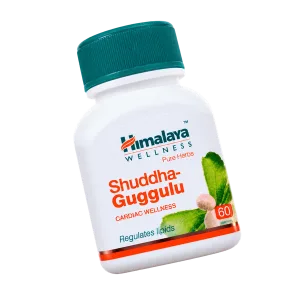
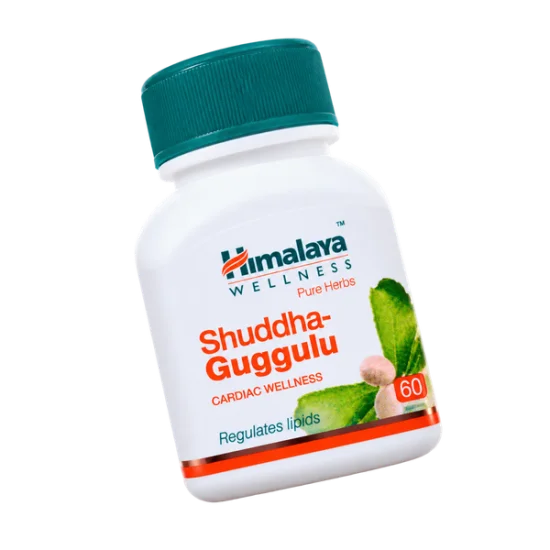
The purified form used in Shuddha Guggulu is supplied in a bottle containing 60 oral tablets.

Shuddha Guggulu remains a botanical product rather than a cholesterol-lowering substitute for prescribed treatment. People with elevated cholesterol, diabetes, hypertension, or established cardiovascular disease still need regular clinical monitoring.

The WHO describes Commiphora mukul as a traditional medicinal plant with a long history of use for metabolic and musculoskeletal concerns [1].

Dosage and administration

Shuddha Guggulu tablets are taken orally with water. Dosing differs between strengths and between users, so there is no single amount that suits everyone.

For a practical routine:

  • Use the daily amount advised by the clinician who knows your medicines and health history.
  • Take it at a consistent time each day to make tolerance easier to assess.
  • If stomach discomfort occurs, taking the tablet after a meal may be more comfortable.
  • Do not double the next intake after a missed dose.
  • Stop and seek prompt medical advice if a widespread rash, facial swelling, wheezing, unusual bruising, or severe abdominal pain occurs.

Tablets are swallowed whole.

Keep a simple note of when you started Shuddha Guggulu, any digestive changes, skin symptoms, and the dates of blood tests. This is more useful than relying on memory at a follow-up appointment.

Traditional Ayurvedic practice may use warm water as an accompanying drink. Honey, ghee, or other vehicles are also described in classical texts, though these may be unsuitable for people managing diabetes, calorie intake, reflux, or allergies. Water is the simplest option.

Ingredients

Shuddha Guggulu is a single-herb Ayurvedic preparation based on purified guggul resin from Commiphora mukul. Its key bioactive plant constituents include guggulsterones and resin compounds associated with traditional metabolic support.

The product is supplied as oral tablets in bottles. It is designed for adults who want a focused guggul preparation rather than a multi-herb blend aimed at several body systems.

Single-herb guggul products have one clear advantage: they make it easier to identify whether guggul itself suits the user. Their limitation is equally clear. They do not provide the broader herb combinations traditionally used for joint, digestive, urinary, or glandular concerns.

How it affects the body

Guggulsterones may interact with several metabolic pathways, including the farnesoid X receptor, a receptor involved in bile-acid signalling and cholesterol regulation. Bile acids help the body process and remove cholesterol through the digestive system. Laboratory findings suggest that guggul may also have antioxidant and anti-inflammatory activity, yet laboratory mechanisms do not guarantee the same benefit in every person.

This is a useful reminder that traditional use and modern clinical outcomes do not always align [2].

Therapeutic indications

For Shuddha Guggulu, the intended wellness focus is cardiac support and healthy lipid regulation. This should be understood as supportive use alongside food choices, exercise, weight management, and prescribed care when needed. It does not replace statins, ezetimibe, or other lipid-lowering therapy.

Common mistakes

The most frequent problem is using Shuddha Guggulu while continuing medicines without mentioning the supplement during a consultation. This can matter with anticoagulants, thyroid treatment, and medicines metabolised by the liver.

Other avoidable mistakes include:

  • Taking an extra tablet after missing an earlier intake.
  • Starting several herbal products during the same week.
  • Assuming normal energy levels prove that cholesterol is controlled.
  • Stopping prescribed cholesterol treatment without a clinician’s plan.
  • Continuing despite an itchy rash or persistent digestive symptoms.
  • Using it during pregnancy because it is plant-derived.
Before a blood test or procedure, write Shuddha Guggulu on your medicines list. Supplements are easy to overlook when clinicians ask about treatment.

When not to use it

Avoid self-starting Shuddha Guggulu when any of the following apply:

  • You use anticoagulants or antiplatelet medicines, including warfarin, apixaban, rivaroxaban, clopidogrel, or regular high-dose aspirin.
  • You have a bleeding disorder, a planned operation, or recent surgery.
  • You use thyroid hormone treatment or are being assessed for overactive thyroid symptoms.
  • You have active liver disease or unexplained jaundice.
  • You have persistent diarrhoea, active peptic ulcer disease, or severe reflux.
  • You are under 18 years old.

National Center for Complementary and Integrative Health advises discussing dietary supplements alongside prescribed medicines because interactions can be clinically relevant [3].

When this is not for you

Shuddha Guggulu is not for you if you are pregnant, breastfeeding, have had an allergic reaction to guggul or related resin preparations, or have unexplained vaginal bleeding.

Possible side effects

Shuddha Guggulu is often tolerated without major problems when used appropriately, though plant-based does not mean free from adverse effects. The most plausible reactions are digestive upset, loose stools, nausea, headache, skin itching, or rash. Resin-based products may also worsen heartburn in people prone to reflux.

Skin reactions deserve attention. The JAMA guggulipid trial recorded hypersensitivity-type rash in some participants, so itching or a new widespread eruption should not be ignored.

Comparison

Shuddha Guggulu provides purified guggul as a focused single-herb preparation. Compound Ayurvedic guggulu formulas combine guggul with several botanicals and are traditionally used for more targeted goals.

Preparation type Main feature When it may be considered
Shuddha Guggulu Purified guggul resin as the central botanical Adults seeking focused lipid and cardiac-wellness support
Compound guggulu formula Guggul combined with several herbs A practitioner has selected a formula for a defined traditional goal
Prescription lipid therapy Measurable pharmacological cholesterol reduction Diagnosed dyslipidaemia or elevated cardiovascular risk

Single-herb use makes tolerability easier to track. Compound formulas may offer broader traditional actions, yet their ingredient complexity raises the chance of interactions and makes adverse effects harder to trace. Prescription lipid therapy has stronger outcome evidence for people with confirmed cardiovascular risk, while Shuddha Guggulu is better viewed as supportive wellness care.

What doctors say

Doctors commonly ask first about the reason for use. If the goal is healthier lipid levels, they will usually want to know recent cholesterol results, family history of early heart disease, smoking status, blood pressure, diabetes status, thyroid treatment, and every medicine or supplement already used.

A sensible clinical expectation is modest support, not a guaranteed laboratory change. If LDL cholesterol is high enough to warrant prescription treatment, delaying proven care while relying on a botanical product can increase long-term cardiovascular risk. For adults without diagnosed disease, Shuddha Guggulu may fit a broader plan that includes dietary fibre, physical activity, sleep, and weight management.

One detail clinicians often spot: a person may describe a supplement as harmless while forgetting that they started it shortly before a rash, new palpitations, loose stools, or altered thyroid blood results. Timing matters.

Comparison

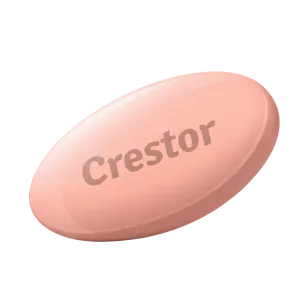
Crestor

Active ingredient: Rosuvastatin
10mg 20mg 5mg
From AED 430.00
pills
4.5 (3)

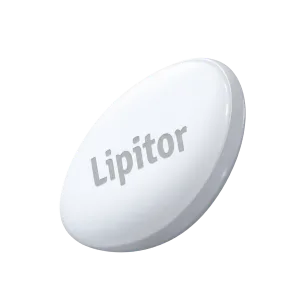
Lipitor

Active ingredient: Atorvastatin
10mg 20mg 40mg 5mg
From AED 399.90
pills
3.9 (5)

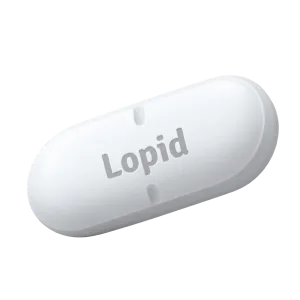
Lopid

Active ingredient: Gemfibrozil
300mg
From AED 537.50
pills
4 (4)

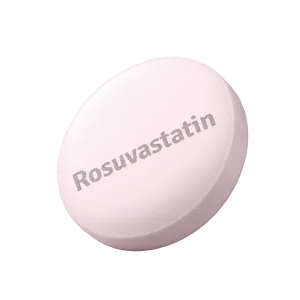
Rosuvastatin

Active ingredient: Rosuvastatin
10mg
From AED 425.70
pills
4.4 (5)

Shuddha Guggulu Current

Active ingredient: Shuddha Guggulu
60caps
From AED 378.40
bottles
3.8 (4)

Comparison table: High Cholesterol

Common questions

Can Shuddha Guggulu affect driving or work with machinery?

Shuddha Guggulu is not known as a sedative botanical, so it is not expected to routinely impair alertness. Individual reactions still matter, especially if it causes headache, dizziness, stomach discomfort, or sleep disruption. The WHO monograph published in 2002 discusses traditional Commiphora mukul use but does not establish it as a treatment for alertness or concentration. Avoid driving or machinery work if you feel unwell after starting it.

What should be discussed with a doctor before starting Shuddha Guggulu?

Discuss your cholesterol results, heart history, thyroid condition, liver health, planned procedures, allergies, and all medicines. Anticoagulants, antiplatelet medicines, thyroid hormones, and multiple supplements deserve special attention. MOHAP-regulated healthcare professionals can assess whether a supplement fits alongside an existing treatment plan. A 2024 review with a MOHAP-regulated healthcare professional can place the supplement in the context of current medicines and health risks. Bring a written medicine list rather than relying on recall.

What happens if Shuddha Guggulu is stopped, and does it need tapering?

Shuddha Guggulu does not have a known dependence syndrome, so gradual tapering is not usually required. It can generally be stopped if it causes a suspected reaction or no longer fits the person’s health plan. The 2003 JAMA trial did not identify withdrawal effects from guggulipid use. If it was being used while cholesterol levels were monitored, continue the planned follow-up testing after stopping.

Can Shuddha Guggulu be used by children or teenagers?

Shuddha Guggulu is not intended for routine use under 18 because suitable safety and dosing data are lacking. Childhood and teenage cholesterol problems can have genetic, endocrine, dietary, or metabolic causes that need proper assessment. WHO guidance from 2020 on cardiovascular risk recognises the value of identifying risk factors early in life. Paediatric use should only occur when directed by a qualified clinician.

How does Shuddha Guggulu differ from a compound guggulu formula?

Shuddha Guggulu focuses on purified guggul resin, while compound formulations add other herbs for a broader traditional purpose. This makes the single-herb approach easier to assess for tolerance and possible interactions. Ayurveda has used guggul-containing formulas for centuries, yet the WHO’s 2002 review does not establish that all combinations provide the same clinical effect. A multi-herb formula should not be substituted casually for a single-herb product.

Is pregnancy a reason to avoid Shuddha Guggulu?

Yes. Pregnancy rules out routine Shuddha Guggulu use because there is insufficient reliable safety evidence for guggul preparations during pregnancy. The same precaution applies during breastfeeding. EMA’s 2014 approach to herbal products places special weight on reproductive safety when evidence is limited. Choose pregnancy-specific medical advice for lipid concerns or digestive symptoms instead.

Do you offer anonymous delivery?

Your order will be securely packed and shipped within 24 hours. This is exactly what your package will look like (images of an actual item sent). It has the size and look of a regular private letter (24x11x0.7 cm) and its contents cannot be seen.

Reviews: Shuddha Guggulu

3.8
Based on 4 reviews
Samir, 51 Khalifa City Nearly two months
Verified
Rating: 4 out of 5

I used Shuddha Guggulu daily for nearly two months while also cutting back on fried food. I did not feel a dramatic change, but my digestion stayed comfortable and the routine was easy to maintain. My doctor still asked me to repeat my lipid blood test rather than judge it by how I felt.

8 Nov 2026
Usman, 58 Jumeirah First week
Verified
Rating: 3.5 out of 5

I started it as part of a plan for cholesterol support. During the first week I had mild acidity when I took it before breakfast, which settled after I moved it to later in the day. I kept my prescribed medicines unchanged.

3 Nov 2026
Nadeem, 62 Ras Al Khaimah About ten days
Verified
Rating: 2.5 out of 5

I stopped after about ten days because I developed itchy patches on my arms. They improved after I discontinued it, and I did not restart it. The experience made me more careful about adding herbs when I already take several medicines.

12 Oct 2026
Ahmed, 38 Al Majaz Six weeks
Verified
Rating: 5 out of 5

I used the tablets for six weeks alongside regular walks and fewer takeaway meals. There was no immediate feeling, which was expected. The bottle format helped me keep it in the same place as my daily routine.

19 Oct 2026

Sources

  1. World Health Organization (2002). WHO Monographs on Selected Medicinal Plants, Volume 2.
  2. Journal of the American Medical Association (2003). Guggulipid for the Treatment of Hypercholesterolemia: A Randomized Controlled Trial.
  3. National Center for Complementary and Integrative Health (2024). Using Dietary Supplements Wisely.
Get our free app Shop faster and track your orders 3.9 · 576 reviews Install