Skip to content
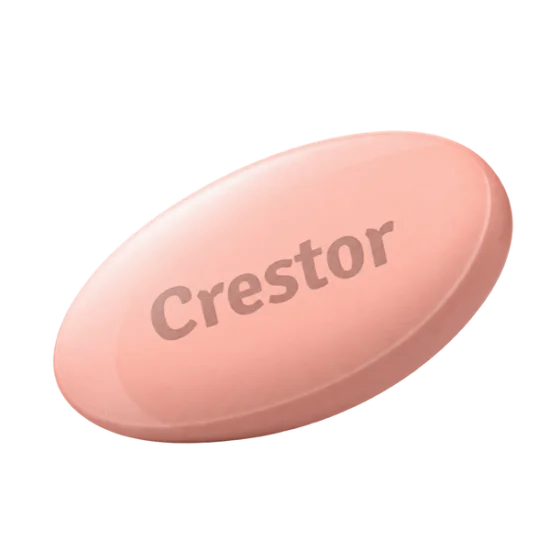
Crestor
Active ingredient: Rosuvastatin

Crestor

Quality products
24/7 Support
Fast delivery
Delivery from 4 days
Select pack Package Per unit Price

Free delivery on orders from AED 860.00, free express delivery from AED 1,290.00

Secure Payments
Track your order
Best price guarantee

Patients with high LDL cholesterol, mixed dyslipidaemia, or elevated cardiovascular risk may be prescribed Crestor. Its active ingredient, rosuvastatin, reduces hepatic cholesterol production and increases LDL clearance from the bloodstream.

Product information

Crestor belongs to the statin class of cholesterol-lowering medicines. Its active ingredient is rosuvastatin, an HMG-CoA reductase inhibitor used for hypercholesterolaemia and selected cardiovascular-risk reduction strategies. By lowering low-density lipoprotein cholesterol, commonly called LDL cholesterol, Crestor helps reduce one of the main contributors to atherosclerotic plaque formation.

Dosage and administration

Crestor tablets are taken orally as a single daily dose. They may be taken with food or on an empty stomach, and the dose can be taken at any time of day. Swallowing the tablet whole with water helps maintain predictable administration.

The selected strength is confirmed before treatment begins. Dose selection takes account of:

  • Baseline LDL cholesterol
  • The target percentage reduction
  • Previous statin treatment and tolerance
  • Kidney function
  • Liver history
  • Age and cardiovascular risk
  • Concomitant medicines
  • Risk factors for statin-associated muscle injury

Treatment is often started at a lower or moderate strength, followed by lipid testing and clinical review. Higher-strength therapy is reserved for people who require a greater LDL reduction or who have a sufficiently high cardiovascular risk.

A missed dose should be taken when remembered if the next scheduled dose is not close. A double dose should not be used to compensate for a missed tablet. If the next dose is due soon, the missed dose is generally skipped and the usual schedule resumed.

Do not stop long-term treatment solely because cholesterol improves. The lower result may reflect the medicine’s continuing effect. Stopping can allow LDL cholesterol to rise again.

Keep a simple record of the day and time of each dose during the first weeks. This helps distinguish a missed tablet from a possible side effect and makes the follow-up discussion more precise.

The European Medicines Agency describes Crestor as an oral rosuvastatin treatment used with dietary measures when cholesterol remains elevated or cardiovascular risk is substantial [1].

Ingredients

Crestor contains rosuvastatin, an HMG-CoA reductase inhibitor in the statin class. It is used to lower LDL cholesterol by reducing hepatic cholesterol production and increasing LDL clearance from the bloodstream. The selected tablet strength and regimen are confirmed before treatment based on individual factors.

How it affects the body

Rosuvastatin blocks HMG-CoA reductase, an enzyme the liver uses during cholesterol synthesis. Less cholesterol is produced inside liver cells. In response, the liver increases the number of LDL receptors on its surface, allowing it to remove more LDL particles from circulating blood.

The process can be summarised as:

  1. Rosuvastatin inhibits HMG-CoA reductase.
  2. Hepatic cholesterol production decreases.
  3. Liver cells increase LDL-receptor activity.
  4. More LDL cholesterol is removed from the bloodstream.
  5. Blood LDL levels fall, reducing exposure of arteries to atherogenic particles.

Rosuvastatin also lowers non-HDL cholesterol and apolipoprotein B. It may produce a modest reduction in triglycerides and a small rise in HDL cholesterol, although LDL reduction remains the main treatment target.

Take the tablet at a time you can repeat consistently. Rosuvastatin has a long enough duration of action that it does not need to be tied to breakfast or an evening meal.

Rosuvastatin differs from some statins because it has high potency at low doses and limited metabolism through the CYP3A4 pathway. This does not remove interaction risk. Transporter interactions, kidney function, and combinations with medicines such as ciclosporin or certain antiviral agents can still raise rosuvastatin exposure.

Therapeutic indications

Rosuvastatin may be prescribed for adults with:

  • Primary hypercholesterolaemia
  • Mixed dyslipidaemia
  • Familial hypercholesterolaemia
  • Raised LDL cholesterol despite lifestyle measures
  • Increased risk of heart attack or other atherosclerotic cardiovascular events
  • Selected prevention strategies in people with substantial cardiovascular risk

Crestor may be used for:

  • Primary prevention in people with elevated cardiovascular risk
  • Secondary prevention after a cardiovascular event
  • Severe or inherited cholesterol disorders
  • Reduction of persistently high LDL cholesterol despite lifestyle changes

The JUPITER trial evaluated rosuvastatin in people with relatively low LDL cholesterol but increased inflammatory risk and found fewer major cardiovascular events during the study period [2].

Common mistakes

Several practical mistakes can reduce benefit or increase avoidable problems:

  • Taking two tablets after forgetting a dose
  • Stopping treatment when cholesterol improves
  • Assuming muscle pain is harmless and continuing despite weakness or dark urine
  • Failing to mention short-term medicines during an interaction review
  • Taking an aluminium- or magnesium-containing antacid at the same time
  • Starting a high-intensity exercise programme without reporting severe muscle symptoms
  • Expecting Crestor to treat chest pain immediately
  • Using a previous dose after kidney function or other medicines have changed
  • Treating a single cholesterol result as the only measure of success

One subtle error involves timing. Crestor does not need to be taken at night, but taking it at a different time every day can make missed doses more likely. A repeatable routine is more useful than choosing a theoretically “best” hour.

Another mistake is confusing side-effect monitoring with routine fear. Mild nausea can settle, while progressive weakness, dark urine, or jaundice needs urgent medical attention. The response should match the symptom rather than treating every discomfort in the same way.

When not to use it

  • Active liver disease or unexplained persistent liver enzyme elevation
  • Previous serious hypersensitivity to rosuvastatin or an excipient
  • Pregnancy
  • Breastfeeding
  • Significant kidney impairment requiring a lower starting approach
  • Previous severe muscle toxicity linked to a statin
  • Concurrent medicines known to increase rosuvastatin exposure

Rosuvastatin can interact with ciclosporin, some antiviral treatments, gemfibrozil, certain fibrates, and other medicines associated with muscle toxicity. Antacids containing aluminium or magnesium may reduce rosuvastatin absorption if taken too close to the tablet; spacing them as directed by a healthcare professional may be required.

The WHO guideline on cardiovascular disease prevention supports lipid-lowering treatment as part of a broader risk-reduction plan that includes blood pressure, diabetes, tobacco exposure, and lifestyle factors [4].

When this is not for you

Crestor is not suitable for everyone. NOT for you if you have active liver disease, are pregnant or breastfeeding, or have had a serious reaction to rosuvastatin; seek medical advice about alternatives.

Pregnancy is a specific contraindication because cholesterol synthesis is important during fetal development. Breastfeeding is also unsuitable during treatment because rosuvastatin may pass into breast milk.

People of some Asian backgrounds may achieve higher rosuvastatin concentrations at the same dose. This can influence dose selection, especially when other risk factors for muscle injury are present. Older adults may also need closer review when kidney function is reduced or several medicines are taken together.

Before starting Crestor, write down every prescription medicine, over-the-counter product, vitamin, and herbal preparation being used. Interaction review is more accurate when occasional medicines are included, not only daily treatments.

Possible side effects

Many people tolerate rosuvastatin without major problems. Reported adverse effects include headache, nausea, abdominal discomfort, constipation, dizziness, and muscle symptoms. Feeling sick or constipated may occur, though persistent or severe symptoms require review.

Muscle symptoms deserve clear attention. Uncomplicated muscle aching is different from rhabdomyolysis, a rare but serious condition involving severe muscle injury. The risk may rise with high exposure, kidney impairment, untreated hypothyroidism, interacting medicines, or a previous history of statin-associated muscle symptoms.

Contact a clinician promptly for:

  • Unexplained muscle pain, tenderness, or weakness
  • Dark or cola-coloured urine
  • Marked tiredness with muscle symptoms
  • Yellowing of the skin or eyes
  • Persistent upper abdominal pain
  • Severe nausea with loss of appetite
  • Unusual bruising or bleeding

Liver enzyme elevations can occur. Severe liver injury is uncommon, yet a history of active liver disease changes whether rosuvastatin is appropriate. Routine testing is not a substitute for reporting symptoms. Liver tests and lipid tests may be arranged when clinically indicated.

A practical detail is often missed: muscle symptoms do not automatically prove that the statin caused them. Symptoms may arise from strenuous exercise, thyroid disease, vitamin deficiency, infection, or another medicine. A structured review can help identify the cause without abandoning useful lipid treatment unnecessarily.

Avoid starting intense exercise at the same time as a new statin dose if possible. A sudden change in training can cause muscle soreness that is difficult to distinguish from a medicine-related symptom.

Another useful point concerns grapefruit. Grapefruit interactions are strongly associated with some statins metabolised through CYP3A4. Rosuvastatin has a different primary metabolic pathway, yet the full medicine list still matters because transporter interactions and other medicines can increase exposure.

The NHS describes digestive symptoms and muscle problems among recognised rosuvastatin adverse effects, with urgent review required for severe muscle symptoms or signs of liver injury [3].

Comparison

Statins share the same broad target but differ in potency, metabolism, half-life, and interaction profile. Rosuvastatin is considered a high-potency statin. Atorvastatin is also high potency, while pravastatin and fluvastatin are generally used when a lower-intensity approach or a different interaction profile is preferred.

Treatment approach Main pharmacological feature Typical clinical role
Rosuvastatin Potent HMG-CoA reductase inhibition; limited CYP3A4 metabolism Larger LDL reduction when clinically indicated
Atorvastatin Potent HMG-CoA reductase inhibition; CYP3A4 metabolism Broad use across primary and secondary prevention
Pravastatin or fluvastatin Lower-to-moderate potency; different metabolic pathways Lower-intensity treatment or selected intolerance situations

Simvastatin is also a statin, but its interaction profile and dose restrictions make medicine review important. Ezetimibe works differently: it reduces intestinal cholesterol absorption rather than directly inhibiting hepatic cholesterol synthesis. A clinician may consider ezetimibe when LDL reduction remains inadequate or when statin intensity is limited by tolerability.

Crestor should not be compared solely by tablet strength. A smaller numerical dose of rosuvastatin can produce a substantial LDL reduction because potency differs between statins. Treatment decisions are based on expected LDL lowering, clinical risk, kidney function, interactions, and the person’s response.

What doctors say

In clinical practice, prescribers usually judge Crestor by three outcomes: the LDL response, the person’s tolerance, and the reduction in estimated cardiovascular risk. A good response is not measured by how the patient feels because high cholesterol often causes no symptoms.

A clinician will usually want to know:

  • The baseline lipid profile
  • Whether previous statins were tried
  • Any history of muscle pain during statin treatment
  • Liver or kidney disease
  • Current medicines and supplements
  • Pregnancy status where relevant
  • Family history of premature cardiovascular disease

A follow-up lipid panel helps show whether the chosen regimen is producing the intended reduction. If the response is less than expected, the explanation may be missed doses, an interacting medicine, an untreated secondary cause of dyslipidaemia, or an inherited lipid disorder.

Patients sometimes stop Crestor after a normal cholesterol result. Doctors generally explain that the result may be normal because treatment is working. A change in therapy should follow a planned review rather than an abrupt decision based on one test.

The treatment also has limits. Crestor reduces cardiovascular risk but cannot eliminate it. It does not reverse every risk factor, and it cannot compensate for uncontrolled hypertension, continued smoking, or untreated diabetes.

Comparison

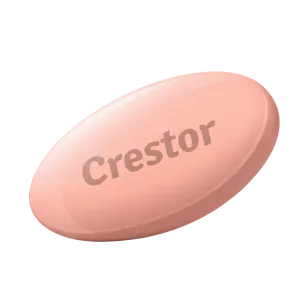
Crestor Current

Active ingredient: Rosuvastatin
10mg 20mg 5mg
From AED 430.00
pills
4.5 (3)

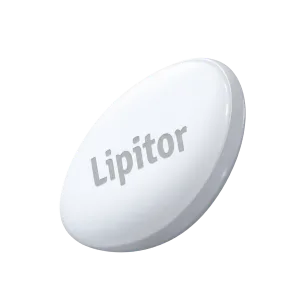
Lipitor

Active ingredient: Atorvastatin
10mg 20mg 40mg 5mg
From AED 399.90
pills
3.9 (5)

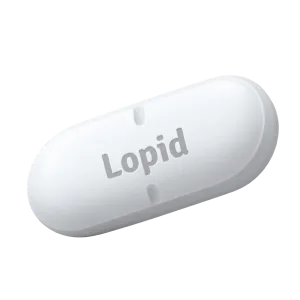
Lopid

Active ingredient: Gemfibrozil
300mg
From AED 537.50
pills
4 (4)

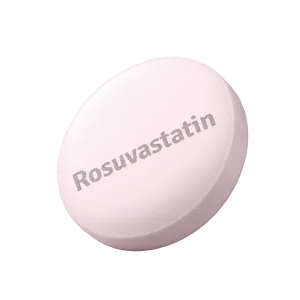
Rosuvastatin

Active ingredient: Rosuvastatin
10mg
From AED 425.70
pills
4.4 (5)

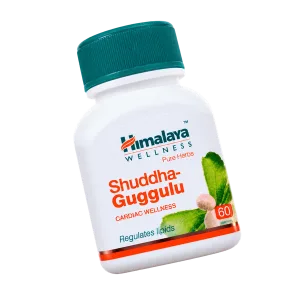
Shuddha Guggulu

Active ingredient: Shuddha Guggulu
60caps
From AED 378.40
bottles
3.8 (4)

Comparison table: High Cholesterol

Common questions

Can Crestor be taken with food or on an empty stomach?

Crestor can be taken with food or without food, and the tablet may be taken at any time of day. The FDA rosuvastatin prescribing information reviewed in 2020 describes administration without regard to meals. The important practical point is using a consistent daily routine and avoiding a double dose after a missed tablet.

Can I drive, concentrate, or work with machinery while taking Crestor?

Crestor does not usually impair driving, concentration, or routine machine work. The EMA product information available in 2024 reports no expected general effect on the ability to drive, though dizziness can occur in some people. Avoid operating machinery until you know how the treatment affects you if dizziness, unusual weakness, or another symptom develops.

Which symptoms mean that I should stop and seek urgent medical help?

Severe or unexplained muscle pain, marked weakness, dark urine, yellow skin, yellow eyes, or severe upper abdominal symptoms require urgent medical assessment. The NHS safety information reviewed in 2025 identifies serious muscle injury and liver-related symptoms as reasons for prompt attention. Do not take another dose while awaiting urgent advice if severe muscle symptoms or dark urine occur.

What should I discuss with a doctor before starting Crestor?

Discuss liver disease, kidney disease, previous statin reactions, thyroid problems, pregnancy or breastfeeding, and every medicine or supplement being used. MOHAP medication-safety practice in the UAE in 2024 also makes a complete medicine history relevant when treatment is initiated or changed. The regimen for the chosen strength should be confirmed with a healthcare professional before starting, with follow-up lipid testing arranged where appropriate.

Does Crestor cause muscle pain?

Muscle pain, tenderness, or weakness is a recognised possible adverse effect of rosuvastatin, although many people do not experience it. The EMA safety information reviewed in 2024 distinguishes common muscle symptoms from rare severe muscle injury requiring urgent assessment. Report persistent or worsening symptoms, especially when accompanied by weakness, fever, or dark urine, rather than continuing without review.

Do you offer anonymous delivery?

Your order will be securely packed and shipped within 24 hours. This is exactly what your package will look like (images of an actual item sent). It has the size and look of a regular private letter (24x11x0.7 cm) and its contents cannot be seen.

Reviews: Crestor

4.5
Based on 3 reviews
Waleed, 27 Al Reem Island 6 weeks
Verified
Rating: 5 out of 5

I took rosuvastatin after my cholesterol result stayed high despite changing breakfast and reducing fried food. I did not feel any different, which made the treatment seem uneventful. The follow-up blood test was the first clear sign that it was working.

1 Nov 2026
Bilal, 57 Al Qusais 4 weeks
Verified
Rating: 3.5 out of 5

My first weeks were manageable, but I noticed constipation and mild leg aching after I increased my walking routine. The symptoms improved after the timing and exercise pattern were reviewed. I learned not to assume every sore muscle came from the tablet.

6 Oct 2026
Nadeem, 61 Dibba Al-Fujairah 3 months
Verified
Rating: 5 out of 5

Crestor fitted into my evening routine, although I initially stopped it when the cholesterol number improved. The clinician explained that the result was controlled while I was taking it. I restarted the planned schedule and kept track of doses more carefully.

21 Oct 2026

Sources

  1. European Medicines Agency (2015). Crestor: European public assessment report and product information.
  2. Ridker PM et al. (2008). Rosuvastatin to Prevent Vascular Events in Men and Women with Elevated C-Reactive Protein.
  3. National Health Service (2025). Side effects of rosuvastatin.
  4. World Health Organization (2020). HEARTS: Technical package for cardiovascular disease management in primary health care.
Get our free app Shop faster and track your orders 3.9 · 576 reviews Install