Skip to content
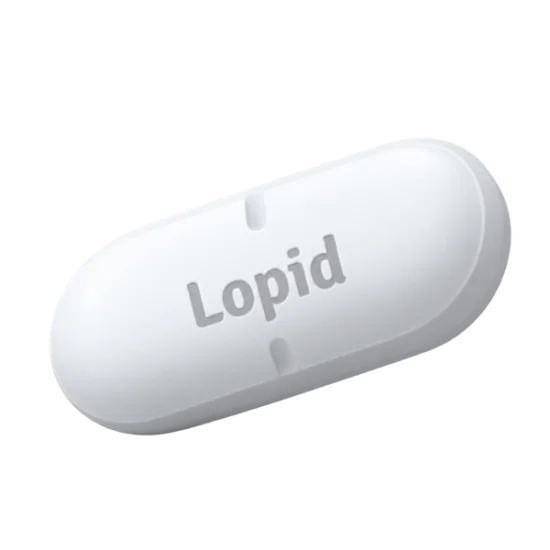
Lopid
Active ingredient: Gemfibrozil

Lopid

Quality products
24/7 Support
Fast delivery
Delivery from 4 days
Select pack Package Per unit Price

Free delivery on orders from AED 860.00, free express delivery from AED 1,290.00

Secure Payments
Track your order
Best price guarantee

Raised triglycerides and mixed hyperlipidaemia require targeted lipid management when diet and treatment of underlying causes are not enough. Lopid is an oral prescription lipid-lowering tablet used in adults with selected hyperlipidaemic disorders. Its fibrate-based action helps reduce triglyceride-rich lipoproteins and may improve the lipid profile when prescribed for the right clinical situation.

Product information

Lopid belongs to the fibrate class of antihyperlipidaemic medicines. The U.S. Food and Drug Administration prescribing information describes gemfibrozil-related fibrate therapy as requiring attention to lipid response, gallbladder disease, liver function, kidney function, and medicine interactions [1].

Dosage and administration

The appropriate Lopid dose depends on the strength prescribed, the reason for treatment, kidney and liver function, and the patient’s response. There is no single amount that suits everyone.

Use the prescribed tablet dose and follow the prescribed schedule. Lopid is taken by mouth, usually in relation to meals according to the product’s medical directions. Tablets should be swallowed with water unless a prescriber has given different instructions.

Periodic monitoring can include:

  • Triglycerides, LDL cholesterol, HDL cholesterol, and total cholesterol.
  • Liver enzymes when clinically indicated.
  • Kidney function in people with renal impairment or other risk factors.
  • Symptoms suggesting muscle injury when Lopid is combined with another lipid-lowering medicine.
  • Symptoms of gallbladder disease, such as persistent right-upper abdominal pain or pain after fatty meals.

A missed dose should not be replaced with a double dose. The next dose is taken according to the prescribed schedule unless a clinician has given a different plan.

Keep the dosing time consistent from day to day. If a dose is forgotten, taking two tablets together can increase adverse-effect risk without improving lipid control.

The lipid response is assessed after an appropriate treatment interval rather than judged from symptoms. High cholesterol and triglycerides usually cause no immediate sensation, so feeling well does not show whether treatment is working.

Ingredients

Lopid belongs to the fibrate class of antihyperlipidaemic medicines. It is used for selected adults with hypertriglyceridaemia, mixed hyperlipidaemia, or other lipid disorders requiring medical treatment. The product is supplied as tablets for oral administration.

Fibrate therapy acts mainly on triglyceride metabolism rather than targeting LDL cholesterol in the same way as statin therapy. Treatment selection depends on the complete lipid profile, cardiovascular risk, liver function, kidney function, and any medicines already being taken.

The clinical purpose is not simply to produce a lower laboratory number. Persistent high triglycerides can contribute to atherogenic cardiovascular risk, while very high concentrations can increase the risk of acute pancreatitis. The treatment goal is set from the patient’s lipid pattern and medical history.

A fasting or non-fasting lipid profile is interpreted alongside diabetes status, thyroid function, alcohol intake, kidney function, and current medicines. One isolated triglyceride result rarely tells the full clinical story.

How it affects the body

Lopid works through fibrate-sensitive nuclear receptors involved in fatty-acid and lipoprotein metabolism. This increases the body’s clearance of triglyceride-rich particles and supports the breakdown of circulating triglycerides through pathways involving lipoprotein lipase.

The expected effect is a reduction in triglycerides and very-low-density lipoprotein particles. HDL cholesterol may rise in some patients. The effect on LDL cholesterol is less predictable, and LDL values can rise in some people when triglycerides fall sharply.

Fibrates and statins do different jobs. Statins primarily reduce hepatic cholesterol synthesis and lower LDL cholesterol. Lopid-type fibrate therapy is more focused on triglyceride-rich lipoproteins, so the preferred treatment depends on which lipid abnormality carries the greatest clinical concern.

Therapeutic indications

It is used for selected adults with hypertriglyceridaemia, mixed hyperlipidaemia, or other lipid disorders requiring medical treatment.

Lopid is selected when triglyceride reduction is a central treatment objective. Other lipid-lowering approaches may be preferred when LDL cholesterol is the main target or when a specific interaction makes fibrate therapy unsuitable.

Long-term lipid management aims to reduce exposure to atherogenic particles and lower the probability of cardiovascular events. Treatment may help reduce risk associated with high triglycerides when the medicine is appropriate for the patient’s lipid pattern.

NICE lipid guidance recommends structured cardiovascular-risk management and follow-up rather than relying on a single laboratory value [3].

Common mistakes

Several practical errors can reduce benefit or increase risk:

  • Doubling the next dose after a missed tablet.
  • Stopping treatment because high triglycerides do not cause symptoms.
  • Taking a statin, another fibrate, or a new supplement without checking for interactions.
  • Ignoring recurring abdominal pain after meals.
  • Continuing heavy alcohol intake while expecting triglycerides to fall.
  • Assuming a normal cholesterol result means every lipid fraction is controlled.
  • Failing to mention kidney disease, gallstones, thyroid disease, or diabetes.
  • Treating new muscle pain as ordinary exercise soreness.
  • Changing the dose without reviewing the next lipid test.
Bring a complete list of prescription medicines, over-the-counter products, and supplements to every medication review. The interaction risk often comes from a newly added treatment rather than Lopid alone.

Another overlooked issue is inconsistent meal timing. When a prescribed medicine is linked to meals, repeatedly changing the relationship between the tablet and food can make adherence harder and complicate interpretation of treatment response.

When not to use it

Treatment should be avoided or reconsidered in the following situations:

  • Previous hypersensitivity to the product or its active substance.
  • Severe hepatic dysfunction.
  • Severe renal dysfunction.
  • Existing gallstones or active gallbladder disease.
  • Pregnancy unless a specialist determines that treatment is necessary.
  • Breastfeeding, because treatment is generally avoided during lactation.
  • Neonates and children, unless a specialist has a specific indication and monitoring plan.
  • Active liver disease or unexplained persistent liver-enzyme elevation.
  • A history of serious adverse reactions to fibrates.

Gemfibrozil can interact with statins and increase the risk of myopathy or rhabdomyolysis. It can also affect the handling of medicines such as warfarin, which may require closer anticoagulation monitoring.

When this is not for you

Lopid is not for you if you have severe liver or kidney disease, active gallbladder disease, a previous allergic reaction to this treatment, or a specialist has advised against fibrate therapy.

Tell the prescriber about anticoagulants, diabetes medicines, statins, other fibrates, and supplements before treatment starts. Pregnancy and breastfeeding also require specialist advice before treatment is considered.

Possible side effects

Digestive symptoms are among the more familiar adverse effects associated with Lopid. These may include dyspepsia, abdominal pain, nausea, diarrhoea, or indigestion. Mild symptoms may settle as the body adjusts, but persistent or worsening abdominal pain needs medical assessment.

Other possible reactions include:

  • Headache or dizziness.
  • Skin rash or itching.
  • Changes in liver enzymes.
  • Muscle pain or weakness.
  • Fatigue.
  • Gallbladder-related symptoms.

Severe muscle pain, marked weakness, fever, dark urine, or unusual tiredness can signal muscle injury or a serious systemic reaction. These symptoms require prompt clinical evaluation, especially when Lopid is used with a statin or another medicine affecting muscle tissue.

Upper abdominal pain with vomiting, fever, yellowing of the skin, or pain after meals may indicate gallbladder or liver disease. Do not treat those symptoms as ordinary indigestion.

Report new muscle pain early when Lopid is combined with another lipid-lowering treatment. Waiting until weakness becomes severe can delay assessment of a potentially serious interaction.

Comparison

Lopid is selected when triglyceride reduction is a central treatment objective. Other lipid-lowering approaches may be preferred when LDL cholesterol is the main target or when a specific interaction makes fibrate therapy unsuitable.

Treatment category Main lipid target Clinical distinction
Lopid-type fibrate therapy Triglycerides and triglyceride-rich lipoproteins Used for selected hypertriglyceridaemia and mixed lipid disorders
Statins such as atorvastatin, rosuvastatin, or pravastatin LDL cholesterol Core treatment for many patients with established cardiovascular risk
Other fibrates such as fenofibrate or bezafibrate Triglycerides May be considered when a fibrate is indicated and the interaction profile is suitable

Ezetimibe lowers intestinal cholesterol absorption and is used mainly when LDL reduction remains necessary. It does not replace a fibrate’s primary triglyceride-lowering role.

Treatment combinations require care. Gemfibrozil-type fibrate therapy can create serious muscle toxicity concerns with several statins, and the choice of combination must be made by a prescriber after reviewing the patient’s medicines and risk factors. The European Medicines Agency and national lipid guidance support selecting therapy according to the dominant lipid abnormality rather than using one medicine for every pattern [2].

What doctors say

In clinical practice, doctors usually begin by confirming the lipid pattern and checking for reversible causes. A triglyceride result may be affected by recent alcohol intake, uncontrolled diabetes, thyroid disease, kidney dysfunction, or interacting medicines.

A prescriber will also review the full medication list before choosing Lopid. The combination of a fibrate and a statin needs careful justification because muscle toxicity can be serious. The patient’s kidney and liver profile helps determine whether fibrate therapy is suitable.

Doctors generally set a monitoring plan before treatment begins. This can include repeat lipid testing and targeted laboratory checks when symptoms or risk factors make them necessary.

A common clinical mistake is expecting lipid treatment to produce an immediate noticeable feeling. The medicine is judged by laboratory response and risk reduction, while side effects are judged by symptoms and examination.

Comparison

Crestor

Active ingredient: Rosuvastatin
10mg 20mg 5mg
From AED 430.00
pills
4.5 (3)

Lipitor

Active ingredient: Atorvastatin
10mg 20mg 40mg 5mg
From AED 399.90
pills
3.9 (5)

Lopid Current

Active ingredient: Gemfibrozil
300mg
From AED 537.50
pills
4 (4)

Rosuvastatin

Active ingredient: Rosuvastatin
10mg
From AED 425.70
pills
4.4 (5)

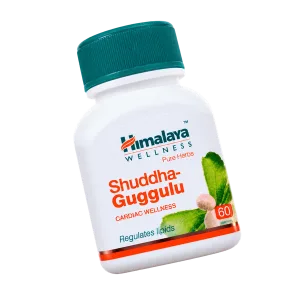
Shuddha Guggulu

Active ingredient: Shuddha Guggulu
60caps
From AED 378.40
bottles
3.8 (4)

Comparison table: High Cholesterol

Common questions

What happens when Lopid is stopped, and does it need tapering?

Stopping Lopid can allow triglycerides or other abnormal lipid values to rise again because the underlying metabolic tendency remains. A taper is not usually required solely to prevent withdrawal symptoms, but the decision to stop should follow a treatment review. The FDA prescribing information for gemfibrozil, updated in 2018, supports reassessing lipid levels and treatment need rather than stopping without follow-up. The next plan may involve continued monitoring, treatment of an underlying condition, or a different lipid-lowering approach. Follow-up timing depends on the baseline triglyceride level and treatment goal.

Can Lopid cause abdominal pain?

Yes. Abdominal pain and dyspepsia are recognised gastrointestinal reactions associated with Lopid therapy. Mild, short-lived discomfort may occur, but severe or persistent pain, vomiting, fever, jaundice, or pain after fatty meals needs prompt assessment for liver or gallbladder disease. The European Medicines Agency's 2010 fibrate review supports evaluating these symptoms rather than assuming they are harmless indigestion.

Can the Lopid tablet be split, crushed, or chewed?

The tablet should be swallowed as directed unless a prescriber or pharmacist has confirmed that splitting is suitable for the specific product. Crushing or chewing can make administration less predictable and may be unsuitable if the tablet has a formulation designed for a particular release pattern. FDA product information from 2018 describes oral tablet administration and supports using the tablet in its intended form. Do not alter it to create a different dose without a specific instruction.

Can Lopid be combined with statins or other lipid medicines?

Combining Lopid with a statin or another fibrate can increase the risk of muscle toxicity, including rhabdomyolysis. The prescriber must review the exact medicines, doses, kidney function, and treatment goals before using a combination. The American College of Cardiology’s 2021 consensus approach supports targeted triglyceride management while avoiding preventable medicine interactions. New muscle pain, weakness, fever, or dark urine requires urgent medical assessment.

Is alcohol allowed while using Lopid?

Alcohol can raise triglycerides and may work against the reason for prescribing Lopid. Heavy or repeated alcohol intake can also increase concern about liver injury and make lipid results harder to interpret. WHO cardiovascular-risk guidance from 2023 treats alcohol reduction as part of risk-factor management. Discuss alcohol intake honestly during treatment reviews, especially when triglycerides remain high or liver tests are abnormal.

Is Lopid suitable for older adults?

Older adults may use Lopid when the expected benefit outweighs the risks, but kidney function, liver function, other medicines, and frailty require closer attention. The risk of muscle toxicity and medicine interactions can increase when several treatments are used together. NICE lipid guidance NG238, published in 2023, supports individualised cardiovascular-risk treatment and monitoring in older people rather than using age alone as an exclusion. Any new weakness, confusion, falls, abdominal pain, or reduced appetite should be reported promptly.

Do you offer anonymous delivery?

Your order will be securely packed and shipped within 24 hours. This is exactly what your package will look like (images of an actual item sent). It has the size and look of a regular private letter (24x11x0.7 cm) and its contents cannot be seen.

Reviews: Lopid

4
Based on 4 reviews
Waleed, 63 Al Qusais Several months
Verified
Rating: 5 out of 5

I used Lopid for several months after triglycerides stayed high despite dietary changes. I did not feel a difference physically, but the follow-up blood test improved. I had mild indigestion during the first week, which settled.

1 Nov 2026
Hassan, 44 Abu Dhabi About a month
Verified
Rating: 3.5 out of 5

The tablets fitted into my morning and evening routine. After about a month, I noticed no symptoms from the medicine, although my doctor still arranged a repeat lipid test. The main difficulty was reducing alcohol at social meals.

6 Oct 2026
Zubair H., 46 Umm Al Quwain Several days
Verified
Rating: 3.5 out of 5

I stopped taking the tablets for several days because I felt well and thought the problem had gone. My triglycerides rose again at the next test. Restarting the routine was easier once I used a phone reminder.

12 Oct 2026
Mohammed, 56 Sharjah
Verified
Rating: 4 out of 5

I developed muscle aching after another cholesterol medicine was added. The treatment was reviewed quickly, and I was told not to make changes without reporting symptoms. The experience made the interaction warnings feel much more practical.

22 Oct 2026

Sources

  1. U.S. Food and Drug Administration (2018). LOPID (gemfibrozil) Tablets, USP Prescribing Information.
  2. European Medicines Agency (2010). Fibrates: referral under Article 31 of Directive 2001/83/EC
  3. National Institute for Health and Care Excellence (2023). Lipid modification: cardiovascular risk assessment and the modification of blood lipids for the primary and secondary prevention of cardiovascular disease, NG238.
Get our free app Shop faster and track your orders 3.9 · 576 reviews Install