My follow-up cholesterol test was better after about eight weeks. I did not feel any different, so the blood test was the only way I knew it was working. I had mild stomach discomfort during the first week, then it settled.
Lipitor lowers cholesterol production in the liver and helps remove low-density lipoprotein from the bloodstream. It is prescribed for adults with high cholesterol, mixed dyslipidemia, hypertriglyceridemia, or increased cardiovascular risk. Its active substance, atorvastatin, supports lower LDL cholesterol and triglycerides alongside dietary measures.
Product information
Lipitor is a prescription statin containing atorvastatin. The medicine belongs to the statin class, also called HMG-CoA reductase inhibitors. Generic atorvastatin contains the same active substance and is prescribed for the same broad lipid-lowering purpose.
Dosage and administration
Lipitor tablets are taken by mouth once daily. Dosing differs between strengths and between users, so there is no single amount that suits everyone.
Common prescribing principles include:
- Adult treatment may begin at a low or moderate daily dose.
- The usual adult dosing range is determined by the prescriber.
- The selected dose depends on baseline LDL-C, the required reduction, cardiovascular risk, and treatment response.
- Dose adjustments are normally assessed through follow-up lipid testing.
- The tablet may be taken at any consistent time of day.
- Treatment is usually continued for as long as cardiovascular risk reduction remains clinically appropriate.
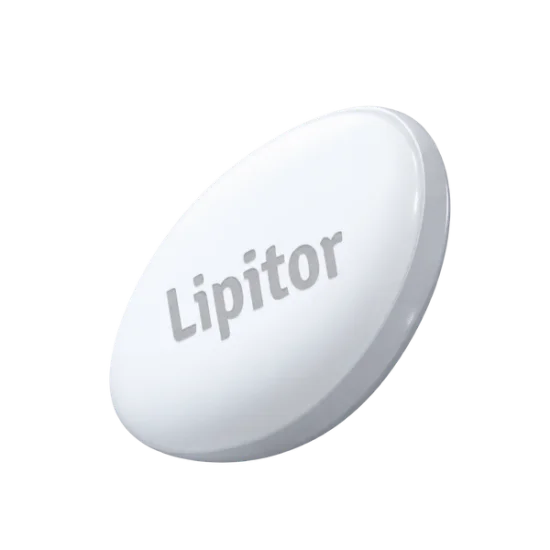
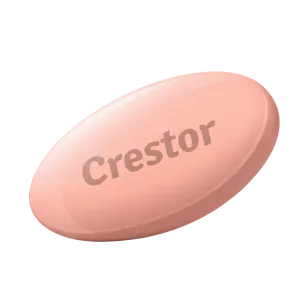
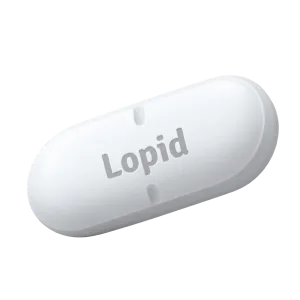
Some patients may receive a lower dose, while others require a higher dose. The product card may show different tablet strengths, but the prescribed strength should not be changed independently.
The FDA Lipitor prescribing information explains that lipid measurements can guide dose adjustment after treatment begins and after changes in therapy [3].
If a dose is missed, take it when remembered unless the next scheduled dose is near. Skipping the missed dose is preferable to taking two doses together. Extra tablets do not compensate for missed treatment and may increase adverse-effect risk.
Do not stop long-term statin therapy solely because cholesterol has improved. The lower result may reflect the medicine’s continuing action.
Ingredients
Atorvastatin is the active pharmaceutical ingredient in Lipitor. The medicine belongs to the statin class, also called HMG-CoA reductase inhibitors. Pharmaceutical formulations use atorvastatin calcium, commonly described chemically as atorvastatin calcium trihydrate.
The tablet releases atorvastatin after oral administration. The active substance then acts mainly in the liver, where cholesterol production and LDL clearance are regulated.
Generic atorvastatin contains the same active substance and is prescribed for the same broad lipid-lowering purpose. The brand name and tablet appearance can differ, while the pharmacological action remains based on atorvastatin.
Atorvastatin is not a short-term pain reliever or a medicine that produces an immediate sensation. Its benefit comes from sustained changes in cholesterol metabolism and long-term reduction of cardiovascular risk.
How it affects the body
Atorvastatin inhibits HMG-CoA reductase, an enzyme used in the liver’s cholesterol-production pathway. Lower cholesterol synthesis inside liver cells triggers an increase in hepatic LDL receptors. These receptors remove more LDL-cholesterol from circulating blood.
The sequence is straightforward:
- Atorvastatin reduces activity of HMG-CoA reductase.
- Liver cholesterol production falls.
- The liver increases LDL receptor expression.
- More LDL particles are taken out of the bloodstream.
- LDL cholesterol levels decline.
The medicine also reduces production of very-low-density lipoprotein particles, which can contribute to lower triglycerides. The size of the response depends on the dose, starting lipid levels, adherence, diet, genetics, and the reason for treatment.
The pharmacological action of statins is described in the European Medicines Agency information for atorvastatin, with LDL-receptor activity forming the central mechanism [2].
Lipitor differs from medicines that reduce cholesterol absorption in the intestine because atorvastatin acts mainly by changing hepatic cholesterol synthesis and LDL clearance. Some patients require one mechanism, while others need more than one lipid-lowering approach.
Therapeutic indications
Lipitor is a prescription statin containing atorvastatin. It is prescribed for adults with high cholesterol, mixed dyslipidemia, hypertriglyceridemia, or increased cardiovascular risk.
Atorvastatin lowers cholesterol production in the liver and helps remove low-density lipoprotein from the bloodstream. It supports lower LDL cholesterol and triglycerides alongside dietary measures [1].
Lipitor may be prescribed for:
- High cholesterol
- Mixed dyslipidemia
- Hypertriglyceridemia
- Increased cardiovascular risk
The treatment plan depends on the person’s baseline LDL cholesterol, the reduction required, cardiovascular risk, and response to treatment. Follow-up lipid testing is normally used to assess whether the dose should be adjusted.
Common mistakes
Several practical mistakes can reduce the benefit of Lipitor:
- Stopping the tablets after the first improved cholesterol result
- Taking two doses after forgetting one
- Changing the dose without a lipid test
- Failing to mention clarithromycin, antifungals, fibrates, or colchicine
- Assuming muscle pain is harmless and continuing despite severe symptoms
- Treating diet changes as a replacement for prescribed therapy
- Taking large amounts of grapefruit without discussing it
- Forgetting to mention herbal products or non-prescription supplements
A frequent misunderstanding is that normal cholesterol means the condition has permanently gone away. The result may be normal because atorvastatin is working. Stopping treatment can allow LDL cholesterol to rise again.
Another common mistake is taking a missed dose too close to the next one. The safer approach is to skip the missed tablet when the next scheduled dose is near, rather than doubling the amount.
When not to use it
Lipitor should not be used in the following situations:
- Active liver disease
- Persistent unexplained elevations of liver transaminases
- Pregnancy
- Breastfeeding
- Previous serious allergic reaction to atorvastatin or an excipient
- A major interaction that cannot be safely managed
When this is not for you
Lipitor is not suitable for everyone. This prescription-only medicine must be used under the supervision of a licensed healthcare professional.
This medication is not for you if
Women who could become pregnant should discuss contraception and pregnancy plans before beginning treatment. Breastfeeding is generally incompatible with atorvastatin treatment because exposure of the infant may be harmful.
People with heavy alcohol use, previous liver disease, untreated hypothyroidism, kidney impairment, or a history of statin-associated muscle symptoms may need closer monitoring. Older age and multiple medicines can also increase muscle toxicity risk.
Possible side effects
Many people tolerate atorvastatin without major problems. Reported adverse effects can include headache, nausea, diarrhoea, constipation, indigestion, and muscle discomfort.
Muscle symptoms deserve practical attention. Mild aches may have several causes, but new unexplained pain, weakness, tenderness, or cramps should be reported, especially when symptoms are severe or affect several muscle groups.
Rare but serious complications include:
- Myopathy
- Myositis
- Rhabdomyolysis
- Significant liver enzyme elevation
- Severe allergic reactions
Rhabdomyolysis involves extensive muscle breakdown and can damage the kidneys. Dark urine, profound weakness, or severe muscle pain requires urgent evaluation.
Atorvastatin can also increase liver enzyme levels. People with liver disease or a history of abnormal liver tests may require additional assessment before treatment and during dose changes.
The FDA safety information describes the recognised muscle and liver risks associated with atorvastatin therapy [4].
One practical detail is easy to miss: muscle pain that starts after adding a new antibiotic or antifungal may reflect an interaction rather than ordinary exercise soreness. Another is that strenuous exercise can also cause muscle symptoms, so timing and symptom severity help clinicians interpret the problem.
Comparison
Statins share a broad mechanism but differ in potency, metabolism, dosing range, and interaction profile. The choice depends on the LDL reduction required, existing conditions, concurrent medicines, and treatment tolerance.
| Active ingredient | Pharmacological profile | Clinical distinction |
|---|---|---|
| Atorvastatin | High-intensity potential; hepatic HMG-CoA reductase inhibition | Broad dose range and strong LDL reduction |
| Rosuvastatin | High-intensity potential; HMG-CoA reductase inhibition | Potent LDL reduction with different clearance characteristics |
| Simvastatin or pravastatin | Moderate-intensity options at common doses | May suit selected patients needing less intensive treatment |
Atorvastatin and rosuvastatin can both provide high-intensity statin therapy at appropriate doses. Rosuvastatin is less dependent on CYP3A4 metabolism, while atorvastatin has more interaction potential with strong CYP3A4 inhibitors.
Pravastatin has fewer CYP-mediated interactions and may be selected when interaction risk is a central concern, although its LDL-lowering strength differs. Simvastatin can reduce LDL cholesterol but has more dose-related interaction restrictions.
Combination therapy may involve a statin plus an intestinal cholesterol-absorption inhibitor when one medicine does not reach the required LDL-C reduction. Combination treatment must be individually prescribed.
What doctors say
In clinical practice, doctors usually explain that Lipitor reduces risk over time rather than creating an immediate change that a patient can feel. The treatment decision is based on cardiovascular risk and lipid results, not on symptoms alone.
A physician may repeat a lipid panel after treatment begins or after a dose change. Liver tests and other assessments are selected according to medical history and symptoms. Creatine kinase testing is generally considered when muscle symptoms or specific risk factors are present.
Doctors also look for reversible contributors to high cholesterol, such as untreated thyroid disease, uncontrolled diabetes, excess alcohol, or medicines that affect lipid levels. Treating these factors can improve the response to atorvastatin.
The limitation is clear: a high-intensity statin dose may produce a larger LDL reduction but can also increase the chance of dose-related adverse effects. A lower dose may be better tolerated but may not reach the intended LDL-C goal.
Comparison
Common questions
How long does a Lipitor course last, and is long-term use acceptable?
Lipitor is often used for months or years when ongoing LDL reduction is needed. The FDA Lipitor information available in 2023 describes treatment as part of continuing cardiovascular risk management rather than a fixed short course. Long-term use can be appropriate when the expected benefit remains greater than the patient’s individual risks. Follow-up lipid testing and review of adverse effects help determine whether treatment should continue. The treatment plan should be reassessed when health conditions or other medicines change.
Can the Lipitor tablet be split, crushed, or chewed?
The EMA atorvastatin information available in 2021 describes oral tablet administration, but tablet handling depends on the specific product design. Do not crush or chew a tablet unless the prescriber or dispensing pharmacist confirms that the supplied form permits it. Splitting may also produce unequal portions if the tablet is not designed for division. A swallowing problem should be discussed before changing the tablet physically.
What should happen after a missed Lipitor dose?
The FDA patient instructions available in 2023 advise taking a missed dose when remembered unless the next dose is close. In that situation, the missed tablet should be skipped. Two doses should not be taken together to compensate. A single missed dose usually does not require emergency treatment, but repeated missed doses can reduce the sustained lipid-lowering effect.
How long does one Lipitor dose keep working?
Atorvastatin is designed for once-daily treatment because its pharmacological effect continues beyond the time when the medicine is present at its highest blood concentration. EMA information from 2021 describes the ongoing hepatic mechanism involving HMG-CoA reductase and LDL-receptor activity. The cholesterol response develops through regular dosing rather than a sudden short-lived effect. Missing doses repeatedly can weaken that pattern.
What is the best time of day to take Lipitor?
Lipitor can generally be taken once daily at a consistent time, according to the FDA prescribing information available in 2023. Morning or evening dosing may be selected around the patient’s routine and other medicines. Consistency matters more than choosing a special hour for most people taking atorvastatin. An evening routine may be useful when it reduces forgotten tablets, but it is not a requirement for every patient.
Can Lipitor be taken with food or on an empty stomach?
Atorvastatin tablets can generally be taken with food or without food, according to EMA information available in 2021. Taking the tablet with a regular meal may help some people remember it, while others prefer an empty-stomach routine. Grapefruit intake deserves separate attention because large quantities can affect atorvastatin exposure. Alcohol use should also be discussed when there is liver disease or a history of abnormal liver tests.
Do you offer anonymous delivery?
Your order will be securely packed and shipped within 24 hours. This is exactly what your package will look like (images of an actual item sent). It has the size and look of a regular private letter (24x11x0.7 cm) and its contents cannot be seen.
Reviews: Lipitor
The tablets fitted into my evening routine. I missed one dose while travelling and took two the next night, which was a mistake. The clinic told me to return to the normal schedule, and I had no further problem.
My LDL result improved, but I still needed to reduce fried food and review my other medicines. I noticed mild leg aching after starting a new antibiotic, and the doctor checked the combination.
The medicine lowered my cholesterol, but I developed persistent muscle soreness after a dose increase. It improved after medical review and a change in treatment. The main lesson was not to ignore symptoms.
I expected a quick sensation, but there was none. The benefit appeared in the laboratory results. Remembering the tablet became easier when I connected it with dinner.
Sources
- U.S. Food and Drug Administration (2023). Lipitor (atorvastatin calcium) Prescribing Information
- European Medicines Agency (2021). Atorvastatin: Summary of Product Characteristics
- National Institute for Health and Care Excellence (2023). Cardiovascular disease: risk assessment and reduction, including lipid modification
- European Society of Cardiology and European Atherosclerosis Society (2019). Guidelines for the management of dyslipidaemias: lipid modification to reduce cardiovascular risk