My pulse had felt too fast when I climbed stairs, and it became steadier after the first few weeks. I felt tired in the evenings at first, then that eased. I started writing down my pulse rather than guessing from how I felt.
Propranolol
Propranolol contains propranolol hydrochloride, a non-selective beta-blocker for adults whose treatment plan requires slower cardiac activity or reduced adrenaline-driven symptoms. Its established uses include cardiovascular control, migraine prevention, tremor, and physical symptoms of situational anxiety.
Product information
Propranolol contains propranolol hydrochloride, a non-selective beta-blocker for adults whose treatment plan requires slower cardiac activity or reduced adrenaline-driven symptoms.
Propranolol belongs to the beta-blocker class.
Dosage and administration
The tablets on this page are taken orally.
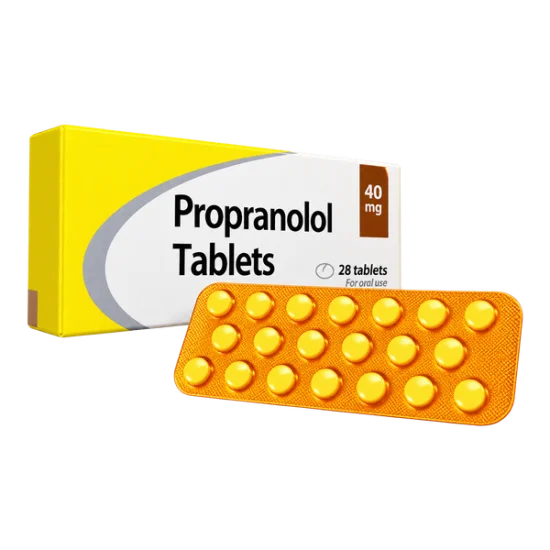
This product contains propranolol and is supplied as 28 oral tablets. How much to use and how often depends on the purpose of use and is agreed with a doctor or pharmacist.
A treatment plan may differ sharply between long-term blood pressure management, migraine prevention, tremor, and occasional physical anxiety symptoms. Taking more tablets to obtain a stronger calming effect is unsafe because the main pharmacological action is a reduction in heart rate and blood pressure.
- Take the prescribed amount at the same time or times each day when Propranolol is used regularly.
- Swallow the tablet whole with water.
- Keep the timing consistent in relation to meals if regular treatment has been prescribed.
- If a dose is missed, take it when remembered unless the next scheduled dose is near.
- Do not take two doses together to compensate for a missed tablet.
- Do not stop regular Propranolol abruptly without a planned reduction.
Ingredients
Propranolol contains propranolol hydrochloride, a non-selective beta-blocker. It is intended for adults whose treatment plan requires slower cardiac activity or reduced adrenaline-driven symptoms.
How it affects the body
It blocks beta-1 and beta-2 adrenergic receptors, which are receptors through which adrenaline and noradrenaline increase heart rate, force of contraction, tremor, and sweating. By reducing this response, Propranolol lowers cardiac workload and can ease physical adrenaline symptoms. [1]
The effect is physical rather than sedating. Some people describe a calmer feeling because their racing heart, shaking hands, flushing, and palpitations reduce. The medicine does not directly remove stressful thoughts or treat the underlying cause of anxiety.
Receptor Selectivity Profile
Propranolol is non-selective. This means it blocks beta receptors in the heart and blood vessels, as well as receptors in the lungs, liver, and skeletal muscles. That broad action explains both its clinical usefulness and its key limitation: it can narrow the airways in susceptible people.
Beta-1 blockade slows the heart rate and reduces the force of each heartbeat. Beta-2 blockade can reduce tremor and some physical effects of adrenaline, yet it may also trigger bronchospasm in people with asthma.
Therapeutic indications
Propranolol has several established clinical roles. The exact reason for treatment determines the dose schedule, treatment duration, and the desired response.
| Clinical purpose | How Propranolol helps | Expected treatment focus |
|---|---|---|
| High blood pressure or certain fast rhythms | Reduces heart rate and cardiac output | Steadier cardiovascular control |
| Migraine prevention | Modulates adrenergic activity involved in migraine susceptibility | Fewer migraine attacks over time |
| Essential tremor or situational anxiety symptoms | Reduces adrenaline-related tremor and palpitations | Less shaking, pounding heartbeat, and sweating |
Cardiovascular Management
For hypertension, certain tachyarrhythmias, angina, and post-heart-attack care, beta-blockers reduce sympathetic stimulation of the heart. Propranolol may be selected when controlling heart rate is a central treatment goal. It is not suitable for every form of high blood pressure, and it is not usually stopped suddenly after long-term use because rebound tachycardia or raised blood pressure can occur.
The World Health Organization includes propranolol among essential beta-blocking medicines, reflecting its established role across several cardiovascular and neurological indications. [2] The European Medicines Agency provides product information for propranolol. Doctors often monitor pulse, blood pressure, dizziness, exercise tolerance, and breathing symptoms after initiating or changing treatment.
Neurological and Somatic Applications
Propranolol is also used to prevent migraine attacks. It does not stop an established migraine once pain has begun. A preventive benefit is assessed by changes in attack frequency and severity over sustained use, not after a single tablet. NICE includes propranolol among preventive options for migraine where appropriate. [3]
For performance anxiety, Propranolol mainly targets the body’s alarm response. It can reduce hand tremor, voice shakiness, sweating, and a forceful heartbeat before a specific stressful event. It does not treat persistent anxiety disorders in the same way as psychological therapy or medicines that alter serotonin or noradrenaline pathways.
Common mistakes
- Stopping regular tablets suddenly after feeling better.
- Taking an additional tablet for nervousness without considering pulse and blood pressure.
- Assuming wheezing is seasonal allergies rather than a possible beta-blocker reaction.
- Combining Propranolol with verapamil or diltiazem without cardiovascular review.
- Ignoring reduced awareness of hypoglycaemia during diabetes treatment.
- Expecting Propranolol to resolve persistent worry, avoidance, panic thoughts, or depression.
Alcohol can increase dizziness and light-headedness, especially when treatment is new or the dose has changed. Heavy alcohol intake may also destabilise blood pressure, sleep, migraine patterns, and blood glucose control.
When not to use it
Propranolol is not for you if you have bronchial asthma, a history of serious bronchospasm, marked bradycardia, certain heart conduction disorders, cardiogenic shock, or uncontrolled heart failure. These conditions can worsen when beta-receptor activity is blocked.
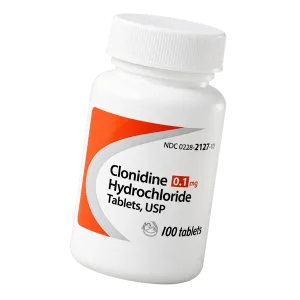
Propranolol can interact with calcium-channel blockers that slow cardiac conduction, including verapamil and diltiazem. The combination can produce excessive bradycardia, low blood pressure, or heart block. Other relevant medicines include digoxin, clonidine, antiarrhythmics, insulin, sulfonylureas, and medicines that lower blood pressure.
The FDA prescribing information also warns against abrupt withdrawal after regular treatment, especially in people with coronary artery disease. [5]
When this is not for you
Avoid starting or changing Propranolol without a prescriber’s review if any of the following apply:
- Asthma, recurrent wheeze, chronic obstructive airway disease, or frequent use of reliever inhalers.
- A very slow resting pulse, fainting episodes, or diagnosed atrioventricular block.
- Severe peripheral circulation problems, including painful cold fingers or toes.
- Diabetes treated with insulin or glucose-lowering medicines.
- Untreated phaeochromocytoma without appropriate alpha-blockade.
- Pregnancy or breastfeeding, where the maternal benefit and fetal or newborn risks need individual assessment.
Possible side effects
Many people tolerate Propranolol well when the dose matches their clinical needs. Fatigue, dizziness, cold hands or feet, sleep disturbance, vivid dreams, nausea, and reduced exercise tolerance can occur. These effects are often more noticeable early in treatment or after a dose increase.
A slower pulse is an expected pharmacological effect. It becomes a concern when it is accompanied by fainting, severe weakness, chest discomfort, confusion, or breathlessness. Wheezing is also significant because Propranolol can block beta-2 receptors in the airways.
Some men report erectile difficulties during beta-blocker treatment. The symptom can also be linked to hypertension, diabetes, smoking, vascular disease, stress, or other medicines. A clear timeline between starting Propranolol and the change in sexual function helps the prescriber assess the likely cause.
People with diabetes need extra awareness. Propranolol can mask warning signs of low blood glucose, such as a racing heartbeat and tremor. Sweating may still occur, so glucose monitoring and recognition of individual warning patterns remain important.

Comparison
| Treatment approach | Main action | Typical role |
|---|---|---|
| Propranolol | Blocks beta-adrenergic receptors | Physical symptoms such as palpitations, tremor, and adrenaline-driven fast pulse |
Propranolol can reduce physical symptoms within hours, depending on the treatment plan and individual response. SSRIs and bupropion are taken consistently and usually require weeks before mood or persistent anxiety symptoms improve. Beta-blockers therefore have a narrower role in anxiety care: they may help with bodily symptoms but do not replace treatment for an anxiety disorder itself. A 2016 systematic review found limited evidence for routine propranolol use across anxiety disorders, even though short-term physical symptom relief can be useful in selected situations. [4]
What doctors say
In clinical practice, doctors often distinguish between a fast heartbeat caused by anxiety and a rhythm problem that needs cardiac investigation. Propranolol may reduce the sensation of a pounding heart, yet recurring palpitations with chest pain, collapse, or breathlessness still require assessment.
For migraine prevention, clinicians look for trends over time. A diary showing headache days, severity, triggers, and use of acute pain medicines is more useful than judging treatment from one difficult week. For tremor, function matters: writing, holding a cup, typing, or speaking may become easier even if the tremor does not disappear entirely.
Doctors also review resting pulse before escalation. Someone who feels calm but develops dizziness while standing may be experiencing too much blood-pressure or heart-rate reduction rather than a failure of treatment.
Comparison
Common questions
Can Propranolol be used by children or teenagers?
Propranolol is used in paediatric care for selected conditions, yet the indication, dose, monitoring, and formulation must be set by a clinician experienced in treating younger patients. The 40 mg tablet strength is not automatically appropriate for a child or teenager. The WHO Model List of Essential Medicines for Children (2023) includes propranolol for specific clinical uses, which does not make it a general treatment for school stress or ordinary nervousness.
Does Propranolol cause fatigue?
Yes, fatigue is a recognised effect because beta-blockade slows the cardiovascular response that normally supports exertion. It can feel like reduced stamina, heavy legs during exercise, or sleepiness in the first part of treatment. The FDA prescribing information (2011) lists fatigue, dizziness, and sleep-related effects among reported adverse reactions. Persistent fatigue with faintness, a very slow pulse, or shortness of breath needs clinical review.
Can Propranolol be combined with calcium-channel blockers?
Some combinations are used under specialist direction, yet verapamil and diltiazem deserve special caution because they also slow the heart and reduce conduction through the atrioventricular node. Combining them with Propranolol can cause marked bradycardia, low blood pressure, or heart block. FDA safety information from 2011 describes this cardiovascular interaction risk. Amlodipine acts differently, though it can still add to blood-pressure lowering.
What is the best time of day to take Propranolol?
The best timing follows the prescribed purpose and schedule rather than a universal morning or evening rule. For regular treatment, the priority is taking it consistently at the same time each day, so blood levels and cardiovascular effects remain predictable. For migraine prevention, NICE guidance from 2012 assesses benefit through sustained use rather than the time of a single dose. If tiredness or vivid dreams appear, the prescriber may adjust timing or treatment strategy.
Which habits help or hinder Propranolol treatment?
Regular hydration, steady meals, gentle activity that matches cardiovascular capacity, and consistent sleep can support blood-pressure, migraine, and anxiety symptom control. Alcohol can increase dizziness, while sudden strenuous exercise may feel harder because the heart rate cannot rise as freely on a beta-blocker. People with diabetes should maintain their glucose-monitoring routine because Propranolol can mask warning symptoms of hypoglycaemia. The 2016 review in the Journal of Psychopharmacology also supports keeping expectations realistic when Propranolol is used for anxiety symptoms: it targets the physical response, not every driver of anxiety.
Do you offer anonymous delivery?
Your order will be securely packed and shipped within 24 hours. This is exactly what your package will look like (images of an actual item sent). It has the size and look of a regular private letter (24x11x0.7 cm) and its contents cannot be seen.
Reviews: Propranolol
I used it under a planned schedule before work presentations. My hands shook less and my voice did not tremble as much. The first time I felt a little light-headed, so I avoided driving until I knew how it affected me.
Holding a cup and signing documents became easier. I still had tremor when I was tired, but it was less obvious. My doctor kept checking my pulse because it runs low naturally.
I had fewer migraine days by the second month, although I still needed rest when one started. My dreams became unusually vivid for a while, which was annoying but manageable.
The palpitations settled, but cold hands bothered me in office air conditioning. I also learned not to miss several days and then restart on my own. Keeping to the same routine made a difference.
Sources
- U.S. Food and Drug Administration (2011). INDERAL (propranolol hydrochloride) Tablets Prescribing Information.
- World Health Organization (2023). WHO Model List of Essential Medicines.
- National Institute for Health and Care Excellence (2012). Headaches in over 12s: Diagnosis and Management.
- Journal of Psychopharmacology (2016). Propranolol for the Treatment of Anxiety Disorders: Systematic Review and Meta-Analysis.
- U.S. Food and Drug Administration (2011). INDERAL (propranolol hydrochloride) Tablets: Drug Interactions and Warnings.