Skip to content
Prasugrel
Active ingredient: Prasugrel

Prasugrel

Quality products
24/7 Support
Fast delivery
Delivery from 4 days
Select pack Package Per unit Price

Free delivery on orders from AED 860.00, free express delivery from AED 1,290.00

Secure Payments
Track your order
Best price guarantee

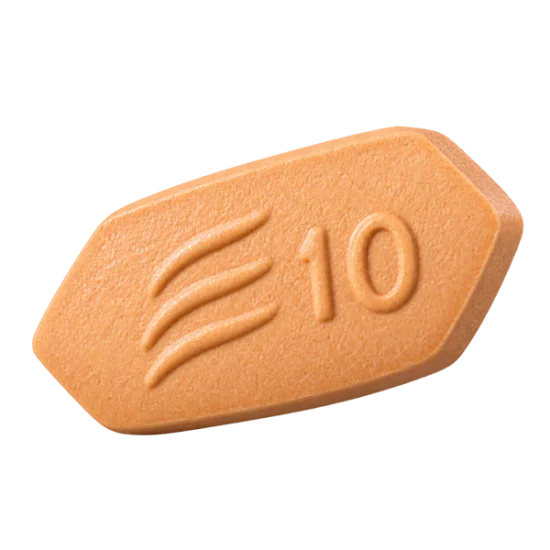
Prasugrel reduces the ability of blood platelets to form harmful clots by blocking the P2Y12 signalling pathway. It is used with aspirin in adults with acute coronary syndrome who are undergoing percutaneous coronary intervention, helping lower the risk of stent thrombosis and further cardiovascular events.

Product information

Prasugrel belongs to the antiplatelet agents known as thienopyridines. The active substance is prasugrel, commonly formulated as prasugrel hydrochloride in tablets.

Dosage and administration

Prasugrel treatment for PCI usually begins with a clinician-directed loading regimen, followed by a once-daily maintenance regimen. It is used alongside low-dose aspirin as dual antiplatelet therapy.

The chosen strength and regimen are confirmed with a healthcare professional before starting. Prescribers may use a modified maintenance approach for people with low body weight, and they assess use very carefully in older adults because bleeding risk rises with age.

Practical administration points include:

  • Take the tablet once daily at a consistent time.
  • Swallow the tablet whole with water.
  • Continue aspirin exactly as directed when it forms part of the treatment plan.
  • If a dose is missed, take it when remembered on the same day unless the next scheduled dose is close.
  • Do not take two tablets together to make up for a missed dose.
  • Do not stop prasugrel after a stent procedure without the cardiologist’s instruction.

A missed dose should not trigger double dosing. The main risk of stopping early is loss of protection against clot formation, while taking extra tablets can increase bleeding.

Keep a written list of your antiplatelet treatment in your wallet or phone. It helps emergency, dental, and surgical teams recognise why bleeding control may need extra planning.

Ingredients

The active substance is prasugrel, commonly formulated as prasugrel hydrochloride in tablets.

How it affects the body

After swallowing a tablet, prasugrel is absorbed and converted in the liver into an active metabolite. This metabolite binds irreversibly to the platelet P2Y12 receptor.

ADP is a natural chemical messenger that activates platelets. When ADP reaches the P2Y12 receptor, platelets change shape, release further signals, and become stickier. This process is called platelet activation. Prasugrel blocks that receptor pathway, reducing platelet aggregation and limiting the growth of an arterial clot.

The word irreversible describes the platelet effect, not the fact that the medicine remains in the blood indefinitely. A platelet exposed to prasugrel remains less responsive for the rest of its lifespan, while the body gradually produces new platelets.

Therapeutic indications

Prasugrel is used in acute coronary syndrome, a group of urgent heart conditions that includes unstable angina and myocardial infarction. Its established role is in patients undergoing percutaneous coronary intervention, often called PCI, where a catheter procedure may open a narrowed coronary artery and place a stent.

A stent restores blood flow, but the body can recognise it as a surface on which platelets may attach. Stent thrombosis is the sudden formation of a clot inside the stent. It can cause a heart attack and requires urgent treatment. Prasugrel reduces this risk by making platelets less able to bind together.

Cardiologists also assess the wider picture: the type of acute coronary syndrome, the planned procedure, body weight, age, previous stroke history, kidney function, and the person’s baseline bleeding risk. Prasugrel is powerful. That is why selection matters.

The European Society of Cardiology recommends a P2Y12 inhibitor with aspirin as dual antiplatelet therapy for suitable patients with acute coronary syndromes undergoing PCI, with the specific agent chosen according to ischaemic and bleeding risks. [1]

Common mistakes

Several avoidable errors can undermine treatment or increase bleeding risk.

  • Stopping tablets because bruises look alarming without first discussing the symptom with the cardiology team.
  • Taking an extra tablet after forgetting a dose.
  • Using over-the-counter anti-inflammatory painkillers for back pain, dental pain, or a cold without checking interaction risks.
  • Failing to mention prasugrel before dental extraction, surgery, colonoscopy, or emergency treatment.
  • Assuming all antiplatelet tablets can be swapped without a prescriber’s plan.
  • Crushing or chewing tablets to make them easier to swallow.

Do not split, crush, or chew Prasugrel tablets unless a clinician specifically directs it. A whole tablet provides the intended administration method and reduces confusion about whether the full daily dose has been taken.

If swallowing tablets is difficult, raise this before treatment starts. The prescriber can decide whether a different administration plan or an alternative antiplatelet option is appropriate.

When not to use it

Prasugrel is not for you if you have active pathological bleeding, such as ongoing gastrointestinal bleeding or bleeding inside the skull. It is also contraindicated for anyone with a previous stroke or transient ischaemic attack.

It is generally avoided in people aged 75 years or older unless a cardiologist judges that the expected cardiovascular benefit outweighs the increased bleeding risk. Low body weight also requires an individualised treatment plan.

Extra caution is needed with:

  • Warfarin and other anticoagulants, including apixaban, rivaroxaban, dabigatran, and heparin.
  • Non-steroidal anti-inflammatory medicines such as ibuprofen, diclofenac, and naproxen.
  • Selective serotonin reuptake inhibitors and serotonin–noradrenaline reuptake inhibitors, which can add to bleeding tendency.
  • Long-term systemic corticosteroids, which may raise gastrointestinal bleeding risk.
  • Significant liver disease or a history of stomach ulcer bleeding.
  • Pregnancy or breastfeeding, where the prescriber weighs maternal need against limited clinical data.

Aspirin is often deliberately combined with prasugrel after PCI. Adding any further medicine that affects clotting is different and requires a prescriber-led decision.

When this is not for you

This treatment may not be suitable if you have had a stroke or transient ischaemic attack, have active bleeding, are aged 75 or older, or have a low body weight. Tell your doctor if you take anticoagulants, anti-inflammatory painkillers, antidepressants, or other medicines that can increase bleeding.

Possible side effects

Bleeding is the central safety issue with prasugrel. Nosebleeds, gum bleeding, bruising, bleeding that takes longer to stop after a small cut, and heavier menstrual bleeding can occur. Some people report headache, nausea, or indigestion, though any new symptom should be interpreted in the context of antiplatelet therapy.

Major bleeding is less common but more serious. Warning signs include red or dark urine, black tarry stools, vomiting blood, coughing blood, unexplained weakness, fainting, prolonged nosebleeds, or a sudden neurological symptom such as facial drooping or difficulty speaking.

Falls need more attention during treatment. A head injury can bleed internally even when there is no visible wound or only a minor bump.

Avoid starting ibuprofen, naproxen, diclofenac, or aspirin-containing cold remedies on your own. These medicines may increase gastrointestinal bleeding risk when combined with dual antiplatelet therapy.

Planned dental work, surgery, endoscopy, or injections into deep tissue may require a coordinated plan. The clinician performing the procedure and the cardiology team need to weigh procedure-related bleeding against the danger of interrupting antiplatelet protection.

Comparison

P2Y12 inhibitors differ in how consistently they inhibit platelets, how quickly they act, and which patients are suitable for them. Prasugrel, clopidogrel, ticagrelor, and ticlopidine all affect platelet ADP signalling, though their clinical roles are not interchangeable.

Medicine or category Platelet effect Main clinical consideration
Prasugrel Potent, irreversible P2Y12 inhibition Used for selected acute coronary syndrome patients undergoing PCI; bleeding risk requires careful screening
Clopidogrel Irreversible P2Y12 inhibition with more variable response Reduced response can occur because activation depends on metabolic pathways and drug interactions
Ticagrelor Direct, reversible P2Y12 inhibition Often used in acute coronary syndromes; breathlessness and twice-daily dosing can affect suitability

Clopidogrel has a less predictable effect in some people because genetic differences, drug interactions, and reduced metabolic activation may lead to high on-treatment platelet reactivity. This is sometimes described as clopidogrel resistance, though the issue is more accurately variable response rather than complete absence of effect.

Ticlopidine is an older thienopyridine that is rarely chosen in modern cardiology because of its adverse-effect profile and monitoring burden. Prasugrel can provide stronger and more consistent platelet inhibition than clopidogrel, but this benefit comes with more bleeding in vulnerable groups. The TRITON–TIMI 38 trial found fewer ischaemic events with prasugrel than clopidogrel in acute coronary syndrome patients scheduled for PCI, alongside a higher rate of major bleeding. [2]

What doctors say

In clinical practice, cardiologists often focus less on whether prasugrel is “stronger” and more on whether the person is a strong candidate for it. A younger PCI patient with a high risk of recurrent coronary clotting may benefit from reliable platelet inhibition. A patient with prior stroke, frailty, recurrent gastrointestinal bleeding, or several medicines that affect clotting needs a different approach.

Doctors also see a recurring problem after hospital discharge: people feel well, assume the emergency has passed, and interrupt treatment. The stent may still be present, and the risk linked to premature interruption can be serious. Consistency protects the result of the procedure.

WHO identifies ischaemic heart disease as a major component of cardiovascular disease burden, which is why evidence-based prevention of recurrent coronary events remains a central part of cardiac care. [3]

Comparison

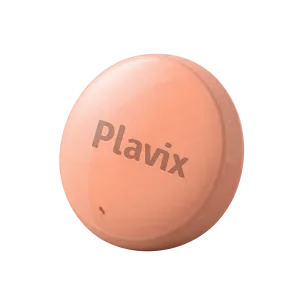
Plavix

Active ingredient: Clopidogrel
75mg
From AED 219.30
pills
4.3 (4)

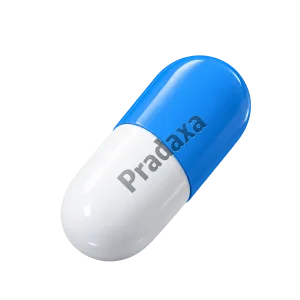
Pradaxa

Active ingredient: Dabigatran etexilate
110mg 150mg 75mg
From AED 460.10
capsules
4 (5)

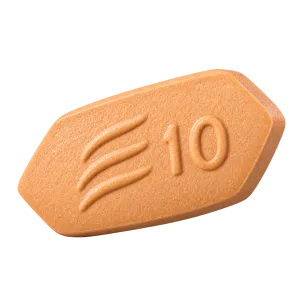
Prasugrel Current

Active ingredient: Prasugrel
10mg 5mg
From AED 331.10
pills
4.1 (5)

Comparison table: Blood thinners

Common questions

What should I discuss with my doctor before starting Prasugrel?

Discuss any previous stroke or transient ischaemic attack, current or past bleeding, stomach ulcers, liver disease, low body weight, and planned surgery or dental procedures. Provide a full list of medicines, including anticoagulants, anti-inflammatory painkillers, antidepressants, and herbal products that may affect bleeding. The European Medicines Agency lists active bleeding and previous stroke or TIA among key situations where prasugrel must not be used. [4] The EMA product information from 2023 provides the same contraindication guidance.

Can Prasugrel be taken with food or on an empty stomach?

Prasugrel tablets can generally be taken with or without food. Choose a regular time that fits the prescribed daily schedule, since adherence matters more than whether it is taken before or after a meal. Taking it with food may feel more comfortable for a person who experiences nausea or stomach upset. Aspirin taken alongside it may have its own food-related instructions, so follow the regimen agreed by the treating clinician. The FDA's 2019 EFFIENT prescribing information supports administration with or without food.

Does Prasugrel affect driving, concentration, or work with machinery?

Prasugrel does not usually cause sedation or directly impair concentration. Driving should be avoided if dizziness, faintness, severe headache, weakness, or visual disturbance occurs, because these symptoms need assessment rather than being dismissed as a routine tablet effect. The period after acute coronary syndrome or PCI may itself involve restrictions on driving or safety-sensitive work. Cardiology advice about return to work takes priority over the tablet’s usual effect profile. The EMA's 2023 Efient product information describes no expected direct effect on driving ability.

Can Prasugrel tablets be split, crushed, or chewed?

Swallow Prasugrel tablets whole with water unless the prescriber has provided a different instruction. Crushing or chewing can make it harder to confirm that the complete dose was taken and may create dosing errors when more than one antithrombotic medicine is used. If swallowing is difficult, discuss it before changing the tablet. A clinician can assess the safest option without interrupting antiplatelet protection. The FDA label issued in 2019 should be checked for tablet-handling instructions.
How soon does Prasugrel’s effect become noticeable?

Prasugrel works on platelets rather than producing a sensation that a person can feel. The loading regimen used around PCI is designed to establish platelet inhibition promptly, while the daily regimen maintains that effect. You should not judge response by chest symptoms, bruising, or how energetic you feel. New chest pain, breathlessness, fainting, or neurological symptoms require urgent medical assessment regardless of adherence. The 2023 European Society of Cardiology guidelines place these symptoms within the broader context of urgent coronary assessment.

How long does a Prasugrel course last, and can it be used long term?

Treatment duration after acute coronary syndrome and stenting is individualised. The cardiologist weighs the ongoing risk of coronary clotting against the person’s bleeding risk, procedure details, and tolerance of dual antiplatelet therapy. Long-term use can be appropriate for selected patients, though the plan should be reviewed at follow-up rather than continued or stopped independently. Never taper or discontinue prasugrel without the clinician managing the coronary treatment. The 2023 European Society of Cardiology guidelines describe treatment duration as a balance between ischaemic and bleeding risks.

Do you offer anonymous delivery?

Your order will be securely packed and shipped within 24 hours. This is exactly what your package will look like (images of an actual item sent). It has the size and look of a regular private letter (24x11x0.7 cm) and its contents cannot be seen.

Reviews: Prasugrel

4.1
Based on 5 reviews
Ali, 31 Al Dhaid
Verified
Rating: 4.5 out of 5

I took it with aspirin after leaving hospital. The main issue was bruising around blood-test sites, but it settled. I set an alarm because missing a tablet made me anxious after the cardiologist explained why the stent needed protection.

5 Nov 2026
Yousef, 62 Ruwais Four months
Verified
Rating: 3.5 out of 5

The routine was easy once I placed the tablets beside my morning water. I had two nosebleeds during the first month, both stopped with pressure. My doctor reviewed the bleeding history and kept me on the same plan.

9 Oct 2026
Waleed M., 63 Umm Al Quwain
Verified
Rating: 5 out of 5

I felt normal after the procedure and nearly stopped early because I thought the tablets were only for chest pain. The follow-up appointment made it clear that they were for clot prevention. I had no major bleeding, only a few more bruises than usual.

16 Oct 2026
Adnan, 68 Liwa
Verified
Rating: 4 out of 5

The treatment was manageable, but a dental appointment needed to be moved while the specialists agreed on the timing. That was frustrating. It did make me more careful about telling every clinician that I was taking an antiplatelet tablet.

23 Oct 2026
Mark T., 35 Al Majaz Three months
Verified
Rating: 3.5 out of 5

I had mild stomach discomfort during the first week, though it was hard to know whether aspirin was part of it. Taking the medicines at the same time each day helped. I avoided ibuprofen for a sports injury after checking with my cardiac team.

1 Nov 2026

Sources

  1. European Society of Cardiology (2023). 2023 ESC Guidelines for the management of acute coronary syndromes.
  2. New England Journal of Medicine (2007). Prasugrel versus Clopidogrel in Patients with Acute Coronary Syndromes.
  3. WHO (2023). Cardiovascular diseases.
  4. EMA (2023). Efient: EPAR – Product Information.
Get our free app Shop faster and track your orders 3.9 · 576 reviews Install