Skip to content
Diclofenac
Active ingredient: Diclofenac

Diclofenac

Quality products
24/7 Support
Fast delivery
Delivery from 4 days
Select pack Package Per unit Price

Free delivery on orders from AED 860.00, free express delivery from AED 1,290.00

Secure Payments
Track your order
Best price guarantee

Diclofenac tablets are taken by mouth, usually with food or milk, to relieve pain and inflammation. They are used for arthritis, sprains, back pain, muscle injuries, migraine, dental pain, and some postoperative pain.

Product information

Diclofenac belongs to the non-steroidal anti-inflammatory drug class, or NSAIDs, and reduces swelling by lowering the production of inflammatory prostaglandins. Diclofenac is an anti-inflammatory painkiller for short-term or carefully monitored treatment. Oral tablets affect the whole body, so the choice depends on medical history, other medicines, kidney function, stomach health, and cardiovascular risk.

Dosage and administration

For oral diclofenac tablets:

  • Take the prescribed amount by mouth.
  • Swallow the tablet with water.
  • Take it with food or milk when advised.
  • Follow the prescribed frequency.
  • Use the shortest treatment duration that controls the condition.
  • Do not take a second NSAID for extra pain relief unless specifically instructed.
  • If a dose is missed, take it when remembered unless the next dose is due soon.
  • Do not double the next dose.

Do not use the number of tablets as a measure of treatment strength. Different tablets can contain different amounts or use different release systems. The product’s dosage regimen must come from the prescription or regulatory directions for the specific formulation.

Older adults may experience more gastrointestinal, kidney, or cardiovascular complications, even when treatment seems familiar. Dehydration can increase kidney stress, so vomiting, diarrhoea, fever, or very low fluid intake should be reported before continuing systemic NSAID treatment.

Keep a written list of every painkiller you use, including cold remedies and aspirin products. Several over-the-counter medicines may contain an NSAID, and accidental duplication is a common cause of stomach and kidney problems.

How it affects the body

Diclofenac is a non-steroidal anti-inflammatory drug that inhibits cyclo-oxygenase enzymes, known as COX-1 and COX-2. These enzymes help the body produce prostaglandins, chemical messengers involved in pain, swelling, fever, and inflammation.

Lower prostaglandin production reduces the sensitivity of pain receptors and limits inflammatory swelling. Diclofenac also has effects on inflammatory pathways beyond COX inhibition, which helps explain its clinical activity in joint and soft-tissue conditions.

Diclofenac is sometimes described as having partial COX-2 selectivity. It is not a fully selective COX-2 inhibitor. This distinction matters because COX-1 supports protective functions in the stomach and helps maintain platelet activity, while COX-2 is more strongly involved in inflammation.

The European Medicines Agency has highlighted cardiovascular precautions for systemic diclofenac, especially when treatment is prolonged or the patient has cardiovascular risk factors [2].

Therapeutic indications

Diclofenac may be prescribed for:

  • Osteoarthritis and rheumatoid arthritis
  • Acute back pain and neck pain
  • Sprains, strains, and other soft-tissue injuries
  • Painful musculoskeletal inflammation
  • Acute gout attacks
  • Migraine attacks
  • Dental pain and pain after dental surgery
  • Short-term pain after surgery
  • Menstrual pain

Treatment is usually directed at the lowest suitable exposure for the shortest practical period. Clinical guidelines from NICE place NSAIDs within a broader plan that may also include movement, physiotherapy, weight management, or treatment of the underlying condition [1].

Take oral diclofenac with food or milk unless a prescriber has given different instructions. This can reduce stomach irritation, although it does not remove the risk of ulceration or bleeding.

Common mistakes

Frequent mistakes include:

  • Taking diclofenac together with ibuprofen or naproxen
  • Using leftover tablets for a new pain problem
  • Crushing a modified-release tablet
  • Taking the medicine while dehydrated
  • Ignoring black stools or vomiting blood
  • Continuing treatment despite ankle swelling or rising blood pressure
  • Forgetting to mention warfarin, steroids, lithium, or methotrexate
  • Applying diclofenac gel under an airtight dressing
  • Applying topical gel to broken skin
  • Assuming a lower pain score means the underlying injury has healed

A practical error occurs when a person takes diclofenac after a combination cold-and-flu product without checking its ingredients. The second product may contain aspirin or another NSAID, increasing the total exposure.

Another problem is stopping prescribed cardiovascular medicines while starting diclofenac. Diclofenac may affect blood pressure and fluid balance, but changes to regular heart or blood-pressure treatment require a planned medical decision.

When not to use it

This medication is not suitable for you if you have had an allergic reaction, asthma attack, severe skin reaction, or breathing problem after diclofenac, aspirin, ibuprofen, naproxen, or another NSAID.

It is also generally unsuitable when there is:

  • Active stomach or intestinal ulcer
  • Current gastrointestinal bleeding
  • Severe kidney, liver, or heart failure
  • Established cardiovascular disease where systemic diclofenac risk is unacceptable
  • Recent coronary artery bypass surgery
  • A previous NSAID-related gastrointestinal haemorrhage
  • Pregnancy during the third trimester

Diclofenac can interact with anticoagulants such as warfarin, antiplatelet medicines, corticosteroids, selective serotonin reuptake inhibitors, diuretics, ACE inhibitors, angiotensin-receptor blockers, lithium, methotrexate, ciclosporin, and tacrolimus. Combining diclofenac with another NSAID, including ibuprofen, naproxen, or aspirin used for pain, increases the risk of gastrointestinal and kidney complications.

When this is not for you

Diclofenac may not be right for you if you have had an ulcer or bleeding in your stomach or bowel, serious kidney, liver, or heart problems, or an allergic or asthma reaction to aspirin or another NSAID. Tell your prescriber if you are pregnant, especially during the third trimester, or if you have had a heart attack, stroke, or heart surgery. Also mention all medicines you take, particularly blood thinners, steroids, lithium, methotrexate, aspirin, ibuprofen, or naproxen.

Possible side effects

Common side effects include indigestion, nausea, abdominal discomfort, diarrhoea, constipation, headache, dizziness, and mild fluid retention. Some people tolerate diclofenac well for a short course, while others develop stomach symptoms early.

Stop the medicine and obtain urgent medical help for:

  • Black or bloody stools
  • Vomiting blood or material resembling coffee grounds
  • Severe or persistent abdominal pain
  • Facial swelling, wheezing, or difficulty breathing
  • A widespread blistering or peeling rash
  • Chest pain, sudden weakness, or trouble speaking
  • Marked reduction in urination
  • Rapid swelling of the legs or sudden breathlessness

Systemic diclofenac can raise blood pressure, worsen fluid retention, impair kidney function, and increase cardiovascular risk. The risk becomes more relevant with higher doses, longer treatment, older age, dehydration, cardiovascular disease, or concurrent medicines that affect the kidneys.

Diclofenac gel can cause redness, itching, dryness, or rash where it is applied. Oral tablets can also cause skin reactions, although the mechanism is different. Avoid strong sunlight on an area treated with topical diclofenac if a topical product is being used.

The stomach may feel unsettled before a serious ulcer develops, so persistent indigestion is not a symptom to ignore. Do not wait for severe pain if there is blood in the stool or vomit.


Comparison

Diclofenac, ibuprofen, naproxen, and indometacin are all NSAIDs, yet they differ in clinical use, duration, tolerability, and prescribing preferences. Aspirin also has anti-inflammatory properties at certain doses, but low-dose aspirin is usually used for antiplatelet treatment rather than pain relief.

Medicine or category Typical clinical distinction Main limitation
Diclofenac Strong anti-inflammatory activity for joint and musculoskeletal pain Cardiovascular, kidney, and gastrointestinal precautions
Ibuprofen or naproxen Common alternatives for acute pain and inflammation Gastrointestinal and kidney risks remain
Indometacin or aspirin Selected inflammatory or specialist indications More frequent tolerability or interaction concerns in some patients

There is no universally strongest NSAID for every patient. Diclofenac may help when inflammation is prominent, while another NSAID may be chosen because of treatment duration, previous response, gastrointestinal history, kidney function, or cardiovascular risk.

Combined paracetamol and ibuprofen tablets require care because they may encourage repeated dosing or duplicate an NSAID already being taken. Paracetamol is not an NSAID and does not provide the same anti-inflammatory action, but it may be selected for a different pain pattern.

Topical diclofenac can reduce exposure to the rest of the body compared with oral treatment, although systemic absorption still occurs. It is not automatically suitable for people with NSAID allergy or for use over large damaged skin areas.

What doctors say

In clinical practice, doctors usually treat diclofenac as a targeted anti-inflammatory option rather than a routine daily painkiller. The benefit should be visible in the patient’s function, movement, sleep, or ability to complete normal activities, not only in a lower pain score.

A physician will often ask whether the medicine improved walking, joint use, or sleep after a short period. If pain remains unchanged, increasing the dose without review may expose the patient to risk without improving the underlying problem.

The World Health Organization supports rational medicine use that weighs expected benefit, dose, duration, and patient-specific risk. For diclofenac, this means avoiding unnecessary combination with other NSAIDs and reassessing treatment when pain persists or returns frequently [3].

People with a history of ulcer disease may need a gastroprotective medicine when an NSAID is unavoidable. This is a clinical decision based on age, ulcer history, concurrent medicines, and treatment duration.

Comparison

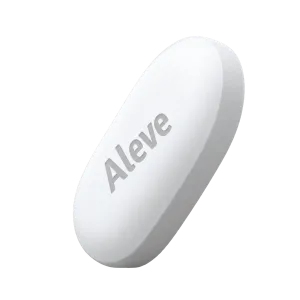
Aleve

Active ingredient: Naproxen
250mg 500mg
From AED 399.90
pills
3.3 (3)

Celebrex

Active ingredient: Celecoxib
100mg 200mg
From AED 374.10
pills
3.9 (5)

Diclofenac Current

Active ingredient: Diclofenac
100mg 50mg
From AED 434.30
pills
4.3 (5)

Feldene

Active ingredient: Piroxicam
20mg 10mg
From AED 116.10
capsules
3.7 (5)

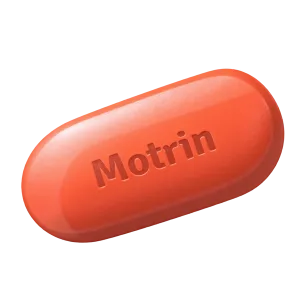
Motrin

Active ingredient: Ibuprofen
400mg 600mg 200mg
From AED 38.70
pills
4 (3)

Naprosyn

Active ingredient: Naproxen
250mg 500mg
From AED 399.90
pills
3.8 (3)

Comparison table: Pain Relief

Common questions

Which condition rules out diclofenac?

An active stomach ulcer or gastrointestinal bleed rules out oral diclofenac until the condition has been assessed and treated. A previous allergic reaction or asthma attack caused by aspirin or another NSAID also makes diclofenac unsuitable. FDA prescribing information reviewed in 2019 lists serious hypersensitivity, gastrointestinal, cardiovascular, and postoperative contraindications that require careful screening.

Which habits can improve or hinder diclofenac treatment?

Taking the tablet with food may reduce stomach irritation, while alcohol can worsen gastrointestinal irritation and bleeding risk. Dehydration from vomiting, diarrhoea, fever, intense exercise, or hot weather can increase kidney stress during NSAID treatment. NICE guidance from 2022 supports combining medicines for osteoarthritis with appropriate exercise and physical rehabilitation rather than relying on tablets alone.

How long does one diclofenac dose keep working?

The duration depends on the salt, release design, dose, condition, and individual response. Immediate-release products and modified-release products do not have identical timing, so one schedule cannot be applied to every tablet. EMA product information updated in 2023 explains that dosing intervals depend on the specific diclofenac formulation and should not be extended by taking extra tablets.

Can diclofenac be used during pregnancy or breastfeeding?

Diclofenac should not be used during the third trimester because NSAIDs can affect the fetus, labour, and the newborn circulation. Earlier pregnancy use requires a specific benefit-risk decision, while breastfeeding also requires consideration of the dose and treatment duration. WHO medicines guidance published in 2021 recommends selecting medicines in pregnancy and lactation according to documented maternal and infant risks.

Can diclofenac affect driving, concentration, or machinery work?

Dizziness, drowsiness, visual disturbance, or headache can occur and may impair driving or machinery work. Do not drive, climb, or operate equipment until you know how the tablets affect you. The European Medicines Agency’s safety information from 2023 advises caution when adverse effects could reduce alertness or coordination.

Do you offer anonymous delivery?

Your order will be securely packed and shipped within 24 hours. This is exactly what your package will look like (images of an actual item sent). It has the size and look of a regular private letter (24x11x0.7 cm) and its contents cannot be seen.

Pharmaceutical forms and administration routes

Diclofenac is available in several pharmaceutical forms, but the product on this page is an oral tablet. Other diclofenac formulations may contain diclofenac sodium or diclofenac potassium and may use different release technologies.

Formulation Main clinical role Practical feature
Oral tablets Widespread pain and inflammation Systemic effect throughout the body
Gastro-resistant tablets Oral treatment with delayed release Designed to resist release in the stomach
Topical gel or patch Localised joint or muscle pain Lower systemic exposure than oral treatment, though absorption still occurs

Diclofenac sodium is used in several oral and topical products. Diclofenac potassium is used in formulations designed for relatively rapid dissolution. Slow-release tablets are designed to release the medicine gradually, while gastro-resistant tablets release it beyond the stomach.

Diclofenac gel and diclofenac topical gels are applied to the skin over a painful area. They may be useful when inflammation is localised near a superficial joint or soft tissue. They should not be applied to broken skin, infected skin, eyes, or mucous membranes.

This page concerns tablets, not a topical preparation. Do not substitute a gel, patch, or different salt formulation for oral tablets without a specific clinical instruction.

Never crush, split, or chew a slow-release or gastro-resistant diclofenac tablet unless the product instructions specifically allow it. Altering the tablet can change where or how quickly diclofenac is released.

Reviews: Diclofenac

4.3
Based on 5 reviews
Hassan, 41 Al Majaz Several days
Verified
Rating: 5 out of 5

The pain eased enough for me to sleep and walk normally. I took each dose after eating and did not combine it with ibuprofen. The first day caused mild indigestion, which settled.

22 Oct 2026
Zubair, 68 Ruwais A few days
Verified
Rating: 4 out of 5

It helped my knee movement, but my ankles became more swollen after a few days. I stopped and contacted my doctor. The pain benefit was real, although the fluid retention was not something I wanted to continue.

6 Oct 2026
Waleed, 40 Abu Dhabi
Verified
Rating: 5 out of 5

The tablet reduced the throbbing within the same day. I had a little nausea when I took it without breakfast, so I changed the timing and tolerated it better.

1 Nov 2026
Tariq, 65 Sharjah
Verified
Rating: 4 out of 5

It worked for the pain, but I was already taking aspirin and had not mentioned it. The pharmacist identified the combination risk, and my treatment was changed.

17 Oct 2026
Ramon, 32 Al Barsha The first few days
Verified
Rating: 3.5 out of 5

The swelling and movement improved over the first few days. I expected the injury to be cured immediately and returned to training too soon, so the pain came back.

9 Oct 2026

Sources

  1. NICE (2022). Osteoarthritis in over 16s: diagnosis and management, NG226.
  2. EMA (2023). Summary of Product Characteristics for diclofenac-containing medicines.
  3. WHO (2021). WHO Model List of Essential Medicines and medicines-use guidance.
Get our free app Shop faster and track your orders 3.9 · 576 reviews Install