I used it for five days during a dusty period. The sneezing settled by the second day, and my eyes were less itchy. I felt heavy and sleepy the first two mornings, so evening dosing suited me better.
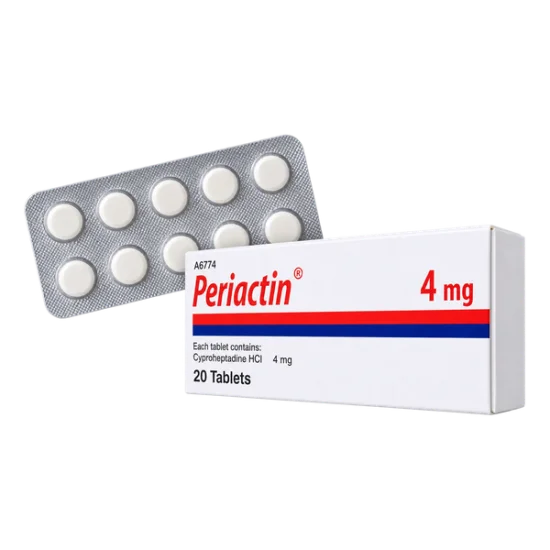
Periactin contains cyproheptadine hydrochloride and is used for adults and children when a clinician selects a sedating antihistamine for allergic rhinitis or allergic conjunctivitis. By blocking histamine H1 receptors, it helps ease allergy symptoms such as sneezing, itching, watery eyes, and a runny nose.
Product information
Periactin contains cyproheptadine hydrochloride per tablet. The dose is determined individually, taking age, other medicines and health conditions into account. Cyproheptadine is an antihistamine. It blocks H1 receptors.
Dosage and administration
The dose is determined individually, taking age, other medicines and health conditions into account. Periactin tablets should be swallowed whole with water.
For allergic conditions, dosing is adjusted by the prescriber according to response and tolerability. Children require age-based dosing, and the tablet may not be suitable for every child’s prescribed amount.
Use the following habits:
- Take doses at consistent times each day if more than one daily dose is prescribed.
- If sleepiness occurs, ask the prescriber whether timing can be adjusted rather than changing the dose independently.
- Do not take an extra tablet after a missed dose.
- Skip the missed dose if the next scheduled dose is near, then return to the usual schedule.
- Do not combine Periactin with alcohol.
Ingredients
It also blocks serotonin receptors. Dry mouth, constipation, blurred vision, and sleepiness may occur. These effects vary among people.
The tablet is taken orally. The tablet strength allows a prescriber to tailor the dose to age, other medicines, symptom pattern, and health conditions.
Role of Cyproheptadine Hydrochloride
Histamine is a chemical released during allergic reactions. It activates H1 receptors in the nose, eyes, and skin, leading to itching, sneezing, nasal discharge, tearing, and hives. Cyproheptadine hydrochloride competitively blocks these receptors, so histamine has less effect on the tissues that produce those symptoms. [1]
Periactin can also increase appetite because cyproheptadine affects serotonin receptors in the brain. This effect may be useful in selected clinical situations, yet it can be unwanted when the goal is allergy control alone.
How it affects the body
It is related to the medicine entering the brain and blocking central H1 receptors. Cyproheptadine affects serotonin receptors in the brain.
Therapeutic indications
These 4 mg tablets are used for adults and children when a clinician selects a sedating antihistamine for seasonal or year-round allergic rhinitis, vasomotor rhinitis, or allergic conjunctivitis.
Common mistakes
People sometimes take Periactin only after symptoms become severe, then expect immediate control of blocked nose, sneezing, eye irritation, and sleep disruption at once. Regular timing works better when a clinician has prescribed regular dosing for persistent symptoms.
Other frequent mistakes include:
- Taking the first dose before a long drive or an early work shift.
- Using alcohol to manage sleepiness or restlessness.
- Combining it with cough, cold, or sleep products without checking active ingredients.
- Increasing the dose because increased appetite is mistaken for an inadequate allergy response.
- Stopping after one sedating dose without discussing a timing adjustment.
- Ignoring new difficulty urinating, marked constipation, eye pain, or blurred vision.
A tablet splitter can help only when a prescriber has specifically directed a half-tablet dose. Unevenly split tablets can lead to inconsistent dosing, and a child should never receive an improvised fraction of an adult tablet.
When not to use it
Periactin is not for you if you have a known allergy to cyproheptadine or another ingredient in the tablet. It is also unsuitable for people using monoamine oxidase inhibitors, known as MAOIs, because these medicines can intensify anticholinergic effects.
Cyproheptadine may worsen conditions in which reduced smooth-muscle activity or increased pressure is harmful. A clinician should assess its suitability before treatment in people with:
- Narrow-angle glaucoma.
- Urinary retention, bladder-neck obstruction, or significant prostate enlargement.
- A stenosing peptic ulcer or obstruction in the stomach or bowel.
- Severe asthma symptoms or lower-respiratory disease.
- Heart disease, high blood pressure, overactive thyroid, or seizure history.
- Liver disease or kidney impairment.
- Pregnancy or breastfeeding.
When this is not for you
Young children and older adults need added caution. Sedation can impair coordination, while paradoxical excitation may occur in children. Alcohol, sleeping tablets, opioid pain medicines, anxiety medicines, antipsychotics, and other sedating antihistamines can add to drowsiness and slow reaction time.
Possible side effects
Sleepiness is the side effect people notice most often with Periactin. Dry mouth, dizziness, tiredness, blurred vision, constipation, nausea, and increased appetite may also occur.
The sedating effect can be useful when allergy symptoms disturb sleep. It is less convenient for daytime use, long drives, shift work, exams, or jobs requiring sustained concentration.
| Possible effect | Practical response |
|---|---|
| Sleepiness or dizziness | Take only as directed and avoid alcohol, driving, and machinery until the individual response is clear. |
| Dry mouth | Sip water regularly and use sugar-free gum if suitable. |
| Constipation | Maintain fluid intake and include fibre-rich foods unless a clinician has advised otherwise. |
| Increased appetite | Keep regular meal times and notice early changes in snacking habits. |
| Blurred vision or difficulty passing urine | Seek prompt medical advice, especially with glaucoma or prostate symptoms. |
Serious reactions are uncommon, yet agitation, confusion, fainting, palpitations, seizures, severe rash, facial swelling, or breathing difficulty need urgent medical assessment. Older adults may be more sensitive to confusion, falls, constipation, and urinary retention because of cyproheptadine’s anticholinergic effects. [2]
Comparison
Periactin belongs to the first-generation antihistamine group. These medicines tend to cross into the brain more readily than newer antihistamines, so symptom relief comes with a higher chance of sleepiness and anticholinergic effects.
| Option | Main clinical profile | Sedation tendency |
|---|---|---|
| Cyproheptadine | H1 antihistamine with serotonin-blocking activity; may also increase appetite | Common |
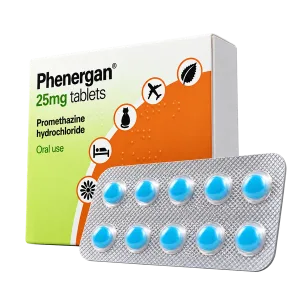
| Promethazine | First-generation H1 antihistamine with pronounced sedative and anticholinergic effects | Common to marked |
| Cetirizine | Second-generation H1 antihistamine designed for allergy control with less brain penetration | Lower, though still possible |
For daytime allergic rhinitis, clinicians often favour a second-generation antihistamine such as cetirizine when alertness is a priority. Periactin may be selected when its broader receptor effects are clinically useful or when a sedating medicine suits the symptom pattern.
First-generation antihistamines can ease allergy symptoms, yet allergic-rhinitis guidance gives preference to less sedating options for many patients because concentration, driving ability, and school or work performance matter. [3]
What doctors say
In clinical practice, doctors look beyond sneezing and watery eyes before choosing cyproheptadine. Daytime driving, work demands, school attendance, glaucoma risk, urinary symptoms, sleep medicines, and alcohol use can change whether Periactin is a sensible fit.
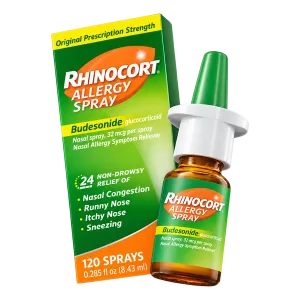
A realistic expectation is symptom reduction rather than complete removal of every nasal symptom. Nasal congestion driven by inflammation may respond better when antihistamine treatment is paired with an appropriate nasal therapy selected by a clinician.
MOHAP prescribing requirements, WHO medication-safety principles, and EMA pharmacovigilance standards all place emphasis on matching treatment to the individual rather than treating antihistamines as interchangeable. The key trade-off with Periactin is clear: it can relieve histamine-related symptoms, yet sedation and anticholinergic effects limit its suitability for some people.
Comparison
Common questions
Can Periactin tablets be split, crushed, or chewed?
Periactin tablets are intended to be swallowed with water. Splitting may be appropriate only when a prescriber has chosen a half-tablet dose, since a 4 mg tablet can be used in individualised regimens. Crushing or chewing can make the bitter taste more noticeable and may make it harder to take the full intended amount. The U.S. National Library of Medicine’s DailyMed monograph for cyproheptadine tablets, updated in 2024, supports oral tablet administration and individual dose adjustment. [4]
What happens if Periactin is stopped, and does it need tapering?
Cyproheptadine does not usually require a gradual dose reduction after short-term use for allergy symptoms. Symptoms such as sneezing, itching, or runny nose can return when treatment stops because the underlying allergy trigger may still be present. People taking it regularly for a longer period, or for a reason beyond short-term allergy relief, should ask the prescriber how to stop. The FDA-approved cyproheptadine safety information has long focused on sedative and anticholinergic effects rather than a withdrawal syndrome; the cited FDA information from 2013 remains relevant.
What should be discussed with a doctor before starting Periactin?
Discuss glaucoma, urinary problems, prostate enlargement, stomach or bowel obstruction, asthma, seizures, liver disease, kidney disease, and previous reactions to antihistamines. Give a complete list of medicines, including MAOIs, sleep aids, opioid pain medicines, anxiety treatments, and cold remedies. Pregnancy, breastfeeding, alcohol intake, and occupations involving driving or machinery also affect the decision. The American Academy of Otolaryngology—Head and Neck Surgery Foundation guidance from 2015 supports selecting allergic-rhinitis treatment according to symptoms, coexisting conditions, and adverse-effect burden. [3]
How soon does Periactin become noticeable?
Some people notice reduced sneezing, itching, or nasal discharge within hours of a dose. The sleepy effect may also occur early, sometimes before the person can judge the allergy benefit. Persistent symptoms should be reassessed after several days of taking the prescribed regimen consistently, rather than prompting self-directed dose increases. FDA prescribing information from 2013 supports reviewing both benefit and adverse effects when a medicine affects alertness.
Which diet, exercise, or habits can help or hinder the result?
Avoid alcohol because it can intensify drowsiness, dizziness, and impaired coordination. Regular meals and planned snacks can help if appetite rises during treatment, while hydration and dietary fibre may reduce constipation. Exercise is fine when alertness is normal, yet cycling, swimming alone, or gym equipment should wait until the individual response is known. WHO allergy-care materials published before 2026 also support reducing personal exposure to recognised triggers such as dust, animal dander, smoke, or pollen where practical.
Can Periactin be used under 18?
Children may receive cyproheptadine only when a clinician has selected an age-appropriate dose and indication. The medicine is contraindicated in newborn and premature infants, and younger children can be more vulnerable to paradoxical excitement, excessive sleepiness, and breathing-related complications. A 4 mg tablet is not automatically the right unit for every child. FDA prescribing information from 2013 requires the prescriber to consider age, weight, medical history, and concurrent medicines before treatment begins.
Do you offer anonymous delivery?
Your order will be securely packed and shipped within 24 hours. This is exactly what your package will look like (images of an actual item sent). It has the size and look of a regular private letter (24x11x0.7 cm) and its contents cannot be seen.
Reviews: Periactin
It helped the runny nose and itching after about a week. Dry mouth was annoying, and I stopped taking the daytime dose before meetings because I was less sharp. My doctor reviewed the timing instead of increasing it.
I took it for three nights when my nose was running and I could not sleep. It made me sleep well, but I also felt hungrier than usual and had mild constipation. The allergy relief was good, although I would not use it before an early drive.
Sources
- U.S. National Library of Medicine (2024). DailyMed: Cyproheptadine Hydrochloride Tablet
- U.S. Food and Drug Administration (2013). Cyproheptadine Hydrochloride Tablets: Prescribing Information
- American Academy of Otolaryngology—Head and Neck Surgery Foundation (2015). Clinical Practice Guideline: Allergic Rhinitis
- U.S. National Library of Medicine (2024). Cyproheptadine Hydrochloride: Drug Information