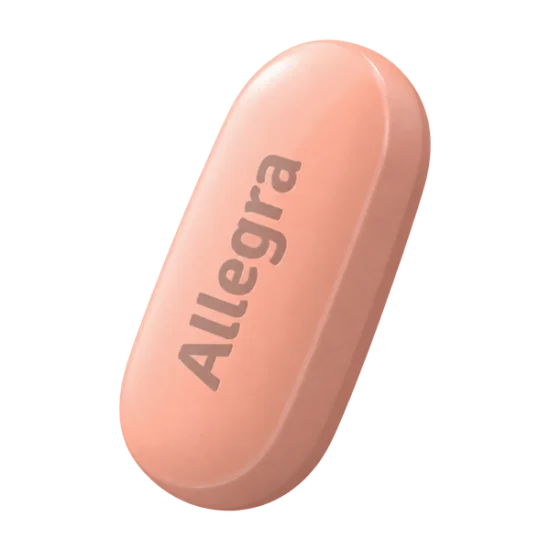
The sneezing and watery eyes eased after I began taking it. I liked that I could continue my morning routine, although I still had some nasal blockage on dusty days.
Allegra is intended for adults and eligible children with seasonal allergic rhinitis or chronic hives. Its fexofenadine hydrochloride works outside the brain to reduce allergy symptoms, with low sedation potential for daytime allergy control.
Product information
Allegra supports relief from seasonal allergic rhinitis and chronic hives in adults and eligible children. Its active ingredient, fexofenadine hydrochloride, blocks peripheral histamine H1 receptors, helping reduce sneezing, runny nose, itching, and watery eyes.
Dosage and administration
The amount per intake is set individually rather than being one fixed number for every person. The appropriate regimen depends on age, symptom pattern, kidney function, formulation strength, and the reason for treatment.
- Take Allegra tablets by mouth with water.
- Use the prescribed amount at the prescribed interval.
- Swallow the tablet as directed rather than changing the schedule independently.
- Keep doses separated from aluminium- or magnesium-containing antacids.
- Avoid taking the tablet with apple, orange, or grapefruit juice.
- Do not double the next intake after a missed dose.
- If the next scheduled dose is near, skip the missed intake and resume the regular schedule.
- Children should receive an age-appropriate regimen selected by a clinician.
Kidney function affects how fexofenadine is cleared from the body. Adults with reduced renal function may require an adjusted regimen, and children with kidney disease need individual medical assessment. A standard adult schedule should not be transferred to a child.
Administration best practices
Water is preferred for Allegra. Fruit juices can reduce intestinal uptake of fexofenadine, which may lower the amount reaching the bloodstream. This interaction is easy to miss because the juice itself does not usually cause a dramatic reaction.
Aluminium or magnesium antacids can also bind fexofenadine in the digestive tract. Separating them from Allegra helps reduce the chance of reduced absorption. The exact interval should follow the prescribed instructions for the specific product and formulation.
Ingredients
Allegra contains fexofenadine hydrochloride as its active ingredient. It blocks peripheral histamine H1 receptors and is used to relieve symptoms of seasonal allergic rhinitis and chronic hives in adults and eligible children.
How it affects the body
By limiting histamine activity outside the brain, Allegra can relieve allergy symptoms without the level of sedation associated with many older antihistamines. The FDA prescribing information describes fexofenadine as an H1-receptor antagonist used for allergic rhinitis and chronic idiopathic urticaria [1].
Therapeutic indications
Primary indications for seasonal allergies and hives
Allegra may be used for:
- Sneezing linked to pollen or seasonal allergens
- Runny or blocked nose
- Itchy nose or throat
- Red, itchy, or watery eyes
- Reactions to airborne allergens such as dust or pet dander
- Chronic idiopathic urticaria, also called chronic hives
- Itching and raised skin welts associated with hives
Seasonal allergic rhinitis often becomes more troublesome during periods of high pollen exposure. Symptoms can continue indoors when dust, mould, or animal dander is involved. Allegra targets the histamine component of this reaction, so it is most useful when itching, sneezing, watery eyes, and runny discharge are prominent.
Chronic hives behave differently from a short-lived reaction to one food or insect sting. Wheals may appear repeatedly, move across different areas of the body, and fade before returning. An antihistamine can reduce the skin response, though persistent or worsening hives require clinical assessment.
Common mistakes
The following habits can reduce the benefit of Allegra or increase avoidable problems:
- Taking the tablet with orange, apple, or grapefruit juice
- Using an aluminium- or magnesium-containing antacid at the same time
- Doubling the next dose after forgetting an intake
- Sharing an adult tablet with a child
- Increasing the amount because symptoms are severe
- Assuming “non-drowsy” means driving is always unaffected
- Continuing self-treatment when hives include throat swelling or breathing symptoms
- Stopping and restarting repeatedly without identifying the allergy trigger
- Taking more than one antihistamine without checking for duplicate treatment
A tablet can reduce histamine activity while the exposure continues. Washing bedding, reducing indoor dust, keeping windows closed during high-pollen periods, and limiting contact with known triggers may support symptom control.
When not to use it
The treatment requires individual assessment in people with kidney impairment, a history of serious drug reactions, pregnancy, breastfeeding, or multiple medicines that may affect absorption or alertness.
Interactions and clinical cautions
- Aluminium hydroxide and magnesium hydroxide antacids can reduce fexofenadine uptake.
- Apple, orange, and grapefruit juice can reduce exposure to fexofenadine.
- Other medicines that cause dizziness or sleepiness may increase difficulty concentrating, even though fexofenadine itself has low sedation potential.
- Kidney impairment may increase exposure and can change the regimen selected by the prescriber.
When this is not for you
This medication is not for you if:
- You previously had a serious allergic reaction to fexofenadine or an ingredient in the tablets.
- You have unexplained facial, tongue, or throat swelling.
- You have severe kidney impairment without an individually selected regimen.
- You plan to give an adult tablet schedule to a child.
- You are using aluminium- or magnesium-containing antacids without separating the administration times.
- You are experiencing breathing difficulty, faintness, or rapidly progressing allergic symptoms that need emergency treatment rather than self-management.
The World Health Organization identifies antihistamines as medicines that require attention to sedation, age, comorbidities, and concurrent treatment [3].
Possible side effects
Allegra is generally associated with a lower sedation burden than older antihistamines, though individual responses differ. Clinical safety data identify headache, nausea, dizziness, and fatigue among possible adverse effects. The European Medicines Agency evaluates antihistamine safety through product information covering indications, contraindications, and adverse reactions [2].
Possible reactions include:
- Headache
- Nausea or stomach discomfort
- Mild dizziness
- Tiredness or fatigue
- Sleepiness in some individuals
- Dry mouth
- Uncommon hypersensitivity reactions
A mild headache or stomach upset may settle as the body adjusts. Persistent symptoms can still interfere with work, driving, sleep, or daily responsibilities and should be reviewed if they do not improve.
Urgent symptoms include swelling of the lips, tongue, face, or throat; difficulty breathing; fainting; widespread blistering rash; or rapidly worsening hives with breathing or throat symptoms. These signs may indicate a serious allergic reaction and require urgent medical care.
Comparison
Second-generation antihistamines share the goal of reducing histamine-driven symptoms, but their onset, sedation potential, metabolism, and interaction profiles differ. The table compares categories rather than commercial brands.
| Approach | Main distinction | Practical limitation |
|---|---|---|
| Fexofenadine tablets | Strong peripheral H1 blockade with low central nervous system penetration | Juice and aluminium or magnesium antacid interactions can reduce absorption |
| Loratadine-type tablets | Long-acting H1 blockade with generally low sedation | Response and drug interactions vary between individuals |
| Cetirizine-type tablets | Often provides strong relief for nasal and skin symptoms | Sleepiness can be more noticeable in some people |
Fexofenadine may suit people who need allergy relief during work or daytime activities and who have experienced sedation with other antihistamines. A different second-generation option may be preferred when symptom response, kidney function, formulation, or previous tolerability points in another direction.
No antihistamine controls every allergy trigger. Nasal congestion caused by marked inflammation may respond incompletely to an oral antihistamine alone. The best choice depends on the dominant symptoms and the patient’s medical history.
What doctors say
In clinical practice, physicians usually assess the dominant symptom pattern before choosing an antihistamine. Sneezing, itching, watery eyes, and a clear runny nose often respond more predictably than severe isolated nasal blockage.
Doctors also look for patterns that do not fit uncomplicated allergy. Fever, facial pain, wheezing, persistent one-sided nasal discharge, skin bruising, or swelling of the throat may require a different evaluation.
A common prescribing error is treating every recurrent rash as simple hives. Chronic urticaria may need a structured treatment plan, and repeated changes in dose without review can delay proper management. Kidney function, age, other medicines, and previous sedation should be part of the assessment.
Another real-world issue is timing. A patient may take Allegra with juice each morning and conclude that the tablet has stopped working. Correcting the drink interaction can improve consistency without increasing the amount.
Comparison
Common questions
What should I do after a missed Allegra dose?
Take the missed intake when remembered unless the next scheduled intake is close. In that situation, skip the missed intake and continue with the usual schedule; do not take two doses together. The FDA safety information from 2011 supports avoiding unnecessary dose doubling because it does not reliably restore symptom control. If missed doses happen repeatedly, a simpler routine may help.
Can Allegra affect driving, concentration, or machinery work?
Fexofenadine has low potential for central sedation, but some people experience dizziness, fatigue, or sleepiness. The European Medicines Agency assesses these reactions in product safety information from 2018, and individual sensitivity remains relevant. Avoid driving or machinery work until you know how Allegra affects you, especially after the first intake. Alcohol or another sedating medicine may make reduced alertness more noticeable.
How does Allegra differ from other non-drowsy antihistamines?
Allegra contains fexofenadine hydrochloride, which acts mainly at peripheral H1 receptors and has limited entry into the brain. Other second-generation antihistamines use different active substances and may differ in sedation, metabolism, onset, and interaction patterns. The World Health Organization’s 2021 guidance emphasises that antihistamine selection should reflect the patient’s age, comorbidities, and concurrent medicines. A lower-sedation profile does not guarantee the same response for every person.
Can diet, exercise, or daily habits help the result?
Reducing exposure to the relevant allergen can support symptom control while Allegra manages the histamine response. Plain water should be used for the tablet because certain fruit juices can reduce fexofenadine absorption. Regular exercise is generally compatible with allergy treatment, though outdoor activity during high-pollen periods may increase symptoms. WHO allergy-care principles from 2021 support combining medicine use with practical trigger reduction.
Is Allegra suitable for older adults?
Older adults may use fexofenadine when the regimen fits their kidney function, medical conditions, and other medicines. Reduced renal clearance can affect the amount of medicine in the body, so age alone should not determine the schedule. FDA prescribing information from 2011 highlights renal considerations for fexofenadine use. New dizziness, confusion, falls, or unusual weakness deserves prompt clinical review.
Which symptoms mean I should stop and seek urgent medical help?
Stop relying on routine allergy treatment and seek urgent care for throat tightness, breathing difficulty, fainting, rapidly spreading swelling, or swelling of the tongue and lips. A blistering rash, skin peeling, or severe facial swelling also needs urgent assessment. EMA pharmacovigilance principles from 2018 treat suspected serious hypersensitivity as an emergency concern. Do not wait for another tablet to work when airway symptoms are developing.
Do you offer anonymous delivery?
Your order will be securely packed and shipped within 24 hours. This is exactly what your package will look like (images of an actual item sent). It has the size and look of a regular private letter (24x11x0.7 cm) and its contents cannot be seen.
Reviews: Allegra
It helped my itchy eyes and runny nose. I took it with juice at first and thought the result was weak. Changing to water made the routine more consistent, but I still needed to avoid the trigger.
The raised patches became less frequent over the following days. I noticed mild tiredness after the first few tablets, so I avoided driving until I knew how I reacted.
Sources
- U.S. Food and Drug Administration (2011). Allegra (fexofenadine hydrochloride) Prescribing Information.
- European Medicines Agency (2018). Summary of Product Characteristics (SmPC) — fexofenadine.
- World Health Organization (2008). WHO Model Formulary.