Skip to content
Dymista
Active ingredient: Azelastine Hydrochloride, Fluticasone Propionate

Dymista

Quality products
24/7 Support
Fast delivery
Delivery from 4 days
Select pack Package Per unit Price

Free delivery on orders from AED 860.00, free express delivery from AED 1,290.00

Secure Payments
Track your order
Best price guarantee

Used intranasally as a spray, Dymista combines azelastine hydrochloride and fluticasone propionate for adults and adolescents with seasonal or perennial allergic rhinitis. It blocks histamine activity and reduces nasal inflammation, helping relieve congestion, sneezing, itching, and a runny nose.

Product information

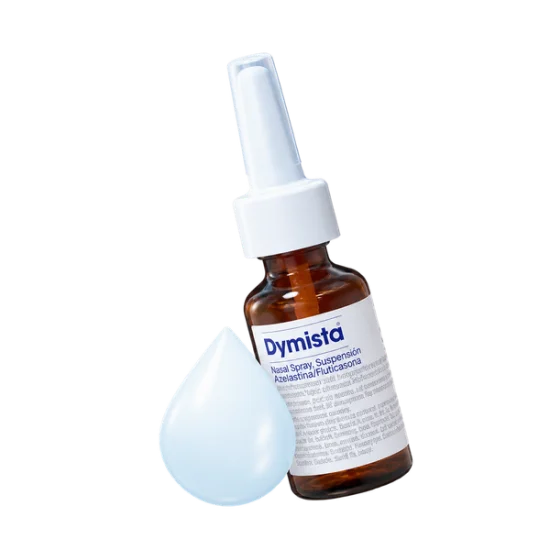
Dymista is a dual-action nasal spray for allergic rhinitis when nasal symptoms remain troublesome with a single approach. The effect is local.

Clinical role in allergic rhinitis

Azelastine and fluticasone provide different actions in one sprayer. Azelastine can reduce histamine-related itching, sneezing, and watery discharge. Fluticasone reduces inflammatory activity in nasal tissue, which is relevant when congestion remains the dominant symptom.

Dosage and administration

Dymista is supplied in a bottle with a nasal sprayer for intranasal delivery. The formulation is a nasal suspension, so gentle shaking helps distribute the active ingredients before use.

The product is not swallowed and should not be sprayed into the eyes or mouth. Its intended target is the inside lining of the nose, where allergic inflammation and histamine release occur.

Dosing differs between strengths and between users, so there is no single amount that suits everyone. The clinician-selected schedule should be followed consistently rather than increased during a difficult allergy day.

  1. Blow the nose gently if mucus is present.
  2. Shake the Dymista bottle gently.
  3. Keep the head upright or slightly forward.
  4. Close one nostril with a finger and place the nozzle into the other nostril.
  5. Point the nozzle slightly outward, away from the centre wall of the nose.
  6. Breathe in gently through the nose while activating the sprayer.
  7. Repeat on the other side if included in the prescribed schedule.
  8. Wipe the nozzle after use and replace the protective cap.

Do not inhale sharply while spraying. A forceful sniff pulls the liquid toward the throat and makes an unpleasant taste more likely.

The most common technique error is aiming toward the septum. Aim slightly toward the outer wall of the nostril instead; this reduces irritation and can lower the chance of nosebleeds.

If a scheduled dose is missed, use the next planned dose at the normal time. Do not double the amount to compensate for a missed application.

Ingredients

Dymista contains azelastine hydrochloride and fluticasone propionate. These active ingredients do not do the same job, which is why the combination can suit people whose symptoms include both sudden sneezing and longer-lasting nasal blockage.

How it affects the body

Azelastine is an H1-receptor antagonist. Histamine is a chemical released during an allergic response, and it contributes to itching, sneezing, swelling, and nasal discharge. By blocking H1 receptors, azelastine reduces the body’s response to histamine. Desmethylazelastine is an active metabolite formed after absorption of azelastine. This metabolite may contribute to the antihistamine effect.

Fluticasone propionate is a corticosteroid with anti-inflammatory action in the nasal lining. It reduces the production and release of inflammatory mediators involved in allergic rhinitis. Its benefit builds with regular use because inflammation does not settle after one isolated dose.

Pharmacological roles

Treatment component Main action Symptom focus
Azelastine hydrochloride H1-receptor blockade Sneezing, itching, runny nose
Fluticasone propionate Local corticosteroid action Congestion, swelling, persistent inflammation

Dymista differs from an antihistamine-only nasal spray because it also targets inflammation. It differs from a corticosteroid-only spray because azelastine can address histamine symptoms more directly. The FDA describes the combination as an intranasal treatment for symptoms of seasonal allergic rhinitis and perennial allergic rhinitis [1].

Therapeutic indications

Dymista is intended for nasal use only and is used within a clinician-directed treatment plan for allergy symptoms.

Dymista is a dual-action nasal spray for allergic rhinitis when nasal symptoms remain troublesome with a single approach.

Common mistakes

  • Spraying toward the nasal septum rather than the outer wall of the nostril.
  • Tilting the head far back, which increases throat drainage and bitter taste.
  • Using extra sprays after missed applications.
  • Stopping as soon as symptoms ease, then restarting only when congestion becomes severe.
  • Assuming all nasal blockage is allergy, even when facial pain, fever, or thick discharge suggests another issue.
  • Driving before knowing whether azelastine causes drowsiness personally.
  • Combining Dymista with strong CYP3A4 inhibitors without reviewing the interaction.

When not to use it

Dymista is not for you if you have had a hypersensitivity reaction to azelastine, fluticasone propionate, or another component of the formulation.

Extra caution is appropriate in several situations:

  • Recent nasal surgery, nasal injury, or an unhealed nasal ulcer.
  • Untreated local bacterial, fungal, viral, or parasitic infection affecting the nose.
  • Active or previous tuberculosis, herpes infection involving the eye, or a condition that weakens immune defences.
  • Glaucoma, cataracts, raised eye pressure, or unexplained visual disturbance.
  • A history of frequent nosebleeds or a perforated nasal septum.
  • Children and adolescents who require prolonged corticosteroid treatment, because growth monitoring may be relevant.

The most clinically relevant interactions involve medicines that strongly inhibit CYP3A4, an enzyme involved in fluticasone metabolism. Ritonavir and ketoconazole can increase systemic exposure to fluticasone, raising the possibility of corticosteroid-related adverse effects.

The Spanish Agency for Medicines and Medical Devices lists interaction precautions for medicines that can alter corticosteroid metabolism [2].

When this is not for you

Dymista is not for you if you have had a hypersensitivity reaction to azelastine, fluticasone propionate, or another component of the formulation. Symptoms of hypersensitivity may include rash, swelling of the lips or face, breathing difficulty, or severe itching after exposure.

Possible side effects

Most unwanted effects with Dymista are local or mild, though tolerance differs from person to person. Taste disturbance, often described as a bitter taste, is a recognised effect of azelastine-containing nasal sprays. Headache, nasal discomfort, sneezing after application, dry nose, and epistaxis, meaning a nosebleed, can also occur.

Taste changes can occur.

Azelastine may cause drowsiness in some people. Fluticasone has low systemic absorption when used intranasally as directed, yet corticosteroid-related effects become more relevant with prolonged high exposure or when combined with medicines that raise fluticasone levels.

Seek prompt medical assessment for facial swelling, wheezing, widespread rash, severe persistent nosebleeds, visual changes, or signs of an allergic reaction. Recurrent bleeding from one nostril also deserves assessment because it may reflect irritation, septal injury, or another nasal condition.

For a minor nosebleed, pause the spray until the bleeding has settled and keep the nozzle directed away from the septum when treatment resumes. Frequent or heavy bleeding needs medical assessment.

Comparison

Dymista differs from an antihistamine-only nasal spray because it also targets inflammation. It differs from a corticosteroid-only spray because azelastine can address histamine symptoms more directly.

What doctors say

In clinical practice, doctors often see allergic rhinitis undertreated because people accept chronic congestion as normal. A combination intranasal treatment can be useful when a person has several symptoms at once, such as blocked nose in the morning, repeated sneezing outdoors, and sleep disruption from nasal obstruction.

Doctors also look for patterns that suggest another cause. One-sided blockage, recurrent sinus pain, loss of smell, fever, thick discoloured discharge, or repeated heavy bleeding need assessment beyond routine allergy treatment.

Regular use matters more than repeated extra sprays. Fluticasone addresses inflammation gradually, while azelastine may be noticed sooner for histamine-driven symptoms. The practical goal is symptom control with the lowest clinician-directed exposure that maintains normal sleep, work, and daily activity.

Comparison

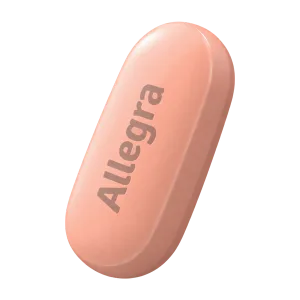
Allegra

Active ingredient: Fexofenadine
120mg 180mg
From AED 636.40
pills
3.8 (3)

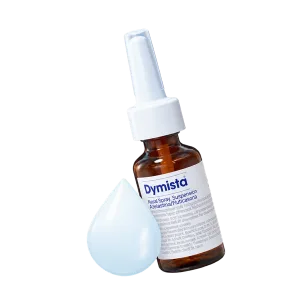
Dymista Current

Active ingredient: Azelastine Hydrochloride, Fluticasone Propionate
137mcg50mcg
From AED 511.70
sprayers
4.3 (3)

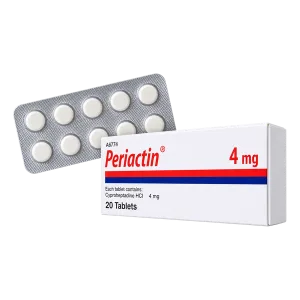
Periactin

Active ingredient: Cyproheptadine
4mg
From AED 335.40
pills
4 (3)

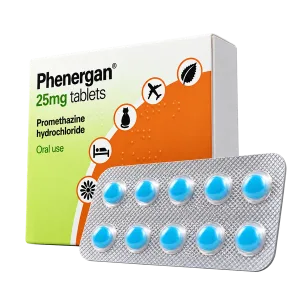
Phenergan

Active ingredient: Promethazine
25mg
From AED 399.90
pills
3.9 (4)

Promethazine

Active ingredient: Promethazine
25mg
From AED 374.10
pills
3.7 (3)

Rhinocort

Active ingredient: Budesonide
100mcg 200mcg
From AED 361.20
inhalers
4.2 (3)

Comparison table: Allergies

Common questions

Can diet, exercise, or habits affect Dymista results?

Dymista works in the nasal lining, so no specific food is required for its action. The 2024 FDA prescribing information focuses on correct intranasal use and alertness precautions rather than dietary restrictions. Limiting exposure to personal triggers can make symptoms easier to control; this may include closing windows during high-pollen periods, showering after dusty outdoor activity, and reducing bedroom dust reservoirs. Regular exercise is usually compatible with treatment, though outdoor activity may aggravate symptoms when pollen or dust exposure is high.

What concrete condition rules out Dymista use?

A previous hypersensitivity reaction to azelastine, fluticasone propionate, or formulation components rules out use. The AEMPS product information for Dymista identifies hypersensitivity as a contraindication. AEMPS product information from 2023 describes warning signs such as swelling, rash, and breathing difficulty as requiring urgent assessment. A person with this history needs an alternative treatment plan rather than a re-exposure trial.

How long does a Dymista course last, and is long-term use acceptable?

Treatment duration depends on whether symptoms are seasonal, perennial, intermittent, or persistent. The 2020 BSACI rhinitis guideline supports review of symptom control rather than treating every patient for the same fixed number of weeks. Longer use can be appropriate when a clinician judges that ongoing allergic rhinitis needs control, with attention to nosebleeds, nasal irritation, visual symptoms, and other corticosteroid-related concerns. Reassessment is useful when the spray no longer provides the expected relief.

Can Dymista affect driving, concentration, or machinery work?

Azelastine can cause sleepiness, fatigue, or reduced alertness in some users. The FDA’s 2024 Dymista information advises caution with driving and hazardous machinery until the individual response is known. Alcohol, sedatives, and sleep medicines may make this effect more likely. People working at heights, operating machinery, or driving professionally should establish their personal response outside safety-critical tasks.

Can Dymista be used during pregnancy or breastfeeding?

Pregnancy and breastfeeding decisions require an individual review of allergy severity and maternal benefit. AEMPS information from 2023 supports a cautious, clinician-led approach because direct evidence for the combination is limited. Intranasal administration limits systemic exposure compared with oral treatment, yet both azelastine and fluticasone still require a personalised assessment. An obstetric clinician can decide whether continuing, changing, or delaying treatment is appropriate.

Does Dymista cause a bitter taste?

Yes. Bitter taste, also called dysgeusia, is a well-known effect with azelastine-containing nasal sprays. The FDA listed dysgeusia among reported adverse reactions in its 2024 prescribing information. It often occurs when spray drains backward into the throat after application. Keeping the head slightly forward and inhaling gently can reduce the likelihood of this effect.

Do you offer anonymous delivery?

Your order will be securely packed and shipped within 24 hours. This is exactly what your package will look like (images of an actual item sent). It has the size and look of a regular private letter (24x11x0.7 cm) and its contents cannot be seen.

Reviews: Dymista

4.3
Based on 3 reviews
Majid, 34 Hatta Four weeks
Verified
Rating: 4.5 out of 5

My main problem had been waking with a blocked nose and sneezing before work. The congestion eased gradually, while the sneezing settled sooner. I got a bitter taste twice until I stopped leaning my head back.

18 Nov 2026
Mohammed, 62 Deira Six weeks
Verified
Rating: 5 out of 5

I had tried to manage with saline alone, but the constant drip and nasal itching were still distracting. This spray made the mornings easier after the first week. I was careful with driving at first because I felt slightly sleepy on the first two days.

21 Oct 2026
Arjun, 48 Ruwais Three weeks
Verified
Rating: 3.5 out of 5

It helped the sneezing and watery nose, but I had two mild nosebleeds in the first week. Changing the direction of the nozzle away from the middle of my nose helped. I continued only after discussing the bleeding with my clinician.

5 Nov 2026

Sources

  1. FDA (2024). Dymista: Prescribing Information.
  2. Spanish Agency for Medicines and Medical Devices (AEMPS) (2023). Dymista 50 micrograms/137 micrograms per spray, nasal spray, suspension: Summary of Product Characteristics.
Get our free app Shop faster and track your orders 3.9 · 576 reviews Install