I used the capsules alongside smaller meals for about six weeks. The first week included oily stools after takeaway food, so I changed my meals and the problem became less frequent. I found the diet changes did more for my routine than the capsule alone.
Adults living with obesity may use Orlistat as part of a reduced-calorie weight-management programme. Orlistat is a gastrointestinal lipase inhibitor that limits dietary-fat absorption without suppressing appetite through the central nervous system.
Product information
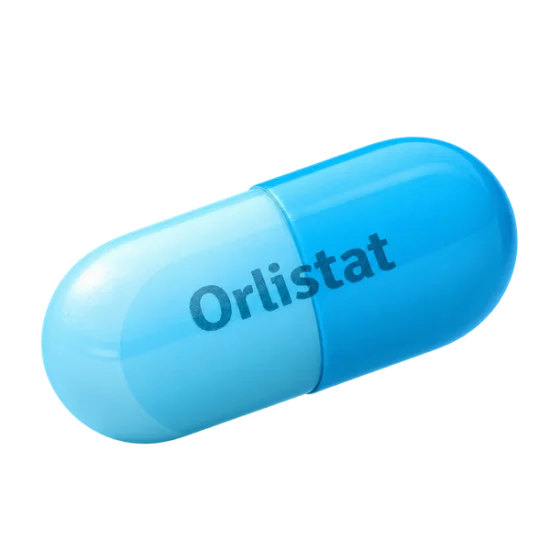
Orlistat is supplied as capsules. The active ingredient is orlistat, a lipase inhibitor used in the management of obesity. Orlistat belongs to the anti-obesity agent class.
Dosage and administration
Take each scheduled capsule with a meal that contains dietary fat or within the permitted timing window for that meal. If a meal contains no fat, the corresponding intake may be omitted according to the prescribed regimen. Do not compensate for a missed capsule by taking extra capsules later.
The treatment plan normally includes:
- A reduced-calorie diet with a controlled fat content.
- Regular meals rather than prolonged fasting followed by a large meal.
- Physical activity suited to the person’s medical condition.
- Monitoring of weight, bowel symptoms, nutritional intake, and relevant medicines.
- Review of treatment response if weight reduction remains limited after the initial treatment period.
Ingredients
Orlistat is supplied as capsules. The active ingredient is orlistat, a lipase inhibitor used in the management of obesity. The amount taken at each intake is set individually rather than being one fixed amount for every person, so the appropriate regimen should come from the prescriber or the product’s regulatory dosing instructions.
How it affects the body
Orlistat acts inside the digestive tract, where it binds gastric and pancreatic lipases. These enzymes normally break dietary triglycerides into smaller molecules that the intestine can absorb. When lipase activity is blocked, part of the dietary fat remains undigested and leaves the body in the stool. This local action limits absorption without directly suppressing appetite.
The medicine does not directly “burn” stored fat. Weight loss occurs when reduced fat absorption is combined with lower calorie intake and regular activity. Clinical guidance from the European Medicines Agency describes Orlistat as an adjunct to diet and lifestyle measures rather than a stand-alone treatment [1].
Inhibition of Gastrointestinal Lipases
Orlistat acts mainly within the intestinal lumen. Approximately 30% of ingested dietary fat may pass through the digestive tract without absorption when the medicine is used as directed. The unabsorbed fat can make stools softer, oily, or more difficult to control, especially after a high-fat meal.
The practical consequence is clear: the amount of fat eaten affects both the treatment response and the likelihood of digestive side effects. A meal containing less fat generally produces fewer oily-stool symptoms than a meal dominated by fried food, creamy sauces, or fatty meat.
Metabolic Effects Beyond Weight Reduction
Sustained weight loss may improve several obesity-related health markers, including blood pressure, waist circumference, blood glucose control, and serum lipid profiles. Lower low-density lipoprotein cholesterol may occur as part of this wider weight-management response.
Orlistat itself works locally, while the metabolic benefits develop through reduced calorie and fat absorption over time. It should not be viewed as a direct treatment for cardiovascular disease or diabetes. The World Health Organization links obesity management with long-term dietary, physical-activity, and clinical support rather than reliance on one intervention alone [2].

Therapeutic indications
Adults living with obesity may use Orlistat as part of a reduced-calorie weight-management programme.
Common mistakes
Several avoidable mistakes can make Orlistat feel ineffective or difficult to tolerate:
- Taking a capsule with a meal that contains a large amount of fat.
- Treating oily stools as unexpected when they follow a high-fat meal.
- Taking extra capsules after missing an intake.
- Taking a multivitamin at the same time as Orlistat.
- Failing to mention warfarin, amiodarone, levothyroxine, or ciclosporin.
- Stopping all dietary fat instead of distributing a moderate amount across meals.
- Continuing treatment despite jaundice, severe abdominal pain, or reduced urine output.
- Measuring success only by daily scale changes.
- Sharing capsules with a family member.
- Forgetting that weight loss can change diabetes or blood-pressure medicine requirements.
One detail is easy to miss: a meal can appear small but still contain substantial fat if it includes fried toppings, creamy dressing, cheese, pastry, or oily sauces.
When not to use it
Orlistat is not for you if you have chronic malabsorption syndrome or cholestasis. It is also unsuitable during a previous serious allergic reaction to Orlistat or one of its ingredients.
Extra assessment is needed with chronic kidney disease (CKD). Reduced kidney function may increase concern about oxalate nephropathy, a kidney complication associated with increased oxalate exposure.
| Situation | Clinical concern | Action before treatment |
|---|---|---|
| Chronic malabsorption syndrome | Fat and vitamin absorption are already impaired | Orlistat is unsuitable |
| Cholestasis or impaired bile flow | Fat digestion and absorption may be disturbed | Avoid unless a specialist determines otherwise |
| Chronic kidney disease | Possible oxalate-related kidney injury | Review kidney function and stone history |
Pregnancy is another reason for careful treatment selection. Orlistat is not intended for routine weight loss during pregnancy, when nutritional needs and fetal development take priority. Breastfeeding also requires individual assessment because weight-loss treatment may affect nutritional status.
When this is not for you
Stop taking further doses and seek urgent medical care if symptoms suggest a severe allergic reaction, such as swelling of the face or throat, breathing difficulty, widespread hives, faintness, or rapidly worsening rash.
Contact a clinician promptly if there is:
- Yellowing of the skin or eyes.
- Dark urine with unusually pale stools.
- Severe or persistent abdominal pain.
- Markedly reduced urine output.
- New flank pain or blood in the urine.
- Severe weakness after prolonged diarrhoea.
- A rash with fever or mucosal sores.
These symptoms are not ordinary dietary side effects. They may signal liver injury, kidney complications, pancreatitis, bleeding, or hypersensitivity and should not be managed by simply adjusting the meal plan.
Possible side effects
Digestive effects are the most characteristic adverse reactions associated with Orlistat. They result from unabsorbed fat reaching the lower bowel. Common problems include fatty or oily poo, oily spotting, increased bowel frequency, abdominal discomfort, stomach pain, flatulence, faecal urgency, and diarrhoea.
Symptoms are often more noticeable during the early part of treatment or after meals containing a large amount of fat. This pattern gives patients a practical way to identify dietary triggers. A sudden change in stool consistency can occur after one rich meal, even when the rest of the day’s meals were moderate.
Other possible effects include:
- Loose stools or difficulty delaying a bowel movement.
- Oily discharge from the rectum.
- Abdominal bloating and cramping.
- Nausea.
- Reduced absorption of fat-soluble vitamins.
- Headache or tiredness in some users.
A reduced-fat meal plan generally improves tolerability. Persistent diarrhoea can contribute to dehydration, and repeated oily stools may affect adherence if the person has no access to a toilet during work or travel.
Vitamin A, D, E, and K absorption may fall during treatment. A clinician may recommend a suitable multivitamin, usually taken at a separate time from Orlistat, because taking both together can reduce vitamin absorption.
Comparison
Mechanism-Based Comparison With Other Weight-Management Approaches
| Approach | Main action | Practical limitation |
|---|---|---|
| Orlistat capsules | Reduces intestinal absorption of dietary fat | Oily stools, urgency, and vitamin-absorption concerns |
| Appetite-focused medicine | Alters appetite or satiety signalling | May cause central nervous system or gastrointestinal effects |
| Injectable incretin-based therapy | Influences appetite, gastric emptying, and glucose regulation | Injection use, gastrointestinal symptoms, and medical monitoring |
Orlistat may suit an adult who prefers an oral, locally acting approach and accepts the need to manage dietary fat carefully. It may be less suitable for someone with chronic digestive problems, impaired bile flow, or medicines whose absorption requires close control.
What doctors say
Doctors generally describe Orlistat as a tool for structured weight management rather than a rapid solution. The medicine has a logical mechanism, but its practical value depends on whether the person can maintain a lower-fat diet and continue treatment despite bowel changes.
A clinician will usually assess body mass index, waist-related risk, blood pressure, glucose status, lipid levels, kidney function, digestive history, and current medicines. The expected benefit should be judged against tolerability and measurable progress rather than appetite changes alone.
Patients often make better progress when the first goal is dietary control rather than aggressive restriction. A very low-fat diet may reduce adverse effects, while an extreme calorie restriction can make adherence difficult and increase the chance of nutritional gaps.
The National Institute for Health and Care Excellence recommends combining weight-management medicines with dietary, behavioural, and physical-activity support, with continued treatment linked to meaningful clinical response [3].
Comparison
Common questions
Which diet, exercise, and habits help Orlistat work better?
A reduced-calorie diet with fat distributed across meals helps limit oily stools and supports weight reduction. Regular walking, resistance exercise, adequate sleep, and consistent meal times can improve long-term adherence. The WHO obesity framework published in 2023 supports combining nutrition, activity, behavioural measures, and appropriate medical treatment rather than relying on one method [4]. Large high-fat meals, frequent takeaway food, heavy alcohol intake, and irregular eating can make side effects more difficult to manage.
What happens after stopping Orlistat, and is tapering needed?
Orlistat does not usually require tapering because it acts locally in the gastrointestinal tract and does not create a typical withdrawal syndrome. After stopping, dietary fat absorption returns toward the person’s usual baseline, so weight may increase if calorie intake rises or activity falls. The EMA product information from 2018 supports reviewing the wider weight-management plan when treatment is discontinued. A planned transition helps preserve eating and activity habits.
How long does one Orlistat dose keep working?
The effect relates to the meal taken with the capsule rather than a prolonged appetite-suppressing action throughout the day. Orlistat inhibits gastrointestinal lipases while it is present in the digestive tract, so each scheduled intake is linked to a meal containing fat. The FDA label from 2018 describes administration around meals and explains that a dose is omitted when a meal contains no fat. Taking extra capsules does not extend the intended effect safely.
What should be discussed with a doctor before starting Orlistat?
Discuss chronic malabsorption, cholestasis, gallbladder or bile-flow problems, chronic kidney disease, kidney stones, pregnancy, breastfeeding, and previous severe allergies. Provide a complete list of prescription medicines, especially warfarin, amiodarone, levothyroxine, ciclosporin, and diabetes treatments. MOHAP-related clinical practice in the UAE, reviewed in 2024, places medicine review and patient-specific assessment at the centre of safe treatment selection. Kidney function, nutritional status, and the reason for weight management may also affect the plan.
How long does a course last, and is long-term use acceptable?
The treatment duration is individual and depends on weight response, adverse effects, nutritional status, and coexisting conditions. NICE guidance from 2025 supports reviewing whether treatment continues to provide meaningful benefit. Some adults may use Orlistat for an extended period when a clinician confirms continued benefit and monitors relevant risks. Long-term treatment may require attention to vitamins A, D, E, and K, bowel tolerability, kidney health, and changes in diabetes or anticoagulant therapy. A course should not be extended automatically when meaningful progress is absent.
Do you offer anonymous delivery?
Your order will be securely packed and shipped within 24 hours. This is exactly what your package will look like (images of an actual item sent). It has the size and look of a regular private letter (24x11x0.7 cm) and its contents cannot be seen.
Gastrointestinal Side Effect Profile
Reviews: Orlistat
My doctor reviewed my warfarin monitoring before I started. I lost weight slowly over several weeks, but the bowel urgency was inconvenient when I went out. Taking the capsule with lower-fat meals made it easier to continue.
The first two weeks were uncomfortable after meals with fried food. Once I reduced the fat and stopped eating late heavy dinners, the oily leakage settled. I still needed regular follow-up because of my other medicines.
I expected less hunger, but that did not happen because Orlistat is not an appetite suppressant. The benefit was gradual and depended on eating smaller portions. I missed one intake and did not double the next one.
The capsules fitted my preference for oral treatment, yet diarrhoea made the first month difficult. My clinician reviewed my kidney history and medicines before continuing. The result was modest rather than dramatic, but my waist measurement improved.
Sources
- European Medicines Agency (2018). Orlistat-containing medicinal products: Summary of Product Characteristics.
- World Health Organization (2023). WHO guideline for the prevention and management of obesity over the life course.
- National Institute for Health and Care Excellence (2025). Obesity: identification, assessment and management.
- World Health Organization (2023). Obesity and overweight: fact sheet.