Skip to content
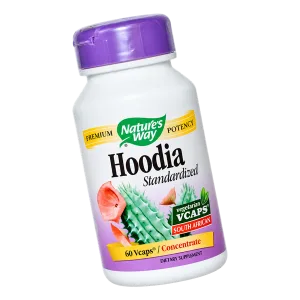
Hoodia
Active ingredient: Hoodia

Hoodia

Quality products
24/7 Support
Fast delivery
Delivery from 4 days
Select pack Package Per unit Price

Free delivery on orders from AED 860.00, free express delivery from AED 1,290.00

Secure Payments
Track your order
Best price guarantee

Capsules marketed as Hoodia contain a botanical ingredient associated with appetite-control traditions from southern Africa. Hoodia is intended for adults seeking herbal support for appetite management, while clinical evidence for weight reduction remains limited.

Product information

Hoodia capsules contain a botanical ingredient associated with appetite-control traditions from southern Africa. Hoodia belongs to the category of plant-based dietary supplements marketed for appetite management, with Hoodia gordonii as the best-known species.

Dosage and administration

Hoodia is an oral botanical dietary supplement in capsule form, associated with appetite-control traditions from southern Africa. Adults use it for appetite management, appetite suppression and herbal slimming support. How much to use and how often to take it depend on the purpose of use and are agreed with a doctor or pharmacist.

Ingredients

Hoodia refers to a group of succulent plants in the Apocynaceae family. The best-known species is Hoodia gordonii, a thorn-bearing plant adapted to the dry regions of the Kalahari Desert. Its natural range includes parts of Angola, Botswana, South Africa, and Namibia.

Hoodia plants store water in thick, fleshy stems. Their reduced leaf surfaces and protective thorns help limit water loss and deter grazing animals in an arid climate. Hoodia gordonii develops flesh-colored flowers that produce an odor resembling rotten meat. This scent attracts flies, which can transfer pollen between flowers.

Pollination and floral characteristics

The flowers of Hoodia gordonii use visual and odor cues rather than nectar appeal alone. The flesh-colored surface and rotten-meat odor imitate decaying organic material, attracting flies that act as pollinators.

This adaptation is useful in a desert ecosystem where conventional pollinators may be less predictable. It also explains why the plant has a distinctive floral appearance and smell despite its relatively inconspicuous growth habit.

How it affects the body

The proposed mechanism has been linked to plant constituents that could influence hunger-related signalling, although a consistent human mechanism has not been established.

Therapeutic indications

Hoodia is marketed as a dietary supplement for appetite suppression and herbal slimming support. Product claims often suggest that Hoodia gordonii may increase satiety, reduce food intake, or support weight loss.

The results did not establish Hoodia as a dependable appetite suppressant for routine weight management [1].

Common mistakes

Several mistakes can make Hoodia use less informative or less tolerable:

  • Increasing the amount because hunger does not change quickly.
  • Combining it with stimulant-containing weight-loss products.
  • Skipping meals and then interpreting weakness as appetite suppression.
  • Ignoring dizziness, palpitations, persistent nausea, or a spreading rash.
  • Starting it without mentioning diabetes medicines or blood-pressure treatment.
  • Treating a capsule count as proof of extract strength.
  • Continuing it despite unexplained weight loss or an eating-disorder history.
  • Expecting a botanical supplement to compensate for inadequate sleep and irregular meals.

One detail patients often miss is the effect of timing. Taking several appetite-focused products close together can make nausea, tremor, or a racing heartbeat difficult to attribute to one ingredient.

When not to use it

This product is not suitable for you if any of the following applies:

  • You are pregnant or breastfeeding.
  • You have a known allergy to Hoodia or another ingredient in the capsules.
  • You have anorexia nervosa, bulimia, or another eating disorder.
  • You have uncontrolled diabetes or frequent episodes of low blood glucose.
  • You have significant liver or kidney disease.
  • You have unexplained weight loss, persistent vomiting, or difficulty maintaining food intake.
  • You are taking several medicines that affect blood pressure, blood glucose, heart rhythm, mood, or appetite without a medication review.

Evidence for specific Hoodia drug interactions is limited, which does not mean that interactions are impossible. Extra caution is appropriate with insulin, sulfonylureas, GLP-1 medicines, antihypertensives, diuretics, stimulant medicines, and supplements marketed for energy or appetite control.

The European Medicines Agency’s guidance on herbal medicinal products supports assessing botanical preparations by their identity, preparation, dose, duration, and known risks rather than assuming that all products made from the same plant behave identically [3].

When this is not for you

Hoodia may be unsuitable for people with diabetes, eating disorders, pregnancy, breastfeeding, liver disease, kidney disease, or a history of significant reactions to botanical products. People taking medicines that affect blood glucose, blood pressure, heart rhythm, mood, or appetite need a specific interaction review before starting.

The same principle applies to dietary supplement Hoodia [2].

Possible side effects

The main tolerability concern is gastrointestinal discomfort. Nausea, abdominal uneasiness, constipation, or a dry mouth may occur when appetite and fluid intake change. Headache or dizziness may be more noticeable if meals become irregular.

People with diabetes need extra care because eating less can alter glucose requirements even when the supplement itself has no proven glucose-lowering action. Monitoring symptoms and prescribed glucose measurements is more reliable than judging the product by hunger alone.

Hoodia may also cause an allergic reaction. Mild itching or a limited rash requires prompt medical advice if it continues, while swelling of the lips, tongue, or throat requires urgent care.

A person may also experience no appetite change. That outcome does not justify increasing the amount used, because a higher intake has not been established as a reliable route to better results.

Comparison

Botanical supplements and prescription appetite treatments differ in evidence, regulatory assessment, and mechanism. Prescription options are evaluated for a defined active substance, dosing schedule, contraindications, and measurable clinical outcomes. Hoodia is a plant-based supplement with limited human evidence and no established predictable dose-response relationship.

Approach Main distinction
Hoodia supplement Botanical product associated with traditional appetite-control use; clinical weight-loss evidence remains limited
Prescription appetite treatment Defined active substance with formal dosing, safety monitoring, and condition-specific clinical evidence
Behavioural weight management Uses nutrition, activity, sleep, and psychological support without relying on an appetite-suppressing ingredient

A synthetic appetite suppressant is not automatically suitable for every person. It may carry cardiovascular, psychiatric, gastrointestinal, or dependence-related risks depending on the active substance. Hoodia may appear simpler because it is botanical, yet the evidence and interaction profile are less clearly defined.

The better comparison is not capsule versus tablet. It is known dose and demonstrated outcome versus uncertain concentration and limited clinical evidence.

What doctors say

In clinical practice, a doctor would first clarify the intended goal: appetite awareness, weight reduction, or support during a broader nutrition plan. Weight change is affected by calorie intake, sleep, activity, stress, endocrine conditions, and medicines, so a single supplement rarely explains the result.

A clinician would also ask whether the person has diabetes, hypertension, an eating disorder, pregnancy, liver disease, or unexplained weight loss. Those details can change the balance of risk before any botanical product is used.

The Ministry of Health and Prevention (MOHAP) places health-product safety within a broader framework of appropriate product use and risk awareness in the United Arab Emirates. For Hoodia, the practical clinical message is measured expectations: the product may be considered as a supplement, while evidence does not support presenting it as a guaranteed weight-loss treatment.

Comparison

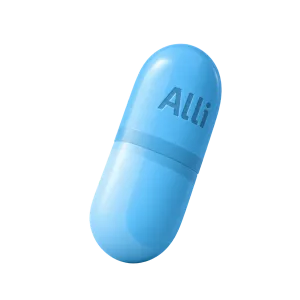
Alli

Active ingredient: Orlistat
60mg
From AED 614.90
pills
3.9 (5)

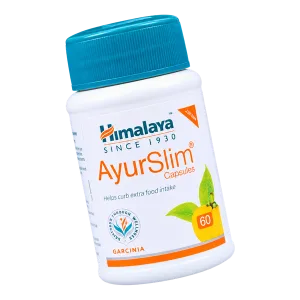
Ayurslim

Active ingredient: Ayurslim
60caps
From AED 546.10
bottles
3 (3)

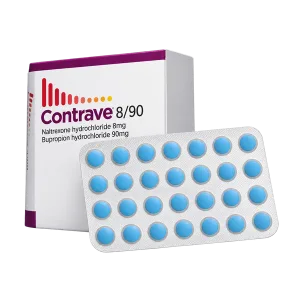
Contrave

Active ingredient: Bupropion
98mg
From AED 606.30
pills
3.8 (4)

Hoodia Current

Active ingredient: Hoodia
400mg60caps
From AED 344.00
bottles
3 (3)

Orlistat

Active ingredient: Orlistat
120mg 60mg
From AED 430.00
capsules
3.9 (5)

Comparison table: Weight Loss

Common questions

What should be discussed with a doctor before starting Hoodia?

Discuss diabetes, blood-pressure problems, liver or kidney disease, pregnancy, breastfeeding, eating-disorder history, allergies, and every medicine or supplement you use. The National Institutes of Health Office of Dietary Supplements describes weight-loss supplements as a group with variable evidence and potential safety concerns, so the intended goal should also be clear. This is especially relevant in 2026 for people already using prescription medicines that influence appetite or glucose. A doctor or pharmacist can then assess whether Hoodia fits the person’s medical history. The European Medicines Agency’s 2006 herbal-medicine guidance also supports reviewing preparation, dose, and duration.

How long does one Hoodia dose keep working?

A predictable duration of appetite suppression has not been established for Hoodia. The controlled 15-day Hoodia gordonii study assessed repeated use rather than proving that one capsule produces a defined number of hours of effect. The 2011 clinical evidence therefore cannot support a precise single-dose duration. In 2026, a person should not repeat doses early simply because hunger returns.

Does Hoodia cause dry mouth?

Dry mouth can occur with appetite-focused botanical products, although the frequency for Hoodia has not been firmly established. The 2011 randomized trial examined tolerability during repeated purified-extract use, but it did not create a reliable symptom rate for every Hoodia capsule formulation. Sip water regularly and avoid treating severe thirst, dizziness, or reduced urination as a normal expected effect. Persistent or pronounced symptoms warrant stopping the product and obtaining medical advice.

What should be done if the expected appetite or weight result does not come?

Do not increase the amount or add another appetite suppressant. The National Institutes of Health Office of Dietary Supplements states that many weight-loss supplements have limited evidence, and lack of benefit should prompt reassessment rather than escalation. Review meal timing, sleep, activity, medicines, and possible medical causes of weight change with a clinician. By 2026, persistent weight concerns are better addressed through an individualized plan than through repeated supplement changes.

Which symptoms require stopping Hoodia and seeking urgent care?

Stop use and seek urgent care for facial or throat swelling, breathing difficulty, fainting, chest pain, severe palpitations, confusion, or a rapidly spreading rash. These symptoms may indicate a serious allergic reaction or another acute condition. The World Health Organization’s 2019 approach to medicinal-product safety supports prompt assessment of severe or unexpected reactions. Severe vomiting, inability to keep fluids down, or marked weakness also requires urgent evaluation.

Can Hoodia be combined with diabetes or weight-loss medicines?

Combining Hoodia with diabetes medicines, stimulant products, or other appetite-focused supplements requires a medication review first. Reduced food intake may alter glucose control, while combined stimulant effects may increase tremor, restlessness, palpitations, or insomnia. MOHAP’s 2023 safety principles in the United Arab Emirates support providing a complete product list before combining health products. The same caution applies to herbal mixtures marketed for energy, metabolism, or slimming.

How does Hoodia differ from prescription appetite treatments?

Hoodia is a botanical supplement associated with traditional appetite-control use, while prescription appetite treatments contain defined active substances with established dosing and condition-specific clinical evaluation. The European Medicines Agency’s 2006 herbal-medicine guidance considers preparation, quality, safety, and therapeutic use, but that framework does not turn every Hoodia supplement into a prescription treatment. Prescription options may have stronger clinical evidence but also more specific contraindications and monitoring requirements. Hoodia has a less clearly defined mechanism and a less predictable dose-response relationship.

Do you offer anonymous delivery?

Your order will be securely packed and shipped within 24 hours. This is exactly what your package will look like (images of an actual item sent). It has the size and look of a regular private letter (24x11x0.7 cm) and its contents cannot be seen.

Commercial capsule formulations

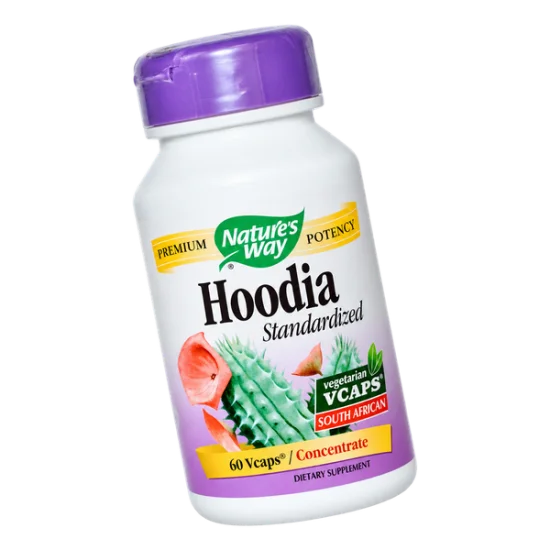
Hoodia has been commercialized in several forms, including encapsulated powders, tablets, teas, liquid extracts, and powdered plant material. The product on this page is supplied as Vcaps in a bottle, with the product data identifying a 60-capsule presentation.

Capsules offer a consistent physical format, but capsule size does not reveal the concentration of active plant constituents. A standardized extract may contain a defined marker compound, while a simple powdered botanical may contain a broader and less predictable mixture of plant material.

Reviews: Hoodia

3
Based on 3 reviews
Waleed, 36 Dubai Marina Several weeks
Verified
Rating: 3.5 out of 5

I noticed slightly less interest in snacking in the afternoon, but the change was modest. I still needed regular meals, and I stopped when dry mouth became uncomfortable.

22 Oct 2026
Imran, 57 Dibba Al-Fujairah One week
Verified
Rating: 2.5 out of 5

The first week brought no obvious appetite change. I later felt light-headed on days when I skipped lunch, so I discontinued it rather than increasing the amount.

4 Nov 2026
Vikram A., 59 Al Barsha A short period
Verified
Rating: 3 out of 5

I hoped it would make weight control easier, but my hunger felt much the same. I had mild stomach discomfort and decided that the limited benefit was not worth continuing.

19 Nov 2026

Sources

  1. PubMed (2011). Effects of 15-d repeated consumption of Hoodia gordonii purified extract on safety, ad libitum energy intake, and body weight in healthy, overweight women: a randomized controlled trial.
  2. National Institutes of Health, Office of Dietary Supplements (2024). Dietary Supplements for Weight Loss Fact Sheet for Health Professionals.
  3. European Medicines Agency (2006). Guideline on the assessment of herbal medicinal products.
Get our free app Shop faster and track your orders 3.9 · 576 reviews Install