Skip to content
Contrave
Active ingredient: Bupropion

Contrave

Quality products
24/7 Support
Fast delivery
Delivery from 4 days
Select pack Package Per unit Price

Free delivery on orders from AED 860.00, free express delivery from AED 1,290.00

Secure Payments
Track your order
Best price guarantee

Obesity and weight-related health risks may require more than lifestyle changes alone. Contrave combines naltrexone hydrochloride and bupropion hydrochloride for adults with obesity or overweight plus a related medical condition. It supports appetite control and reduces reward-driven food cravings alongside a reduced-calorie diet and physical activity.

Product information

Contrave is an oral prescription treatment for chronic weight management. It contains two active substances: naltrexone hydrochloride and bupropion hydrochloride. The amount taken at each intake is set individually for each person rather than being one fixed number. Contrave is a combination treatment that influences appetite, motivation, and food reward pathways.

Dosage and administration

The amount taken at each intake is set individually by the prescriber rather than being one fixed amount for every person. Contrave tablets are taken by mouth and swallowed whole.

Prescribing commonly follows a gradual escalation schedule before reaching the selected maintenance dose. The exact regimen depends on medical history, tolerability, blood pressure, other bupropion exposure, and the prescriber’s treatment plan.

Key administration principles include:

  • Take the tablets exactly at the prescribed times.
  • Swallow each tablet whole with liquid.
  • Do not crush, chew, or split the tablets, because they are extended-release tablets.
  • Avoid taking the evening dose close to bedtime if it contributes to insomnia.
  • Do not take more tablets to compensate for reduced appetite control.
  • If a dose is missed, skip it rather than doubling the next intake.

Contrave should not be taken with a high-fat meal because this can increase exposure to its active ingredients. The FDA label also advises against taking more than the prescribed amount because higher bupropion exposure raises seizure risk [3].

A common practical error is taking a missed morning dose late in the evening. That can produce restlessness or trouble sleeping; skipping the missed dose is usually safer than moving the schedule forward without medical direction.

Ingredients

Contrave combines naltrexone and bupropion, two substances with different pharmacological actions. The amount taken at each intake is set individually for each person rather than being one fixed number.

How it affects the body

Naltrexone is an opioid receptor antagonist. It blocks opioid receptors involved in reward signalling and can reduce the reinforcing effect of food-related pleasure. Bupropion affects noradrenaline and dopamine signalling in the central nervous system. It is also used in other formulations for depression and smoking cessation.

Together, the ingredients influence neural pathways involved in appetite, motivation, and food reward. The hypothalamus helps regulate hunger and energy balance. The mesolimbic dopamine pathway contributes to reward and reinforcement. Contrave acts on both areas through a combined pharmacological effect rather than by simply suppressing stomach activity. This combined action can influence both appetite signals and food-related reinforcement.

The FDA prescribing information describes the combination as a treatment that affects appetite and craving pathways [2].

Synergistic Effects on Brain Reward Centres

Bupropion can stimulate pro-opiomelanocortin neurons in the hypothalamus. These neurons release signals associated with reduced food intake and increased energy expenditure. Naltrexone may help prevent an opioid-mediated feedback process that could reduce this response.

The clinical effect is gradual. It does not produce the immediate fullness associated with a large meal, and it does not remove the need for portion control. Some people notice fewer cravings before they see a substantial change in body weight.

Therapeutic indications

The treatment is intended for adults with:

  • A body mass index (BMI) of 30 kg/m² or higher, indicating obesity.
  • A BMI of at least 27 kg/m² with a weight-related condition, such as type 2 diabetes, high blood pressure, or abnormal blood lipid levels.
  • A need for additional support with appetite regulation and food cravings despite dietary and activity measures.

Contrave is used with a reduced-calorie eating plan and regular physical activity. It is not designed to replace dietary changes, movement, sleep management, or treatment of conditions that contribute to weight gain. The World Health Organization describes obesity as a chronic, relapsing disease influenced by biological, environmental, and behavioural factors [1].

A realistic treatment goal is measured by changes in body weight, waist circumference, appetite control, blood pressure, glucose, and daily functioning rather than by the scale alone.

The FDA-approved indication is chronic weight management in adults meeting the relevant BMI criteria. Treatment should be reviewed if clinically meaningful weight loss does not occur during the prescribed evaluation period.

Common mistakes

Several errors can reduce benefit or increase risk:

  • Taking an extra tablet after overeating.
  • Crushing the extended-release tablet to make swallowing easier.
  • Starting treatment while using codeine, tramadol, morphine, oxycodone, or another opioid.
  • Stopping regular alcohol use abruptly without telling the prescriber.
  • Ignoring rising blood pressure, palpitations, severe insomnia, or sudden mood changes.
  • Treating the medicine as permission to abandon meal planning and physical activity.
  • Taking a late missed dose close to bedtime.
  • Assuming that stronger appetite suppression means a better result.
Keep a simple record of sleep, bowel movements, blood pressure if monitoring is advised, cravings, and any opioid exposure. These details give the prescriber more useful information than body weight alone.

When not to use it

Contrave is not suitable for you if you:

  • Have uncontrolled hypertension.
  • Have a seizure disorder or a condition that substantially increases seizure risk.
  • Have current or previous anorexia nervosa or bulimia.
  • Use another medicine containing bupropion.
  • Use chronic opioids or are dependent on opioids.
  • Are undergoing acute opioid withdrawal.
  • Have taken a monoamine oxidase inhibitor within the relevant interaction period.
  • Have a known allergy to naltrexone, bupropion, or an inactive tablet ingredient.
  • Are pregnant, because intentional weight loss offers no benefit during pregnancy and may harm the fetus.

Opioid use deserves special attention. Naltrexone blocks opioid receptors, so opioid pain medicines may not work normally. Attempting to overcome this blockade by taking larger opioid amounts can cause respiratory depression or death once the blockade weakens.

Contrave can also precipitate opioid withdrawal in someone who still has opioids in the body. A planned opioid-free interval is required before treatment, with the length determined by the opioid involved and the clinical situation.

Seizure risk rises with excessive dosing, alcohol withdrawal, sedative withdrawal, eating disorders, head injury, certain neurological disorders, and interacting medicines. Contrave may also cause angle-closure glaucoma in people with anatomically narrow angles.

When this is not for you

Contrave is not suitable for every person who wants to lose weight. It requires careful screening because bupropion can lower the seizure threshold, while naltrexone blocks opioid receptors and can interfere with opioid pain relief.

Bupropion-containing medicines carry warnings about suicidal thoughts and behavioural changes, especially when treatment begins or the dose changes. New depression, severe agitation, unusual impulsivity, mania, hallucinations, or thoughts of self-harm need immediate clinical attention.

Tell the prescriber about every opioid exposure, including codeine-containing cough products, tramadol, and opioid pain relief used after surgery. The interaction is pharmacological, not limited to strong prescription opioids.

Possible side effects

The most frequently reported adverse reactions include nausea, constipation, headache, vomiting, dizziness, dry mouth, diarrhoea, and trouble sleeping. Gastrointestinal symptoms are often more noticeable during dose escalation and may ease as the body adjusts.

Adverse reaction Practical clinical meaning
Nausea or vomiting Often appears early; hydration and smaller meals may help
Constipation or diarrhoea Monitor fluid intake and bowel changes
Headache, dizziness, or dry mouth Can affect driving and daily concentration
Trouble sleeping Evening dosing may worsen insomnia

Contrave can also increase blood pressure or heart rate. People with hypertension may require closer monitoring during treatment. Bupropion may cause agitation, anxiety, tremor, or mood changes in some patients.

Severe symptoms require urgent medical assessment. These include a seizure, facial or throat swelling, difficulty breathing, severe rash, chest pain, fainting, marked confusion, or new suicidal thoughts.

One detail patients sometimes miss is the effect on sleep. Even when appetite improves, taking the later dose too close to bedtime may lead to several nights of poor sleep. Another is constipation: reduced food intake and lower fluid consumption can compound the problem.

Liver injury or hepatitis is an important concern because naltrexone can affect the liver. Persistent abdominal pain, dark urine, yellowing of the skin, pale stools, or unusual fatigue need prompt medical evaluation.

Comparison

Weight-management treatments differ in route, mechanism, contraindications, and side-effect profile. A drug is selected according to medical history rather than by appetite suppression alone.

Treatment category Main action and trade-off
Contrave Oral naltrexone–bupropion combination; may help appetite and reward-driven cravings, but has seizure, blood-pressure, opioid, and mood-related restrictions
GLP-1 receptor agonist therapy, such as Saxenda Injectable appetite and gastric-emptying pathway treatment; nausea and injection use can affect suitability
Lipase inhibition, such as Xenical Reduces intestinal fat absorption; oily stools and urgent bowel movements are common limitations

Qsymia combines phentermine with topiramate and acts through appetite and central nervous system pathways. Its restrictions include pregnancy-related fetal risk, cognitive effects, mood effects, and cardiovascular considerations.

Belviq was formerly used for weight management but is no longer a current treatment option in the United States after its withdrawal. It should not be treated as a routine alternative to Contrave.

Contrave’s main potential advantage is its oral dual-mechanism approach for people whose eating is influenced by cravings and reward. Its main limitations are the need to avoid opioid medicines and bupropion-containing products, along with seizure and blood-pressure concerns. A GLP-1 receptor agonist may be preferred when glucose control is central to the treatment plan, while a lipase inhibitor may suit someone who needs a non-central mechanism.

What doctors say

In clinical practice, doctors usually assess three issues before prescribing Contrave: whether the person meets the weight-management criteria, whether bupropion or naltrexone creates a specific risk, and whether the patient can follow the titration schedule.

Physicians often monitor blood pressure, pulse, sleep, mood, constipation, nausea, and craving patterns during the early weeks. A reduction in snacking may appear before a measurable weight change. The response is more useful when tracked over several weeks with consistent nutrition and activity habits.

A prescriber may stop treatment when the expected benefit is not achieved after the defined assessment period. Continuing a medicine without meaningful benefit exposes the patient to adverse effects without a clear clinical return.

Comparison

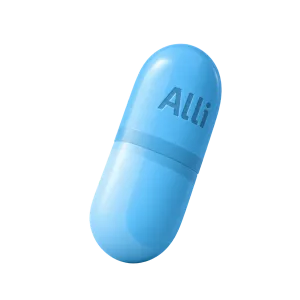
Alli

Active ingredient: Orlistat
60mg
From AED 614.90
pills
3.9 (5)

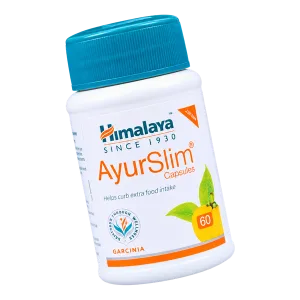
Ayurslim

Active ingredient: Ayurslim
60caps
From AED 546.10
bottles
3 (3)

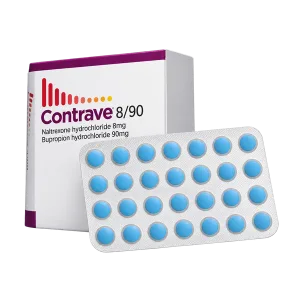
Contrave Current

Active ingredient: Bupropion
98mg
From AED 606.30
pills
3.8 (4)

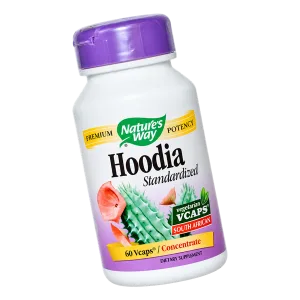
Hoodia

Active ingredient: Hoodia
400mg60caps
From AED 344.00
bottles
3 (3)

Orlistat

Active ingredient: Orlistat
120mg 60mg
From AED 430.00
capsules
3.9 (5)

Comparison table: Weight Loss

Common questions

What is the best time of day to take Contrave?

The FDA prescribing information describes divided dosing with the timing selected during gradual titration, rather than taking the full daily amount at once. Many people take the later dose early enough to reduce the chance of insomnia, while the exact schedule remains individualised. The EMA’s clinical guidance on weight-management medicines supports adjusting treatment to tolerability and patient characteristics, as reflected in its 2016 guidance. A missed dose should not be replaced by doubling the next intake.

Can older adults use Contrave?

Older adults may use Contrave only after an individual assessment of kidney function, liver function, blood pressure, seizure risk, opioid exposure, and other medicines. The FDA label from 2021 reports limited representation of older adults in clinical studies, so prescribers may monitor tolerability more closely. Dizziness, constipation, confusion, and falls deserve attention in later life. WHO guidance published in 2024 also supports assessing obesity treatment within the person’s wider health status rather than relying on BMI alone.

Can Contrave be combined with opioid medicines or supplements?

Contrave must not be combined with opioid medicines such as tramadol, codeine, morphine, oxycodone, or similar analgesics because naltrexone blocks opioid receptors and may trigger withdrawal or reduce pain control. It also must not be combined with another bupropion product. The FDA identified these interactions in the 2021 prescribing information. Herbal supplements that affect blood pressure, mood, seizure threshold, or sedation also require review before treatment begins.

Is Contrave suitable for people under 18?

Contrave is intended for adults and is not established as a routine treatment for people under 18. The FDA prescribing information from 2021 does not provide a standard paediatric indication. Weight management in adolescents requires assessment of growth, puberty, eating behaviour, mental health, and family circumstances. A paediatric specialist should direct any treatment outside the adult indication.

Should Contrave be taken with food or on an empty stomach?

Contrave may be taken with food, but it should not be taken with a high-fat meal. The FDA label from 2021 warns that high-fat meals can increase exposure to naltrexone and bupropion. Taking the tablets with a consistent light meal may help some people manage nausea, while others tolerate them with less food. The tablets should be swallowed whole with liquid.

What happens when Contrave is stopped, and does it need tapering?

Contrave does not require a routine taper in the same way as some medicines that produce significant physiological withdrawal, but the prescriber should decide how treatment ends. The FDA label from 2021 focuses on stopping for adverse reactions, lack of benefit, contraindications, or pregnancy rather than recommending an automatic taper for every patient. Appetite and cravings may return when treatment stops, especially if eating routines have not changed. Opioid use after naltrexone exposure requires special caution because opioid tolerance may be reduced.

How does Contrave differ from the closest alternative by mechanism?

Contrave combines an opioid antagonist with a noradrenaline–dopamine reuptake inhibitor, while GLP-1 receptor agonist treatment acts through incretin pathways affecting appetite, gastric emptying, and glucose regulation. NICE guidance published in 2025 describes weight-management medicines as options selected according to clinical suitability, comorbidities, and treatment response. Contrave is oral and has strict opioid and bupropion restrictions. GLP-1 treatment is generally injectable and has different gastrointestinal and pancreatic safety considerations.

Do you offer anonymous delivery?

Your order will be securely packed and shipped within 24 hours. This is exactly what your package will look like (images of an actual item sent). It has the size and look of a regular private letter (24x11x0.7 cm) and its contents cannot be seen.

Reviews: Contrave

3.8
Based on 4 reviews
Waleed, 66 Jebel Ali Several weeks
Verified
Rating: 3.5 out of 5

I used the tablets for several weeks under a weight-management plan. The first days brought nausea and a dry mouth, but the nausea became easier after the gradual increase. I noticed fewer evening cravings, although constipation meant I had to pay more attention to fluids and meals.

6 Oct 2026
Meera, 54 Kalba After the first month
Verified
Rating: 3.5 out of 5

My appetite was less intense after the first month, and I stopped looking for snacks late at night. Sleep became lighter when I took the later tablets too close to bedtime, so the timing needed discussion. The weight change was modest at first, but my eating pattern felt more manageable.

16 Oct 2026
Rashid T., 37 Dibba Al-Fujairah The first couple of weeks
Verified
Rating: 4 out of 5

I expected a quick result and felt disappointed during the first couple of weeks. Headache and dizziness were annoying during dose escalation. After adjusting my routine and keeping meals regular, cravings improved, but the treatment still required effort rather than replacing exercise.

24 Oct 2026
Hessa, 47 Dubai Marina
Verified
Rating: 4 out of 5

Contrave helped reduce food thoughts, especially after dinner. I also had constipation and occasional trouble sleeping. I found it useful only when combined with planned meals, and I would not take it again without reviewing my other medicines first.

1 Nov 2026

Sources

  1. World Health Organization (2024). Obesity and overweight
  2. U.S. Food and Drug Administration (2021). CONTRAVE (naltrexone hydrochloride and bupropion hydrochloride) extended-release tablets, for oral use
  3. U.S. Food and Drug Administration (2021). CONTRAVE Medication Guide
Get our free app Shop faster and track your orders 3.9 · 576 reviews Install