Skip to content
Alli
Active ingredient: Orlistat

Alli

Quality products
24/7 Support
Fast delivery
Delivery from 4 days
Select pack Package Per unit Price

Free delivery on orders from AED 860.00, free express delivery from AED 1,290.00

Secure Payments
Track your order
Best price guarantee

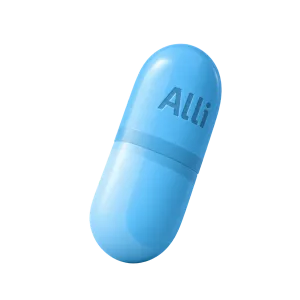
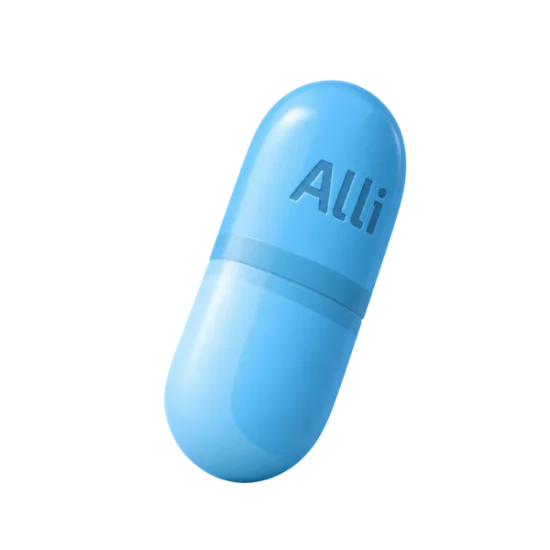
Alli reduces the amount of dietary fat absorbed from food by acting in the digestive tract. It is intended for adults with obesity who are following a reduced-calorie, lower-fat eating plan. Its active substance, orlistat, blocks enzymes that break down fat, supporting gradual weight reduction when combined with diet and regular activity.

Product information

Its active substance, orlistat, blocks enzymes that break down fat, supporting gradual weight reduction when combined with diet and regular activity.

Alli contains orlistat, a gastrointestinal lipase inhibitor used in the management of obesity. Its pharmacological classification is ATC A08AB01. The capsules act locally inside the stomach and small intestine, where dietary fat is processed before absorption.

Dosage and administration

Dosing differs between strengths and between users, so there is no single amount that suits everyone. Alli capsules are taken by mouth as part of a reduced-calorie, lower-fat eating plan, with the treatment schedule determined by the authorised directions for the specific presentation.

Key administration points include:

  • Take the capsule with a meal that contains dietary fat or within the authorised timing window for that meal.
  • Do not compensate for a missed dose by taking extra capsules later.
  • If a meal is skipped or contains no fat, the corresponding dose may not be needed under standard orlistat directions.
  • Keep daily fat intake distributed across meals rather than concentrating it in one large meal.
  • Continue dietary and activity measures throughout treatment.
  • Review progress if weight reduction is minimal despite consistent use.

Long-term use requires attention to nutrition because reduced fat absorption can reduce absorption of vitamins A, D, E, and K. A clinician may recommend a separate multivitamin taken at a different time from orlistat.

Do not treat the capsule as permission to eat a high-fat meal. The same meal pattern that produces the most digestive side effects also makes weight-management goals harder to maintain.

A missed dose should not be doubled. The safest response depends on when the omission is noticed and whether the associated meal contained fat.

Ingredients

Alli contains orlistat, a gastrointestinal lipase inhibitor used in the management of obesity. Its pharmacological classification is ATC A08AB01. The capsules act locally inside the stomach and small intestine, where dietary fat is processed before absorption.

Orlistat is used as part of a weight-management programme rather than as a stand-alone appetite suppressant. The expected benefit depends on reduced calorie intake, a lower-fat diet, and continued use according to the product’s authorised directions. The World Health Organization places orlistat in the digestive tract and metabolism category of the ATC system [1].

Alli is intended for adults with a high body mass index who need additional support with weight reduction. It does not directly increase energy expenditure, and it does not remove the need for dietary planning.

Fat intake affects tolerability. Meals with less dietary fat usually cause fewer oily stools, urgency, and intestinal leakage during orlistat treatment.

One practical detail is easy to miss: the medicine affects fat digestion, not protein or carbohydrate digestion. A meal containing little or no fat may not require the same treatment approach as a meal containing a substantial amount of dietary fat.

How it affects the body

Orlistat blocks gastrointestinal lipases, which are enzymes that split dietary triglycerides into smaller fatty acids and monoglycerides. These smaller molecules can normally cross the intestinal wall and enter the body.

When orlistat inhibits the enzymes in the lumen of the stomach and small intestine, part of the dietary fat remains undigested. The undigested fat passes through the bowel rather than being absorbed. This lowers the number of calories obtained from fat.

The action is mainly local. Orlistat has limited systemic absorption, so its most noticeable effects occur in the digestive tract. The European Medicines Agency describes this mechanism as inhibition of gastric and pancreatic lipases, with reduced absorption of dietary fat [2].

The mechanism explains both the benefit and the main drawback:

  • Less fat absorption can support a calorie deficit.
  • Undigested fat can cause oily stools or sudden bowel urgency.
  • High-fat meals increase the chance of unpleasant digestive effects.
  • Orlistat does not suppress hunger in the same way as appetite-directed treatments.
  • Weight reduction depends on the complete dietary plan, not on the capsule alone.
Keep a simple food record during the first weeks. Oily spotting or urgent bowel movements often appear after meals containing more fat than expected, such as creamy sauces, fried foods, or large portions of cheese.

Therapeutic indications

Orlistat is used as part of a weight-management programme rather than as a stand-alone appetite suppressant. The expected benefit depends on reduced calorie intake, a lower-fat diet, and continued use according to the product’s authorised directions.

Alli is intended for adults with a high body mass index who need additional support with weight reduction.

Common mistakes

Several practical errors can reduce benefit or increase discomfort:

  • Taking extra capsules after a missed dose.
  • Eating most of the day’s fat in one meal.
  • Assuming that a low-fat label means the whole meal is low in fat.
  • Forgetting that oils, dressings, cream, nuts, and cheese contribute substantial fat.
  • Taking vitamin supplements at the same time as orlistat.
  • Continuing treatment despite jaundice, severe pain, or other warning symptoms.
  • Failing to mention orlistat before starting ciclosporin, warfarin, or thyroid replacement.
  • Expecting appetite suppression from a medicine that acts mainly on fat digestion.
  • Stopping all physical activity because the capsule is being used.
  • Treating a small early weight change as proof that the treatment has failed.
Use teaspoons and measuring spoons for cooking oils during the first month. Free-pouring oil is a common reason patients underestimate dietary fat and then experience avoidable bowel symptoms.

Another common mistake is ignoring hydration after several loose stools. Dehydration can worsen dizziness and kidney stress, especially in people taking diuretics or living with kidney disease.

When not to use it

Alli is not suitable for people with conditions that already impair fat digestion or bile flow. The product must not be used in chronic malabsorption syndrome or cholestasis.

Chronic malabsorption can worsen when intestinal fat absorption is reduced further. Cholestasis can also interfere with normal fat digestion and the absorption of fat-soluble vitamins. These conditions require medical assessment before any lipase-inhibiting treatment is considered.

Concomitant use requires specialist supervision and drug-level monitoring for ciclosporin. Warfarin and other vitamin K antagonist anticoagulants require care because changes in vitamin K absorption, diet, body weight, or nutritional status can alter anticoagulant control.

The FDA prescribing information for orlistat describes these interaction risks and the need for clinical monitoring [3].

When this is not for you

This medication is not for you if:

  • You have chronic malabsorption syndrome.
  • You have cholestasis, meaning impaired bile flow.
  • You have had a serious allergic reaction to orlistat or an excipient.
  • You are pregnant and are using it for weight reduction.
  • You are breastfeeding unless a qualified prescriber has specifically determined that treatment is appropriate.
  • You take medicines whose absorption or clinical effect may be changed by orlistat and cannot be monitored safely.

People with a history of kidney stones, kidney disease, gallbladder problems, eating disorders, or significant liver disease need individual medical review. Orlistat has also been associated with rare kidney-related complications in susceptible patients, especially when dehydration or pre-existing renal impairment is present.

Persistent severe abdominal pain, yellowing of the skin, dark urine, marked weakness, or a major reduction in urine output needs prompt medical assessment rather than continued self-treatment.

Possible side effects

The most common adverse effects are gastrointestinal because undigested fat remains in the bowel. These effects can include oily spotting, oily or fatty stools, increased stool frequency, sudden urgency, gas with discharge, abdominal discomfort, and difficulty controlling bowel movements.

Symptoms are often more noticeable during the early phase of treatment or after meals high in fat. They may improve when meals contain less fat and when fat intake is spread more evenly through the day. The European Medicines Agency identifies gastrointestinal reactions as the expected tolerability issue linked to orlistat’s mechanism .

Other possible problems include:

  • Loose stools.
  • Rectal discomfort.
  • Bloating.
  • Nausea.
  • Headache.
  • Reduced absorption of fat-soluble vitamins.
  • Rare liver or kidney complications.

Serious symptoms need medical assessment. These include severe or persistent abdominal pain, jaundice, dark urine, unusual itching, significant weakness, allergic swelling, breathing difficulty, or a sharp decrease in urination.

Comparison

Different orlistat formulations can contain the same active substance while differing in strength, regulatory status, and prescribing requirements. Alli is associated with lower-strength non-prescription orlistat use in markets where that authorisation applies. Higher-strength orlistat treatment is generally managed through prescription-based care.

Treatment category Main distinction Typical clinical role
Lower-strength orlistat capsule Lower amount of orlistat per dose Adult weight management with dietary support
Higher-strength orlistat capsule Greater lipase inhibition per dose Clinician-directed treatment for obesity
Non-orlistat weight-management treatment Uses a different biological pathway Considered when appetite, glucose control, or another factor is central

The active substance is the key pharmacological point. Brand names do not change the lipase-inhibiting mechanism, but strength changes can alter both the expected effect and the likelihood of gastrointestinal adverse effects.

Orlistat is most relevant when dietary fat absorption is a meaningful target. It may be less suitable when the main difficulty is persistent hunger, binge eating, untreated endocrine disease, or a medicine-related weight increase. A clinician may select another approach when these factors dominate.

What doctors say

Clinicians generally describe orlistat as a tool for reducing fat absorption, not as a direct appetite suppressant. Its usefulness is greatest when the patient can maintain a lower-calorie eating pattern and understands how food composition affects bowel symptoms.

A physician will usually assess body mass index, waist circumference, diabetes risk, blood pressure, lipid levels, kidney function, liver history, current medicines, and previous weight-management attempts. These factors help determine whether orlistat is appropriate and whether a different treatment strategy may offer greater benefit.

The National Institute for Health and Care Excellence recommends structured weight-management support that includes dietary, behavioural, and physical-activity measures rather than relying on a medicine alone [4]. This approach fits the pharmacology of orlistat: the medicine changes fat absorption, while the wider programme addresses energy intake and long-term habits.

Patients may see less benefit when meals are frequently skipped, dietary fat varies sharply from day to day, or treatment is stopped after early bowel symptoms. A doctor may also investigate hypothyroidism, sleep apnoea, depression, binge-eating disorder, or medicines that promote weight gain.

Comparison

Alli Current

Active ingredient: Orlistat
60mg
From AED 614.90
pills
3.9 (5)

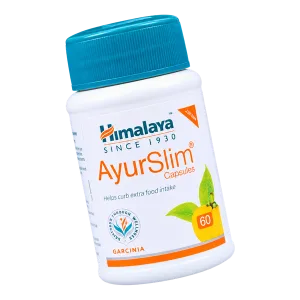
Ayurslim

Active ingredient: Ayurslim
60caps
From AED 546.10
bottles
3 (3)

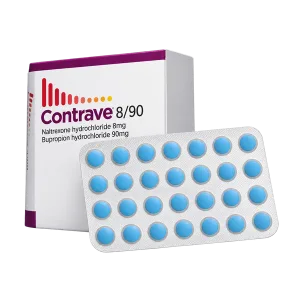
Contrave

Active ingredient: Bupropion
98mg
From AED 606.30
pills
3.8 (4)

Hoodia

Active ingredient: Hoodia
400mg60caps
From AED 344.00
bottles
3 (3)

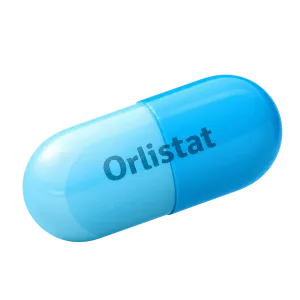
Orlistat

Active ingredient: Orlistat
120mg 60mg
From AED 430.00
capsules
3.9 (5)

Comparison table: Weight Loss

Common questions

How long can an Alli course last, and is long-term use acceptable?

Orlistat may be used beyond the initial weeks when weight reduction, tolerability, nutrition, and medical risks are reviewed regularly. The 2025 British National Formulary and regulatory product information treat treatment duration as a clinical decision linked to response and safety rather than a fixed course for every adult. Long-term use requires attention to fat-soluble vitamins, diet quality, and interacting medicines. Treatment should be reassessed if meaningful weight reduction does not occur or adverse effects remain troublesome. Review should include dietary intake and vitamin status.

Can older adults use Alli?

Older adults may use orlistat only after individual assessment of kidney function, liver history, nutritional status, bowel health, and concurrent medicines. The 2024 EMA product information identifies interaction and absorption concerns that become more relevant when several medicines are taken together. Age alone does not determine suitability, but frailty, dehydration risk, osteoporosis, and vitamin deficiency can change the risk–benefit balance. MOHAP-related medicine oversight also makes accurate disclosure of current treatment important before use.

Can the capsule be split, crushed, or chewed?

Alli capsules should be swallowed whole with water rather than split, crushed, or chewed. Altering a capsule can affect how the dose is delivered and may make administration less predictable. The 2024 FDA-approved orlistat product information describes oral capsule administration and does not support chewing the dosage form. People who cannot swallow capsules need a clinician to identify a suitable alternative rather than modifying the capsule themselves.

Is Alli suitable during pregnancy or breastfeeding?

Weight reduction with orlistat is not appropriate during pregnancy because intentional calorie restriction for slimming can conflict with maternal and fetal nutritional needs. The 2024 EMA safety information does not support routine use for pregnancy-related weight control. During breastfeeding, reduced absorption of fat and fat-soluble vitamins may create nutritional concerns, so use requires a specific clinical decision. WHO maternal-health principles also favour adequate nutrition during pregnancy and lactation rather than pharmacological weight reduction.

What should someone do if the expected result does not appear?

A lack of expected weight reduction should prompt a review of meal composition, adherence, activity, medical conditions, and interacting medicines. The 2025 NICE weight-management guidance supports reassessing the full programme rather than simply increasing treatment independently. Orlistat does not compensate for total calorie intake, irregular meals, or unrecognised endocrine problems. A clinician may decide that another weight-management approach is more suitable after reviewing the response and tolerability.

Do you offer anonymous delivery?

Your order will be securely packed and shipped within 24 hours. This is exactly what your package will look like (images of an actual item sent). It has the size and look of a regular private letter (24x11x0.7 cm) and its contents cannot be seen.

Reviews: Alli

3.9
Based on 5 reviews
Leah, 30 Jumeirah Six weeks
Verified
Rating: 5 out of 5

The first week was awkward because I did not realise how much fat was in takeaway food. After I changed my meals, the urgency settled and I felt more confident continuing.

3 Nov 2026
Sara T., 31 Fujairah Three weeks
Verified
Rating: 3.5 out of 5

I noticed some weight movement, but the stomach effects were inconvenient at work. Planning lower-fat lunches helped, although I did not find it easy every day.

11 Oct 2026
Sarah S., 40 Dibba Al-Fujairah Two months
Verified
Rating: 3.5 out of 5

The capsules gave me a clear reminder to improve my food choices. I lost weight gradually, but the result was slower than I expected.

18 Oct 2026
Salma, 56 Al Reem Island
Verified
Rating: 5 out of 5

My doctor reviewed my other medicines before I started. The digestive symptoms were mild when I kept meals simple, and I appreciated having a structured plan.

26 Oct 2026
Anjali, 55 Bur Dubai Several weeks
Verified
Rating: 2.5 out of 5

I had repeated urgency after restaurant meals and found that difficult to manage. The treatment made me more aware of dietary fat, but it was not comfortable enough for me to continue.

6 Oct 2026

Sources

  1. World Health Organization Collaborating Centre for Drug Statistics Methodology (2025). ATC/DDD Index: A08AB01 Orlistat
  2. European Medicines Agency (2024). Alli: European public assessment report and product information
  3. U.S. Food and Drug Administration (2024). Xenical (orlistat) capsules: Prescribing information
  4. National Institute for Health and Care Excellence (2025). Overweight and obesity management: NICE guideline NG246
Get our free app Shop faster and track your orders 3.9 · 576 reviews Install