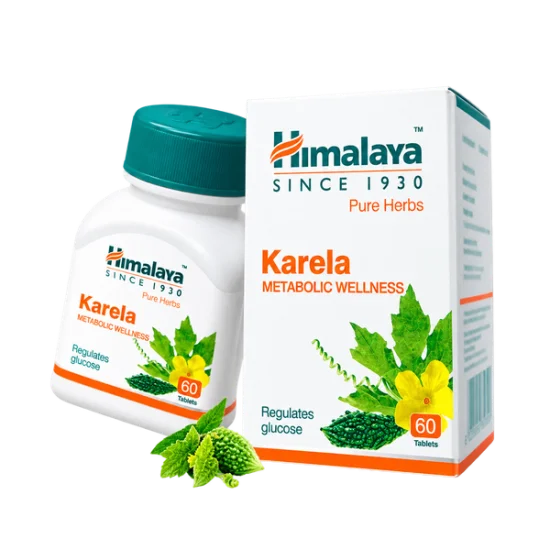
I used Karela alongside my usual meals for several weeks. I liked having a simple morning routine, but I still needed my regular glucose checks. The first few days brought mild stomach rumbling, which settled when I took it with food.
Karela, also called bitter gourd, is valued for its plant compounds and role in metabolic wellness. Karela tablets are intended for adults seeking herbal support for healthy glucose regulation alongside a balanced diet.
Product information
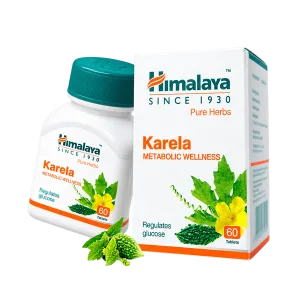
Karela tablets are herbal pills positioned for metabolic wellness and glucose regulation support. The product contains 60 tablets and is presented as a pure-herb preparation. Karela is the common name for bitter gourd, a plant used in food and traditional health practices.
Dosage and administration
The regimen for the chosen strength should be confirmed with a healthcare professional before starting. This is essential when the user has diabetes, takes glucose-lowering treatment, or has a history of low blood sugar.
Karela tablets are taken by mouth. Practical administration points include:
- Use the confirmed regimen consistently.
- Take each tablet with water.
- Keep the timing consistent from day to day.
- Do not double the next intake after a missed tablet.
- If a dose is missed, follow the individual plan provided by the healthcare professional.
- Do not change prescribed diabetes treatment because of a home glucose reading.
- Stop and seek urgent medical advice for severe weakness, confusion, fainting, or persistent vomiting.
There is no universal course length that applies to every adult. The appropriate duration depends on the reason for use, glucose readings, other treatment, and tolerability. Long-term use should be reviewed rather than continued automatically.
Ingredients
Karela tablets are herbal pills positioned for metabolic wellness and glucose regulation support. The product contains 60 tablets and is presented as a pure-herb preparation. Karela is the common name for bitter gourd, a plant used in food and traditional health practices.
Bitter gourd contains plant compounds studied for effects on glucose handling, including charantin, polypeptide-p, and cucurbitane-type compounds. The amount of these constituents can vary between fresh food, extracts, and tablets. Findings from studies of bitter gourd preparations cannot automatically be applied to every tablet formulation.
How it affects the body
Several mechanisms have been proposed:
- Plant compounds may influence glucose transport into cells.
- Bitter gourd constituents may affect enzymes involved in carbohydrate digestion.
- Some extracts have shown insulin-like activity in laboratory research.
- Dietary use may support a lower-energy, vegetable-rich eating pattern.
- Fibre from the fresh vegetable may slow carbohydrate absorption.
These mechanisms do not prove that every Karela tablet will produce a measurable glucose reduction. Laboratory findings often use concentrated extracts that differ from food or finished tablets.
The main clinical concern is additive glucose lowering. A person taking insulin or other glucose-lowering treatment could experience readings below their usual range if a herbal product adds to the treatment effect. The risk depends on the person’s therapy, meals, kidney function, activity level, and baseline glucose control.
Therapeutic indications
Karela is used as a complementary herbal approach to healthy blood sugar levels. Bitter gourd extracts have been investigated for effects on glucose uptake, insulin signalling, and enzymes involved in carbohydrate metabolism. Evidence remains mixed, and results vary according to preparation, dose, study design, and the health status of participants.
NCCIH describes bitter melon as a plant studied for diabetes-related effects, while also recognising that clinical evidence has not established it as a replacement for standard diabetes care [1]. Healthcare practitioners may allow dietary integration of bitter gourd when it does not disrupt prescribed treatment or glucose monitoring.
Karela tablets may be considered by adults who want plant-based metabolic support. The product should not be used to reduce, stop, or replace prescribed diabetes treatment without a clinician’s instruction.
Common mistakes
Several habits can make herbal glucose support unsafe or difficult to evaluate:
- Replacing prescribed treatment with Karela.
- Taking extra tablets after a high glucose reading.
- Skipping meals while using a product associated with glucose lowering.
- Failing to mention herbal use during a medical appointment.
- Starting the product immediately before surgery or prolonged fasting.
- Checking glucose only once and drawing conclusions from that result.
- Combining several glucose-support supplements at the same time.
- Continuing use despite repeated dizziness, sweating, or confusion.
- Assuming fresh bitter gourd and tablets provide identical effects.
- Giving the tablets to a child without paediatric advice.
Do not use symptoms alone to judge glucose levels. Some people have few symptoms despite high readings, while others feel unwell after a rapid change that is still within a usual range.
A home glucose meter can also produce misleading results after contaminated fingers, expired testing materials, or an incorrect testing technique. Wash and dry hands before testing, then interpret repeated results with the treatment team.
When not to use it
Avoid or obtain specific medical guidance before use in the following situations:
- Pregnancy or breastfeeding.
- A known allergy to bitter gourd or its botanical components.
- Recurrent hypoglycaemia.
- Use of insulin or other glucose-lowering medicines.
- Planned surgery or a period of fasting.
- Significant liver or kidney disease.
- A history of unexplained fainting, severe dizziness, or unstable glucose readings.
- Use by a child or teenager without a paediatric clinician’s direction.
Alcohol can make glucose control less predictable, especially when meals are skipped or delayed. Alcohol may also make dizziness, impaired judgement, and low-blood-sugar symptoms harder to recognise.
Before starting Karela, a healthcare professional should know about insulin, sulfonylureas, other diabetes medicines, anticoagulants, medicines for liver disease, and all herbal products. The interaction risk is not limited to prescription medicines.
When this is not for you
NOT for you if you are pregnant or breastfeeding, have a bitter-gourd allergy, or have recurrent hypoglycaemia unless a clinician specifically advises use.
Possible side effects
Herbal products can cause unwanted effects. Possible reactions to bitter gourd preparations include stomach discomfort, nausea, loose stools, headache, dizziness, or allergic symptoms. The likelihood may depend on the preparation, personal sensitivity, food intake, and other medicines.
Low blood sugar is the main concern for people combining Karela with insulin or glucose-lowering treatment. Warning symptoms include sweating, tremor, palpitations, hunger, blurred vision, irritability, drowsiness, and confusion. Severe symptoms require urgent medical care.
People with a known allergy to bitter gourd or related plant materials should avoid the product. Skin rash, facial swelling, wheezing, or difficulty breathing requires immediate attention.
A patient may blame a tablet for stomach symptoms when the real trigger was a large meal, alcohol, or another supplement taken at the same time. Recording timing can help identify a pattern.
Comparison
Karela can be compared with other approaches by mechanism rather than by brand name.
| Approach | Main role | Main limitation |
|---|---|---|
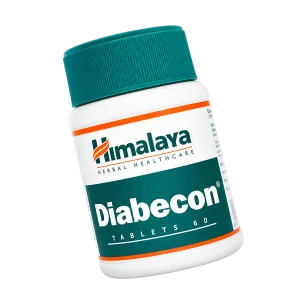
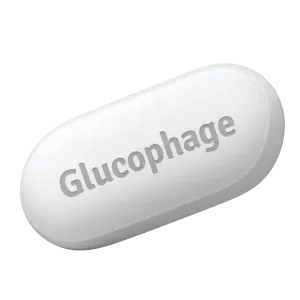
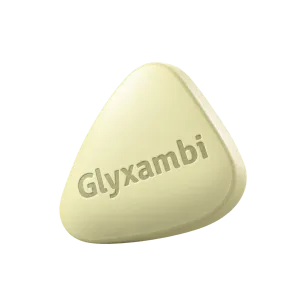
| Karela tablets | Herbal support associated with bitter gourd and metabolic wellness | Clinical effect may vary, and the tablet does not replace prescribed care |
| Fresh bitter gourd | Food source of fibre, vitamin C, folate, and plant compounds | Nutrient content changes with serving size and cooking |
| Prescribed glucose-lowering therapy | Medical treatment designed for diagnosed diabetes or hyperglycaemia | Requires an individual treatment plan and monitoring |
Fresh bitter gourd offers fibre and food-based nutrients that are not equivalent to a tablet. Karela tablets offer a more convenient routine, but the product’s clinical effect cannot be inferred from fresh vegetable nutrition alone.
Prescription therapy has a different role. It is selected according to glucose levels, kidney function, cardiovascular risk, pregnancy status, and other medical factors. Karela belongs in a supportive category, not as a replacement for that assessment.
What doctors say
A clinician assessing Karela would first identify the treatment goal. Support for general metabolic wellness is different from treatment of diagnosed diabetes, persistent fasting hyperglycaemia, or symptoms caused by another condition.
The American Diabetes Association’s Standards of Care describe nutrition, physical activity, glucose monitoring, and medicines as interconnected parts of diabetes management. Herbal tablets may fit only as an adjunct, with glucose readings guiding decisions rather than marketing language.
Doctors also look for symptoms that need investigation. Excessive thirst, frequent urination, unexplained weight loss, recurrent infections, blurred vision, or marked fatigue should not be managed with Karela alone.
The 2024 Standards of Care from the American Diabetes Association continue to place evidence-based glucose treatment and individual risk assessment at the centre of diabetes management [2]. A realistic clinical expectation is modest support, not a guaranteed reduction in glucose.
One practical point is often missed: a normal reading after taking Karela does not show that the tablet caused the result. Meals, exercise, sleep, stress, and prescribed treatment may have contributed more strongly.
Comparison
Common questions
How long should a Karela course last, and is long-term use acceptable?
There is no single course length that suits every adult using Karela tablets. The regimen and duration should be confirmed with a healthcare professional before starting, with glucose readings and tolerability reviewed during use. The American Diabetes Association’s 2024 Standards of Care support individualised monitoring rather than automatic long-term continuation. Long-term use is not appropriate when repeated dizziness, low-glucose symptoms, allergic reactions, or worsening metabolic control occurs. A clinician or pharmacist can reassess the plan if symptoms or readings change.
How does Karela differ from prescription glucose treatment?
Karela is an herbal bitter-gourd preparation positioned for metabolic wellness, while prescription treatment is selected to manage diagnosed glucose disorders through a defined pharmacological mechanism. The European Medicines Agency evaluates medicines through a regulatory framework that differs from the evidence used for food-based or herbal preparations. Karela should not replace prescribed treatment or be used to change a medicine regimen. The distinction remains relevant in 2026 because plant-based support and medical treatment have different evidence, dosing, and monitoring requirements.
How long does one Karela tablet keep working?
A precise duration of action cannot be assigned to one Karela tablet because the clinical effect depends on the preparation, food intake, glucose status, and concurrent treatment. The World Health Organization’s 2023 approach to diabetes care supports ongoing monitoring rather than relying on a single dose response. Avoid taking extra tablets because a reading remains high. Record readings and symptoms according to the monitoring plan agreed before starting.
Can alcohol be used while taking Karela?
Alcohol may make glucose control less predictable and can mask sweating, dizziness, confusion, or weakness associated with low blood sugar. The American Diabetes Association’s 2024 guidance treats alcohol as a factor that needs to be considered within the person’s meal pattern, medicines, and glucose-monitoring plan. Avoid alcohol when meals are skipped, glucose is unstable, or insulin or other glucose-lowering treatment is being used without a clear plan. A healthcare professional should review alcohol use before starting Karela if hypoglycaemia has occurred previously.
Do you offer anonymous delivery?
Your order will be securely packed and shipped within 24 hours. This is exactly what your package will look like (images of an actual item sent). It has the size and look of a regular private letter (24x11x0.7 cm) and its contents cannot be seen.
Reviews: Karela
I chose the tablets because bitter gourd juice was difficult for me to tolerate. After about a month, I felt comfortable using them, although I cannot separate the effect from walking more often and reducing sweet drinks.
The tablets were easy to take and I had no noticeable stomach problems. My glucose readings did not change quickly, so I stopped expecting an immediate result and focused more on meals and sleep.
I experienced dizziness on a day when I had delayed lunch and used my usual diabetes treatment. I stopped the herbal tablets and contacted my clinician. The experience reminded me that herbal products can still affect glucose management.
Sources
- National Center for Complementary and Integrative Health (2021). Bitter Melon
- American Diabetes Association (2024). Standards of Care in Diabetes—2024