Skip to content
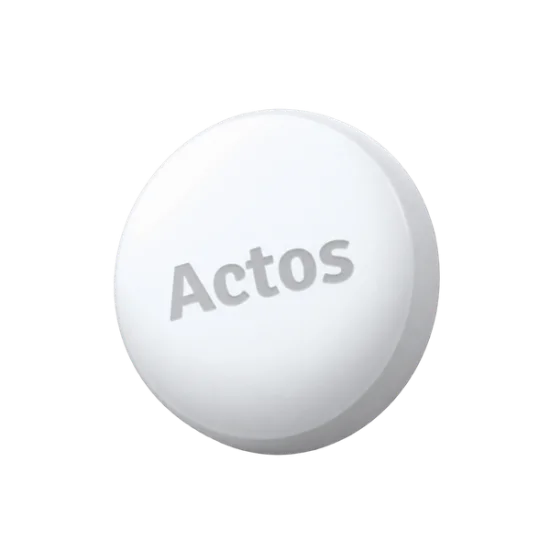
Actos
Active ingredient: Pioglitazone

Actos

Quality products
24/7 Support
Fast delivery
Delivery from 4 days
Select pack Package Per unit Price

Free delivery on orders from AED 860.00, free express delivery from AED 1,290.00

Secure Payments
Track your order
Best price guarantee

Actos is an oral pioglitazone medicine for adults with type 2 diabetes. It helps body tissues respond more effectively to insulin, supporting glucose control alongside diet, physical activity, or other treatment.

Product information

Adults with type 2 diabetes may be prescribed Actos when improved insulin sensitivity is needed alongside diet, physical activity, or other glucose-lowering treatment. Actos contains pioglitazone, a thiazolidinedione that helps body tissues respond more effectively to insulin. It is taken as an oral tablet and requires individualized prescribing.

Dosage and administration

The dose is decided individually, taking age, other medicines, and health conditions into account. Actos is taken by mouth, usually once daily, with or without food. The tablet should be swallowed as prescribed.

Practical administration points include:

  • Take the tablet at the same time each day.
  • Swallow it with water.
  • Do not double the next dose after a missed dose.
  • If a dose is missed, take it when remembered unless the next scheduled dose is near.
  • Keep a record of glucose readings during treatment changes.
  • Continue the prescribed diet and activity plan.

Pioglitazone may take several weeks to produce its full glucose-lowering effect. HbA1c testing is usually more informative than a single home glucose reading because HbA1c reflects average glucose exposure over a longer period.

If a missed dose is remembered close to the next scheduled dose, skipping the missed tablet is safer than taking two doses together. Doubling can increase adverse-effect risk without restoring control immediately.

Food does not generally prevent pioglitazone absorption, so a regular daily routine matters more than taking it with a specific meal. Alcohol can complicate glucose management and may worsen dizziness or low glucose when other diabetes medicines are also being used.

The European Medicines Agency has identified fluid retention, weight gain, and heart-failure risk as important considerations for pioglitazone therapy [2].

Ingredients

Actos contains pioglitazone, an oral thiazolidinedione used in the management of type 2 diabetes mellitus. Pioglitazone improves insulin sensitivity in muscle and adipose tissue and reduces insulin resistance in the liver. It does not directly stimulate the pancreas to release insulin.

How it affects the body

Pioglitazone activates peroxisome proliferator-activated receptor gamma, usually abbreviated as PPAR-γ. This receptor is found in fat cells and influences the expression of genes involved in glucose and lipid metabolism.

When PPAR-γ is activated, insulin-responsive genes become more active. Muscle and adipose tissue can then respond more effectively to circulating insulin, while hepatic insulin resistance may decrease. The result is improved use of glucose by tissues and reduced glucose release from the liver.

Pioglitazone does not work by forcing the pancreas to produce more insulin. This explains why its glucose-lowering effect develops gradually and why low blood glucose is less typical when it is used alone. The risk increases when it is combined with insulin or medicines that increase insulin secretion.

The same mechanism also explains several limitations. Changes in adipose-tissue signalling may cause weight gain, while effects on sodium handling can promote water retention.

Therapeutic indications

Actos may be prescribed alone or with other glucose-lowering medicines when blood glucose remains above the individual treatment target. It is intended for adults with type 2 diabetes, not for type 1 diabetes or diabetic ketoacidosis. The FDA prescribing information describes pioglitazone as an adjunct to diet and exercise for glycaemic control [1].

The medicine works gradually. It is not designed to correct an episode of very high blood glucose within minutes or hours.

Pioglitazone can improve insulin sensitivity without causing rapid symptom relief. Blood glucose records and laboratory results are more useful than judging the medicine by how you feel during the first few days.

Common mistakes

Several practical errors can weaken diabetes control or delay recognition of an adverse effect:

  • Taking two tablets after missing a dose.
  • Stopping the medicine when glucose improves.
  • Ignoring ankle swelling because it is painless.
  • Treating rapid weight gain as ordinary dietary change.
  • Failing to mention new antibiotics or antifungal treatment.
  • Using pioglitazone for type 1 diabetes or an acute diabetic emergency.
  • Checking glucose only when symptoms occur.
  • Continuing treatment despite new breathlessness.
  • Forgetting eye symptoms during routine diabetes reviews.
  • Assuming that a combination with insulin carries the same risk as pioglitazone alone.
Keep one short record containing tablet timing, glucose readings, body weight, swelling, and new medicines. This gives the prescriber a clearer pattern than isolated readings remembered from several weeks earlier.

When not to use it

Actos is not suitable for everyone. It should not be used for type 1 diabetes or diabetic ketoacidosis, and it requires careful assessment in people with heart or liver disease.

Pioglitazone can interact clinically with insulin, sulfonylureas, gemfibrozil, ketoconazole, rifampicin, and other medicines that influence glucose control or hepatic metabolism. The World Health Organization stresses medication review and monitoring when chronic disease treatments are combined [3].

When this is not for you

This medication is not for you if:

  • You have active bladder cancer or unexplained blood in the urine requiring investigation.
  • You have symptomatic heart failure or a history of serious fluid overload.
  • You have severe liver disease or active unexplained liver injury.
  • You have a known allergy to pioglitazone or one of the tablet ingredients.
  • The intended treatment is type 1 diabetes or diabetic ketoacidosis.
  • You are pregnant and the prescriber has not confirmed that the treatment is appropriate.

Tell the prescriber about heart failure, coronary disease, liver disease, macular oedema, osteoporosis, bladder symptoms, and previous fractures. Pregnancy planning also requires a medication review.

Possible side effects

Common adverse effects include weight gain, ankle swelling, headache, upper-respiratory symptoms, and changes in blood glucose when pioglitazone is combined with other therapies. Low blood glucose is more likely with insulin or sulfonylureas than with pioglitazone alone.

The side effects requiring prompt medical assessment include:

  • New or worsening shortness of breath.
  • Rapid weight gain with leg swelling.
  • Chest discomfort or marked reduction in exercise tolerance.
  • Yellowing of the skin or eyes.
  • Dark urine with unusual fatigue.
  • Severe abdominal pain or persistent vomiting.
  • Blood in the urine or painful urination.
  • Vision changes, especially blurred or distorted central vision.

Pioglitazone has been associated with macular oedema, a swelling problem affecting the central retina. New blurred vision should not be dismissed as a normal diabetes symptom. Long-term treatment also requires attention to bone health, since fracture risk may increase in some women.

Bladder symptoms deserve assessment. Blood in the urine, painful urination, or persistent urinary urgency can have several causes and should be evaluated rather than attributed automatically to diabetes.

One practical detail is easy to miss: a one-day increase on the scale is less useful than a pattern across several days. Rapid change combined with tight shoes or breathlessness is more concerning than gradual weight change without swelling.

Comparison

Pioglitazone belongs to a different pharmacological group from medicines that increase urinary glucose loss, slow intestinal carbohydrate absorption, stimulate insulin release, or mimic gut hormones. The preferred option depends on cardiovascular history, kidney function, hypoglycaemia risk, weight goals, and the current treatment plan.

Treatment category Main glucose-lowering approach Main limitation
Thiazolidinedione Improves insulin sensitivity through PPAR-γ activation Gradual effect, weight gain, fluid retention
Insulin-secretagogue therapy Increases pancreatic insulin release Hypoglycaemia and weight gain may occur
Glucose-excretion therapy Promotes urinary glucose loss Genital or urinary adverse effects may occur

Pioglitazone may be considered when insulin resistance is central to the treatment problem and fluid retention risk is low. A different class may be preferred when heart failure, substantial weight gain, recurrent hypoglycaemia, or advanced kidney disease changes the balance of benefits and risks.

Generic equivalents containing pioglitazone use the same active substance, but tablet strength, excipients, and prescribing instructions can differ. Therapeutic substitution should be recorded in the diabetes treatment plan rather than made casually between products.

What doctors say

In clinical practice, doctors usually judge pioglitazone by the combined pattern of HbA1c, fasting glucose, body weight, ankle examination, breathlessness, and liver-related symptoms. A lower glucose result is only one part of the assessment.

A physician may avoid pioglitazone in a person with established fluid overload, even when insulin resistance is prominent. The expected glucose benefit must be weighed against cardiac, hepatic, visual, and skeletal concerns.

Consistency matters because the medicine modifies gene transcription rather than producing an immediate insulin surge. Patients sometimes stop treatment after several days because they feel no difference. That decision can remove a gradual glucose-lowering effect before it becomes measurable.

Doctors also review whether other medicines are contributing to weight gain, oedema, or hypoglycaemia. The treatment plan may need adjustment rather than simply adding another diabetes tablet.

Comparison

Actos Current

Active ingredient: Pioglitazone
15mg 30mg 45mg
From AED 262.30
pills
3.7 (5)

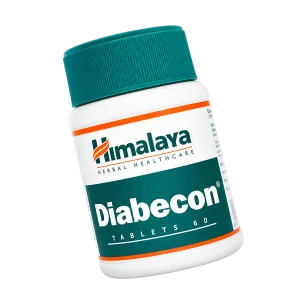
Diabecon

Active ingredient: Diabecon
60caps
From AED 382.70
bottles
3.6 (5)

Forxiga

Active ingredient: Dapagliflozin
10mg 5mg
From AED 554.70
pills
4 (5)

Glucophage

Active ingredient: Metformin
1000mg 500mg 850mg 250mg
From AED 438.60
pills
3.6 (4)

Glyxambi

Active ingredient: Empagliflozin, Linagliptin
10mg5mg
From AED 537.50
pills
4.2 (3)

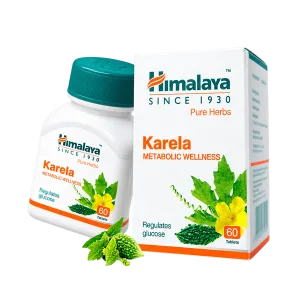
Karela

Active ingredient: Momordica charantia
250mg
From AED 528.90
pills
3.5 (4)

Comparison table: Diabetes

Common questions

Which condition rules out Actos?

Active bladder cancer, unexplained blood in the urine, symptomatic heart failure, and diabetic ketoacidosis are conditions that can rule out Actos or require urgent specialist review. The FDA safety information from 2023 also identifies type 1 diabetes and diabetic ketoacidosis as inappropriate uses for pioglitazone. A clinician must assess liver function, heart status, and urinary symptoms before continuing treatment. The correct decision depends on the clinical findings rather than the diabetes diagnosis alone.

Can alcohol be used while taking Actos?

Alcohol can make glucose control less predictable and may worsen dizziness or low blood glucose when Actos is combined with insulin or a sulfonylurea. NHS diabetes guidance from 2024 advises moderation and explains that alcohol can contribute to delayed hypoglycaemia, especially when food intake is reduced. Heavy alcohol use also increases concern about liver health, which matters during pioglitazone treatment. Avoid drinking when experiencing vomiting, poor food intake, or unstable glucose readings.

Which symptoms mean Actos should be stopped and reviewed urgently?

Urgent medical review is needed for breathlessness, rapidly increasing weight, new leg swelling, chest discomfort, yellow skin, dark urine, severe abdominal pain, or new visual distortion. EMA safety information from 2022 links pioglitazone with fluid retention, heart-failure worsening, liver injury concerns, and macular oedema. Do not take an additional dose while seeking urgent advice if severe breathlessness or chest symptoms develop. A clinician should decide whether treatment is restarted or replaced.

What should be discussed with a doctor before starting Actos?

Discuss heart failure, coronary disease, liver problems, bladder symptoms, macular oedema, osteoporosis, previous fractures, pregnancy plans, and every current medicine. MOHAP medication-safety guidance from 2024 in the UAE emphasises sharing the full treatment list, including non-prescription products. This review helps identify interactions before treatment begins. Mention insulin, sulfonylureas, gemfibrozil, ketoconazole, rifampicin, and medicines recently started for infection. The starting plan should also include glucose monitoring and follow-up for weight or swelling.

What is the best time of day to take Actos?

Actos can generally be taken once daily at a consistent time, with or without food. The FDA prescribing information from 2023 supports daily administration without requiring a specific meal timing. Choosing a time linked to a routine activity can reduce missed doses, such as breakfast or an evening medication schedule. Do not take two tablets to compensate for a missed dose.

Do you offer anonymous delivery?

Your order will be securely packed and shipped within 24 hours. This is exactly what your package will look like (images of an actual item sent). It has the size and look of a regular private letter (24x11x0.7 cm) and its contents cannot be seen.

Reviews: Actos

3.7
Based on 5 reviews
Suresh A., 29 Ruwais About eight weeks
Verified
Rating: 4 out of 5

My morning readings became steadier after the first month. I also felt hungrier and gained some weight, so the diet plan had to be tightened.

6 Oct 2026
Mohammed, 28 Sharjah Several weeks
Verified
Rating: 4 out of 5

I did not notice a quick change, which was frustrating. The improvement showed up later in my readings, but I had mild ankle swelling and needed a review.

14 Oct 2026
Samir F., 30 Liwa Several weeks
Verified
Rating: 4.5 out of 5

The combination helped my readings, and I had no stomach upset. I still had to watch for low readings because the other tablet carried more of that risk.

19 Oct 2026
Omar, 52 Jebel Ali Several weeks
Verified
Rating: 2.5 out of 5

My shoes became tight and I gained weight quickly. Breathlessness appeared when climbing stairs, so the medicine was stopped during medical assessment.

23 Oct 2026
Nadeem, 35 Dubai Marina Several weeks
Verified
Rating: 3.5 out of 5

The tablet fitted my routine because I could take it once daily. My glucose improved, but the weight increase was a real disadvantage and needed regular monitoring.

1 Nov 2026

Sources

  1. U.S. Food and Drug Administration (2023). Actos (pioglitazone hydrochloride) Prescribing Information.
  2. European Medicines Agency (2022). Pioglitazone-containing medicines: product information.
  3. World Health Organization (2023). Medication Safety in Polypharmacy.
Get our free app Shop faster and track your orders 3.9 · 576 reviews Install