Skip to content
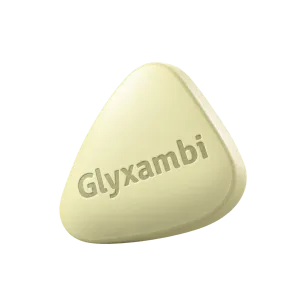
Glyxambi
Active ingredient: Empagliflozin, Linagliptin

Glyxambi

Quality products
24/7 Support
Fast delivery
Delivery from 4 days
Select pack Package Per unit Price

Free delivery on orders from AED 860.00, free express delivery from AED 1,290.00

Secure Payments
Track your order
Best price guarantee

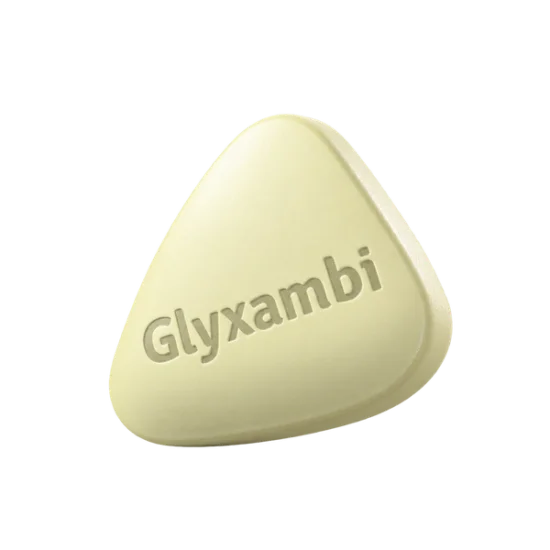
Tablets taken orally once daily form Glyxambi, a fixed-dose combination for adults with type 2 diabetes. It combines empagliflozin and linagliptin to improve blood-glucose control alongside diet and exercise.

Product information

Glyxambi is a prescription-only combination of two glucose-lowering medicines: empagliflozin, an SGLT2 inhibitor, and linagliptin, a DPP-4 inhibitor. It is used with diet and exercise to improve glycaemic control in adults with type 2 diabetes when one or more treatments do not provide sufficient control.

Dosage and administration

Glyxambi is supplied as tablets taken by mouth once daily. Available strengths combine empagliflozin with linagliptin. Dosing differs between strengths and between users, so there is no single amount that suits everyone. The selected strength is based on the previous empagliflozin dose, glucose response, kidney function, and the prescriber’s treatment plan.

  • Take one prescribed tablet once daily.
  • Swallow it with water.
  • It may be taken with or without food.
  • Take it at approximately the same time each day.
  • Do not change between strengths without a prescribed treatment change.
  • If a dose is missed, take it when remembered unless the next dose is close; do not double the dose.

The higher strength is not simply a stronger version to choose independently. Empagliflozin exposure and treatment suitability are influenced by renal function and volume status. People who are vomiting, fasting for a prolonged period, or undergoing major surgery may require a temporary treatment plan because reduced food and fluid intake can raise the risk of ketoacidosis.

Before surgery, prolonged fasting, or bowel preparation, tell the treating team that empagliflozin is part of Glyxambi. SGLT2 inhibitors are commonly withheld in advance of procedures according to the clinician’s perioperative plan.

Do not crush, chew, or split a Glyxambi tablet unless the prescribing team has specifically confirmed that this is suitable for the particular product and patient. Taking the tablet whole provides the intended fixed combination of both active ingredients.

Ingredients

Glyxambi contains empagliflozin and linagliptin. The two active ingredients work at separate biological targets, allowing glucose control through the kidneys and the pancreatic incretin system.

Boehringer Ingelheim developed Glyxambi as a fixed-dose brand combination. The product’s clinical role is based on the pharmacology of empagliflozin/linagliptin, not on a single mechanism.

Active ingredient Main target Main physiological effect
Empagliflozin SGLT2 in the kidney Reduces glucose reabsorption and increases urinary glucose excretion
Linagliptin DPP-4 enzyme Preserves incretin activity and supports glucose-dependent insulin release

How it affects the body

Role of empagliflozin

Empagliflozin blocks sodium-glucose cotransporter 2, known as SGLT2, in the proximal renal tubule. SGLT2 normally reabsorbs filtered glucose back into the bloodstream. Blocking this transporter allows more glucose to leave the body in urine.

This mechanism can also increase urinary sodium excretion and alter fluid balance. The same effect explains several practical precautions: increased urination, genital fungal infections, dehydration, and a possible fall in blood pressure. Empagliflozin does not force the pancreas to release insulin, so hypoglycaemia risk is usually lower when it is used without insulin or an insulin secretagogue.

Role of linagliptin

Linagliptin inhibits DPP-4, an enzyme that breaks down incretin hormones. The preserved incretin signals help the pancreas release insulin when glucose is elevated and reduce glucagon secretion. Glucagon normally signals the liver to release glucose through glycogen breakdown and new glucose production.

The response is glucose-dependent. That is why linagliptin alone has a lower hypoglycaemia risk than medicines that stimulate insulin release regardless of the blood-glucose concentration. Combining linagliptin with insulin or a sulfonylurea changes that risk profile.

Therapeutic indications

It is used with diet and exercise to improve glycaemic control in adults with type 2 diabetes when one or more treatments do not provide sufficient control. The FDA prescribing information describes Glyxambi as an oral combination therapy rather than a treatment for type 1 diabetes or diabetic ketoacidosis [1].

Glyxambi is intended for adults with type 2 diabetes who need combined treatment affecting more than one glucose-regulation pathway.

The medicine may be selected when empagliflozin’s urinary glucose excretion and linagliptin’s incretin effect offer a suitable combination for the patient’s treatment plan.

Common mistakes

Several practical mistakes can reduce benefit or increase harm:

  • Taking two tablets after forgetting a dose.
  • Changing from 10/5 mg to 25/5 mg without a prescription.
  • Stopping insulin because glucose readings improve.
  • Continuing Glyxambi through severe vomiting, prolonged fasting, or dehydration without contacting the treating team.
  • Ignoring genital itching, urinary burning, fever, or reduced urination.
  • Combining Glyxambi with another DPP-4 inhibitor.
  • Treating dizziness by drinking excessive fluid despite heart or kidney fluid restrictions.
  • Crushing or chewing the tablet without specific clinical advice.
  • Failing to mention Glyxambi before surgery, a prolonged fast, or bowel preparation.
  • Assuming normal blood glucose rules out ketoacidosis.

A glucose meter reading may look acceptable during early ketoacidosis. Abdominal pain, nausea, deep or rapid breathing, and unusual weakness deserve attention even without very high glucose.

When not to use it

  • Known hypersensitivity to empagliflozin, linagliptin, or an excipient.
  • A previous serious allergic reaction to a DPP-4 inhibitor or SGLT2 inhibitor.
  • Type 1 diabetes or current diabetic ketoacidosis.
  • Severe renal impairment or dialysis, where empagliflozin may provide little glucose-lowering benefit and adverse effects may be more difficult to manage.
  • Recurrent dehydration, very low blood pressure, or a need for strict fluid restriction.
  • A history of pancreatitis requiring careful assessment before linagliptin use.
  • Recurrent genital or urinary infections that worsen with SGLT2 inhibitor treatment.
  • Active foot complications, reduced circulation, or planned lower-limb surgery requiring individual risk assessment.

Do not combine linagliptin with another DPP-4 inhibitor such as sitagliptin, vildagliptin, or saxagliptin unless a prescriber has deliberately changed the regimen.

The European Medicines Agency describes empagliflozin’s renal and cardiovascular uses separately from its glucose-lowering role, and renal function affects which treatment choices are appropriate [2].

When this is not for you

Glyxambi may not be suitable if you have type 1 diabetes, diabetic ketoacidosis, severe kidney problems, repeated dehydration, very low blood pressure, or frequent genital or urinary infections. Tell a clinician before using it if you have had pancreatitis, serious allergies to similar diabetes medicines, active foot problems, reduced circulation, or planned lower-limb surgery. Previous ketoacidosis, prolonged fasting, heavy alcohol intake, acute infection, surgery, severe dehydration, and abruptly reducing insulin can make treatment unsafe.

Possible side effects

Glyxambi has two different adverse-effect patterns because it contains two pharmacological classes. Empagliflozin can cause urinary and genital infections, increased urination, thirst, dehydration, and low blood pressure. Linagliptin is often tolerated without major symptoms, though nasopharyngitis, headache, joint pain, hypersensitivity reactions, and pancreatitis have been reported in clinical use.

Common or clinically relevant reactions include:

  • Genital fungal infection, including vulvovaginal candidiasis or balanitis.
  • Urinary tract infection.
  • Increased urinary frequency or greater urine volume.
  • Thirst and dry mouth.
  • Dizziness related to reduced circulating fluid volume.
  • Nasopharyngitis or upper-respiratory symptoms.
  • Hypoglycaemia when combined with insulin or a sulfonylurea.
  • Constipation or gastrointestinal discomfort in some patients.

Seek urgent medical assessment for severe abdominal pain with vomiting, unusual tiredness, rapid breathing, confusion, or difficulty staying awake. These symptoms may indicate ketoacidosis, which can occur even when the blood glucose level is not extremely high. Severe genital pain, swelling, redness, fever, or rapidly worsening tenderness also requires urgent assessment because rare serious infections have been reported with SGLT2 inhibitors.

Pancreatitis is uncommon but important. Persistent severe upper-abdominal pain that may radiate to the back, especially with vomiting, needs prompt evaluation. A serious allergic reaction may cause facial or throat swelling, breathing difficulty, widespread hives, or faintness.

One practical detail is easy to miss: genital itching or burning may be an early sign of a fungal infection rather than a routine effect that should be ignored. Early treatment is usually simpler than waiting until swelling or pain develops.

Maintain ordinary fluid intake unless a clinician has prescribed fluid restriction for heart or kidney disease. Drinking excessively to counter urination can also be unsafe in people with fluid-sensitive conditions.

Comparison

Glyxambi is an oral fixed-dose combination that targets glucose regulation through two mechanisms: urinary glucose excretion from empagliflozin and an incretin effect from linagliptin. This differs from a single-ingredient prescription approach, which targets one mechanism.

What doctors say

In clinical practice, doctors usually assess Glyxambi through three questions: Is the patient’s type 2 diabetes still above target? Is kidney function adequate for empagliflozin? Are insulin, sulfonylureas, diuretics, or acute illnesses increasing risk?

A physician may favour the combination when two complementary mechanisms are needed and the patient can manage increased urinary glucose loss. The same physician may choose another regimen when recurrent dehydration, frequent genital infections, very low kidney function, or repeated ketoacidosis risk makes empagliflozin unsuitable.

Doctors also look beyond a single glucose reading. HbA1c trends, fasting glucose, post-meal readings, body weight, blood pressure, kidney tests, infections, and episodes of low glucose provide a more useful picture than one isolated result.

The medicine works as part of a continuing plan. A missed tablet occasionally is different from repeated missed doses, self-directed strength changes, or stopping insulin without medical instruction.

Comparison

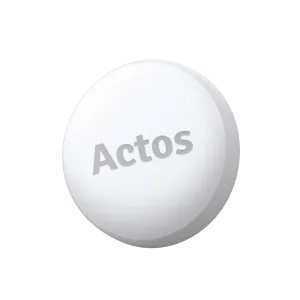
Actos

Active ingredient: Pioglitazone
15mg 30mg 45mg
From AED 262.30
pills
3.7 (5)

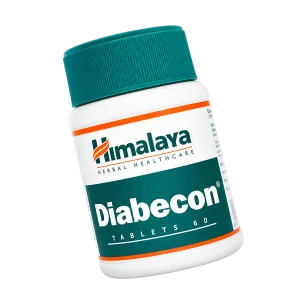
Diabecon

Active ingredient: Diabecon
60caps
From AED 382.70
bottles
3.6 (5)

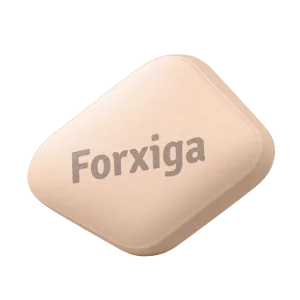
Forxiga

Active ingredient: Dapagliflozin
10mg 5mg
From AED 554.70
pills
4 (5)

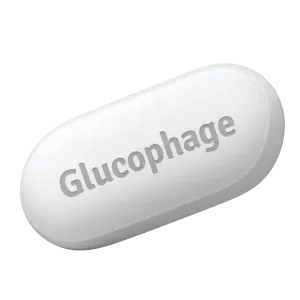
Glucophage

Active ingredient: Metformin
1000mg 500mg 850mg 250mg
From AED 438.60
pills
3.6 (4)

Glyxambi Current

Active ingredient: Empagliflozin, Linagliptin
10mg5mg
From AED 537.50
pills
4.2 (3)

Karela

Active ingredient: Momordica charantia
250mg
From AED 528.90
pills
3.5 (4)

Comparison table: Diabetes

Common questions

Can people under 18 use Glyxambi?

Glyxambi is indicated for adults with type 2 diabetes, and routine use in people under 18 is not established in the product’s adult indication. The FDA prescribing information from 2023 does not support treating children or adolescents with Glyxambi as a standard option. Paediatric diabetes has different diagnostic and treatment requirements, so an adult combination tablet should not be started for someone under 18 without specialist direction.

Can the Glyxambi tablet be split, crushed, or chewed?

The tablet should be swallowed whole unless a prescribing clinician or pharmacist has confirmed a suitable administration method for that specific patient. Splitting, crushing, or chewing can make accurate delivery of a fixed-dose combination less predictable and may create difficulty in receiving the intended empagliflozin and linagliptin amounts. Product administration advice is governed by the approved prescribing information and regulatory standards, including EMA requirements described in the 2024 product information. A swallowing problem may require a planned alternative rather than physically altering the tablet.

How long does a Glyxambi course last, and is long-term use acceptable?

Glyxambi is generally used as an ongoing diabetes treatment rather than as a short course with a fixed end date. The duration depends on HbA1c, kidney function, side effects, cardiovascular and renal risk, and the rest of the diabetes regimen. Long-term use may be appropriate when the benefits continue to outweigh the risks, with periodic review of renal function and tolerability. The ADA Standards of Care published for 2025 support regular reassessment of glucose-lowering treatment rather than automatic continuation without monitoring.

Can Glyxambi be used during pregnancy or breastfeeding?

Pregnancy requires an individual treatment review because glucose targets and medicine choices change during pregnancy. Empagliflozin is generally avoided later in pregnancy because of concerns related to fetal kidney development, while human pregnancy data for the combination are limited. Breastfeeding also requires review because potential effects on the infant and milk production must be weighed against the mother’s diabetes needs. EMA pregnancy and lactation information from 2024 for empagliflozin-containing treatments should guide the clinician’s decision, and Glyxambi should not be started, stopped, or continued automatically after pregnancy is confirmed.

Do you offer anonymous delivery?

Your order will be securely packed and shipped within 24 hours. This is exactly what your package will look like (images of an actual item sent). It has the size and look of a regular private letter (24x11x0.7 cm) and its contents cannot be seen.

Reviews: Glyxambi

4.2
Based on 3 reviews
Tariq C., 34 Abu Dhabi Six weeks
Verified
Rating: 5 out of 5

My morning readings improved after the first few weeks, and I liked taking one tablet instead of adding another separate medicine. I urinated more often at first, especially during work, so I started planning bathroom breaks. I had no low readings until my insulin dose was changed.

21 Oct 2026
Hina, 35 Fujairah Two months
Verified
Rating: 4 out of 5

I found the tablets inconvenient to take because my readings became steadier only slightly, despite taking them with breakfast. During one week of stomach illness I felt dizzy and weak, and the clinic told me to pause the medicine while I was dehydrated. The experience made me take sick-day instructions more seriously.

7 Nov 2026
Shamma, 31 Al Barsha Three months
Verified
Rating: 3.5 out of 5

My HbA1c improved at the follow-up appointment, but I developed genital itching after several weeks. Treatment cleared it, though I was uncomfortable discussing it initially. I would have preferred to know that this can happen with medicines that increase glucose in the urine.

18 Nov 2026

Sources

  1. U.S. Food and Drug Administration (2023). Glyxambi (empagliflozin and linagliptin) Prescribing Information.
  2. European Medicines Agency (2024). Jardiance: Summary of Product Characteristics.
Get our free app Shop faster and track your orders 3.9 · 576 reviews Install