Skip to content
Cytotec
Active ingredient: Misoprostol

Cytotec

Quality products
24/7 Support
Fast delivery
Delivery from 4 days
Select pack Package Per unit Price

Free delivery on orders from AED 860.00, free express delivery from AED 1,290.00

Secure Payments
Track your order
Best price guarantee

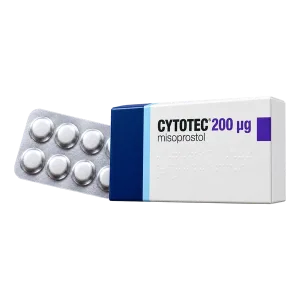
Cytotec tablets are taken by mouth, usually with food, and contain 200 micrograms of misoprostol. They are used to reduce the risk of NSAID-related gastric injury and, in supervised clinical settings, may support specific obstetric and gynaecological procedures. Misoprostol acts on prostaglandin receptors in the stomach, cervix and uterus.

Product information

Cytotec contains misoprostol 200 micrograms per tablet. Misoprostol is a synthetic prostaglandin E1 analogue and belongs to the anti-ulcer agent class. Its first licensed role was protection of the stomach lining in people using non-steroidal anti-inflammatory drugs, also called NSAIDs, such as ibuprofen, naproxen or diclofenac.

Dosage and administration

  • Take Cytotec tablets by mouth with food.
  • Each tablet contains misoprostol.
  • Confirm the regimen for the chosen strength with a healthcare professional before starting.
  • Confirm the treatment duration with a healthcare professional before starting.
  • For obstetric or gynaecological use, take Cytotec only under supervised clinical care.

Ingredients

Cytotec contains misoprostol 200 micrograms per tablet. Misoprostol is a synthetic prostaglandin E1 analogue and belongs to the anti-ulcer agent class. Its first licensed role was protection of the stomach lining in people using non-steroidal anti-inflammatory drugs, also called NSAIDs, such as ibuprofen, naproxen or diclofenac. The FDA prescribing information describes misoprostol as reducing NSAID-associated gastric ulcer risk by lowering acid secretion and strengthening protective mucus and bicarbonate production in the stomach. [1] The tablet’s effects therefore depend on the indication and the route selected by the prescriber.

Active ingredient profile

Misoprostol is rapidly converted in the body to misoprostol acid, its active form. It acts on prostaglandin receptors, which explains why one medicine can affect both the digestive tract and reproductive tissues.

The gastrointestinal effect is protective. In the uterus, the same receptor activity can stimulate contractions and promote cervical softening. This dual action is clinically useful, yet it also makes Cytotec unsuitable for self-directed use during pregnancy.

How it affects the body

Misoprostol acts on prostaglandin receptors in the stomach, cervix and uterus. The FDA prescribing information describes misoprostol as reducing NSAID-associated gastric ulcer risk by lowering acid secretion and strengthening protective mucus and bicarbonate production in the stomach. [1] In the uterus, the same receptor activity can stimulate contractions and promote cervical softening.

Therapeutic indications

Misoprostol has an established role in obstetrics and gynaecology when used by clinicians who can assess pregnancy stage, uterine history, bleeding risk and the need for follow-up. It can soften the cervix, known as cervical ripening, and can stimulate uterine contractions. These effects are used in carefully selected hospital-based protocols for induction of labor and management of pregnancy-related care.

Clinical purpose Physiological response Clinical setting
Cervical ripening Softening and opening of the cervix Monitored obstetric care
Induction of labor Increased uterine contractility Hospital maternity care
Postpartum bleeding management Uterine contraction may reduce bleeding Urgent clinical care

The World Health Organization describes misoprostol as an option in evidence-based maternal care protocols, with the route, timing and regimen determined by the clinical indication and the woman’s medical history. [2] Misoprostol is not interchangeable with every induction medicine. A previous caesarean delivery, uterine surgery, fetal position, placental concerns and gestational age can change the risk profile substantially.

A prolonged contraction pattern is dangerous. Continuous assessment is needed when misoprostol is used for labour-related indications.

In gynaecological practice, misoprostol can be used for medical abortion, treatment of early pregnancy loss and preparation of the cervix before selected uterine procedures. In this context, its abortifacient effect comes from cervical softening and uterine contractions. It may be used with mifepristone, a medicine that blocks progesterone receptors and prepares the pregnancy tissue to separate from the uterine lining.

For early pregnancy loss, clinicians may use misoprostol to help the uterus expel retained pregnancy tissue and reduce the need for a surgical procedure such as dilation and curettage, often abbreviated as D&C. Care plans differ according to ultrasound findings, symptoms, blood group, gestational age and ectopic pregnancy risk. Heavy bleeding, severe one-sided pelvic pain, fainting or fever require urgent medical assessment because they can signal complications that tablets alone cannot address.

The American College of Obstetricians and Gynecologists recognises medication management as one evidence-based option for early pregnancy loss in appropriate patients, alongside expectant and surgical management. [3]

Common mistakes

  • Using tablets intended for gastric protection during pregnancy without a clinician-led plan.
  • Assuming that abdominal cramping always means the medicine is working as intended.
  • Combining Cytotec with magnesium-containing antacids despite troublesome diarrhoea.
  • Continuing NSAIDs without reviewing other ulcer-risk factors, such as anticoagulants or a previous gastrointestinal bleed.
  • Withholding information about a previous caesarean birth, uterine procedure or ectopic pregnancy history.
  • Treating heavy bleeding, fainting or fever as routine side effects rather than urgent warning signs.
Keep a written list of every anti-inflammatory medicine you use, including occasional pain tablets. People often forget that cold-and-flu products and some migraine treatments may also contain an NSAID.

When not to use it

  • allergy to misoprostol, prostaglandins or any tablet component;
  • a previous caesarean delivery or major uterine surgery when induction is being considered;
  • suspected ectopic pregnancy, where medication for uterine evacuation cannot treat the pregnancy outside the uterus;
  • unexplained heavy vaginal bleeding before the cause has been assessed;
  • significant dehydration from ongoing diarrhoea or vomiting;
  • inflammatory bowel disease when diarrhoea could worsen symptoms.

Magnesium-containing antacids can make misoprostol-related diarrhoea worse. Cytotec can also add to the effects of other uterotonic medicines during obstetric care. NSAIDs are relevant because they are often the reason misoprostol is prescribed for stomach protection, yet the whole regimen needs review when bleeding risk, kidney function or anticoagulant treatment is involved.

When this is not for you

Cytotec is not for you if you are pregnant and the intended use is NSAID-ulcer prevention, because misoprostol may trigger miscarriage, premature labour or fetal harm. Pregnancy-related use requires a clinician-led protocol with access to assessment and follow-up.

Possible side effects

Diarrhoea, abdominal pain, nausea, flatulence, headache, dizziness and menstrual-type cramping are recognised effects of misoprostol. Gastrointestinal symptoms often begin early in treatment and may settle with continued use, though persistent diarrhoea can cause dehydration. People using Cytotec for ulcer prevention may notice loose stools before they notice any stomach benefit.

During pregnancy-related use, cramping and bleeding can be expected effects because the uterus is contracting. Excessive uterine activity can reduce fetal oxygenation during labour. Uterine rupture is rare, yet it is a severe complication linked to strong uterine contractions, especially in people with a previous caesarean scar or other uterine surgery.

Seek urgent clinical care for any of the following:

  • bleeding that rapidly soaks through sanitary pads or is accompanied by fainting;
  • severe abdominal or pelvic pain that does not improve;
  • fever, chills or foul-smelling discharge after pregnancy-related treatment;
  • chest pain, severe weakness or signs of dehydration;
  • a suspected allergic reaction, including facial swelling or breathing difficulty.

The FDA label identifies diarrhoea and abdominal discomfort as common adverse reactions and carries a prominent pregnancy warning because misoprostol can cause miscarriage, premature birth and fetal harm. [5]

Do not dismiss dizziness after repeated diarrhoea. Rehydration matters, and persistent symptoms need clinical review because dehydration can worsen weakness and light-headedness.

Comparison

Cytotec is not the only medicine that can influence the cervix or uterine muscle. Oxytocin is a peptide hormone used intravenously to stimulate contractions. Dinoprostone is prostaglandin E2 and is used mainly for cervical ripening through vaginal preparations. The choice depends on the clinical goal, cervical assessment, fetal monitoring requirements and obstetric history.

Agent Main mechanism and route Typical clinical role
Misoprostol Prostaglandin E1 analogue; oral, vaginal, sublingual or buccal protocols in clinical practice Cervical ripening, uterine evacuation, selected bleeding protocols
Dinoprostone Prostaglandin E2; vaginal administration Cervical ripening before induction
Oxytocin Oxytocin-receptor agonist; intravenous infusion Augmentation or induction of uterine contractions

Dinoprostone has a different prostaglandin profile from misoprostol. Oxytocin allows infusion-based titration and is often used when close adjustment of contraction strength is needed. Misoprostol is not universally more effective than oxytocin; each agent has a distinct place in obstetric protocols, and combining or sequencing medicines requires documented clinical reasoning.

The National Institute for Health and Care Excellence includes prostaglandins and oxytocin within induction-of-labour guidance, while emphasising individual risk assessment and monitoring. The European Medicines Agency also publishes product information for medicines containing misoprostol. [4]

What doctors say

In clinical practice, the key issue with Cytotec is indication. The same 200 microgram tablet can be used for gastric protection or within tightly controlled reproductive-health protocols, but the expected effect, monitoring needs and safety thresholds are entirely different.

Doctors usually focus on three practical questions: why misoprostol is being used, whether pregnancy is possible, and whether there is a uterine scar or significant gastrointestinal vulnerability. For NSAID-related ulcer prevention, diarrhoea is the complaint that most often limits continued use. For obstetric care, clinicians monitor bleeding, pain, contractions and the response of the cervix rather than treating the tablet as a routine pain medicine.

The benefit is clear when Cytotec matches the clinical problem. Its limitation is that it can produce strong biological effects outside the stomach.

Comparison

Cytotec Current

Active ingredient: Misoprostol
100mcg 200mcg
From AED 253.70
pills
4.4 (5)

Nexium

Active ingredient: Esomeprazole
40mg 20mg
From AED 365.50
pills
3.7 (3)

Pepcid

Active ingredient: Famotidine
20mg 40mg
From AED 417.10
pills
4 (3)

Comparison table: Stomach Ulcers

Common questions

Driving, concentration and work with machinery

Cytotec may cause dizziness or headache in some people, which can affect driving, working at height or operating machinery. The FDA’s 2018 prescribing information lists dizziness among reported adverse effects, though not everyone experiences it. Avoid safety-sensitive tasks if you feel light-headed, weak from diarrhoea or distracted by significant abdominal pain. This is more relevant during the first doses or when gastrointestinal effects are active.

How soon does Cytotec become noticeable?

The timing depends on why Cytotec is prescribed. Gastrointestinal effects, including cramping or diarrhoea, can appear soon after taking a tablet, while ulcer-prevention benefit is linked to consistent use alongside the NSAID exposure. For obstetric or gynaecological indications, clinicians expect a response within a defined monitored protocol rather than relying on a fixed timetable. The WHO’s 2022 guidance treats timing as indication-specific because route, medical history and treatment goal influence the response.

Can Cytotec be taken with food or on an empty stomach?

For gastrointestinal use, Cytotec is usually taken with food because this may reduce digestive upset. The FDA Cytotec prescribing information, published in 2018, links misoprostol with diarrhoea and abdominal discomfort, making meal timing a practical tolerability measure. Taking it on an empty stomach may feel harsher for people prone to nausea or cramping. Pregnancy-related protocols use different routes and schedules, so food advice is not transferable from ulcer-prevention treatment.

Does a previous caesarean delivery rule out Cytotec?

A previous caesarean delivery is a major factor when Cytotec is considered for cervical ripening or induction of labor. Misoprostol can intensify uterine contractions, and a scarred uterus has a higher concern for uterine rupture during induction. NICE guidance from 2021 advises that induction planning should account for previous uterine surgery and individual obstetric risk. The history does not automatically rule out every clinical use of misoprostol, yet it does rule out casual or unsupervised use for labour-related purposes.

Do you offer anonymous delivery?

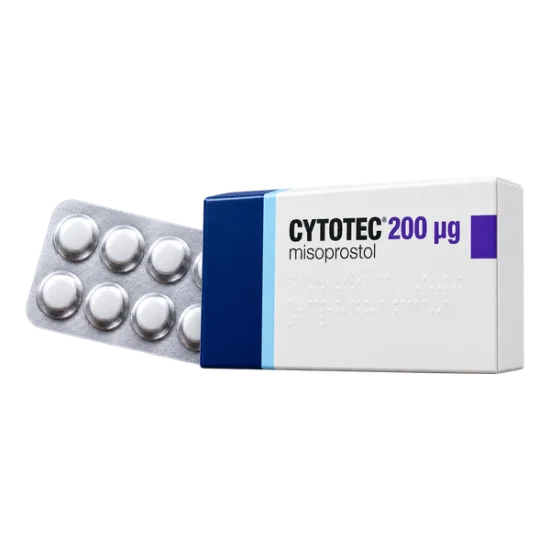
Your order will be securely packed and shipped within 24 hours. This is exactly what your package will look like (images of an actual item sent). It has the size and look of a regular private letter (24x11x0.7 cm) and its contents cannot be seen.

Reviews: Cytotec

4.4
Based on 5 reviews
Hina, 36 Dibba Al-Fujairah Duration not stated
Verified
Rating: 5 out of 5

I used Cytotec as part of hospital-supervised care. The cramps started sooner than I expected, and the nurse had explained what symptoms needed urgent attention. The process was physically tiring, but the follow-up made me feel more prepared.

31 Oct 2026
Sara, 53 Al Dhaid Duration not stated
Verified
Rating: 3.5 out of 5

My doctor prescribed it because I had to keep taking anti-inflammatory tablets for joint pain. My stomach discomfort improved over the first few weeks. Loose stools were annoying at the beginning, especially when I took it without a proper meal.

6 Oct 2026
Fatima T., 40 Sharjah Duration not stated
Verified
Rating: 5 out of 5

I was given Cytotec in a clinical setting for early pregnancy loss. There was bleeding and strong cramping, which the team had discussed beforehand. I needed a follow-up assessment, and I was relieved that the treatment was complete.

26 Oct 2026
Shamma L., 59 Al Barsha Duration not stated
Verified
Rating: 3.5 out of 5

I had a history of stomach irritation with NSAIDs, so Cytotec was added to my treatment plan. I noticed less burning pain, but diarrhoea made the first few days difficult. Taking it with food helped me manage it better.

12 Oct 2026
Amna, 48 Jebel Ali Duration not stated
Verified
Rating: 5 out of 5

The tablets were prescribed for stomach protection while I was using an anti-inflammatory medicine. I did not have severe side effects, just mild abdominal rumbling at first. I understood why the prescriber asked carefully about pregnancy before starting.

3 Nov 2026

Sources

  1. U.S. Food and Drug Administration (2018). Cytotec (misoprostol) prescribing information.
  2. World Health Organization (2022). Abortion care guideline.
  3. American College of Obstetricians and Gynecologists (2018). Practice Bulletin No. 200: Early Pregnancy Loss.
  4. National Institute for Health and Care Excellence (2021). Inducing labour: NICE guideline NG207.
  5. U.S. Food and Drug Administration (2018). Cytotec (misoprostol) prescribing information: adverse reactions and warnings.
Get our free app Shop faster and track your orders 3.9 · 576 reviews Install