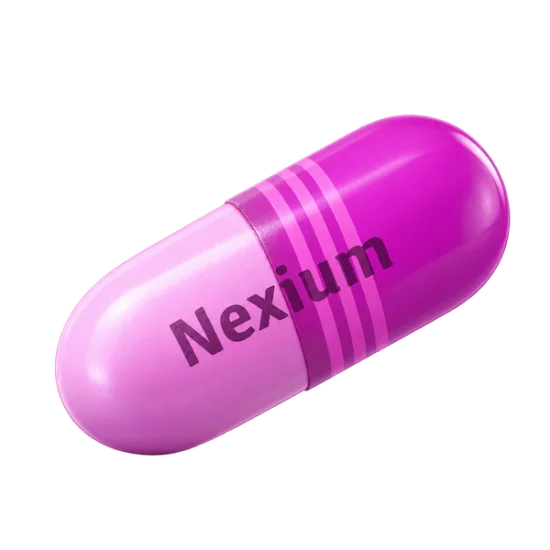
The burning after dinner became less frequent during the first part of treatment. I still had occasional symptoms after spicy meals, so I stopped assuming that one pill would cover every trigger.
Nexium reduces stomach acid by blocking the final step of acid secretion in the stomach. It is used for acid-related conditions such as reflux symptoms, heartburn, and inflammation of the oesophagus in adults.
Product information
The active substance associated with Nexium is esomeprazole, a PPI used in the management of gastro-oesophageal reflux disease and other acid-related disorders. Nexium belongs to the proton pump inhibitor (PPI) class of acid-suppressing medicines. PPIs reduce the amount of hydrochloric acid released by the stomach, giving irritated tissues time to recover.
Dosage and administration
The amount and frequency of Nexium depend on the condition being treated and are agreed with a doctor or pharmacist. Treatment may be short term for reflux symptoms or longer when healing, ulcer prevention, or another defined indication requires sustained acid suppression.
Practical administration points include:
- Take the pill by mouth with water.
- Use it at the scheduled time each day.
- A morning dose is commonly taken before the first meal when that schedule has been prescribed.
- Swallow the delayed-release form intact.
- Do not double the next dose after a missed dose.
- Tell the prescriber about all medicines, including antiplatelet drugs, anticoagulants, HIV treatments, seizure medicines, and herbal products.
Food does not make Nexium an instant antacid. The medicine works by reducing acid production over time, so taking extra tablets for immediate relief is not an appropriate substitute for the agreed schedule.
Ingredients
The active substance associated with Nexium is esomeprazole, a PPI used in the management of gastro-oesophageal reflux disease and other acid-related disorders. The medicinal form is designed to pass through the acidic stomach environment before releasing its contents further along the digestive tract. This delayed-release principle protects the acid-sensitive drug and supports absorption.
The product is supplied as oral pills.
How it affects the body
The pharmacological action associated with Nexium involves inhibition of the gastric hydrogen-potassium ATPase pump. This pump sits on the membrane of gastric parietal cells and performs the final step in stomach-acid production. Blocking it reduces both resting acid secretion and acid released after meals.
A PPI works differently from an antacid. An antacid neutralises acid already present in the stomach, while a PPI reduces the production of new acid by acting on the proton pump.
Therapeutic indications
Nexium is used in acid-related gastrointestinal conditions. Its clinical role includes reducing reflux-related irritation, controlling frequent heartburn, and supporting healing when stomach acid has damaged the lining of the oesophagus.
Common clinical uses include:
- Gastro-oesophageal reflux disease, often called GERD or GORD.
- Frequent heartburn linked to acid reflux.
- Healing and maintenance treatment for erosive oesophagitis.
- Acid-related symptoms requiring stronger suppression than short-acting neutralising products.
- Part of some treatment plans involving Helicobacter pylori, alongside antibacterial medicines selected by a prescriber.
- Reduction of ulcer risk in selected people taking nonsteroidal anti-inflammatory drugs (NSAIDs), when acid protection is clinically indicated.
The purpose of treatment affects the dose, frequency, and duration. A person taking a PPI for occasional reflux may follow a different plan from someone being treated for erosive oesophagitis or ulcer prevention. The appropriate amount and schedule are agreed with a doctor or pharmacist.
Acid reflux occurs when stomach contents move upward into the oesophagus. Repeated exposure can cause burning, chest discomfort, sour regurgitation, cough, or inflammation. Gastroenterologists assess the pattern of symptoms and may use endoscopy, reflux monitoring, or other tests when symptoms are persistent, severe, or difficult to explain.
Nexium may be considered when acid suppression is needed for longer-lasting control. The American College of Gastroenterology guideline supports PPI therapy for appropriate patients with GERD and recommends tailoring treatment to the clinical diagnosis [1].
Common mistakes
Several habits can make treatment appear less effective or create avoidable risks:
- Taking extra pills because relief is not immediate.
- Crushing or chewing a delayed-release dosage form.
- Stopping treatment suddenly after prolonged use without a plan.
- Using a PPI for persistent symptoms without investigating alarm signs.
- Forgetting to mention over-the-counter NSAIDs or aspirin.
- Assuming that acid suppression prevents every complication from NSAID use.
- Taking clopidogrel or warfarin without including it in the medication review.
- Continuing long-term treatment without checking whether the original indication still applies.
- Treating recurrent chest pain as heartburn without assessing cardiovascular symptoms.
When not to use it
- Previous serious allergy to esomeprazole, another PPI, or an excipient in the formulation.
- Previous severe reaction to a medicine in the same class.
- Use of medicines with clinically important absorption or metabolic interactions.
- Significant liver disease, where dose selection and monitoring may require extra care.
- Pregnancy or breastfeeding, where treatment should be selected after an individual benefit-risk assessment.
Nexium can interact with medicines whose absorption depends on stomach acidity. It also requires careful review with clopidogrel because changes in metabolic activation may reduce clopidogrel’s antiplatelet effect. Other medicines requiring attention can include warfarin, digoxin, methotrexate at high doses, tacrolimus, rifampicin, and some HIV treatments.
When this is not for you
Nexium is not for you if you have had a serious allergy to esomeprazole, another PPI, or an excipient. Do not rely on repeated self-treatment if you have unexplained weight loss, repeated vomiting, vomiting blood, black stools, progressive difficulty swallowing, anaemia, or severe or persistent chest pain. Tell a clinician if you have significant liver disease, are pregnant or breastfeeding, or take medicines such as clopidogrel, warfarin, digoxin, high-dose methotrexate, tacrolimus, rifampicin, or HIV treatments.
Possible side effects
Many people tolerate esomeprazole without serious problems. Reported adverse effects can include headache, abdominal discomfort, diarrhoea, constipation, nausea, vomiting, and flatulence. These symptoms may be mild and temporary, but persistent diarrhoea or severe abdominal pain needs medical assessment.
Less common reactions include skin rash, itching, dizziness, and changes in liver-related blood tests. A severe allergic reaction can cause facial swelling, breathing difficulty, widespread hives, or faintness and requires urgent medical attention.
Longer treatment changes the safety discussion. Prolonged PPI use has been associated with low magnesium levels, vitamin B12 deficiency in some patients, intestinal infections, and a possible increase in fracture risk in people with additional risk factors. These concerns do not mean that treatment should be stopped abruptly. They mean that ongoing therapy should have a clear clinical reason and periodic review.
A person taking Nexium for months or years may need medication review, especially when also using diuretics, digoxin, corticosteroids, or medicines affecting bone health. The European Medicines Agency product information describes these precautions and the recognised adverse-effect profile of esomeprazole [3].
Headache and nausea are common practical complaints. Taking the pill at the prescribed time and avoiding unnecessary additional acid medicines can make it easier to identify whether symptoms are caused by the illness or by treatment.

Comparison
| Medicine class | Main action and typical role |
|---|---|
| Proton pump inhibitor | Blocks the gastric proton pump and provides sustained acid suppression; used for reflux disease, erosive injury, and selected ulcer-related indications |
| H2-receptor antagonist | Reduces acid secretion through histamine-receptor blockade; may help milder or intermittent symptoms, though tolerance can develop with repeated use |
| Antacid | Neutralises acid already present in the stomach; tends to act quickly but provides shorter relief and does not heal acid-related inflammation by itself |
Antacids can be useful for occasional breakthrough discomfort because they act locally and quickly. They do not provide the same sustained suppression as a PPI. H2 blockers occupy a middle position: they reduce acid secretion but usually act through a different pathway and may become less reliable with regular use.
PPIs are selected more often when the treatment goal includes healing erosive oesophagitis or controlling acid exposure across the day and night. The trade-off is that they are not designed as instant neutralisers for a single episode of burning.
The National Institute for Health and Care Excellence describes PPIs as a central treatment option for gastro-oesophageal reflux disease and dyspepsia, with treatment adjusted according to symptoms and response [2].
What doctors say
In clinical practice, doctors usually distinguish between occasional heartburn and repeated acid exposure. Frequent symptoms, night-time reflux, swallowing discomfort, or documented oesophageal inflammation can justify a structured PPI plan, while unexplained symptoms may require investigation before prolonged treatment.
A gastroenterologist would usually set a treatment goal. That goal may be symptom control, healing of erosive oesophagitis, prevention of recurrence, or protection against ulcer complications in a higher-risk NSAID user. The plan can change after symptoms improve.
Consistency affects the result. A PPI taken sporadically may not provide the same control as a medicine taken according to the prescribed schedule. Doctors also review whether long-term therapy remains necessary instead of allowing treatment to continue without reassessment.
Nexium does not treat every cause of chest or upper-abdominal discomfort. Gallbladder disease, peptic ulcer complications, heart disease, functional dyspepsia, and medication-related irritation can produce overlapping symptoms.
Comparison
Common questions
Can people under 18 use Nexium?
Use in children and adolescents depends on age, diagnosis, formulation, and the clinical reason for treatment. Paediatric prescribing should be based on a clinician’s assessment rather than an adult schedule. FDA product information reviewed in 2022 describes age-specific indications and dosing considerations for esomeprazole products. A child with persistent reflux, vomiting, poor growth, or swallowing difficulty needs evaluation by a qualified clinician. The treating clinician should confirm the formulation and dose.
How soon does Nexium become noticeable?
Some people notice reduced burning during the first day, while fuller control may take several days of regular use. Healing of erosive oesophagitis takes longer than relief of a single symptom. The American College of Gastroenterology guidance published in 2022 treats PPI response as part of a wider clinical assessment, not as proof that every symptom comes from reflux. Severe or persistent symptoms need assessment even when acid suppression provides partial relief.
How long does one dose of Nexium keep working?
A dose suppresses the gastric proton pump for a prolonged period because the medicine acts on active pumps and the body replaces them gradually. The practical duration varies with the prescribed schedule, the condition being treated, and individual acid secretion. NICE guidance updated in 2014 describes PPI treatment as a course-based approach rather than a rapid, one-episode neutraliser. Do not take additional doses simply because immediate relief has not occurred.
What should be done after a missed Nexium dose?
Take the missed dose when remembered unless the next scheduled dose is near. If the next dose is near, skip the missed dose and continue with the normal schedule. Do not take two doses together to compensate. FDA prescribing information reviewed in 2022 gives missed-dose advice for esomeprazole products, while the exact plan should match the schedule agreed with a doctor or pharmacist.
How long does a Nexium course last, and is long-term use acceptable?
The course depends on the indication, symptom pattern, endoscopy findings, ulcer risk, and response to treatment. Short courses may be used for uncomplicated reflux, while erosive oesophagitis, ulcer prevention, or recurrent disease may require longer treatment. The World Health Organization’s 2023 medication-safety principles support periodic review of long-term therapy, including medicines that may cause nutrient or electrolyte problems. Long-term use can be appropriate when there is a continuing clinical indication, with treatment reviewed rather than continued automatically.
Do you offer anonymous delivery?
Your order will be securely packed and shipped within 24 hours. This is exactly what your package will look like (images of an actual item sent). It has the size and look of a regular private letter (24x11x0.7 cm) and its contents cannot be seen.
Reviews: Nexium
My stomach felt calmer after the first week. I had mild headaches at the beginning, which settled, but I needed the timing explained because taking it only after pain started did not work well for me.
It helped with waking up from acid reflux, although the improvement was gradual rather than immediate. I was disappointed that it did not act like a quick antacid, and I needed a separate plan for occasional breakthrough symptoms.
Sources
- American College of Gastroenterology (2022). ACG Clinical Guideline for the Diagnosis and Management of Gastroesophageal Reflux Disease
- National Institute for Health and Care Excellence (2014). Gastro-oesophageal reflux disease and dyspepsia in adults: investigation and management
- European Medicines Agency (2023). Nexium: product information for esomeprazole