Skip to content
Pepcid
Active ingredient: Famotidine

Pepcid

Quality products
24/7 Support
Fast delivery
Delivery from 4 days
Select pack Package Per unit Price

Free delivery on orders from AED 860.00, free express delivery from AED 1,290.00

Secure Payments
Track your order
Best price guarantee

Pepcid tablets are used for short-term relief and prevention of heartburn and acid indigestion in adults and suitable adolescents. By lowering acid output, it helps reduce burning discomfort when acid moves from the stomach into the oesophagus.

Product information

Famotidine, the active ingredient of Pepcid, is an H2 blocker that reduces stomach acid production.

Dosage and administration

The tablet is intended for acid reduction over several hours. The dose is decided individually, taking age, other medicines and health conditions into account. Adults and adolescents aged 12 years and above commonly use a single tablet for symptom relief or before a known trigger, within the limits set for non-prescription famotidine use.

A few practical points make a difference:

  • Swallow the tablet with water.
  • Take it before a meal likely to trigger heartburn when using it for prevention.
  • Avoid taking more than the recommended daily amount.
  • Do not use repeated short courses to mask persistent reflux symptoms.
  • Reduced kidney function can require a longer interval between doses.
A common mistake is taking famotidine only after a large spicy or fatty meal has already caused severe burning. For predictable meal-related symptoms, taking it before the trigger is usually more useful.

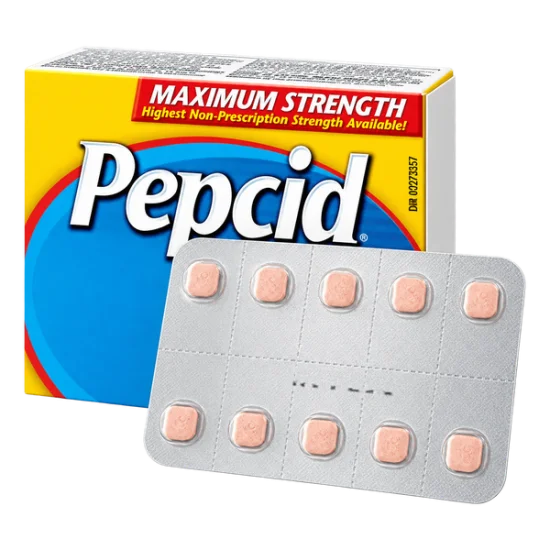
Pepcid is supplied as tablets for oral use. The tablet format provides a measured famotidine dose and is designed to be swallowed whole with water.

The product is intended for episodic acid control. It is not designed to replace investigation of recurrent symptoms. People who need acid suppression most days may need assessment for GERD, oesophagitis, Helicobacter pylori infection, medication-related irritation, or another digestive condition.

Do not take a tablet with the idea that more will work faster. Acid secretion has a biological limit, and excess dosing increases the chance of adverse effects without reliably producing better relief.

Ingredients

Pepcid tablets contain famotidine, the active ingredient, an H2 blocker that reduces stomach acid production. The dose is decided individually, taking age, other medicines and health conditions into account. Famotidine is an H2 blocker, not an antacid and not a proton pump inhibitor.

How it affects the body

Pepcid contains famotidine, an acid reducer from the histamine-2 receptor blocker class, also called H2 blockers. Histamine is a natural chemical messenger that stimulates specialised stomach cells, known as parietal cells, to release acid. Famotidine blocks histamine at H2 receptors, reducing the amount of acid produced.

Famotidine does not physically neutralise acid that is already present. It reduces further acid secretion.

Therapeutic indications

Pepcid is used for two common situations: treating heartburn when it appears and preventing symptoms before a known trigger meal or drink. Trigger patterns differ between people. Fried foods, large portions, coffee, chocolate, peppermint, citrus, tomato-based meals, and late dinners are frequent examples.

For acute relief, famotidine reduces ongoing acid secretion after symptoms begin. For prevention, it is taken before an anticipated trigger. This is useful for people whose symptoms are occasional and clearly linked to certain meals.

Heartburn more than twice weekly, difficulty swallowing, repeated vomiting, unexplained weight loss, black stools, or persistent upper-abdominal pain need medical assessment. These symptoms may reflect gastro-oesophageal reflux disease, known as GERD, or another condition requiring a different treatment plan.

Common mistakes

Several patterns can make Pepcid seem less helpful than it should be.

  • Taking it after repeated heavy meals instead of before a known trigger.
  • Using it every day for prolonged periods without investigating recurrent symptoms.
  • Combining several acid-reducing products without checking whether the combination is appropriate.
  • Assuming chest pain is heartburn because it follows a meal.
  • Ignoring kidney disease when deciding how often to use famotidine.
  • Taking extra tablets because the first dose did not relieve symptoms instantly.
Keep a simple note of symptoms for one to two weeks: meal time, foods, body position, alcohol intake, and when burning began. A pattern of symptoms after late meals is often more informative than trying random treatments.

When not to use it

Pepcid is not for you if you have had an allergic reaction to famotidine or another H2 blocker.

Extra caution is needed in the following situations:

  • Moderate or severe kidney impairment.
  • Pregnancy or breastfeeding, where treatment selection should be individualised.
  • A history of serious allergic reactions to acid-reducing medicines.
  • Ongoing heartburn for more than 14 days or recurrent symptoms after repeated courses.
  • Use of medicines whose absorption depends on stomach acidity.

Famotidine can alter the absorption of medicines that need an acidic stomach environment. Examples include some antifungal treatments and certain antiviral medicines. It may also interact with prescription treatments through altered gastric pH or kidney clearance. FDA prescribing information advises dose adjustment in renal impairment and describes central nervous system reactions in susceptible patients [2].

When this is not for you

Do not use it as self-treatment for unexplained chest pain, trouble swallowing, vomiting blood, black stools, unexplained weight loss, or persistent vomiting.

Possible side effects

Most people tolerate short-term famotidine well. Headache, dizziness, constipation, diarrhoea, nausea, and tiredness can occur. These reactions are usually mild, though a new or persistent symptom deserves attention.

Older adults and people with reduced kidney function need added care. Famotidine is cleared largely through the kidneys. Higher blood levels can occur when kidney function is impaired, increasing the risk of confusion, agitation, hallucinations, or unusual drowsiness.

Severe allergic reactions are rare but require urgent help. Warning signs include facial swelling, wheezing, widespread hives, or trouble breathing. A fast or irregular heartbeat, fainting, or severe confusion also needs prompt medical assessment.

If dizziness occurs after a dose, avoid driving, climbing ladders, or operating machinery until you know how famotidine affects you. This matters most after the first few doses or when other sedating medicines are also used.

Comparison

Pepcid occupies a middle position between fast antacids and proton pump inhibitors, or PPIs. Each class works differently.

Treatment class How it works Typical role
Antacids Neutralise acid already in the stomach Rapid, short-lived symptom relief
H2 blockers such as famotidine Reduce histamine-driven acid secretion Intermittent heartburn prevention and relief
Proton pump inhibitors Block the stomach’s acid pump Frequent GERD symptoms and healing acid-related oesophageal injury

Antacids may act within minutes, though their effect is brief. Famotidine is slower than an antacid but generally lasts longer. PPIs can provide stronger sustained acid suppression for frequent reflux, yet they are not intended as instant relief medicines and may require several days of regular dosing for their fullest effect.

The American College of Gastroenterology places PPIs as the main treatment for confirmed GERD with troublesome frequent symptoms or erosive oesophagitis, while H2 blockers remain useful for selected intermittent symptoms [3]. Pepcid may be a practical option when symptoms are occasional, meal-related, and not accompanied by alarm features.

What doctors say

In clinical practice, doctors often separate occasional heartburn from persistent reflux disease before choosing treatment. Pepcid is often considered for predictable, infrequent symptoms because famotidine can be used before a trigger meal and has a long enough action period to cover much of the day or night.

The limitation is clear. Famotidine does not address every cause of upper-abdominal discomfort. Burning caused by reflux may improve, while pain from gallbladder disease, ulcers, heart disease, pancreatitis, or medication-related irritation requires a different approach.

Doctors also pay attention to timing. Symptoms that wake a person regularly, occur despite appropriate short-term acid reduction, or appear with swallowing problems merit assessment rather than repeated self-treatment.

Comparison

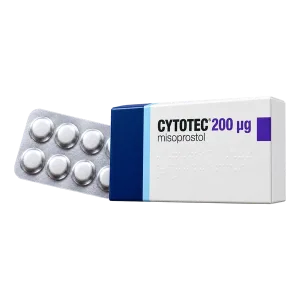
Cytotec

Active ingredient: Misoprostol
100mcg 200mcg
From AED 253.70
pills
4.4 (5)

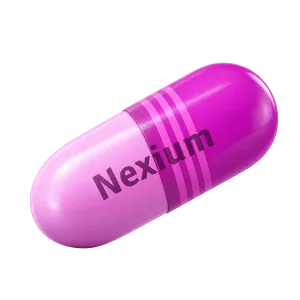
Nexium

Active ingredient: Esomeprazole
40mg 20mg
From AED 365.50
pills
3.7 (3)

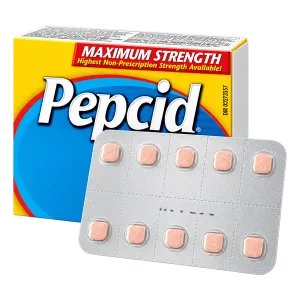
Pepcid Current

Active ingredient: Famotidine
20mg 40mg
From AED 417.10
pills
4 (3)

Comparison table: Stomach Ulcers

Common questions

Can Pepcid be used by people under 18?

Pepcid for non-prescription heartburn relief is generally intended for adults and adolescents aged 12 years and above. Children younger than 12 need an individual clinical assessment because dosing, symptom causes, and suitable formulations differ. The FDA’s famotidine information distinguishes non-prescription heartburn use from clinician-directed paediatric treatment. This guidance remained relevant in 2026 because age, weight, kidney function, and symptom pattern affect safe use [1].

Can Pepcid be taken with food or on an empty stomach?

Pepcid may be taken with or without food. For prevention of predictable heartburn, taking it before a trigger meal gives famotidine time to reduce acid production before symptoms begin. A 2022 American College of Gastroenterology GERD guideline supports tailoring acid-reducing therapy to symptom timing and meal-related triggers. Taking it on an empty stomach is not required for the tablet to work.

Does Pepcid cause constipation?

Constipation can occur with famotidine, though it is not among the most frequent reactions for every user. Some people instead notice diarrhoea, nausea, or a headache. The FDA famotidine prescribing information, revised in 2017, lists constipation and diarrhoea among reported digestive adverse reactions. Persistent constipation, severe abdominal pain, or bowel changes with blood should not be attributed to acid treatment without assessment.

Can Pepcid tablets be split, crushed, or chewed?

Pepcid tablets should be swallowed whole with water unless a clinician has specifically advised a different method. Crushing or chewing can leave a bitter taste and may make it harder to take a consistent dose. The 2020 FDA Drug Facts document describes Pepcid AC Maximum Strength as an oral tablet for swallowing. People with swallowing difficulty may need a more suitable famotidine formulation selected by a clinician.

Can Pepcid be combined with proton pump inhibitors or antacids?

Famotidine is sometimes used with an antacid for short-term symptom control, though repeated combination treatment should have a clear reason. PPIs and H2 blockers both reduce acid through different mechanisms, and some people use an H2 blocker at night while taking a PPI earlier in the day under clinical direction. NICE guidance, updated in 2019, recommends treatment selection according to reflux frequency, response, and the need for ongoing review. Medicines affected by stomach acidity, such as certain antifungals and antiviral treatments, need special attention before adding acid-reducing therapy.

Do you offer anonymous delivery?

Your order will be securely packed and shipped within 24 hours. This is exactly what your package will look like (images of an actual item sent). It has the size and look of a regular private letter (24x11x0.7 cm) and its contents cannot be seen.

Nutritional and Lifestyle Factors in Acid Control

Pepcid’s acid-reducing action comes from famotidine. The tablets do not contain sleep-support ingredients such as melatonin or calming botanicals such as lemon balm. Their role is focused on reducing stomach acid associated with heartburn and acid indigestion.

Food habits often influence reflux as much as medicine timing. Smaller evening meals, gradual weight management where relevant, avoiding tobacco, and raising the head of the bed for night reflux can lessen symptom frequency. Loose clothing after meals also helps some people because tight waistbands raise pressure inside the abdomen.

Alcohol can worsen reflux by relaxing the lower oesophageal sphincter, the muscular valve between the oesophagus and stomach. Pepcid may reduce acid production, but it does not remove alcohol’s effect on reflux triggers.

Reviews: Pepcid

4
Based on 3 reviews
Rashid, 30 Sharjah Several weeks
Verified
Rating: 4.5 out of 5

I used one Pepcid tablet before late dinners during Ramadan for several weeks because rich meals gave me burning in my chest. It usually settled things within half an hour and lasted through the evening. I found that taking it before the meal worked better than waiting until I was already uncomfortable.

24 Oct 2026
Mohammed, 55 Mirdif About two weeks
Verified
Rating: 4 out of 5

I took one tablet for heartburn after weekend meals for about two weeks. The relief was good, but I had mild constipation for a few days and started drinking more water. Once I stopped eating so late, I needed it less often.

2 Nov 2026
Karim F., 68 Dubai Marina Several weeks
Verified
Rating: 3.5 out of 5

I had used one tablet on and off for night-time acidity for several weeks, but I also have reduced kidney function. My doctor adjusted my plan after I mentioned feeling unusually dizzy one morning. It helped the burning, though I learned not to treat frequent symptoms casually.

21 Nov 2026

Sources

  1. U.S. Food and Drug Administration (2020). Drug Facts Label: PEPCID AC Maximum Strength, famotidine tablets
  2. U.S. Food and Drug Administration (2017). PEPCID (famotidine) tablets and oral suspension: Prescribing Information
  3. American College of Gastroenterology (2022). ACG Clinical Guideline for the Diagnosis and Management of Gastroesophageal Reflux Disease
Get our free app Shop faster and track your orders 3.9 · 576 reviews Install