Skip to content
Naprosyn
Active ingredient: Naproxen

Naprosyn

Quality products
24/7 Support
Fast delivery
Delivery from 4 days
Select pack Package Per unit Price

Free delivery on orders from AED 860.00, free express delivery from AED 1,290.00

Secure Payments
Track your order
Best price guarantee

Naprosyn tablets are swallowed whole with water, preferably with or after food, to relieve pain and inflammation. They contain naproxen, an NSAID used for conditions such as arthritis, muscle and joint pain, gout flares, and painful periods. Naproxen lowers prostaglandin activity, reducing swelling, tenderness, and fever.

Product information

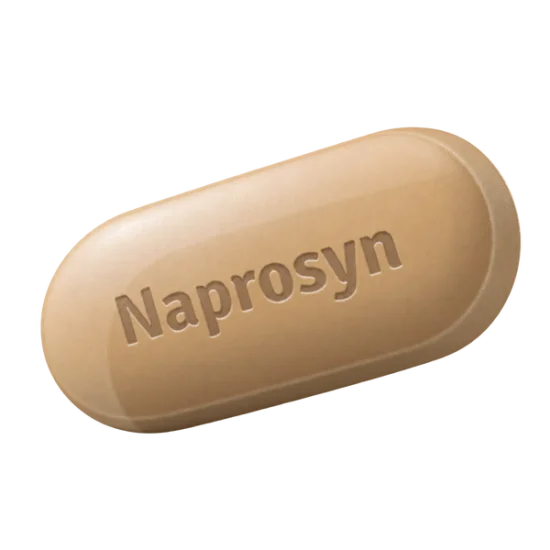
Naprosyn is a tablet form of naproxen, a non-steroidal anti-inflammatory drug, usually shortened to NSAID. NSAIDs reduce pain and inflammation rather than acting only on pain perception, which makes them useful when soreness is linked to swelling or inflammatory tissue irritation.

Dosage and administration

Naprosyn is supplied as tablets. The dose is decided individually, taking age, other medicines, and health conditions into account.

Use the prescribed schedule or the directions supplied for the specific product. The main principles are straightforward:

  • Swallow tablets whole with water.
  • Take with or after food if stomach upset occurs.
  • Use the lowest dose that controls symptoms.
  • Use it for the shortest appropriate period.
  • Do not take an extra tablet to make up for missed pain relief.

Some naproxen tablets have a gastro-resistant coating that delays release until the tablet reaches the intestine. Crushing, chewing, or splitting this type can damage the coating and release the medicine too early.

A tablet that looks intact after a bowel movement can occasionally be the empty shell of a modified-release medicine. Persistent pain, blood in stools, or worsening symptoms still needs medical assessment.

Take Naprosyn at regular intervals only when a clinician has set a repeated-dose plan. For short-term pain, avoid extending use simply because symptoms return each day; recurring pain can signal an injury, inflammatory flare, or condition needing a different approach.

If a dose is missed, take it when remembered unless the next scheduled dose is close. Skip the missed dose in that situation. Doubling doses raises the chance of indigestion, bleeding, dizziness, and kidney stress.

Kidney disease, dehydration, heart failure, liver disease, older age, and use of diuretics can all affect the appropriate regimen. Naproxen is cleared partly through the kidneys, so reduced kidney function changes the risk profile.

Ingredients

Naprosyn is a tablet form of naproxen, a non-steroidal anti-inflammatory drug, usually shortened to NSAID. NSAIDs reduce pain and inflammation rather than acting only on pain perception, which makes them useful when soreness is linked to swelling or inflammatory tissue irritation.

Naprosyn may be prescribed or recommended for:

  • Osteoarthritis and rheumatoid arthritis pain
  • Back pain, sprains, strains, and other musculoskeletal pain
  • Acute gout-related inflammation
  • Menstrual pain
  • Tendon, joint, or soft-tissue inflammation
  • Fever associated with inflammatory conditions

Naproxen is a pain killer with anti-inflammatory activity. It can reduce symptoms, though it does not remove the underlying cause of arthritis, injury, or gout.

Take Naprosyn with a full glass of water. Remaining upright for a short time after swallowing can reduce throat or upper-stomach irritation.

How it affects the body

Naproxen blocks cyclooxygenase enzymes, often called COX enzymes. These enzymes help the body make prostaglandins, chemical messengers involved in inflammation, pain sensitivity, swelling, and fever.

Lower prostaglandin production means less inflammatory signalling in affected tissue. Pain relief may be noticed before stiffness and swelling improve, especially with arthritis or tendon irritation. The FDA includes naproxen among NSAIDs that can raise gastrointestinal, kidney, and cardiovascular risks, especially with prolonged use or higher doses. [1]

Therapeutic indications

Naprosyn may be prescribed or recommended for:

  • Osteoarthritis and rheumatoid arthritis pain
  • Back pain, sprains, strains, and other musculoskeletal pain
  • Acute gout-related inflammation
  • Menstrual pain
  • Tendon, joint, or soft-tissue inflammation
  • Fever associated with inflammatory conditions

Common mistakes

Several avoidable errors account for many NSAID-related problems:

  • Taking ibuprofen because Naprosyn has not relieved pain quickly enough
  • Using aspirin for a headache without recognising that it is also an NSAID
  • Taking extra tablets after missing a dose
  • Crushing or chewing a gastro-resistant tablet
  • Continuing despite black stools, vomiting blood, or persistent stomach pain
  • Taking tablets while dehydrated from vomiting, diarrhoea, or intense heat exposure

The phrase “over-the-counter” does not remove interaction risks. NSAIDs can affect kidneys, stomach lining, blood pressure, and blood clotting even when bought for short-term pain.

If vomiting, diarrhoea, or poor fluid intake has left you dehydrated, avoid adding an NSAID until a clinician has assessed your kidney risk.

When not to use it

  • Active stomach or intestinal ulcer
  • Previous recurrent ulcer bleeding or gastrointestinal haemorrhage
  • Severe kidney impairment
  • Severe liver impairment
  • Severe heart failure
  • Known NSAID allergy
  • Pain treatment immediately before or after coronary artery bypass graft surgery
  • Pregnancy from 20 weeks onward unless a clinician specifically directs otherwise

When this is not for you

Naprosyn is not for you if you have had an allergic reaction, asthma attack, hives, or nasal swelling after aspirin or another NSAID.

You should also avoid it if you have an active or recurrent stomach ulcer or gastrointestinal bleeding, severe kidney or liver problems, severe heart failure, or if you are having coronary artery bypass graft surgery. Do not use it from 20 weeks of pregnancy onward unless a clinician specifically directs otherwise.

People with asthma need extra care if aspirin-like medicines have previously triggered wheeze. Older adults may need closer review because bleeding, kidney injury, and blood-pressure effects become more likely with age and multiple medicines.

Possible side effects

Indigestion is common. Nausea, stomach discomfort, heartburn, headache, dizziness, ankle swelling, and fluid retention may also occur.

Seek urgent medical care for:

  • Black, tar-like stools
  • Vomiting blood or material resembling coffee grounds
  • Severe or persistent stomach pain
  • Chest pain, sudden shortness of breath, or weakness on one side of the body
  • Facial swelling, wheezing, widespread rash, or difficulty breathing
  • Markedly reduced urination or sudden leg swelling

Gastrointestinal bleeding can occur without dramatic early pain. Black stools are never a symptom to watch at home while taking an NSAID. Older adults and people with a past ulcer or gastrointestinal bleed have a higher risk.

Naproxen can also raise blood pressure or cause fluid retention. A person who develops new breathlessness, rapid weight gain from swelling, or reduced urine output should stop self-treatment and obtain prompt medical assessment.

Cold-and-flu remedies sometimes contain an NSAID. Check the active ingredients before adding one to Naprosyn, even if the product is marketed mainly for fever or congestion.

Comparison

Naproxen and ibuprofen are NSAID painkillers. Paracetamol works differently and has limited anti-inflammatory action. Aspirin can relieve pain at some doses, while low-dose aspirin may be prescribed for antiplatelet cardiovascular protection.

Active ingredient Main action Key caution
Naproxen NSAID with pain-relieving and anti-inflammatory effects Stomach bleeding, kidney effects, fluid retention
Ibuprofen NSAID with pain-relieving and anti-inflammatory effects Do not combine with naproxen
Paracetamol Pain and fever relief with limited anti-inflammatory effect Liver toxicity if total daily intake is excessive

Naproxen may suit pain that lasts through the day because its action can persist longer than some short-acting NSAIDs. That does not make it the right option for every person. A history of ulcers, uncontrolled blood pressure, kidney disease, or cardiovascular disease can shift the balance away from NSAID use.

Aspirin should not be added for pain relief while using Naprosyn unless a prescriber has directed it. People taking low-dose aspirin for heart or stroke prevention need an individual medication review because naproxen may increase bleeding risk and can affect aspirin’s antiplatelet action when timed poorly. [2]

Do not combine Naprosyn with ibuprofen, ketorolac, or another NSAID because the medicines share risks without reliably giving better pain relief.

What doctors say

Doctors commonly separate short inflammatory flares from pain that keeps returning. Naprosyn can be useful for a gout flare, an acute back strain, or a period of arthritic inflammation, while repeated unexplained pain deserves assessment rather than continual self-treatment.

A practical clinical goal is meaningful improvement in movement, sleep, and daily activity at the lowest workable exposure. If a person needs Naprosyn most days, clinicians often review blood pressure, kidney function, bleeding history, and all other medicines before continuing the plan.

Comparison

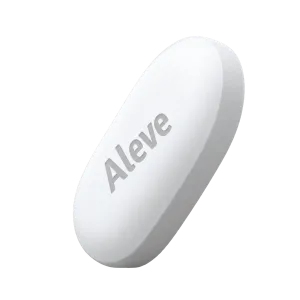
Aleve

Active ingredient: Naproxen
250mg 500mg
From AED 399.90
pills
3.3 (3)

Celebrex

Active ingredient: Celecoxib
100mg 200mg
From AED 374.10
pills
3.9 (5)

Diclofenac

Active ingredient: Diclofenac
100mg 50mg
From AED 434.30
pills
4.3 (5)

Feldene

Active ingredient: Piroxicam
20mg 10mg
From AED 116.10
capsules
3.7 (5)

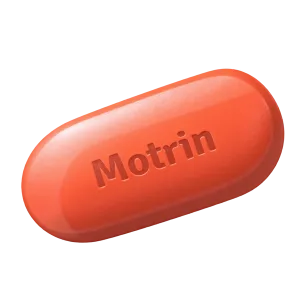
Motrin

Active ingredient: Ibuprofen
400mg 600mg 200mg
From AED 38.70
pills
4 (3)

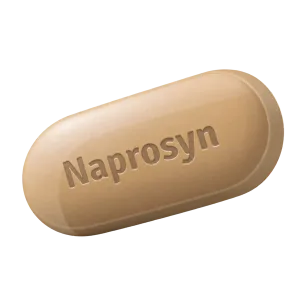
Naprosyn Current

Active ingredient: Naproxen
250mg 500mg
From AED 399.90
pills
3.8 (3)

Comparison table: Pain Relief

Common questions

Can Naprosyn be used during pregnancy or breastfeeding?

Naproxen should generally be avoided from 20 weeks of pregnancy onward unless a clinician decides the expected benefit outweighs the risk. The FDA’s 2020 NSAID safety communication links use after 20 weeks with fetal kidney problems and low amniotic fluid. During breastfeeding, individual assessment is needed because infant age, dose, and treatment duration matter.

What should I do after missing a Naprosyn dose?

Take the missed dose when remembered unless the next planned dose is near. Do not double the next dose, since higher exposure increases stomach, kidney, and bleeding risks. WHO pain-management principles published in 2023 support using the lowest appropriate medicine exposure rather than compensating for a missed dose.

Can Naprosyn cause stomach bleeding?

Yes, naproxen can irritate the stomach and intestine and may cause ulcers or bleeding. Black stools, vomiting blood, severe abdominal pain, fainting, or unusual weakness need urgent medical attention. The FDA Medication Guide for NSAIDs, revised in 2024, lists gastrointestinal bleeding among serious risks. [4]

How long can a course of Naprosyn last, and is long-term use acceptable?

The duration depends on the condition, response, and personal risk factors rather than a fixed course for everyone. Short use may be appropriate for acute pain, while chronic inflammatory disease may require a monitored treatment plan. EMA safety advice published in 2012 emphasises that NSAID cardiovascular risk rises with higher doses and longer treatment exposure.

Which habits help or hinder the result from Naprosyn?

Taking tablets with food may reduce dyspepsia, while adequate hydration supports kidney function. Alcohol can add to stomach irritation and bleeding risk, so avoiding it is sensible during treatment, especially for people with ulcer history. For arthritis and musculoskeletal pain, graded exercise and physiotherapy can support mobility without increasing the NSAID dose. NICE guidance published in 2022 supports exercise and non-drug measures for osteoarthritis.

Do you offer anonymous delivery?

Your order will be securely packed and shipped within 24 hours. This is exactly what your package will look like (images of an actual item sent). It has the size and look of a regular private letter (24x11x0.7 cm) and its contents cannot be seen.

Long-Term Naprosyn Risks and Monitoring

Extended naproxen use can be valuable for persistent inflammatory pain, yet it should have a clear clinical reason. Longer exposure may increase the risk of ulcer bleeding, anaemia, kidney impairment, fluid retention, raised blood pressure, and cardiovascular events. Risk is influenced by dose and treatment duration. A review can identify whether the medicine remains necessary. It can also identify alternative options or protective measures when appropriate.

Clinicians often reassess ongoing NSAID treatment rather than allowing repeat use to continue automatically. Blood pressure, kidney function, and haemoglobin may be monitored when treatment is prolonged or when a person has risk factors. The European Medicines Agency has stated that cardiovascular risk with non-selective NSAIDs depends on the medicine, dose, duration, and individual cardiovascular history. NICE and the UK's Medicines and Healthcare products Regulatory Agency (MHRA) also publish guidance on NSAID prescribing and safety. [3]

Pain control is only one part of long-term management. Arthritis may also require movement therapy, weight management where relevant, targeted rehabilitation, or disease-specific treatment.

Reviews: Naprosyn

3.8
Based on 3 reviews
Hamdan, 61 Al Barsha Two weeks
Verified
Rating: 3.5 out of 5

I used 500 mg of Naprosyn twice daily for two weeks for knee arthritis during a painful two-week flare. It reduced the stiffness enough for me to walk more comfortably in the mornings, though I made sure to take it after breakfast because it upset my stomach when I took it without food.

1 Nov 2026
Tariq, 50 Mirdif Five days
Verified
Rating: 3.5 out of 5

I took 500 mg of Naprosyn twice daily for five days for lower-back pain after lifting boxes. The pain eased over several days, but I stopped using it when I noticed heartburn at night. Taking another pain tablet on top of it had seemed harmless until I was told both were NSAIDs.

6 Oct 2026
Anil, 47 Dubai Two days
Verified
Rating: 4.5 out of 5

I used 500 mg of Naprosyn twice daily for two days during a gout flare and the swelling settled gradually. It did not work like an instant pain reliever, but it helped me sleep after the second day. I avoided alcohol during that period because it had triggered previous flares.

19 Oct 2026

Sources

  1. U.S. Food and Drug Administration (2024). Medication Guide for Non-Steroidal Anti-Inflammatory Drugs (NSAIDs).
  2. U.S. Food and Drug Administration (2024). Naprosyn Prescribing Information.
  3. European Medicines Agency (2012). Assessment report for non-selective non-steroidal anti-inflammatory drugs and cardiovascular risk.
  4. World Health Organization (2023). WHO guideline for non-surgical management of chronic primary low back pain in adults.
Get our free app Shop faster and track your orders 3.9 · 576 reviews Install