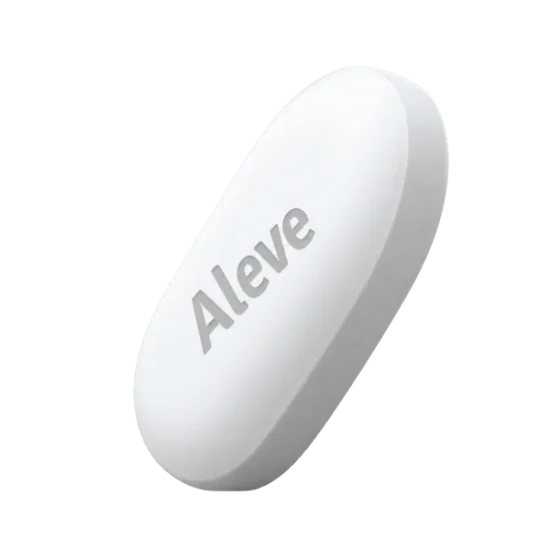
The stiffness eased enough for me to sleep and move around. I took it with dinner because it felt rough on my stomach when I used it earlier in the day.
Aleve tablets are taken by mouth. The product belongs to the same broad drug class as ibuprofen, while its pharmacological profile differs from acetaminophen, which has little peripheral anti-inflammatory activity. It can ease pain and the inflammation that contributes to it.
Product information
Aleve contains naproxen sodium, a nonsteroidal anti-inflammatory drug (NSAID). Naproxen sodium is the sodium salt of naproxen, designed for oral absorption and conversion to active naproxen in the body.
Dosage and administration
The amount per intake is set individually rather than being one fixed dose for every adult. Use only the adult dose authorized for this Aleve product and keep the dosing interval stated in its approved directions. Do not exceed the maximum amount allowed within a 24-hour period.
Practical administration points include:
- Swallow the tablet with water.
- Take it with food or milk if it causes stomach discomfort.
- Use the lowest amount that controls the symptom.
- Keep the treatment period as short as possible.
- Do not combine Aleve with ibuprofen, aspirin used for pain, diclofenac, or another NSAID unless a clinician has specifically instructed this.
- Avoid taking extra doses because the first dose has not yet reached its full effect.
- If a dose is missed, take it when remembered only if the next scheduled dose is not near; never double the next intake.
The dosing principle changes when kidney function, age, dehydration, ulcer history, cardiovascular disease, or other medicines are present. People using anticoagulants, corticosteroids, lithium, methotrexate, certain blood-pressure medicines, or diuretics need a medication review before using naproxen.
Do not crush, chew, or split a tablet unless the product instructions specifically permit it. Altering a solid oral dosage form can affect swallowing, absorption, or dose accuracy.
Ingredients
Aleve contains naproxen sodium, the sodium salt of naproxen. It is a nonsteroidal anti-inflammatory drug (NSAID) formulated for oral absorption and conversion to active naproxen in the body. The tablets are taken by mouth and may help relieve pain and inflammation.
How it affects the body
Naproxen blocks cyclooxygenase enzymes, known as COX-1 and COX-2. These enzymes help form prostaglandins, chemical messengers involved in pain, swelling, fever, and tenderness. By reducing prostaglandin production, Aleve can ease both pain and the inflammation that contributes to it.[1]
Therapeutic indications
Aleve may help relieve mild to moderate pain where inflammation, tissue irritation, or muscle tension contributes to discomfort. Common uses include:
- Headache: It can reduce pain associated with common tension-type headaches.
- Backache: The anti-inflammatory action may help when muscles, joints, or surrounding tissues are irritated.
- Muscle aches: It can be useful after minor strains or everyday muscular overuse.
- Joint stiffness and minor arthritis pain: NSAIDs can reduce inflammatory pain and improve movement for some adults.
- Toothache: Naproxen may reduce dental pain temporarily while definitive dental care is arranged.
- Menstrual cramps: Prostaglandins contribute to uterine contractions, so NSAIDs can reduce cramping for many adults.
- Minor aches associated with colds: Aleve may reduce pain or fever, but it does not treat the viral infection itself.
Aleve is most suitable when inflammation forms part of the pain pattern. It may be less suitable for pain that results from nerve injury, severe trauma, or an undiagnosed abdominal condition.
Pain that is sudden, severe, recurrent, or accompanied by weakness, chest discomfort, black stools, vomiting blood, or breathing difficulty needs urgent medical evaluation.
Common mistakes
Several habits reduce the benefit of Aleve or increase avoidable risk:
- Taking Aleve together with ibuprofen because both medicines are sold for pain.
- Repeating a dose before the authorized interval has passed.
- Using it for several weeks without reassessing persistent pain.
- Taking it during dehydration caused by vomiting, diarrhoea, fasting, or intense heat.
- Assuming food completely protects the stomach.
- Forgetting that combination cold, flu, or headache products may contain another NSAID.
- Continuing it after black stools, severe stomach pain, wheezing, or facial swelling.
- Using naproxen to mask escalating dental, abdominal, or chest pain.
- Taking it immediately before strenuous exercise while dehydrated.
- Assuming an old prescription is still suitable after kidney function, blood pressure, or other medicines have changed.
A common practical error is taking two products with different brand names that contain the same type of painkiller. The active ingredient, not the package colour or product name, determines whether the medicines overlap.
When not to use it
- You have had asthma, hives, facial swelling, or another allergic reaction after aspirin, naproxen, ibuprofen, or another NSAID.
- You currently have a stomach or intestinal ulcer, gastrointestinal bleeding, or a previous serious NSAID-related bleed.
- You are undergoing coronary artery bypass graft surgery or are in the perioperative period specified by the surgical team.
- You have severe kidney disease or severe heart failure without individualized medical direction.
- You are in the later stages of pregnancy, when NSAIDs can affect fetal circulation, amniotic fluid, and labour.
- You are taking another NSAID for pain.
- You have an unexplained gastrointestinal bleed, severe abdominal pain, or symptoms that could represent a surgical emergency.
Important interactions include:
- Warfarin and other anticoagulants: higher bleeding risk.
- Aspirin and other antiplatelet medicines: greater gastrointestinal and bleeding risk.
- Corticosteroids: increased risk of stomach ulceration or bleeding.
- ACE inhibitors, angiotensin-receptor blockers, and diuretics: possible loss of blood-pressure control and greater kidney stress.
- Lithium: naproxen may increase lithium concentrations.
- Methotrexate: NSAIDs may increase methotrexate toxicity, depending on dose and clearance.
- Cyclosporine or tacrolimus: increased kidney toxicity is possible.
- Alcohol: regular or heavy intake can compound gastrointestinal bleeding risk.
FDA pregnancy safety communications and product information treat later-pregnancy NSAID exposure as a specific risk, not a routine use case.[2]
When this is not for you
Aleve is not suitable for everyone.
Aleve is not for you if
- You have had asthma, hives, facial swelling, or another allergic reaction after aspirin, naproxen, ibuprofen, or another NSAID.
- You currently have a stomach or intestinal ulcer, gastrointestinal bleeding, or a previous serious NSAID-related bleed.
- You are taking another NSAID for pain.
- You have an unexplained gastrointestinal bleed, severe abdominal pain, or symptoms that could represent a surgical emergency.
Tell the prescriber or pharmacist about every medicine used for pain, blood pressure, mood, inflammation, clot prevention, or fluid retention before taking Aleve. The specific combination matters more than the medicine name alone.
Possible side effects
Naproxen may irritate the digestive tract because prostaglandins also help protect the stomach and intestine. Common problems include indigestion, stomach discomfort, nausea, heartburn, dizziness, and headache. Taking the tablet with food can reduce stomach upset, but food does not remove the risk of ulceration or gastrointestinal bleeding.
Serious reactions require immediate medical attention:
- Black or tarry stools, blood in vomit, or severe stomach pain may indicate gastrointestinal bleeding.
- Facial swelling, wheezing, widespread rash, or difficulty breathing may indicate a severe allergic reaction.
- New chest pain, sudden weakness, slurred speech, or one-sided numbness may signal a cardiovascular event.
- Markedly reduced urination, swelling, or sudden weight gain may indicate kidney impairment.
- Blistering rash, peeling skin, or sores affecting the mouth or eyes may indicate a severe skin reaction.
NSAIDs can raise blood pressure, promote fluid retention, impair kidney function, and increase the risk of cardiovascular events, especially with higher exposure or prolonged use. These risks are more concerning in people with hypertension, heart failure, coronary artery disease, chronic kidney disease, dehydration, or a history of gastrointestinal ulceration.
One practical detail is easy to miss: dehydration increases kidney stress during NSAID treatment. Vomiting, diarrhoea, intense heat exposure, and poor fluid intake can all make naproxen harder for the kidneys to tolerate.

Comparison
Aleve, ibuprofen, and acetaminophen can all reduce pain, yet they are not interchangeable in risk or mechanism. Naproxen and ibuprofen suppress inflammatory prostaglandin production throughout the body. Acetaminophen acts mainly through central pain and temperature pathways and is less useful when swelling and inflammation are major features.
Naproxen can be convenient for prolonged joint or muscle discomfort because its effect lasts longer than that of many ibuprofen regimens. Ibuprofen may suit a person who needs a shorter window of action or more flexible dose adjustment. Acetaminophen may be preferred when NSAID-related stomach, kidney, bleeding, or cardiovascular risks make an anti-inflammatory drug unsuitable, although excessive acetaminophen can injure the liver.
What doctors say
In clinical practice, doctors tend to view naproxen as a useful option when pain has an inflammatory component and the patient has a low gastrointestinal, kidney, and cardiovascular risk profile. The decision is less straightforward when the person has several chronic conditions or takes multiple medicines.
A doctor would usually expect a noticeable reduction in pain rather than complete elimination of every symptom. Improvement in movement or sleep can be a more useful measure than a pain score taken immediately after the first tablet.
Treatment duration matters. A short course for a minor strain has a different risk profile from repeated use for chronic arthritis. For ongoing joint symptoms, clinicians may reassess the diagnosis, physical function, blood pressure, kidney function, and need for gastroprotection.
Naproxen does not repair a damaged joint, cure infection, or remove the cause of unexplained pain. It changes inflammatory signalling while it is present in the body.
Comparison
Common questions
Can Aleve be used during pregnancy or breastfeeding?
Pregnancy and breastfeeding require a case-specific decision because naproxen can affect fetal circulation and may enter breast milk. FDA drug-safety information from 2020 and naproxen product information identify later pregnancy as a period when NSAIDs should be avoided unless specifically directed, with extra concern after 20 weeks and near 30 weeks. During breastfeeding, the infant’s age, treatment duration, and alternative pain-relief options influence the decision. Aleve should not be used during pregnancy or lactation as a routine self-treatment choice.
What is the best time of day to take Aleve?
There is no universal clock time that suits every adult, because the dose and interval are individualized. The FDA Drug Facts information for naproxen sodium from 2024 supports spacing doses according to the authorized directions rather than taking extra medicine when pain returns early. Taking a dose with an evening meal may be practical for people whose pain disrupts sleep, while daytime dosing may suit activity-related stiffness. The chosen time should remain consistent with the required interval and the person’s other medicines.
Should Aleve be taken with food or on an empty stomach?
Naproxen may be taken with food or milk when stomach discomfort occurs, and this approach is commonly used in clinical practice. The FDA describes stomach bleeding as a possible NSAID complication in its 2024 Drug Facts label, so food should not be treated as complete protection. Taking Aleve after a meal may improve tolerability for sensitive stomachs, though it may alter the speed at which relief is noticed. Avoid combining the dose with heavy alcohol use.
How soon does Aleve begin to work?
Naproxen sodium can begin relieving pain during the first hour, although onset varies with food, absorption, the pain source, and individual response. The FDA product information from 2024 describes naproxen sodium as an oral analgesic with a longer duration than many short-acting options. A gradual improvement is more realistic than an instant disappearance of pain. If the symptom remains severe, worsens, or repeatedly returns, further doses should not replace assessment of the underlying cause.
Do you offer anonymous delivery?
Your order will be securely packed and shipped within 24 hours. This is exactly what your package will look like (images of an actual item sent). It has the size and look of a regular private letter (24x11x0.7 cm) and its contents cannot be seen.
Reviews: Aleve
The relief lasted longer than the pain tablets I had tried before, which was convenient during work. I still had mild heartburn, so I stopped relying on it every day and arranged a review of the knee.
It reduced the ache during the first day, but I noticed ankle swelling after repeated doses. I stopped and had my blood pressure and kidney function checked; it was not a product I could continue casually.
Sources
- U.S. Food and Drug Administration (2024). Aleve (naproxen sodium) Drug Facts Label.
- European Medicines Agency (2020). Naproxen-containing medicinal products: product information.