Skip to content
Stromectol
Active ingredient: Ivermectin

Stromectol

Quality products
24/7 Support
Fast delivery
Delivery from 4 days
Select pack Package Per unit Price

Free delivery on orders from AED 860.00, free express delivery from AED 1,290.00

Secure Payments
Track your order
Best price guarantee

The dose is selected individually according to age, other medicines, body weight, and health conditions. Ivermectin helps control susceptible parasitic infections by affecting parasite nerve and muscle activity.

Product information

Stromectol tablets are taken by mouth with water for selected parasitic infections. They contain ivermectin, an antiparasitic agent used mainly for strongyloidiasis and onchocerciasis.

Dosage and administration

Stromectol is an oral tablet. The dose is decided individually, taking age, other medicines, body weight, and health conditions into account.

  • Swallow the prescribed tablets with water.
  • Take the medicine at the time specified by the prescriber.
  • Follow the treatment schedule for the diagnosed infection.
  • Do not take extra tablets to compensate for a missed dose.
  • Keep the prescriber informed about liver disease, pregnancy, breastfeeding, and immune suppression.
  • Do not begin repeat courses without clinical confirmation that they are appropriate.

For strongyloidiasis and onchocerciasis, dosing is commonly weight-based or adjusted to the treatment protocol. The number of tablets therefore varies between patients. A person with the same diagnosis may receive a different tablet count because body weight, age, immune status, and treatment history differ.

If a dose is missed, take it when remembered unless the next scheduled dose is close. In that situation, the missed dose is generally skipped rather than doubled. The exact plan can depend on whether treatment is a single administration or a longer course.

Write down the date and time of each prescribed dose if the regimen involves more than one administration. This simple record prevents accidental repeat dosing after a busy day.

Ingredients

Stromectol contains ivermectin as its active pharmaceutical ingredient. The product is supplied as oral tablets containing ivermectin per tablet. Ivermectin belongs to the anthelmintic class, which includes medicines used against parasitic worms and certain microscopic parasite stages.

The medicine is prescribed for infections caused by specific nematodes. Its approved uses include intestinal strongyloidiasis caused by Strongyloides stercoralis and onchocerciasis caused by Onchocerca volvulus. The U.S. FDA product information describes ivermectin as a semisynthetic derivative of avermectins, compounds associated with Streptomyces avermitilis [1]. Diagnostic testing helps confirm the infection. Treatment response still requires clinical follow-up.

Active pharmaceutical ingredient

Ivermectin affects parasite nerve and muscle activity. It acts at concentrations and receptor sites that are more sensitive in invertebrates than in humans, which provides its antiparasitic action when used at a medically selected dose.

Stromectol is an oral tablet rather than a topical treatment. The tablet is swallowed, allowing ivermectin to enter the gastrointestinal tract and reach the bloodstream.

Tablet composition

The active substance is ivermectin. The dose is decided individually, taking age, other medicines, body weight, and health conditions into account.

Do not split, crush, or chew an ivermectin tablet unless the prescribing clinician has specifically instructed you to do so. Swallowing it with water helps avoid problems with administration.

How it affects the body

Ivermectin binds to glutamate-gated chloride channels found in the nerve and muscle cells of susceptible parasites. This increases chloride-ion movement across cell membranes, producing paralysis and eventual death of the parasite. Humans do not possess these parasite-specific glutamate-gated channels in the same form.

The action is strongest against certain larval and immature parasite stages. This is why treatment can reduce the number of circulating microfilariae in onchocerciasis while requiring disease-specific medical assessment and follow-up.

Ivermectin is metabolised in the liver through cytochrome P450 pathways, with CYP3A4 involved in its metabolism. Medicines that affect CYP3A4 activity may alter ivermectin exposure, so a complete medicines review is relevant before treatment. The European Medicines Agency describes ivermectin pharmacology and safety within its regulatory information for ivermectin-containing products [2].

The medicine does not work by killing bacteria or viruses. It is directed at susceptible parasites.

Tell the prescriber about anticoagulants, sedatives, medicines for seizures, and products that affect liver enzymes. Interaction risk depends on the complete treatment list, not on one medicine viewed in isolation.

Therapeutic indications

Strongyloidiasis is an intestinal infection caused by the nematode Strongyloides stercoralis. The parasite can persist for years because larvae may reinfect the host through the intestinal wall or surrounding skin. This process is called autoinfection.

Stromectol is used to eliminate susceptible Strongyloides stercoralis organisms. Clearing the infection matters because immunosuppressive treatment can allow the parasite burden to rise rapidly. Severe disseminated strongyloidiasis can affect the lungs, gastrointestinal tract, and other organs.

Onchocerciasis, also called river blindness, is caused by the filarial nematode Onchocerca volvulus. Blackflies transmit the parasite. Adult worms live in subcutaneous tissues, while microfilariae migrate through the skin and may reach ocular tissues.

Ivermectin reduces microfilariae and can lessen the inflammatory symptoms associated with their death. Lowering the microfilarial burden helps reduce skin manifestations and the risk of progressive eye involvement. The adult worms may persist, so treatment may form part of a wider disease-management programme.

The World Health Organization identifies ivermectin as a central treatment for onchocerciasis control programmes, with dosing and repeat-treatment decisions determined by clinical and public-health protocols [3].

Common mistakes

Several practical errors can reduce treatment reliability or increase risk:

  • Taking extra tablets because itching has not stopped immediately
  • Repeating a course without confirming the diagnosis
  • Forgetting to mention warfarin or other long-term medicines
  • Assuming that a previous dose is suitable after body weight or health status changes
  • Starting corticosteroids without discussing past exposure to strongyloidiasis
  • Treating a household member without a confirmed indication
  • Ignoring eye symptoms during treatment for suspected onchocerciasis
  • Crushing tablets when swallowing them whole is possible
  • Assuming that a rash always means treatment failure

One easily missed detail is the timing of symptom improvement. Skin irritation can continue after parasite numbers fall, especially when inflammation remains active. Persistent symptoms need assessment rather than automatic redosing.

Another practical mistake is failing to record the dose date. This is most relevant when treatment involves a single administration followed by testing or review.

Keep a current list of prescription medicines, anticoagulants, and regular supplements ready for the prescriber. Ivermectin interaction assessment depends on the complete list.

When not to use it

Specific situations requiring medical review include:

  • Known allergy to ivermectin or a tablet ingredient
  • Pregnancy or planned pregnancy
  • Breastfeeding
  • Severe liver disease
  • Significant neurological disease
  • Concurrent warfarin treatment
  • Use of medicines that strongly affect CYP3A4
  • Treatment with sedatives or other medicines that may increase drowsiness
  • Possible exposure to Loa loa in a person being evaluated for filarial infection

When this is not for you

Stromectol is not suitable for you if a previous dose of ivermectin caused a serious allergic reaction. Extra caution is needed when the diagnosis is uncertain, when severe immune suppression is present, or when neurological symptoms already exist.

People with high Loa loa microfilarial levels can experience serious neurological reactions after ivermectin. Travel and residence history can therefore matter before treatment in regions where several filarial infections overlap.

Children and older adults may need individual dose assessment. The tablet strength does not determine the correct number of tablets by itself.

Seek urgent help for breathing difficulty, facial swelling, severe blistering, collapse, marked confusion, seizures, or sudden visual changes.

Possible side effects

Ivermectin is often tolerated when used for an appropriate indication and dose, but adverse effects can occur. Reactions may arise from the medicine itself or from the rapid death of parasites.

Reported effects can include:

  • Headache or dizziness
  • Nausea, abdominal discomfort, or diarrhoea
  • Fatigue or weakness
  • Itching or skin rash
  • Hives
  • Fever or swollen lymph nodes
  • Temporary worsening of skin or eye inflammation in onchocerciasis

Itching and hives may reflect a hypersensitivity reaction or a Mazzotti-type response. Hives with facial swelling, breathing difficulty, faintness, or widespread blistering require urgent medical attention.

Neurological symptoms need prompt assessment. Severe dizziness, confusion, difficulty walking, marked drowsiness, tremor, or seizures are not routine effects to ignore.

Warfarin requires specific attention. Ivermectin has been associated with changes in anticoagulant response in some patients, so people taking warfarin may need closer INR monitoring during and after treatment. Do not change warfarin yourself.

A patient with heavy onchocerciasis infection may feel worse briefly as microfilariae die. Fever, itching, rash, and low blood pressure can occur during this response, which may require supportive treatment.

Comparison

Ivermectin and albendazole are both anthelmintic medicines, but they act through different molecular targets and are selected for different parasite patterns.

Treatment approach Main pharmacological action Clinical distinction
Ivermectin Increases chloride-channel activity in susceptible parasites, causing paralysis Used for strongyloidiasis and onchocerciasis, among other specialist indications
Albendazole Disrupts parasite microtubules and glucose use Used for several intestinal and tissue helminth infections

Ivermectin is closely associated with treatment of Strongyloides stercoralis and reduction of Onchocerca volvulus microfilariae. Albendazole has a broader role in several intestinal helminth infections and selected tissue infections.

The medicines are not interchangeable. A diagnosis based on stool testing, serology, microscopy, imaging, or exposure history determines which active substance is appropriate. Combining anthelmintics without a defined clinical reason can increase adverse effects without improving the outcome.

What doctors say

In clinical practice, prescribers focus first on identifying the parasite and assessing the risk of complications. Treating itching alone is not the same as treating strongyloidiasis or onchocerciasis.

A physician will usually review body weight, liver history, immune status, pregnancy status, and concurrent medicines before selecting the dose. Warfarin, sedatives, and medicines affecting hepatic enzymes deserve specific attention.

For strongyloidiasis, eradication is more important than short-term symptom relief because autoinfection can maintain the disease. For onchocerciasis, reducing microfilariae may relieve symptoms while requiring ongoing evaluation for skin and eye involvement.

Patients sometimes expect a visible change within hours. Antiparasitic treatment can begin acting before symptoms disappear, and itching or inflammation may briefly persist because the immune system is responding to dying parasites.

Information from the FDA, WHO, CDC, NICE, and EMA supports indication-specific prescribing rather than casual use for unexplained symptoms [4].

Comparison

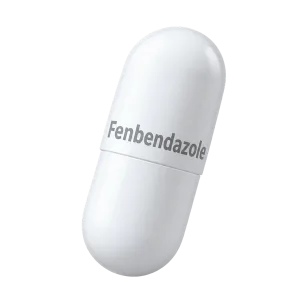
Fenbendazole

Active ingredient: Fenbendazole
222mg 444mg
From AED 408.50
capsules
3.7 (5)

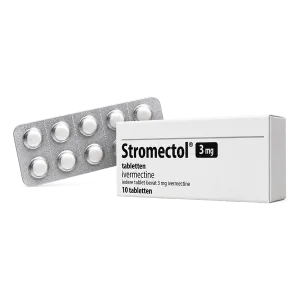
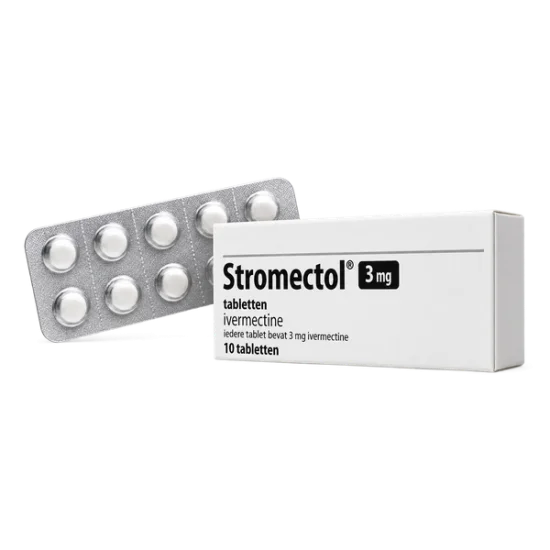
Stromectol Current

Active ingredient: Ivermectin
12mg 3mg 6mg
From AED 215.00
pills
4.3 (4)

Comparison table: Antiparasitics

Common questions

How does Stromectol differ from albendazole?

Stromectol contains ivermectin, while albendazole is a benzimidazole anthelmintic with a different molecular target. Ivermectin acts on parasite chloride channels; albendazole disrupts parasite microtubules and energy use. The choice depends on the identified organism, with ivermectin holding a central role in strongyloidiasis and onchocerciasis. FDA product information and WHO guidance available before 2026 support indication-based selection rather than automatic substitution [5].

What happens after stopping Stromectol, and is tapering needed?

Ivermectin is generally used as a single administration or a defined course for the diagnosed infection, so tapering is not usually part of its use. Stopping early or missing a planned follow-up can leave the infection incompletely assessed. Symptoms may persist after treatment because inflammation can outlast the parasite burden. Clinical guidance from WHO and regulatory product information dated 2023 should determine whether testing, repeat treatment, or observation is appropriate.

What should I do if the expected result does not occur?

Do not take extra tablets when symptoms remain. Persistent diarrhoea, itching, rash, or eye symptoms may reflect residual inflammation, incomplete parasite clearance, reinfection, or a different diagnosis. The next step is clinical reassessment, which may include stool testing, blood testing, eye examination, or review of immune status. The FDA ivermectin label dated 2009 states that treatment decisions depend on the indication and response rather than symptoms alone.

Can Stromectol cause itching or hives?

Yes, itching and hives can occur after ivermectin. They may represent a medicine-related allergic reaction or a Mazzotti-type response caused by dying microfilariae, especially during treatment of onchocerciasis. Facial swelling, wheezing, faintness, or rapidly spreading hives require urgent treatment. WHO materials published in 2023 describe inflammatory reactions after microfilarial death as a recognised issue in onchocerciasis care.

What should I do after a missed dose?

Take the missed dose when remembered unless the next scheduled dose is near; do not double the dose. The correct action depends on whether Stromectol was prescribed as one administration or as part of a longer schedule. Record the missed dose and contact the treating clinic if the timing creates uncertainty. The EMA product information dated 2018 emphasises following the prescribed regimen and avoiding unplanned additional doses.

Which diet, exercise, or habits help or hinder treatment?

No special exercise programme eradicates Strongyloides stercoralis or Onchocerca volvulus. Take the tablet with water and avoid alcohol if dizziness or drowsiness occurs. Keep follow-up appointments, report new eye symptoms, and disclose corticosteroid treatment or planned immune-suppressing therapy. WHO clinical programmes documented in 2023 place more value on correct diagnosis, treatment timing, and follow-up than on dietary supplements or strenuous exercise.

Do you offer anonymous delivery?

Your order will be securely packed and shipped within 24 hours. This is exactly what your package will look like (images of an actual item sent). It has the size and look of a regular private letter (24x11x0.7 cm) and its contents cannot be seen.

Reviews: Stromectol

4.3
Based on 4 reviews
Vikram, 57 Fujairah
Verified
Rating: 3.5 out of 5

I took the prescribed ivermectin tablets at the prescribed dose for the prescribed duration to treat a confirmed intestinal parasite. My stomach symptoms eased over the following days, but the itching did not disappear immediately. The first night I felt mildly dizzy, so I avoided driving and rested.

13 Oct 2026
Usman L., 57 Dubai
Verified
Rating: 3.5 out of 5

The treatment was straightforward when I followed the prescribed dose and duration given by the clinic. I had loose stools and tiredness for a short period, which settled without another dose. My mistake was nearly taking extra tablets because I expected the skin symptoms to stop at once.

22 Oct 2026
Mohammed, 43 Al Reem Island
Verified
Rating: 5 out of 5

I was treated after testing with the prescribed dose and duration, and had a follow-up plan rather than relying on symptoms. The tablets were easy to swallow with water. I noticed itching for several days, but there was no breathing problem or facial swelling.

31 Oct 2026
Anil, 63 Umm Al Quwain
Verified
Rating: 5 out of 5

I was taking warfarin and told the doctor before starting Stromectol at the prescribed dose and for the prescribed duration. The clinic arranged closer INR checks, which made the process more involved. I did not change the anticoagulant dose myself, and the follow-up was reassuring.

9 Nov 2026

Sources

  1. U.S. Food and Drug Administration (2009). STROMECTOL (ivermectin) Tablets, Prescribing Information.
  2. European Medicines Agency (2018). Ivermectin-containing medicinal products: regulatory and product information.
  3. World Health Organization (2023). Onchocerciasis: Fact sheet.
  4. U.S. Food and Drug Administration (2022). Ivermectin: Drug Safety Communication and prescribing information.
  5. World Health Organization (2022). WHO guideline for the treatment of human strongyloidiasis.
Get our free app Shop faster and track your orders 3.9 · 576 reviews Install